Asparagus Plant Spacing: the 15 Year Bed, Laid Out at the Minnesota Standard
By the Windchime Walker editorial team
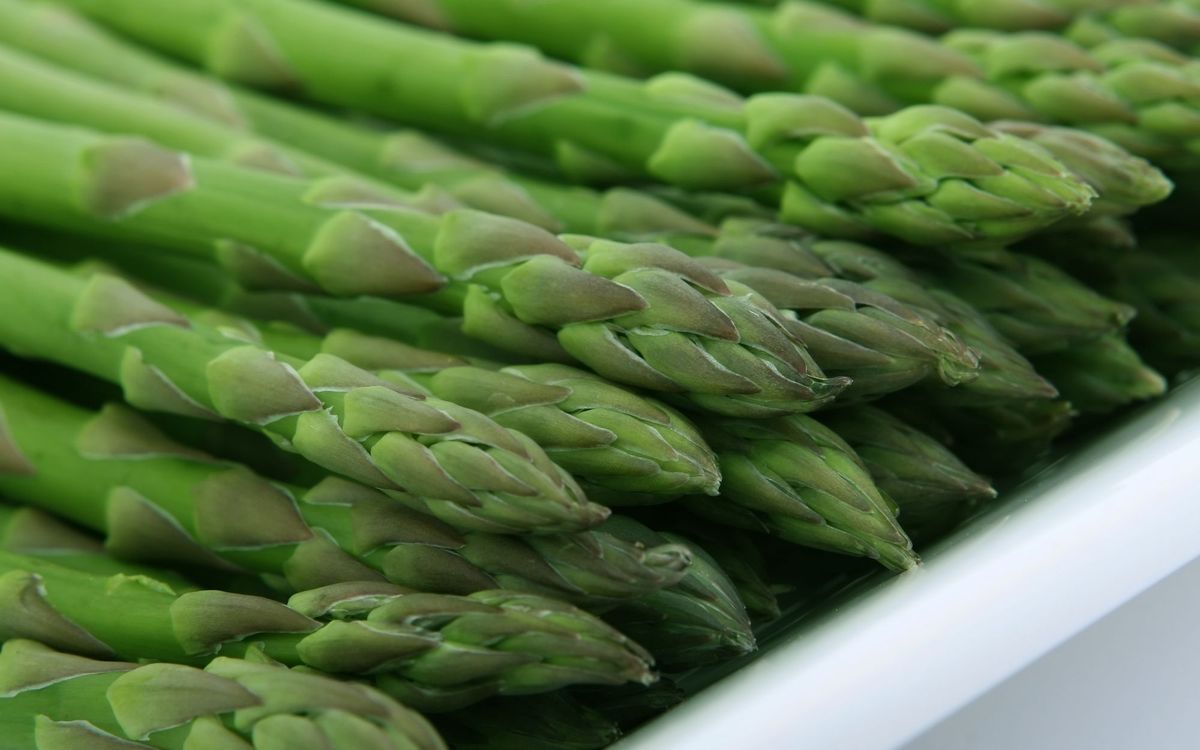
Photo: VIVO Ken / Pexels
Every other spacing decision in the vegetable garden lasts a season. This one lasts a generation. A well sited asparagus bed produces for 15 years or more, which means the layout you dig this spring is the layout you will be harvesting, weeding, and walking around when the gardener who planted it has forgotten the variety names. The sources sprawl more on this crop than on almost any other, so this page does what the spacing series always does: it picks one primary standard, the University of Minnesota Extension guide, read in full, states it plainly, and flags the rest of the range instead of averaging it into mush.
Our plant spacing chart owns the multi crop table. This page owns one bed: the asparagus bed, its trench, its furrows, and its first three years.
Interactive tool
Plant Spacing Planner: The Asparagus Bed
Asparagus is in the crop list below at the University of Minnesota Extension spacing of crowns 12 inches apart in furrows at least 36 inches apart. Enter your bed size and count the crowns for a bed that should produce for 15 years or more.
8 tomato plants fit this bed
4 plants per row across 2 rows, on a 24 inch grid. Extension spacing for this crop: 24 in between plants, 48 in between rows.
The grid uses the in-row spacing in both directions, the standard square foot layout for raised beds. In open ground, keep the wider row spacing in the note above so you can walk and weed between rows.
Spacing figures: University of Georgia Cooperative Extension, Circular 963, Vegetable Planting Chart, source.
The Standard: Minnesota, Read in Full
University of Minnesota Extension's asparagus guide sets the layout this page and its planner use. Plant one year old crowns in spring. Dig a trench or furrow 6 to 12 inches deep: 6 to 8 inches in heavy clay soil, 10 to 12 inches in very sandy soil. Set the crowns head to toe along the furrow so the buds sit about 12 inches apart. If you plant more than one furrow, keep furrows at least 3 feet apart. Cover the crowns with just 2 to 3 inches of soil at planting, water them in, and backfill the rest of the trench gradually as the ferns grow through the season. Minnesota also retires an old ritual in the same guide: spreading the roots out like an octopus is called outdated and unnecessary; set the crown in the trench and cover it. The planner above counts crowns for your bed at 12 inches in furrows 36 inches apart. The soil test comes first in the Minnesota system: asparagus wants a pH of 6.5 to 7.0 and phosphorus and potassium worked in at planting based on the test, with a typical no test fallback of 1 to 1.5 pounds of 10-10-10 per 100 square feet, because correcting fertility under a 15 year perennial is a miserable job compared to correcting it in an open trench.
The Sprawl, Flagged Honestly
Other credible sources lay this crop out wider, and you should know the range before you dig. University of Maryland and Clemson guidance commonly puts crowns at 15 to 18 inches apart. Virginia Tech describes 18 inch spacing with rows 4 to 5 feet apart, and also blesses the wide bed alternative, crowns at 18 inches in all directions in a bed too wide for rows to mean much. Arkansas guidance runs 18 by 60 inches, with crowns set deep in the trench. The disagreement is not sloppiness; it is different assumptions about how the bed will be worked and how large the mature ferns will grow in that climate. Wider spacing buys air movement, easier weeding between crowns, and room for very vigorous fern growth; tighter spacing buys more crowns, and more early yield, per bed. What nobody credible does is go tighter than 12 inches, because a mature asparagus crown expands into a root mass 5 to 6 feet across underground, and crowns planted closer spend 15 years competing. The Minnesota 12 by 36 is the compact end of the credible range and suits home beds worked by hand; if your ground is plentiful and your summers humid, laying out at 15 to 18 inches in the furrow is a defensible choice from the same facts. What is not defensible is averaging the sources into a number none of them published.
Site Choice: the Spacing Decision Before Spacing
The layout starts one step earlier, with where the bed goes, and Minnesota's advice is the advice to follow. Choose full sun and well drained soil; asparagus rots in ground that stays wet. Put the bed at the north end of the garden, or along an edge, because the summer ferns stand 4 to 6 feet tall and will shade anything planted south of them for a decade and a half. Give the bed a permanent border in your mind and on your map: no tilling through it, no rotating out of it, no borrowing its corner for this year's extra zucchini. Length is the flexible dimension. A single 25 foot furrow at 12 inch spacing holds 25 crowns, which is a serious household supply once mature; a 10 foot furrow of 10 crowns is the sensible minimum planting, enough for real harvests without committing a field. Two furrows at least 3 feet apart double the count and give you a walking and weeding lane between them, which you will appreciate in year nine.
Fresh green asparagus spears ready for harvest
The Trench, Dug Once and Dug Right
The trench is the one piece of heavy labor in this crop's life, and the layout repays doing it properly. Dig it a spade's width or a little wider. In clay, stay at the shallow end of the Minnesota range, 6 to 8 inches, because crowns buried deep in clay sit in a bathtub of their own digging; in sand, go the full 10 to 12 inches, because sand drains and crowns work their way upward over the years as the root mass grows. A small mound or ridge of loose soil along the trench bottom, an inch or two high, gives each crown a seat with its roots draped down the sides. Set crowns bud side up, buds at your 12 inch marks, cover with 2 to 3 inches of soil, and water the furrow in the same day; Minnesota is explicit that crowns must not dry out before they are covered, which is also why crowns waiting to be planted are kept refrigerated and planted promptly. Then leave the trench partly open. As the spears emerge and fern out, pull soil in a few inches at a time until the trench is level by season's end. Filling it all at once buries the young growth too deep and delays the bed by a year it did not need to lose.
The First Three Years: What the Layout Is Protecting
The spacing rules exist to protect a harvest that starts later than any beginner wants. Minnesota's calendar: no harvest the first spring after planting, a short harvest of about 2 weeks in the first harvest year, which is the second spring, and a full season of 6 to 8 weeks from the third spring onward. Spears are picked at 6 to 8 inches tall, and at peak they can grow 2 inches a day, so the full season is a daily walk with a knife. In Minnesota the harvest ends around June 30, and the date matters less than the principle: when the harvest window closes, every spear stays, and the ferns that grow from them are the factory that funds next year's spears. Water the bed about an inch a week through the season, more often on sand. Keep the furrow line weeded by hand; cultivation in the bed stays under 2 inches deep and never happens during harvest, because the crowns and their buds live closer to the surface than you think. The 12 inch spacing that felt generous in the trench is what lets you weed, walk, and harvest between mature crowns without stepping on the bed itself, and stepping on the bed, compacting the soil over the crowns, is the slow damage wide spacing quietly prevents.
Buying Crowns for the Layout
The planner counts crowns; this section keeps you from wasting them. Buy one year old crowns from a reputable nursery, and buy them for your planting window, because crowns are living roots that dry out in storage: order for spring delivery, refrigerate them on arrival if the trench is not ready, and plant within days, not weeks. Minnesota names the variety landscape plainly: the Jersey series males (Giant, Knight, Supreme) were the longtime standard and have recently been discontinued, Millennium is a widely available modern hybrid, and Mary Washington, Viking KB-3, and Purple Passion remain in catalogs. The fact that matters for layout is that all male hybrid plantings yield more and live longer, because female plants spend energy on berries and seed themselves into weedy seedlings in the bed. A bargain bag of mixed, spindly crowns is the most expensive way to fill a trench: a crown that fails in year one leaves a gap in a 15 year bed that never quite fills, because a replacement planted later is always years behind its neighbors. Inspect on arrival: good crowns are plump, with a dense fan of roots and visible buds. Order a few extra crowns beyond the planner's count and plant the spares at the bed's end as a nursery row; the year a crown fails, your replacement is the same age as the bed.
Frequently Asked Questions
How far apart do you plant asparagus crowns?
At this site's standard, the University of Minnesota Extension figures: crowns with buds about 12 inches apart in the furrow, furrows at least 3 feet apart. Other extension sources run 15 to 18 inches between crowns and rows to 5 feet; the range is flagged in the article, and 12 inches is the tight end nobody goes below.
How deep should the asparagus trench be?
Six to 12 inches, by soil type: 6 to 8 inches in heavy clay, 10 to 12 inches in very sandy soil, per University of Minnesota Extension. Cover crowns with only 2 to 3 inches of soil at planting and backfill gradually as the ferns grow, finishing level by the end of the first season.
How many asparagus crowns do I need?
A 10 foot furrow at 12 inch spacing holds 10 crowns, a sensible minimum planting. A 25 foot furrow holds 25, a serious household supply at maturity. The planner above counts crowns for your bed dimensions at the Minnesota standard, in one furrow or several.
When can I harvest a new asparagus bed?
Not the first spring after planting. Take a short harvest of about 2 weeks the second spring, then a full 6 to 8 week season from the third spring on. After the harvest window closes each year, let every spear fern out; the ferns fund next year's crop.
Can asparagus grow in a wide bed instead of rows?
Yes, and Virginia Tech describes it: crowns at about 18 inches in all directions in a wide bed. The tradeoff is access; a wide bed must be reachable from the edges for weeding and harvest without stepping on it, because compacted soil over the crowns is slow damage. Rows with a walking lane are the easier 15 year commitment for most home gardens.
Photo credits: VIVO Ken (Pexels); Robert Owen-Wahl (Pexels). Photos are served from this site; follow the credit to the library page for the original.