Beetroot Plant Spacing: The Cluster System, the 10 Centimeter Thinning, and the Harvest Size Ladder
By the Windchime Walker editorial team
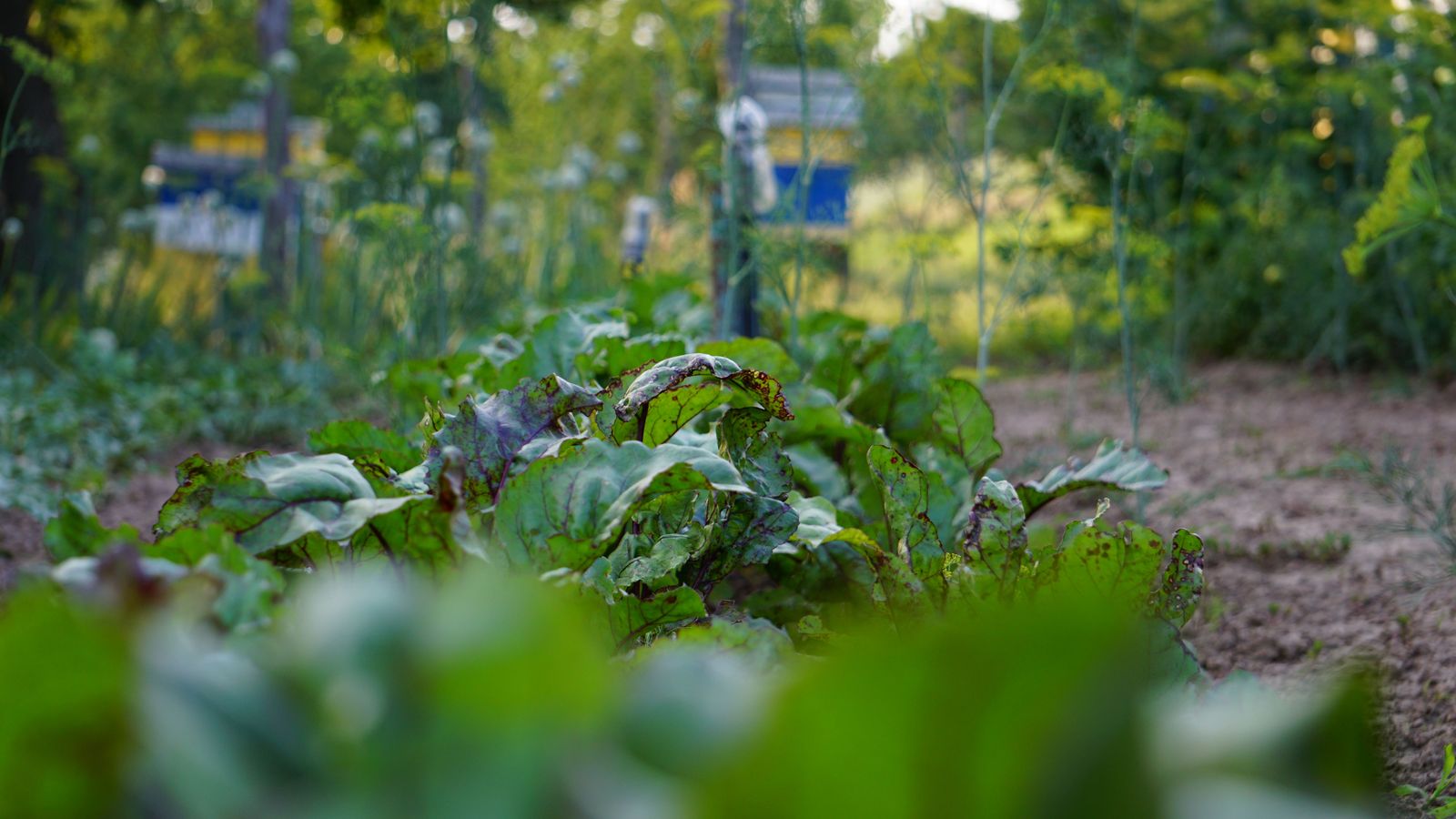
Photo: Dmytro Glazunov / Pexels
Every beet seed is a lie told in the singular. What the packet calls a seed is a dried fruit cluster holding several true seeds, so a row sown at any spacing comes up in tufts, and beetroot spacing is decided by the thinning, not by the sowing. The system runs in passes: sow clusters about an inch apart, thin the tufts to one seedling each early, then thin again in stages to the final spacing the harvest size demands. UK guidance puts the final figure at 10 cm, about 4 inches, for full size roots. The University of Georgia chart in Circular 963 gives the sowing geometry the planner carries, 2 inches between plants in rows 18 to 36 inches apart, half an inch deep, 55 to 65 days to harvest. This page runs the cluster system end to end: the passes, the final spacing ladder by harvest size, the greens dividend that makes thinning painless, and the bolt and woodiness failures that spacing cannot fix but timing can.
Our plant spacing chart owns the multi crop table. This page owns the beetroot row, from cluster to bunch.
Interactive tool
Plant Spacing Planner: The Beetroot Row
Beets are in the crop list below at the University of Georgia Cooperative Extension sowing of 2 inches between plants, in rows the planner sets at 27 inches inside the 18 to 36 inch source range. Enter your bed size and plan the row your cluster thinning will finish.
8 tomato plants fit this bed
4 plants per row across 2 rows, on a 24 inch grid. Extension spacing for this crop: 24 in between plants, 48 in between rows.
The grid uses the in-row spacing in both directions, the standard square foot layout for raised beds. In open ground, keep the wider row spacing in the note above so you can walk and weed between rows.
Spacing figures: University of Georgia Cooperative Extension, Circular 963, Vegetable Planting Chart, source.
The Cluster System: Why Beetroot Is Thinned, Not Spaced
Sow beet clusters about an inch apart, or use the Georgia figure of 2 inches in the row, half an inch deep, and water the row in. Within two weeks each station holds a tuft of two to five seedlings competing at zero inches, which is the tightest spacing problem in the vegetable garden. The first thinning, when the seedlings stand about 2 inches tall, reduces each tuft to its single strongest seedling; pull or snip the rest, snipping being kinder to the roots of the keeper in dry soil. Monogerm varieties, bred to hold one seed per cluster, skip this pass and are worth their premium to anyone who hates thinning, but the standard packet assumes the pass happens. Skip it and the row produces a tangle of small, misshapen roots pressing each other flat, the classic beet disappointment that gets blamed on the soil. The thinning is not waste management; it is the spacing system itself, and the second pass below is where the harvest size is actually chosen.
The Final Ladder: Spacing Is a Harvest Size Decision
After the tufts are singled, the row stands at its sowing spacing, and the final figure is chosen by what you intend to pick. For baby beets, pulled young and tender at golf ball size, the singled row at 2 to 3 inches is already the answer, and the harvest itself does the remaining thinning. For bunching beets, the standard supermarket size, thin or harvest your way to 3 to 4 inches. For full size storage roots, the UK figure of 10 cm, 4 inches, is the verdict, and the pass that sets it can be eaten: pull alternate plants as baby beets when they size up, and the survivors inherit the room. This eat your thinnings ladder is the elegant heart of beet growing; the row is thinned by the kitchen over weeks, and no seedling dies uneaten after the first pass. The greens are edible at every stage, which turns even the first thinning into a harvest of the most perishable and delicious part of the plant. Space the rows for your tools and your bed: 18 inches in a worked garden per the tight end of the Georgia range, up to 36 where a wheel hoe runs, or a hand's width grid in a raised bed at the same in row figures.
Close-up of fresh organic beetroots with leaves on a dark background
Sowing Depth, Soil, and the Germination Window
Beet clusters germinate best in soil that is warm and evenly moist, sown half an inch deep per the Georgia chart, and they are famously slow and patchy when the bed dries or crusts. The fixes are mechanical: sow into a fine, firmed seedbed, keep the row moist through the 10 to 20 days germination can take, and lay a board or a strip of row cover over the row in hot or windy weather to hold the moisture, lifting it the day the first seedlings show. Soaking the clusters overnight before sowing speeds and evens the stand. Beets tolerate light frost and prefer cool growing weather; spring sowings go in a few weeks before the last frost, and the fall crop, often the sweetest, is sown about 8 to 10 weeks before the first hard freeze. In hot summer soil the seed germinates poorly and the plants that do grow turn woody, which is a season verdict rather than a spacing one. The 55 to 65 days on the Georgia chart is a cool season figure; the same variety in a warm fall can size faster, and the harvest ladder, not the day count, decides when to pull.
The Failures Spacing Cannot Fix: Bolting, Woodiness, and Scab
Three beet failures arrive dressed as spacing problems and are not. Bolting, the plant sending up a seed stalk instead of a root, follows a cold spell on young plants of sensitive varieties; the root never forms, and no thinning pattern rescues a bolted row, only a resowing in warmer weather. Woodiness and pale rings follow heat and irregular water: roots that grow in fits, drying hard and then flooding, lay down tough, woody tissue and zoning; the cure is even moisture and a season matched sowing, and mulch helps more than any spacing change. Scab, rough corky patches on the skin, tracks soil pH and moisture, and boron deficiency shows as black heart rot inside an otherwise handsome root; both are soil chemistry conversations, not geometry ones. What spacing genuinely owns is size uniformity and root shape: singled, evenly spaced plants in loose soil make round, matched roots, and crowded or forked ground makes the odd shapes. Keep the ladder honest, thin on time, and the remaining failures will at least be the interesting kind, weather and chemistry, rather than the preventable kind.
Succession and Storage: Keeping the Ladder Fed
A single spring sowing of beets runs out of its best weeks by high summer, and the ladder system extends naturally into succession: sow a short row every 3 to 4 weeks from early spring through midsummer for a continuous supply of young roots and greens, then make the final sowing the fall crop, timed 8 to 10 weeks before the first hard freeze, which sizes up in cooling soil and sweetens as the nights turn. Storage is where the full size end of the ladder pays its rent: beets at the 4 inch spacing, pulled after the first light frosts have sweetened them, keep for months in a cold, humid root cellar or a refrigerator crisper, twisted free of their tops with an inch of stem left on. The bunching size roots are the fresh market product and keep for weeks; the baby beets are eaten within days. One sowing plan thus feeds three different kitchens across the year, the salad bowl in June, the roasting pan in September, and the cellar box in January, and the spacing ladder is what makes all three harvests come off the same row geometry without replanting the system each time.
Frequently Asked Questions
How far apart should beetroot be planted?
Sow clusters about 1 to 2 inches apart, half an inch deep, then thin: first to one seedling per cluster, then to the final spacing your harvest size needs. That final figure is 2 to 3 inches for baby beets, 3 to 4 inches for bunching size, and 4 inches, the 10 cm of UK guidance, for full size roots. The University of Georgia chart gives the sowing frame as 2 inches between plants in rows 18 to 36 inches apart. Beetroot spacing is a thinning system because each seed is a cluster of seeds.
Do I really have to thin beetroot?
Yes, unless you sow a monogerm variety. A standard beet seed is a fruit cluster containing several seeds, so every station comes up as a tuft of seedlings competing at zero inches. Unthinned, they press each other into small, flat sided, misshapen roots. Thin first to one seedling per cluster at about 2 inches tall, then harvest your way to the final spacing, eating the pulled plants as baby beets and greens. The thinning is the harvest system, not a chore before it.
Can I eat the beetroot thinnings?
That is the design. The first pass, reducing tufts to single seedlings, yields tender greens for salads and cooking. Later passes pull alternate plants as baby beets with their greens attached, which is the bunching product at its best. A beet row thinned by the kitchen over several weeks gives greens, baby beets, and finally full size roots from one sowing. Nothing after the first pass needs to reach the compost heap.
Why are my beetroots small and misshapen?
Crowding is the first suspect: an unthinned or late thinned row grows tufts of roots that flatten each other. The second is soil: stones, clumps, and compacted ground fork and distort a root that wants loose, even soil to a spade's depth. The third is water in fits and starts, which lays down woody rings and stalls growth. Fix the thinning first, since it is free, then the soil preparation, then even moisture. Variety choice matters least of the four.
When should beetroot be sown?
In cool weather. Spring sowings go in a few weeks before the last frost, since beets tolerate light frost and germinate in cool soil, and the fall crop is sown 8 to 10 weeks before the first hard freeze and is often the sweetest of the year. The Georgia chart allows 55 to 65 days to harvest. Avoid midsummer sowings in hot climates: germination turns patchy and the roots that form run woody. A cold snap on young plants can trigger bolting in sensitive varieties, another reason the fall crop behaves better than the early spring one.
Photo credits: Dmytro Glazunov (Pexels); Eva Bronzini (Pexels). Photos are served from this site; follow the credit to the library page for the original.