Kale in a container is a different crop from kale in a bed, and the difference is arithmetic. A kale plant is a large, hungry, long lived leaf factory; a pot is a few gallons of mix and whatever water and food you remember to give it. Growers who treat the pot like a small bed get a small, bitter, aphid covered plant and conclude that kale does not container well. It containers beautifully, at the right scale. This site already has container articles for eight other crops, and our how-to-grow-kale owns the bed, where the plant runs at garden spacing in open soil. This page owns the pot, and its first job is to settle a genuine conflict in the published advice about how big that pot has to be.
How to Grow Kale in Containers: One Big Plant, One Big Pot
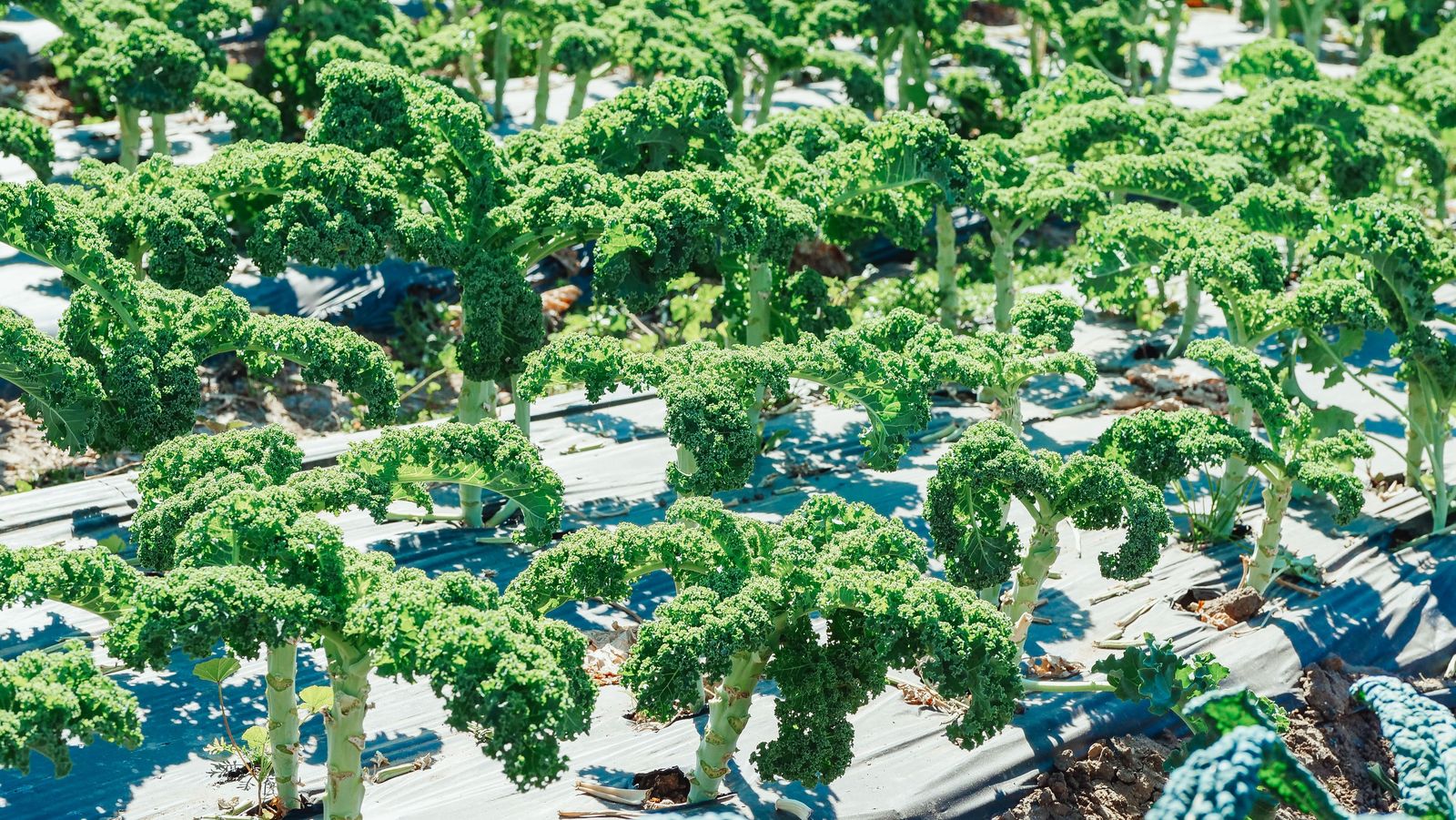
Photo: Kindel Media / Pexels
Interactive tool
Container Kale Checklist
Check off each step as you finish it. Your progress stays on this page.
0 of 8 complete
0% done
The Pot Size Conflict, Settled
The guides disagree openly, so let us line them up. Some put the minimum at 8 inches deep. Others specify a pot 12 inches wide and 12 inches deep. Others say 5 gallons per plant. And at least one source claims 2 to 3 kale plants will share a 5 gallon pot, which this page flags as the claim that produces the disappointed growers: three kale plants in 5 gallons is three starved plants competing for a pantry built for one, and the harvest is a handful of small leaves before the plants stall. The working standard here is one plant per 5 gallon pot or fabric grow bag, 12 inches deep or more, with drainage. A 12 inch pot of quality mix is roughly that volume, which is why the 12 inch guidance and the 5 gallon guidance converge once you do the arithmetic, and the 8 inch minimums describe the smallest pot a kale plant will survive in, not the pot it will produce in. Dwarf and compact varieties forgive a smaller pot; the big curly and lacinato types do not. Choose the pot for the harvest you want, and when in doubt, size up: no one has ever harvested too much kale because the pot was too generous.
Mix, Sowing, and the One Plant Rule
Fill the pot with a quality container mix, not garden soil, which compacts in pots and drains badly, and work in a generous handful of compost, because kale is a heavy feeder and a pot is a closed pantry. Sow 3 to 4 seeds half an inch deep in the center, or set one transplant, and then enforce the hardest rule in this article: thin to one plant. Every seedling past the first is a competitor, and kale thinnings are edible, so the discipline costs nothing but a moment's ruthlessness. Baby kale is the exception that proves the rule: if your goal is a cut young salad crop, sow a pinch of seed across the surface of a wide shallow pot, grow it as a leaf patch, and cut it at baby size, resowing every few weeks. That is a different crop with a different method, and it works precisely because the plants never try to reach full size.
Water and Food: The Pot Rhythm
A container kale drinks on a schedule the bed never imposes. The mix in a 5 gallon pot in summer sun can dry in a day, and kale that swings between dry and soaked grows tough, bitter leaves and invites aphids to the stressed plant. Check the pot daily in hot weather, water when the top inch is dry, and soak until water exits the drainage holes. Mulch the surface with an inch of shredded leaves or straw to slow the swing. Feeding is the other half of the rhythm: a heavy feeder in a small volume of mix exhausts it, so feed every 2 to 3 weeks with a balanced liquid fertilizer at label strength, or work a slow release fertilizer into the top of the mix at planting and again mid season. Yellowing lower leaves on a well watered plant are the pantry running empty, and they answer to food, not water. In winter, a potted kale in a mild climate keeps producing slowly; in a cold one, the pot can move to a sheltered wall or an unheated greenhouse and hold the plant for spring.
The Harvest System: Cut and Come Again
The reason to grow kale this way is the harvest method, and it has rules that make one pot produce for months. Pick the outer, lowest leaves first, one by one, snapping them downward off the stem, and always leave the center of the plant alone: the growing point and at least 5 to 6 inner leaves stay, because that crown is next month's harvest. Never strip the plant bare; a kale reduced to a stalk and a tuft takes weeks to rebuild what a careful picker leaves standing. Harvest in the morning for the crispest leaves, pick little and often rather than in occasional raids, and remove any yellowing leaf the moment you see it, because a clean plant discourages the aphids and whiteflies that colonize stressed kale. Handled this way, a single plant in a 5 gallon pot gives a steady supply from early summer, through the fall when cooling weather sweetens it, and in mild climates into winter, which is a return on one pot that few container crops match.
Succession: The Second Pot
A single plant, however well run, ages: the stem lengthens as you pick upward, the plant gets top heavy, and production eventually slows. The succession pot solves it. Six to 8 weeks after your first plant is established, start a second pot. When the first plant passes its prime, the second is entering full production, and the first can be retired to the compost without a gap in the supply. In practice, two or three pots in rotation, staggered by a month or two, give a household kale from spring to frost from a balcony's worth of space. Fall succession deserves special mention: a pot sown in late summer produces through the cool months when kale is at its best, and many growers find the fall pot outproduces and outlasts the spring one, with fewer aphids and sweeter leaves. The checklist above carries the whole rotation; tick it off pot by pot and the system runs itself.
Pests and Problems in Pots
Container kale has three recurring enemies, all manageable. Aphids cluster on the undersides of leaves and in the crown; a hard jet of water every few days knocks them back, and a plant that is fed and watered evenly resists them better than a stressed one. Cabbage white caterpillars arrive from the small white butterflies that visit any outdoor pot; a floating row cover over the pot ends the problem entirely, or pick the green caterpillars off by hand on a daily walk. Bitterness is the third complaint and it is environmental: heat, drought swings, and age make kale bitter, so pick young, water evenly, mulch the pot, and lean on the fall crop for the sweetest leaves. None of these require sprays, and all of them are easier to manage on a pot at waist height than on a bed at ground level, which is the container grower's quiet advantage.
Frequently Asked Questions
How big a pot does kale need?
One plant per 5 gallon pot or grow bag, at least 12 inches deep, is the working standard on this page. Published minimums sprawl from 8 inches deep to 12 inch pots, and the 12 inch and 5 gallon figures converge at roughly the same volume of mix. Claims that 2 to 3 plants can share a 5 gallon pot are flagged here as a false economy: the plants compete, stall, and yield less than one well grown plant. Compact and dwarf varieties tolerate a somewhat smaller pot; large curly and lacinato types want the full standard.
How many kale plants can I put in one pot?
One, if you want full size leaves and a months long harvest. The exception is baby kale, grown as a cut young leaf patch: sow a pinch of seed across a wide pot, cut the leaves at baby size, and resow every few weeks, because those plants are harvested before they compete seriously. For the cut and come again system, a second plant in the pot is not a bonus; it is a tax on the first plant's water and food, paid in smaller, tougher leaves.
How often should I water kale in a container?
Check daily in summer and water when the top inch of mix is dry, soaking until water runs from the drainage holes. A 5 gallon pot in full sun can need water every day in a hot spell and every 2 to 3 days in mild weather; the check, not a fixed interval, is the rule. Mulching the surface with an inch of shredded leaves or straw stretches the interval and, more importantly, evens out the wet dry swings that make leaves tough and bitter.
When and how do I harvest container kale?
Start picking when the plant has a good rosette of leaves, taking the outer and lowest leaves first, one at a time, and always leaving the growing center plus at least 5 to 6 inner leaves. That restraint is the whole system: the crown you leave is the harvest you get next month. Pick in the morning, pick often, and remove yellowing leaves promptly. A plant harvested this way produces for months; a plant stripped bare takes weeks to recover and may never regain its rhythm.
Can kale grow in containers year round?
In mild climates, yes: kale is cold hardy, sweetens after frost, and a pot in a sheltered spot can produce through winter. In cold climates, the pot is the advantage: move it against a warm wall, into an unheated greenhouse, or under cover during the hardest spells, and the plant holds for spring. The rotation on this page, a fresh succession pot every 6 to 8 weeks through the growing season and a late summer pot for fall, keeps supply continuous wherever the winters allow the plants to stand.
Photo credits: Kindel Media (Pexels); Olivia cox (Pexels). Photos are served from this site; follow the credit to the library page for the original.