How to Grow Kale: A Harvest Habit, Not a Harvest Day
By the Windchime Walker editorial team
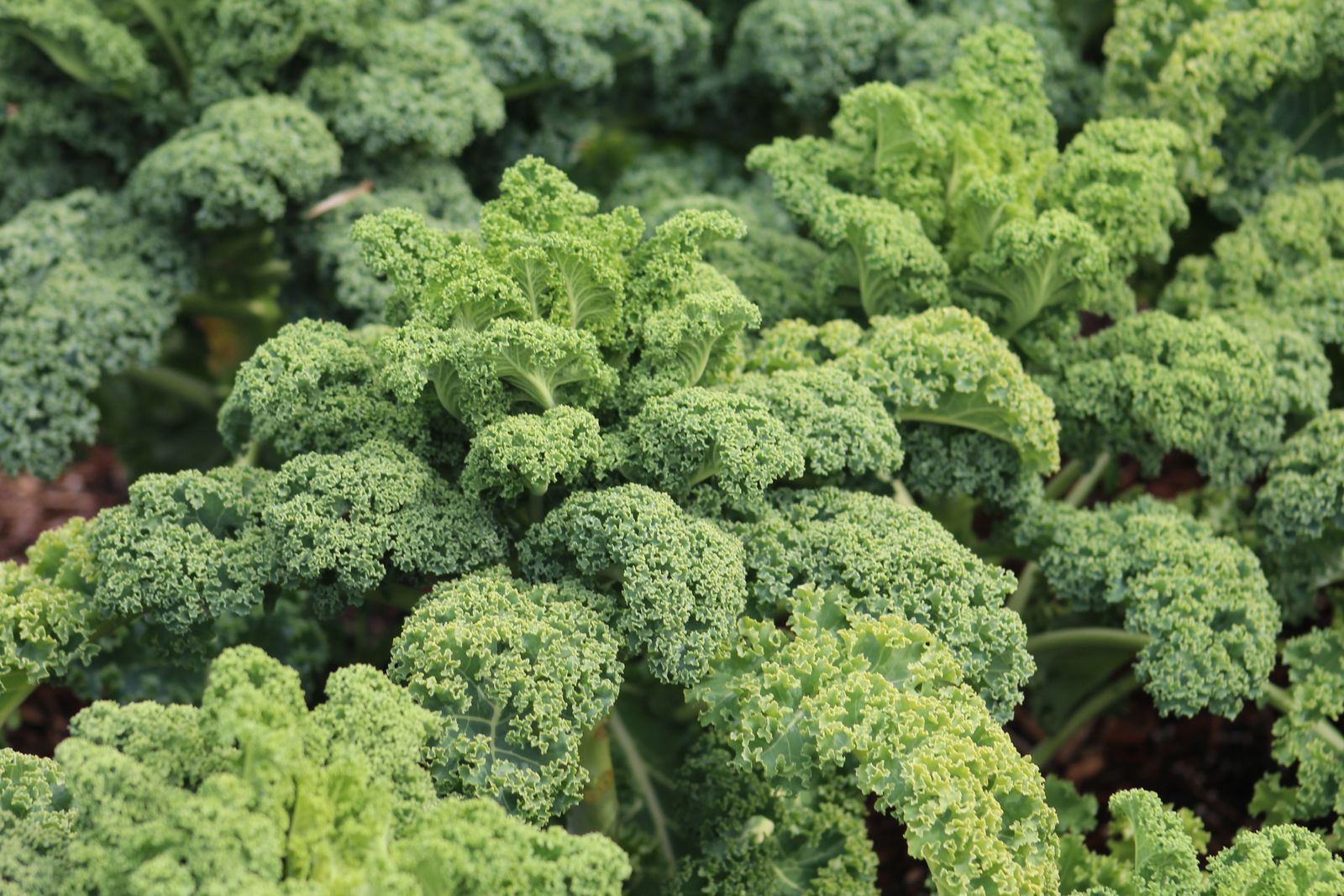
Photo: Dresden Benke / Pexels
Most vegetables have a harvest day, a moment when the crop is ready and the plant is done. Kale has a harvest habit instead. Planted once, it produces leaves for months, through heat that wilts lesser greens and frosts that finish them, as long as you pick it the way it grows: from the outside in, a few leaves at a time, always leaving the growing center untouched. Gardeners who treat kale like lettuce, cutting the whole plant at once, get one meal and a mystery. Gardeners who learn the habit get a standing crop from spring to the edge of winter, and in mild climates, straight through it.
Kale is also the most forgiving green a beginner can grow. It tolerates part shade, average soil, irregular attention, and cold that would blacken beans or basil on contact, and its flavor famously improves after frost, when the plant converts starches to sugars as a natural antifreeze and the leaves turn sweet. If spinach is a calendar to be obeyed, kale is a companion to be kept.
The figures on this page come from our extension data: the Plant Spacing Planner uses the University of Georgia spacing of 12 inches between plants, within its published 8 to 16 inch range, in rows 36 inches apart. The timing follows North Dakota State University Extension publication H1139 in our data: sow indoors 10 weeks before the last frost and set plants out 3 weeks before it. North Carolina State figures quoted in search results give the harvest scale: baby leaves at 20 to 30 days, mature leaves at 50 to 75 days.
Interactive tool
Plant Spacing Planner: The Kale Bed
Kale is in the crop list below at the University of Georgia Cooperative Extension spacing of 8 to 16 inches between plants. Enter your bed size and count plants for a harvest that runs for months.
8 tomato plants fit this bed
4 plants per row across 2 rows, on a 24 inch grid. Extension spacing for this crop: 24 in between plants, 48 in between rows.
The grid uses the in-row spacing in both directions, the standard square foot layout for raised beds. In open ground, keep the wider row spacing in the note above so you can walk and weed between rows.
Spacing figures: University of Georgia Cooperative Extension, Circular 963, Vegetable Planting Chart, source.
Step 1: Plant Twice a Year, Spring and Fall
Kale is a cool season crop that tolerates summer better than its cousins, which gives it the widest planting windows of any green. The spring planting follows the NDSU H1139 dates in our data: sow indoors 10 weeks before the last frost, set out 3 weeks before it. Kale seedlings are hardy, and the early start means harvestable plants by the time spring settles. Direct sowing works too, a few weeks before the last frost, at the cost of a later start.
The fall planting is the one to prioritize if you choose only one. Sow or set out transplants in late summer, about 6 to 8 weeks before the first frost, and the plants size up in cooling weather, then stand in the garden producing sweet leaves through frost after frost. In zones with mild winters they produce all winter; in cold ones, a layer of mulch or a low cover keeps them pickable deep into the cold months, and plants that survive winter bolt in spring, which is the signal to pull them and plant the new spring crop. Two plantings a year, spring and fall, keep a household in kale with a gap only in the worst of summer heat or winter cold, and often not even then.
Step 2: Set Plants at the Planner Spacing
Set transplants at the same depth they grew in their pots, spaced 12 inches apart per the University of Georgia standard in the planner, within its 8 to 16 inch range, in rows 36 inches apart; in beds, the same 12 inches in a grid serves well. Seed goes a quarter to a half inch deep. Kale is not fussy about soil within reason: average garden soil with compost worked in grows it well, and it appreciates the same slightly acidic to neutral range, roughly 6.0 to 7.0 pH, as most vegetables. Full sun grows the fastest plants, but kale is one of the few greens that produce respectably in part shade, making it the plant for the bed that gets five hours instead of seven.
Water at about 1 inch a week, steadily; kale tolerates a missed watering better than spinach or lettuce, but leaves grown with even moisture are tender, and drought stressed leaves turn tough and strong flavored. Mulch once the plants are established, both for moisture and to keep soil off the lower leaves you will be picking for months.
Step 3: Harvest the Outer Leaves, Never More Than a Third
Here is the habit, in one paragraph. When a plant has a good rosette of leaves, begin picking the outermost, lowest leaves, the oldest ones, snapping or cutting them at the base of the stem. Never take more than a third of the plant's leaves at one picking, and never touch the center bud where new leaves form. The plant reads the loss of old leaves as a reason to make new ones, and it will do so for months, growing slowly upward on a thickening stem, a small palm tree of a plant by season's end, with the harvest always at the bottom and the future always at the top.
The calendar from North Carolina State's figures frames the patience required: baby leaves can be picked at 20 to 30 days for salads, tender and mild, while mature leaves at 50 to 75 days are the cooking leaves, sturdy and sweet after frost. Pick in the morning when leaves are crisp, wash well, since the crinkled leaf types shelter soil and the occasional aphid, and store unwashed in the refrigerator, where kale keeps better than any other green, a week or more without complaint.
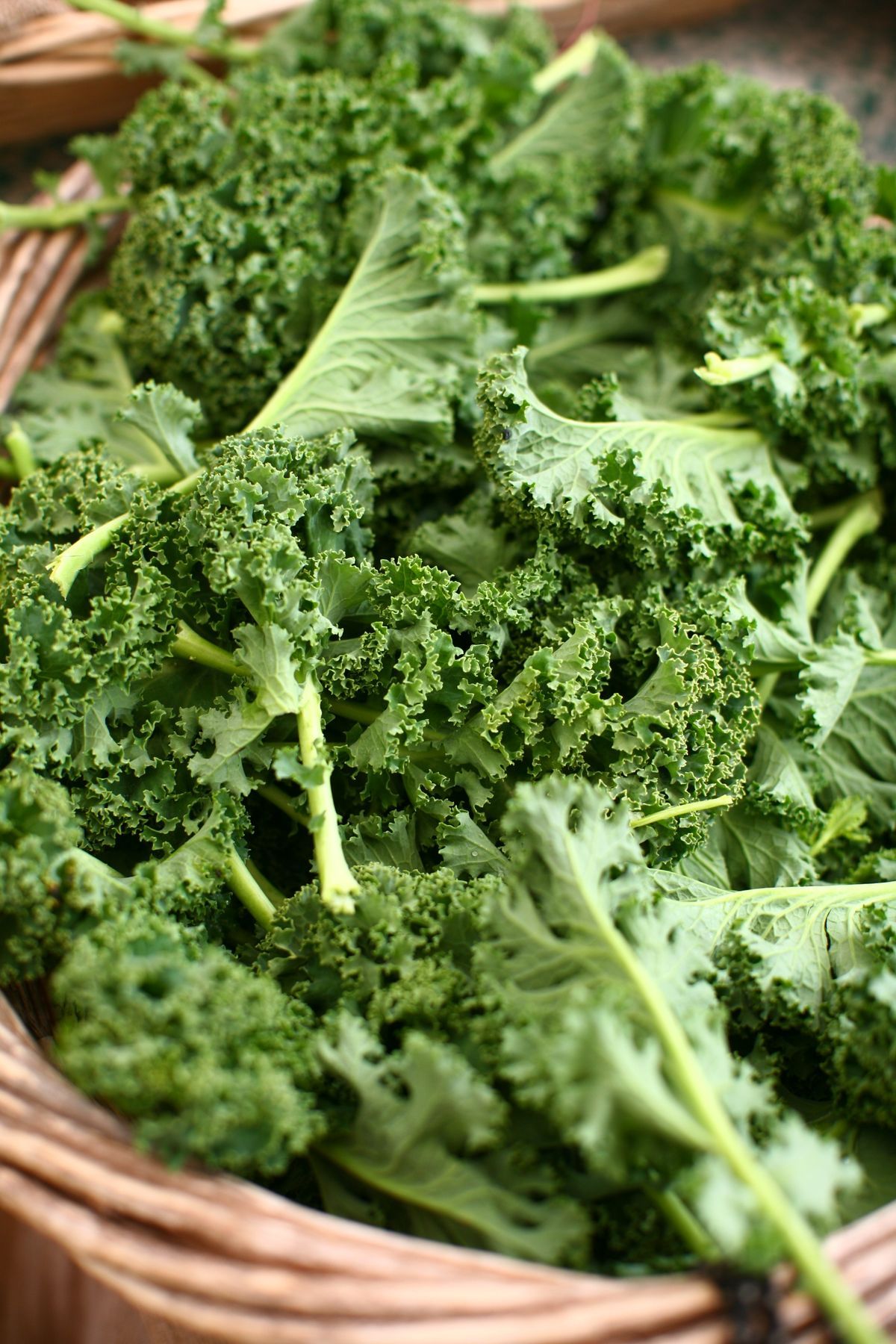
Freshly picked kale leaves in a rustic basket
Step 4: Let Frost Do Its Sweet Work, and Manage Two Pests
New gardeners rush to protect kale from frost. Do not. Light and moderate frosts improve it, and established plants survive temperatures that end the tomato season without a mark. The plant's own chemistry is the explanation: cold triggers sugar production in the leaves as protection, and the cook tastes it as sweetness. Cover kale only against the harshest winter stretches, and even then, mainly to keep leaves pickable rather than frozen stiff at the hour you want them.
Two pests deserve a sentence each. Cabbage worms, the green caterpillars of white butterflies, chew kale as they chew all brassicas; row cover from planting excludes them entirely, and handpicking handles a light presence. Aphids cluster in warm spells, especially on stressed plants; a hard jet of water and the removal of the worst leaves is management enough for a crop picked leaf by leaf. Kale grown in rotation, not in the same bed as last year's cabbage family, and given its spacing and airflow, rarely needs more than this. It is, by the standards of the vegetable garden, a plant that minds its own business and asks you to mind yours: plant it twice a year, pick the outside leaves, leave the center alone, and let the frosts come.
Choosing a Kale Variety for Your Kitchen
Kale varieties divide by leaf shape, and the shape decides the job. Curly kale, the familiar supermarket type, has ruffled, blue green leaves with a sturdy texture that stands up to soups, roasting into chips, and long cooking; it is also the most cold hardy form and the traditional winter plant. Lacinato kale, also sold as dinosaur or Tuscan kale, has long, flat, dark leaves with a savoyed, almost reptilian surface; it is tenderer than curly kale, sweeter raw in salads when picked young, and the variety most cooks reach for when kale is the main event rather than an ingredient. Red Russian and the other flat leaf types have tender, oak shaped leaves with purple stems, the mildest flavor of the group, and the best baby leaves; they are also somewhat less hardy in deep cold, which makes them the spring and fall choice in cold gardens and a year round one in mild gardens.
For a first planting, the sensible rule is to match the variety to your coldest month and your favorite dish. A northern gardener who wants kale in January grows curly kale, heavily mulched. A mild climate gardener who eats kale salads grows lacinato and picks it young. Everyone should know that kale varieties cross freely and seed saving, while possible, produces mongrel offspring unless varieties are isolated; buy seed fresh, grow one variety per season if you intend to save it, and let the catalog's variety descriptions, read for hardiness first and flavor second, make the decision. Plants from the garden center labeled simply "kale" are almost always a curly type, which is a fine default, and knowing even that much puts you ahead of the label.
A Year of Kale, Season by Season
Put the two plantings and the harvest habit together and the kale year runs like this. In late winter, seed starts indoors on the NDSU H1139 schedule in our data, 10 weeks before the last frost, under lights or on the brightest sill you have. Three weeks before the last frost, the young plants go out, hardened off, into soil that is still cold, and they sit, then grow, then grow faster, until by late spring you are picking outer leaves weekly and the plants are knee high and generous. Summer slows them in hot climates; the leaves toughen, the aphids visit, and the wise gardener picks lightly, waters steadily, and waits, because the same plants, still standing, are the fall crop's head start.
In late summer the second planting goes in, seedlings or direct sown, to size up before the cold. Autumn is kale's glory: the spring plants revive in the cool, the fall plants reach picking size, frosts sweeten everything, and the household that planted twice is picking from two generations at once. Winter, in mild gardens, is a slower picking that continues; in cold ones, it is a mulch blanket and a monthly handful on mild days, with the plants alive under it. And in the second spring, the survivors bolt, flower yellow, feed the first bees, and are pulled for the new crop, having been, for about a year each, the hardest working plants in the garden. No other leaf asks so little and stays so long. That is the whole case for kale, and it is a strong one.
Frequently Asked Questions
When should I plant kale?
Twice a year. For spring, North Dakota State University Extension H1139 times it as sowing indoors 10 weeks before the last frost and setting plants out 3 weeks before it. For fall, sow or transplant 6 to 8 weeks before the first frost. The fall crop is the most rewarding, producing sweet leaves through repeated frosts.
How far apart should kale plants be spaced?
Space plants 12 inches apart, within the University of Georgia's published range of 8 to 16 inches, in rows 36 inches apart; the spacing planner on this page uses 12 inches. In beds, a 12 inch grid works well. Sow seed a quarter to a half inch deep. Kale also produces respectably in part shade, unlike most greens.
How do I harvest kale so it keeps growing?
Pick the outer, lowest leaves first, never more than a third of the plant at one picking, and never touch the center bud where new leaves form. Harvested this way, one plant produces for months. Baby leaves are ready at 20 to 30 days and mature leaves at 50 to 75 days, per North Carolina State figures.
Does frost hurt kale?
No, frost improves it. Cold triggers the plant to convert starches to sugars as a natural antifreeze, and the leaves taste noticeably sweeter after frost. Established kale survives temperatures that end most of the garden. Cover it only in the harshest winter weather, and then mainly to keep leaves easy to pick.
How much water does kale need?
About 1 inch of water a week, given steadily. Kale forgives a missed watering better than spinach or lettuce, but even moisture grows the most tender leaves, while drought stressed plants turn tough and strongly flavored. Mulch once plants are established to hold moisture and keep soil off the lower leaves.
Why is my kale tough and bitter?
Heat, drought stress, and old leaves are the usual causes, in that order. Kale is sweetest grown in cool weather and picked young from the outside of the plant. Water evenly, pick regularly rather than letting leaves age on the plant, and rely on the fall planting for the sweetest harvest of the year.
Photo credits: Dresden Benke (Pexels); Jovy Lai (Pexels). Photos are served from this site; follow the credit to the library page for the original.