How to Grow Spinach: A Calendar Crop for Cool Weather
By the Windchime Walker editorial team
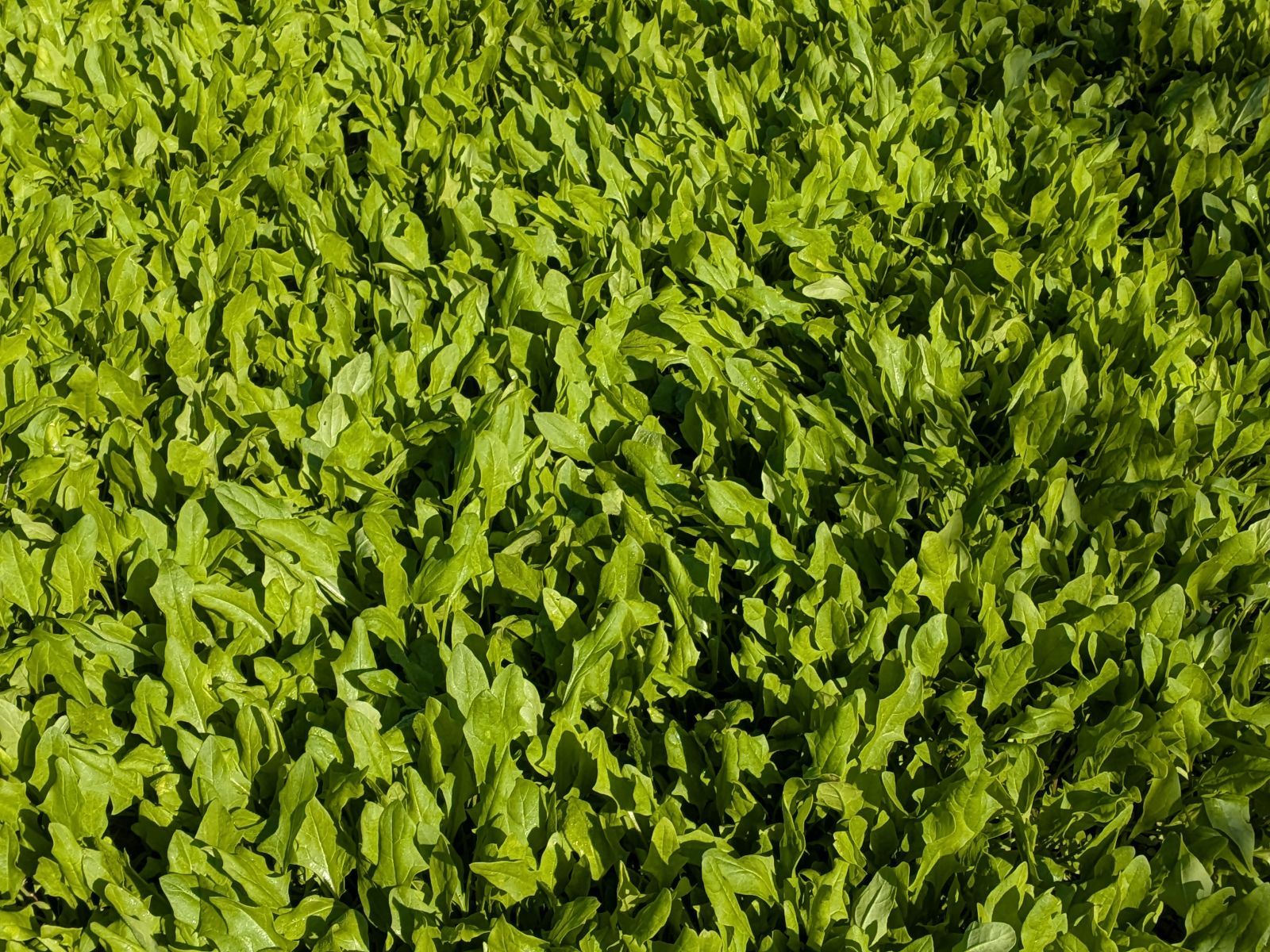
Photo: Ashok Ayer / Pexels
Spinach is not a difficult plant. It is a mistimed one. Nearly every spinach failure, the bitter leaves, the sudden flower stalk, the patch that went from promising to inedible in a hot week, is a calendar failure, because spinach is built to grow fast in cool weather and to bolt, meaning flower and go bitter, when days lengthen toward about 14 hours and heat arrives. Grow it inside its cool windows and it is one of the most generous greens in the garden, ready in about six weeks. Grow it on a summer schedule and no amount of care will save it. This article is therefore mostly a calendar, with a plant attached.
The figures follow the University of Georgia Cooperative Extension Circular 963, this site's standard: spinach sown a half to three quarters of an inch deep, spaced 2 inches apart in rows 18 to 36 inches apart, with 40 to 45 days from sowing to harvest. One figure differs between sources and is flagged rather than averaged: the Old Farmer's Almanac thins spinach to 3 to 4 inches apart, where the Georgia standard keeps plants at 2 inches. Close spacing suits cut and come again picking of young leaves; wider spacing suits harvesting whole plants. The Plant Spacing Planner on this page uses the site's Georgia standard.
Interactive tool
Plant Spacing Planner: The Spinach Patch
Spinach is in the crop list below at the University of Georgia Cooperative Extension spacing of 2 inches between plants. Enter your bed size to plan a small sowing you will actually finish before it bolts.
8 tomato plants fit this bed
4 plants per row across 2 rows, on a 24 inch grid. Extension spacing for this crop: 24 in between plants, 48 in between rows.
The grid uses the in-row spacing in both directions, the standard square foot layout for raised beds. In open ground, keep the wider row spacing in the note above so you can walk and weed between rows.
Spacing figures: University of Georgia Cooperative Extension, Circular 963, Vegetable Planting Chart, source.
The Two Windows: Count Backward From Your Frost Dates
Spinach has two seasons in most gardens, and the fall one is usually better. The spring window opens early: sow 4 to 6 weeks before your last frost date. Spinach seed germinates in cool soil, the seedlings shrug off light frosts, and the crop races to finish before the long, hot days arrive. The spring risk is a fast warming season, which can cut the harvest short; sow at the early end of the window rather than the late end.
The fall window is the connoisseur's: sow 6 to 8 weeks before your first frost date. The plants grow as days shorten and cool, which is the direction spinach loves, flavor sweetens as nights chill, and established plants in many climates overwinter under a light mulch or cover to give the earliest spring harvest of any green. If you grow spinach only once a year, grow the fall crop; it fails least and tastes best. In genuinely mild winter climates, the windows merge into one long cool season from fall through early spring, and succession sowing rules the whole of it.
Step 1: Sow Shallow, in Soil That Holds Moisture
Spinach wants rich, moisture retentive soil that drains; it is a hungry, thirsty leaf factory and poor, dry soil makes small, bitter leaves even in perfect weather. Work compost into the bed before sowing, more generously than for most crops. Sow seed a half to three quarters of an inch deep per the Georgia standard, firm the soil over the row, and keep the seedbed evenly moist until germination, which takes one to two weeks in cool soil and is slower when soil is cold. Spinach seed is famously reluctant in warm soil, which is another reason the fall sowing waits for late summer's edge rather than its peak; if you must sow into warm ground, watering the bed the evening before and sowing into the cooled soil helps.
Thin the seedlings to the spacing you have chosen, 2 inches at the Georgia standard in the planner, or 3 to 4 inches at the Almanac figure if you are growing whole plants to size, and eat the thinnings. Thinning feels wasteful and is actually the first harvest; a crowded spinach row bolts earlier and yields less than a thinned one, because the plants compete for the water and food a leaf crop burns through.
Step 2: Water Like a Leaf Crop, Feed Like One Too
Spinach is mostly water held in leaf shape, and it grows at the speed its water and nitrogen allow. Give it about 1 to 1.5 inches of water a week, evenly, and do not let the bed dry out between waterings; drought stress is a bolting trigger all by itself, separate from heat and day length. A mulch of shredded leaves or clean straw, laid once the plants are a few inches tall, holds moisture and keeps soil splashed off the leaves at picking time. Feed with compost at sowing and, in lean soil, a light nitrogen side dressing a few weeks in; leaf crops are the garden's legitimate nitrogen spenders, unlike beans and fruiting crops that sulk under it.
Watch the pests briefly: leaf miners, whose larvae tunnel pale trails inside the leaves, are the common one, answered by row cover from sowing in gardens where they are established, and by removing mined leaves. Aphids gather in warm spells, which is also when the crop is finishing anyway. Neither justifies spraying a crop you eat raw by the handful; covers, timing, and the compost bin handle both.
Step 3: Succession Sow, Small and Often
A spinach sowing is picked for a few weeks, not a season, so the steady supply comes from sowing small amounts every couple of weeks through each window, rather than one long row at its start. A two foot section of row per sowing is a household sized unit for most kitchens. Each sowing takes minutes, and the staggered ages mean that when the oldest patch bolts in a warm spell, the next is in its prime and the youngest is coming on. Succession is the difference between a gardener who had spinach once and a gardener who has spinach, and it costs nothing but the habit of carrying the seed packet to the garden every other weekend.
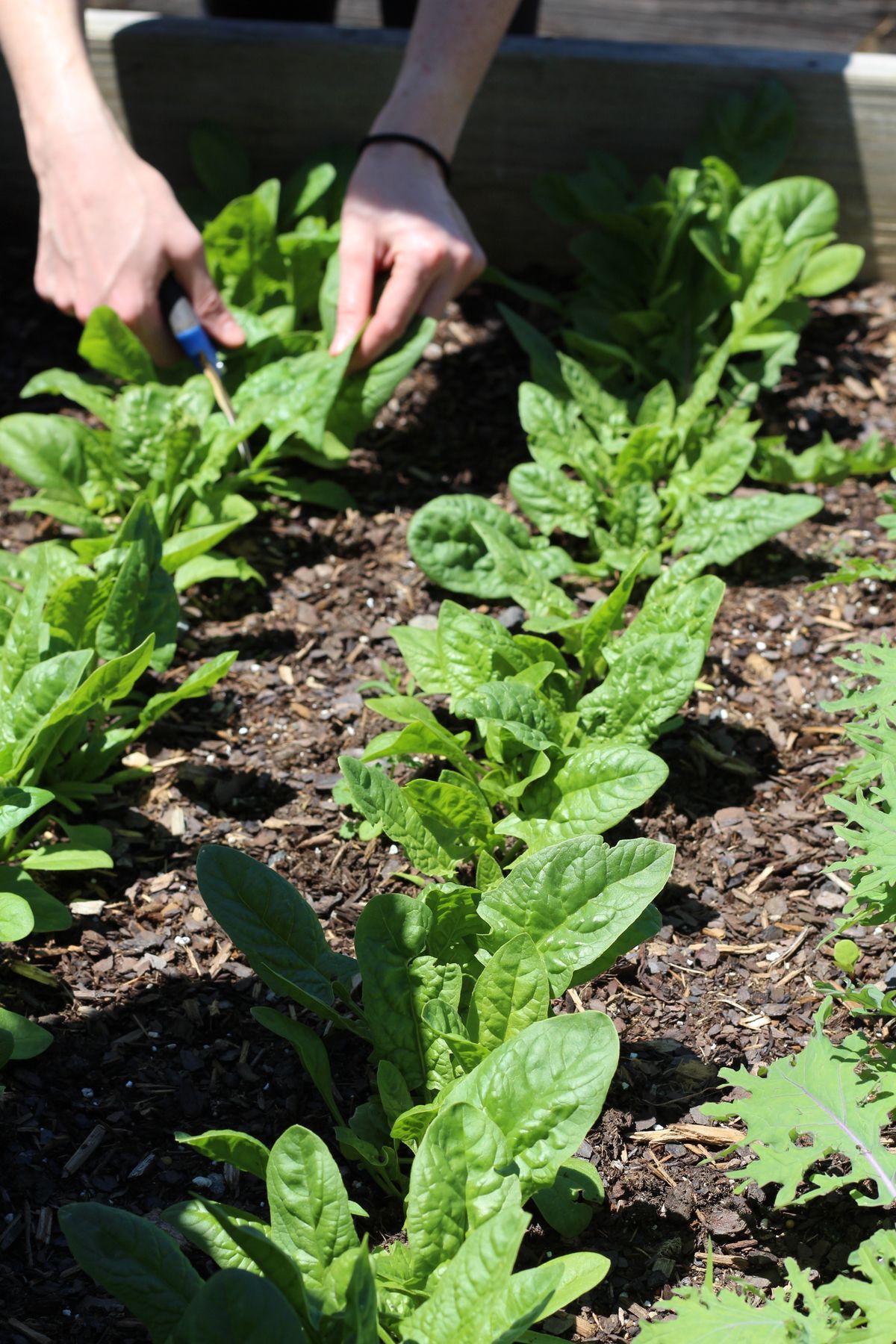
Hands harvesting fresh spinach from a garden bed
Step 4: Harvest by Leaf or by Plant, and Read the Bolt Signals
Pick spinach two ways. The cut and come again method takes the outer leaves from many plants, leaving the centers to keep growing; it suits close spacing and stretches a sowing longest. The whole plant method cuts the entire rosette at the base when it reaches size; it suits wider spacing and gives the cleanest bunches. Either way, harvest in the cool of the morning, wash in plenty of cold water, since spinach carries its sandy bed with it, and eat it soon; this is a green that declines by the day in the refrigerator.
Learn the bolt signals so they never surprise you: the center of the plant begins to elongate and point upward, the leaves turn narrower and more pointed, and the taste, if you test a leaf, goes bitter at the edges. Once the stalk rises, the plant is finished as a crop; pull it, compost it, and let the succession behind it take over. Do not blame yourself, the seed, or the weather service. Bolting is spinach keeping its own ancient calendar, and the gardener's whole skill is planting so that the harvest finishes first. In the fall window, that race runs in your favor, and a bed of spinach under the first light frosts, sweet and dark green, is the cool season garden at its best.
Choosing a Spinach Type: Savoy, Semi Savoy, and Smooth
Spinach varieties fall into three leaf families, and the choice between them is practical rather than culinary snobbery. Savoy spinach has deeply crinkled, dark, almost blistered leaves; it is the cold hardiest family, the traditional choice for fall sowing and overwintering, and the sweetest after frost. Its crinkles hold soil, so it needs the most thorough washing of the three, and gardeners who eat spinach daily sometimes tire of the grit ritual. Smooth leaf spinach has flat, plain leaves that wash clean in one rinse, which is why it is the commercial and baby spinach type; it grows fast, suits spring sowing and close spacing, and is the easiest to handle in the kitchen. Semi savoy types sit between, lightly crinkled, easier to wash than savoy, hardier than most smooth types, and the sensible beginner default when the seed rack offers all three.
Bolt resistance is the other label worth reading. Varieties bred for slower bolting stretch the spring window by a week or two and behave better in the warm edge of fall, and in the spring sowing especially, a slow bolt variety is worth more than any other trait. For the fall and overwintered crop, cold hardiness takes the priority instead. Read the packet for those two phrases, slow bolting for spring, winter hardy for fall, and the variety decision is made. Seed is cheap and the crop is fast; two packets, one chosen for each window, cost less than one failed summer attempt at growing a cool weather plant in the heat.
Spinach in Containers and Small Beds
Spinach is one of the best container greens, because its roots are shallow, its season is short, and a pot can be moved to follow the cool: into sun in the chilly spring, into afternoon shade as the season warms, and under cover when a hard frost threatens the fall crop. Use a wide, shallow container rather than a deep one, filled with potting mix enriched with compost, and sow at the same half to three quarters inch depth from the Georgia standard, scattering seed across the surface for a cut and come again patch rather than spacing rows. A container sowing is picked by the handful, outer leaves first, and resown the moment it thins, which makes the pot a small, continuous spinach machine for the whole cool season.
In small beds the same logic applies in rows: spinach earns its place in the bed's edges and in the gaps between slower crops, sown where the lettuce finished or where the warm season crops will later stand. It is in and out in its 40 to 45 days from the Georgia figures, harvested and cleared before the tomatoes need the room, which makes it the ideal tenant of borrowed space. Gardeners with one bed should think of spinach not as a crop that needs its own territory but as the cool season's filler, occupying every cool, empty corner in spring and fall, and vacating politely when the main tenants arrive. Grown that way, even a tiny garden produces spinach by the salad bowl for months, from a seed packet that cost less than one store bought bag of leaves.
Frequently Asked Questions
When should I plant spinach?
Twice a year in most gardens. In spring, sow 4 to 6 weeks before your last frost date, at the early end of the window. In fall, sow 6 to 8 weeks before your first frost date; the fall crop is usually the better one, because days are shortening and cooling in the direction spinach prefers. It needs about six weeks of cool weather to crop well.
How deep and how far apart should spinach be planted?
Sow a half to three quarters of an inch deep, per University of Georgia Cooperative Extension Circular 963, which spaces plants 2 inches apart in rows 18 to 36 inches apart, with harvest in 40 to 45 days. The Old Farmer's Almanac instead thins to 3 to 4 inches. We flag the difference rather than average it: close spacing suits leaf picking, wider spacing suits whole plants.
Why does my spinach always bolt?
Bolting is triggered by lengthening days, around 14 hours of daylight, heat, and drought stress, acting together. The fix is timing, not care: sow in the cool windows counted from your frost dates, keep the bed evenly moist at about 1 to 1.5 inches of water a week, and succession sow every couple of weeks so a younger patch is ready when an older one bolts.
Can spinach grow through winter?
In mild climates, yes, and fall sown spinach overwinters in many colder gardens too, under a light mulch or row cover, then grows away first in spring. Established plants tolerate hard frosts better than seedlings tolerate heat. The fall sowing, 6 to 8 weeks before the first frost, is the one that sets up an overwintered crop.
How do I harvest spinach so it keeps producing?
Pick the outer leaves and leave the center growing, and the plant replaces them for weeks; this cut and come again method suits close spacing. Or cut whole plants at the base when they reach size, which suits wider spacing. Harvest in the cool morning, and stop when the center begins to elongate and point up, the first sign of bolting.
Why is my spinach bitter?
Bitterness arrives with heat, drought stress, and the approach of bolting, and it also builds in older leaves on plants grown slowly in poor, dry soil. Rich soil with compost, even moisture, cool season timing, and young picking keep spinach sweet. Once a plant begins to bolt, the bitterness is permanent; compost it and rely on the next succession sowing.
Photo credits: Ashok Ayer (Pexels); Jenna Hamra (Pexels). Photos are served from this site; follow the credit to the library page for the original.