A pot of green beans is not a small piece of a bean row. It is a complete system with its own arithmetic: one plant, one vessel, a root volume that dries from every side at once, and a harvest rhythm measured in days. The published guide to green beans in a container on this site owns the shared vessels, the long planters and beds where beans grow as a stand. This page owns the individual pot, the system the exact searches for this crop actually describe: a 10 to 12 inch pot per bush plant, grow bags counted plant by plant, and pole beans climbing a teepee that stands in the pot itself. The distinction sounds fussy until the first watering: a trough forgives a missed day, and a single pot in July does not.
How to Grow Green Beans in Pots: One Plant per Pot, the Teepee at Sowing, and the Picking Cadence
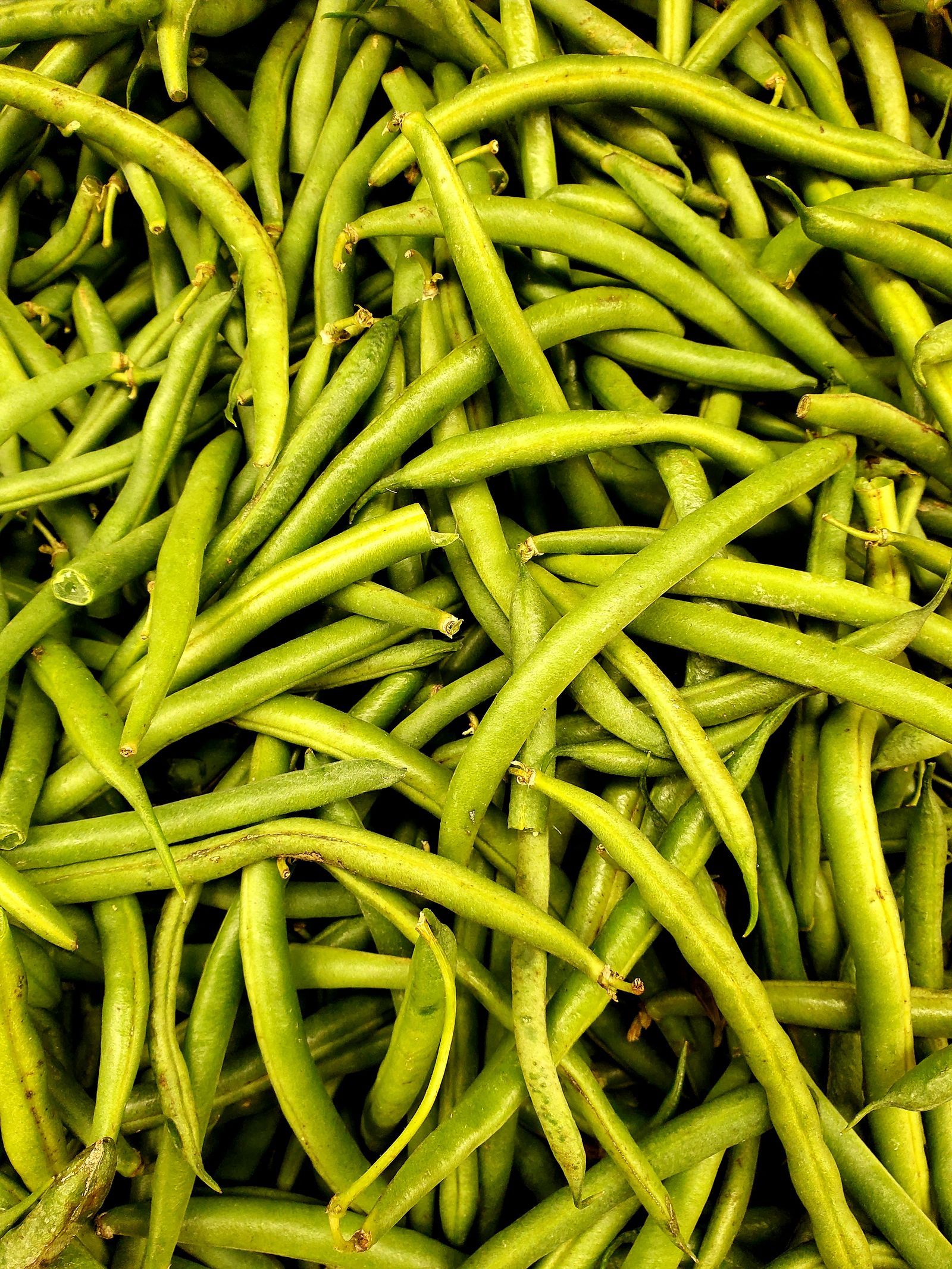
Photo: Bridgette Lynn / Pexels
Interactive tool
Green Beans in Pots Checklist
Check off each step as you finish it. Your progress stays on this page.
0 of 8 complete
0% done
The Vessel Arithmetic: Pots Counted per Plant
Start with the vessel, because every later rhythm hangs on its volume. A bush bean plant wants a pot 10 to 12 inches deep and at least as wide, roughly 3 to 5 gallons of mix, to itself. A 10 gallon grow bag stretches to 1 to 2 bush plants, no more, and the second plant is a watering commitment as much as a space decision. Pole beans invert the shape: the vessel's job is to anchor the structure and feed several vines at once, and a 10 gallon bag holds 3 to 4 pole plants around a central teepee, while a single pole plant in a 5 gallon pot with its own tripod is the tidy patio version. The minimums in the grower guidance are a floor, not a target: pots down to 9 inches wide and 9 to 10 inches deep will grow a bean plant, and will also need water twice a day in a heat wave. Depth matters more than width for the taprooted young plant, and drainage matters more than both: a pot without free drainage in a wet week is a bean failure that no spacing can fix.
Support at Sowing: The Teepee Goes in First
Pole beans climb by twining, and the structure must be standing before the vines go looking for it. Install the teepee, tripod, or trellis in the pot at sowing: three to five canes or poles, 6 to 8 feet tall, pushed deep into the mix and tied at the top, planted as part of the pot, not added to it. The two failure modes are both about timing. A support pushed in after germination spears roots and still ends up shallow and wobbly; a support offered late, after the vines have sprawled, gets climbed reluctantly and unevenly, because a twining stem that has spent a week on the ground does not restart its spiral cleanly. Sow 2 seeds at the base of each pole and thin to the strongest one per pole; the arithmetic of 3 to 4 plants per bag is one per pole, not a cluster. Bush beans need no structure, which is their entire charm in a pot, but a short ring or a few twiggy sticks keep a loaded bush plant from flopping over the pot's edge in wind.
The Single Pot Water Rhythm
A pot dries in three dimensions: the top in sun, the sides through the fabric or clay, and the bottom into hot paving. The check is therefore at the edge of the pot, not the center, and the rhythm in summer is daily water in ordinary heat and twice daily in a heat wave for the minimum sized pots. Water to drainage in the morning, deeply, so the whole volume is recharged; an evening top up in extreme heat is a rescue, not the routine. The plant reports the rhythm honestly: beans that wilt at noon and recover by evening are at the edge of their water and asking for a bigger drink or a bigger pot next time, while beans that stay wilted into the morning are a day behind and need water immediately. Mulch the pot's surface with an inch of straw or shredded bark; on a single pot it is worth a full watering a week. Grow bags dry fastest of all and reward being grouped together, side shading side, on a surface that does not bake.
Feeding a Small Volume
A pot holds no reserve, and beans, though legumes, are not the self sufficient nitrogen factories of folklore in a container: the nodules help, but a fruiting plant in 4 gallons of mix still eats. Work a balanced feed into the mix at sowing or begin a dilute liquid feed when the first flowers open, and repeat every 2 weeks while pods are setting. The signals are legible: pale, slow plants in a pot that is being watered correctly are hungry, and lush dark plants that flower without setting are overfed or under watered at the critical week. Keep the feed dilute and regular rather than strong and occasional; a small volume concentrates a strong dose exactly the way it concentrates salts, and the same logic that governs the watering, little and thorough and often, governs the feeding.
The Picking Cadence: The Harvest Is a Rhythm
Green beans are picked, not harvested once, and the cadence is the crop. Pick pods at pencil width, young and before the seeds inside them swell, every 2 to 3 days in season. The plant reads its own picking: a pod left to ripen seeds tells the plant its work is done, and flowering slows and stops; a plant picked clean keeps setting new flowers and new pods for weeks. This is doubly true in a pot, where one plant is the whole crop and its season is exactly as long as its owner's picking discipline. Pick in the morning when pods are crisp, use two hands or scissors on loaded stems so the shallow pot roots are not torn by tugging, and expect the rhythm to peak about 2 weeks after the first pick. When production fades despite clean picking, the pot season is over; pull the plant, refresh the mix, and a fast bush variety can be sown again into the same pot for a late crop where the season allows.
Bush or Pole in a Pot: The Choice
The two bean habits suit different pots and different gardeners. Bush beans are the finite crop: one sowing, a heavy flush over about 3 weeks, and done, which makes them the choice for a single pot on a balcony and for succession sowing, a fresh pot every few weeks across the season. Pole beans are the continuous crop: a slower start while the vines climb, then pods produced over months from the same plants, which makes them the choice where the pot count is one and the season is long. The vessel follows the habit: bush beans want width and their own 3 to 5 gallons, while pole beans want anchorage for the teepee and forgive a shared bag. Gardeners who pick daily should grow pole; gardeners who want a bean week and then a clear pot should grow bush.
Frequently Asked Questions
What size pot does one green bean plant need?
A bush plant wants a pot 10 to 12 inches deep and at least as wide, about 3 to 5 gallons, to itself. A 10 gallon grow bag holds 1 to 2 bush plants or 3 to 4 pole plants around a teepee. Pots down to 9 inches wide and 9 to 10 inches deep will grow a plant but demand water twice daily in heat; the minimum is a floor, and the comfortable pot is a size up.
Do pole beans in a pot need a trellis?
Yes, and it goes in at sowing. Pole beans climb by twining and need their teepee or tripod standing before the vines emerge: canes 6 to 8 feet tall, pushed deep into the pot and tied at the top, with one plant kept per pole. A support added after germination spears roots, stands shallow, and gets climbed badly, because a vine that has sprawled on the ground does not restart its spiral cleanly.
How often do green beans in pots need water?
Daily in summer heat for standard pots, and twice daily in a heat wave for small pots and grow bags. A single pot dries from its sides and base as fast as its top, so check at the edge of the pot and water deeply to drainage in the morning. An inch of mulch on the surface is worth about a watering a week. Noon wilt that recovers by evening means the rhythm is at its limit; wilt that persists into morning means water now.
How is growing beans in a pot different from a container bed?
The unit of management. In a shared container or trough, beans grow as a stand and the vessel holds a reserve of moisture that forgives a missed day. In an individual pot, each plant is its own system: its own water rhythm, its own feed, its own support in the pole case, and its own picking cadence. This page owns the individual pot system; the site's container guide owns the shared vessels.
Why did my potted beans stop producing?
Usually the picking stopped, or slowed. A bean plant that carries pods ripening into seed reads its job as finished and stops flowering. Pick every 2 to 3 days at pencil width, before the seeds swell inside the pod, and production continues for weeks. The other suspects are the pot's limits: a plant that is root bound, starved, or drying daily to wilt will also quit, and the fix is feed, water, and clean picking together.
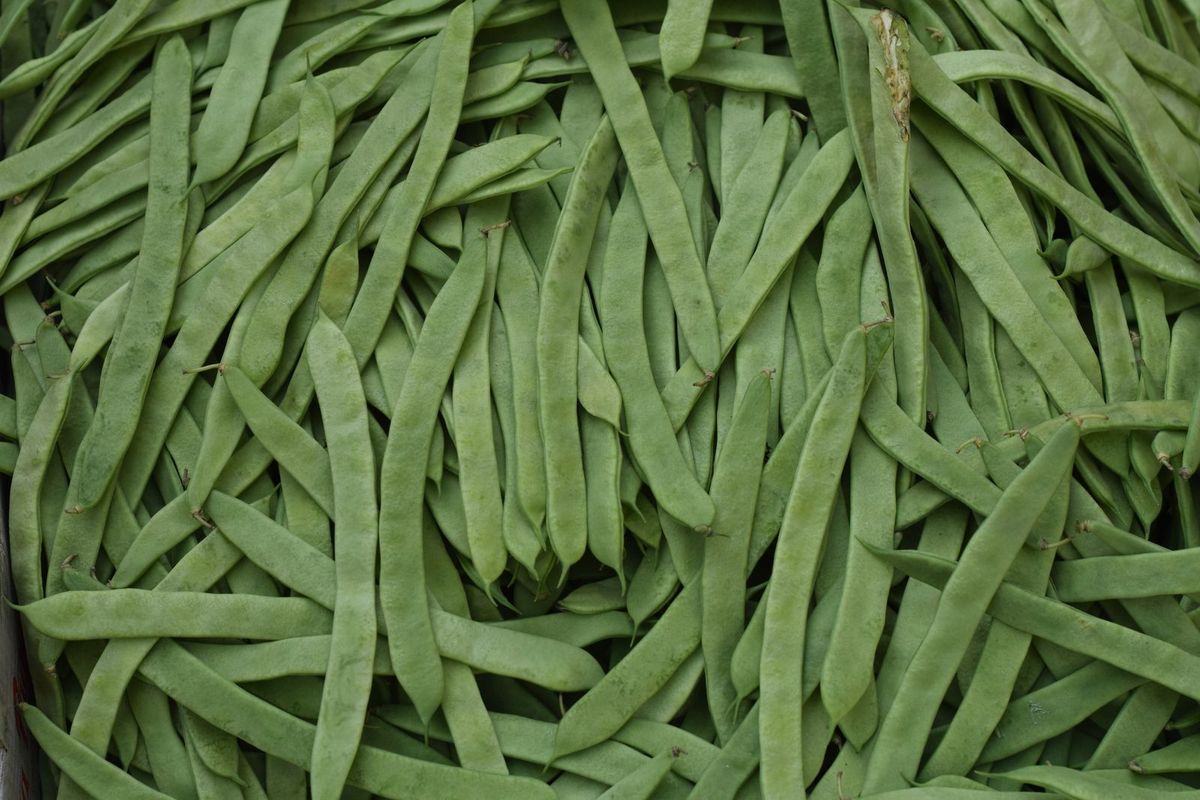
Photo credits: Bridgette Lynn (Pexels); Michael Sawyer (Pexels). Photos are served from this site; follow the credit to the library page for the original.