Parsley Plant Spacing: The 6 Inch Standard, the Wide Alternative, and the Slow Seed
By the Windchime Walker editorial team
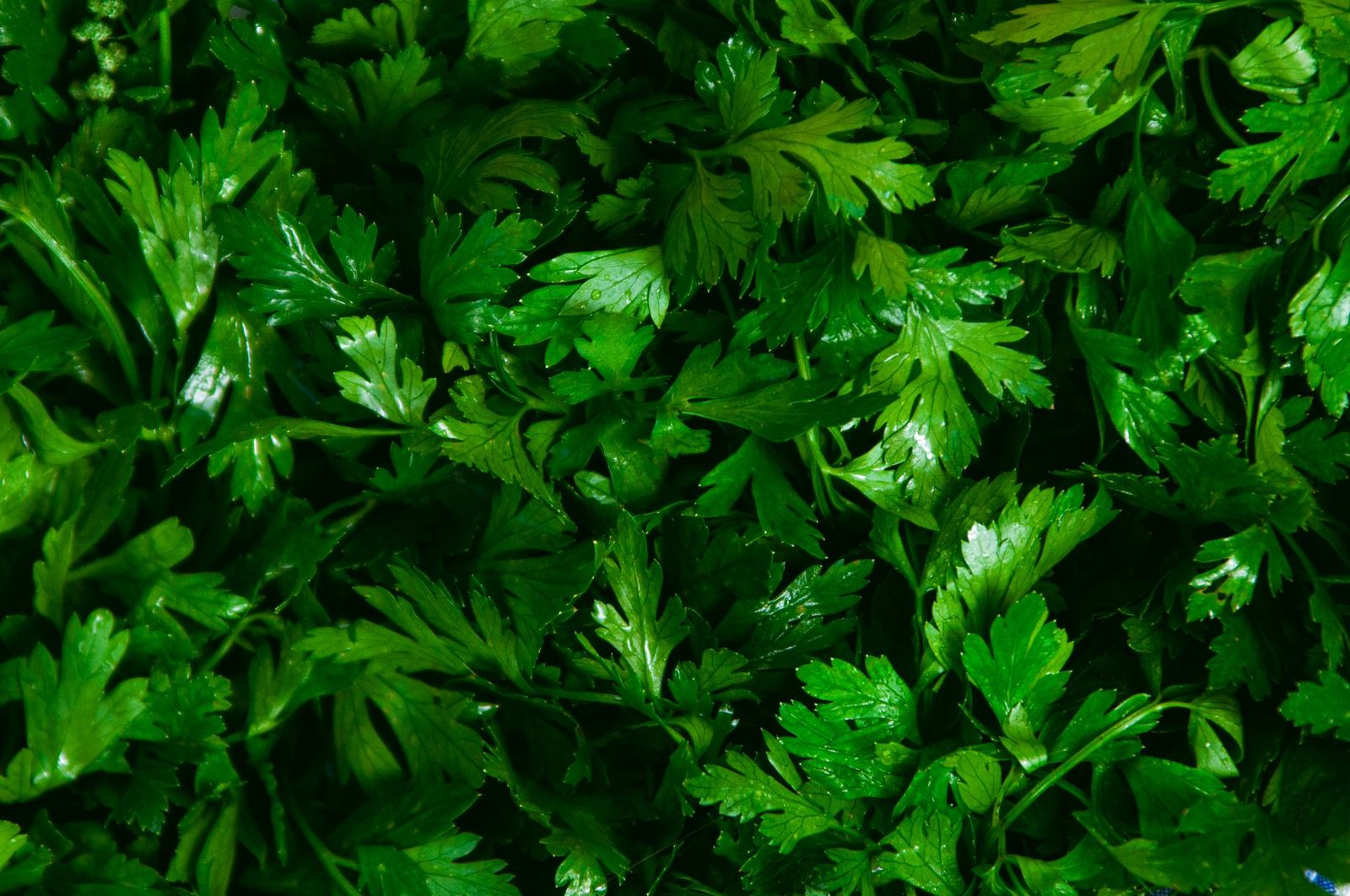
Photo: Boryslav Shoot / Pexels
Parsley spacing looks like a simple question and is secretly two questions. The first is the germination problem: parsley seed takes 14 to 28 days to emerge, the slowest start of any common herb, and most failed parsley rows failed in those weeks, before spacing ever mattered. The second is a genuine conflict in the extension sources about finish spacing, and this page teaches it as the choice it is. UF/IFAS Baker County Extension lists parsley plant spacing at 6 inches, and that is the planner standard here, in rows 12 inches apart from the University of Maryland Mid-Atlantic guide's 12 to 18 inch row range. NC State Extension sets transplants wider, at 8 to 12 inches apart. The University of Arkansas thins seedlings to 4 to 6 inches in rows 12 to 18 inches apart. Read as a ladder instead of an argument, the sources agree on the system: thin or set at 4 to 6 inches for a leaf harvest row that gets cut hard and often, and give full size plants 8 to 12 inches when you are growing for bulk. This page runs both halves: the slow seed protocol first, then the spacing verdict.
Our plant spacing chart owns the multi crop table. This page owns the parsley row.
Interactive tool
Plant Spacing Planner: The Parsley Row
Parsley is in the crop list below at the UF/IFAS plant spacing of 6 inches in rows 12 inches apart, the near end of the University of Maryland 12 to 18 inch row range. Enter your bed size and count your plants before the slow seed finally emerges.
8 tomato plants fit this bed
4 plants per row across 2 rows, on a 24 inch grid. Extension spacing for this crop: 24 in between plants, 48 in between rows.
The grid uses the in-row spacing in both directions, the standard square foot layout for raised beds. In open ground, keep the wider row spacing in the note above so you can walk and weed between rows.
Spacing figures: University of Georgia Cooperative Extension, Circular 963, Vegetable Planting Chart, source.
The Planner Standard, and the Conflict Around It
The planner above carries parsley at 6 inches between plants in rows 12 inches apart: the UF/IFAS plant spacing, with the near end of Maryland's row range. The reasoning deserves stating, because the wider NC State figure is not wrong. Six inches serves the way most home growers actually use parsley, as a cut and come again leaf row harvested a handful at a time all season, where plants are kept in check by the picking itself. Eight to 12 inches serves a different crop: full size plants grown for bulk harvest, tabbouleh by the bunch and freezer loads, where each plant needs the air and root room to reach its real size, a biennial that can stand a foot tall and nearly as wide. The Arkansas thinning figure, 4 to 6 inches, is the seedling stage of the same ladder, the spacing a sown row is thinned to before the final decision. So the verdict: start at the planner's 6 inches, and widen to 8 to 12 only for plants you intend to grow large and pick hard in bulk. What you should not do is average the sources into a number none of them printed.
The Slow Seed Protocol
Parsley seed is famously slow, 14 to 28 days in the Maryland guide's figures, and the row has to survive its own germination. Sow about a third of an inch deep, Maryland's depth, in a row you have marked unmistakably, because you will be watering a row that looks empty for up to a month and the first discipline is not giving up on it or digging it over for something faster. Keep the seedbed continuously moist, not wet, the whole time: a board, a strip of burlap, or a light mulch over the row holds moisture and comes off the day the first seedlings show. Two grower practices genuinely help and are worth the small effort. Soaking the seed in warm water for a day before sowing shortens the wait by several days. And sowing a pinch of radish seed along the row marks the line with a fast crop that is up in days, holds the row's place, and is pulled and eaten before the parsley needs the room. Transplants dodge the whole problem, which is why many growers buy seedlings; if you set transplants, the spacing verdict above applies unchanged, and you skip to the feeding section with a month already saved.
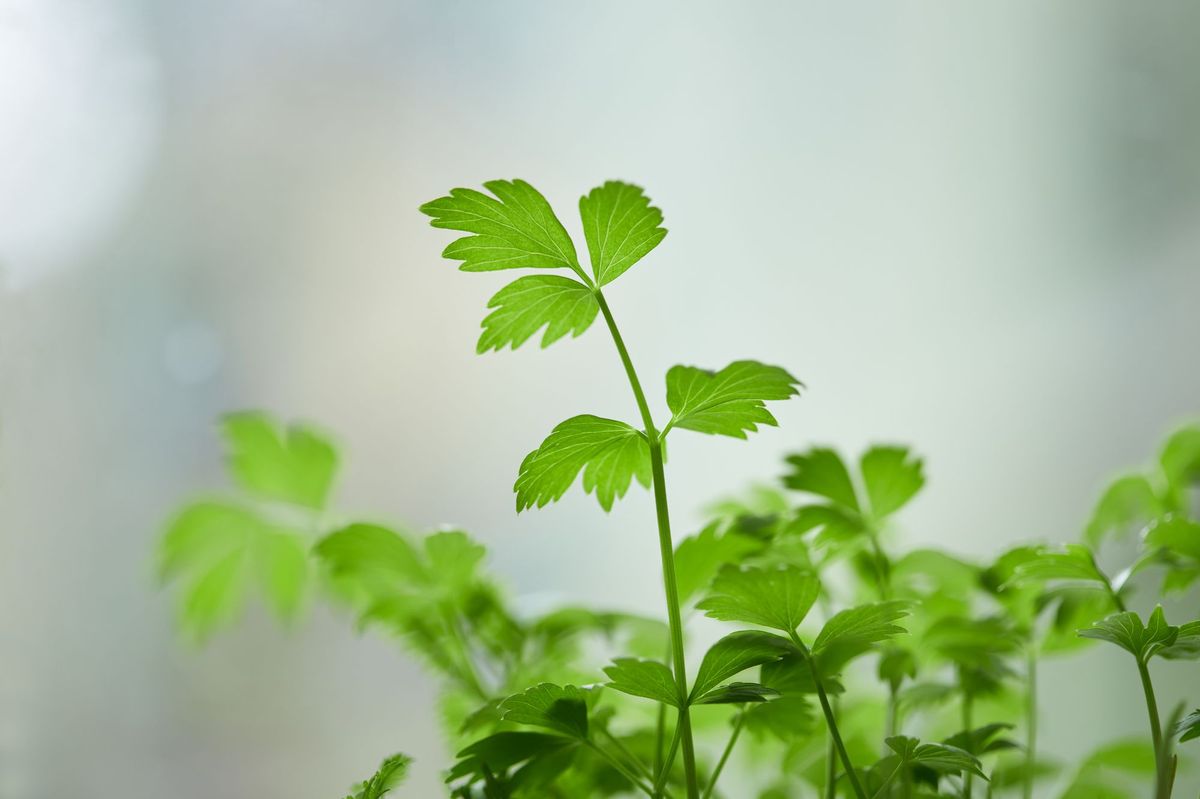
Parsley plant growing close up
The Biennial Habit, and Planning Year Two
Parsley is a biennial, and its spacing plan has a second year built in. In year one the plant is all leaf, a rosette that you harvest from spring through frost, and in cold climates it often survives winter under mulch to give the earliest spring leaves of any herb in the garden. In year two it bolts, sending up flower stalks for the pollinators and then seed, and the leaves turn bitter and scarce as it goes. The spacing implication is simple: the 6 inch row is a year one asset. Plan the succession as you would a lettuce, with a fresh sowing or fresh transplants each spring, and let one or two year two plants stand for the bees and for seed if you want it. Growers who expect a perennial patch from one sowing are disappointed by a life cycle, not by their spacing. Curly and flat leaf types run on the same numbers; flat leaf is generally the stronger flavored and the choice for bulk cooking, curly the prettier garnish and, some growers find, the hardier overwinterer. Both fill the same grid.
Feeding, Water, and the Cutting Rhythm
Parsley is a leaf crop on a long season, and it rewards steady feeding more than most herbs: compost at planting, then a balanced side dressing or liquid feed every 4 to 6 weeks through the season, because a row cut weekly is exporting nitrogen in every handful. Water evenly at about an inch a week; the plant tolerates brief dry spells once established but slows to nothing in a drought, and slow parsley in summer is parsley that never sizes up. Cut from the outside of the plant, taking whole outer stems at the base, and never strip more than a third of a plant at once; the center keeps producing, and a row at 6 inches picked this way yields continuously. The pest list is short and charming: black swallowtail caterpillars, green with black bands, treat parsley as a host plant, and the experienced grower's move is to plant extra and share, since the row at full spacing can fund both the kitchen and the butterflies. Sow deep enough, wait the full month, thin to the ladder, and plant again next spring: that is the parsley system, spacing and all.
Frequently Asked Questions
How far apart should parsley be planted?
At 6 inches apart in rows 12 inches apart for a home leaf harvest row, per UF/IFAS Baker County Extension's 6 inch plant spacing and the University of Maryland's 12 to 18 inch row range; the planner on this page uses 6 and 12. For full size plants grown for bulk harvest, widen to the NC State transplant spacing of 8 to 12 inches. Sown rows are thinned progressively, with Arkansas guidance putting the seedling thinning at 4 to 6 inches before the final spacing is set.
Why does parsley take so long to germinate?
Parsley seed is simply slow: the University of Maryland guide gives 14 to 28 days, the longest wait of any common herb, and the seed coat carries compounds that delay sprouting. The row fails when the seedbed dries or is abandoned during that month, not because the seed was dead. Keep the marked row continuously moist, cover it with a board or burlap until emergence, and consider soaking seed in warm water for a day before sowing, which shortens the wait. Radish sown along the row marks it and is eaten before the parsley needs the space.
Should I grow parsley from seed or transplants?
Transplants, if your goal is leaves this season with the least risk: they skip the 14 to 28 day germination window entirely and go straight to the spacing on this page. Seed, if you want many plants cheaply, a specific variety, or the satisfaction of the slow row done well. Many growers do both, buying transplants for the spring row and sowing seed in late summer for an overwintering row that gives the earliest leaves the following spring. The spacing verdict is the same either way.
Is parsley a perennial?
No, it is a biennial. Year one is all leaf, the harvest year, and the plant often survives winter in cold climates under mulch to give early spring leaves. In year two it bolts, flowers, sets seed, and declines, with the leaves turning bitter as the flower stalk rises. Plan on a fresh sowing or fresh transplants each spring rather than a permanent patch, and let a year two plant or two stand for pollinators and seed if you like. The disappointment people report with parsley is almost always this life cycle arriving unannounced.
How do I harvest parsley without killing the plant?
Cut whole outer stems at the base of the plant, working around the outside, and never take more than about a third of the plant at one picking. The growing center keeps producing new stems, and a row picked this way yields from spring to frost. Avoid snipping just the leaf tops, which leaves bare stems and slows regrowth. At the 6 inch spacing, the regular cutting is also what keeps plants in bounds; a row grown for bulk at 8 to 12 inches can be cut harder at each pass.
Photo credits: Boryslav Shoot (Pexels); Tiberiu (Pexels). Photos are served from this site; follow the credit to the library page for the original.