How to Grow Peppers for Beginners: The Mistakes Version
By the Windchime Walker editorial team
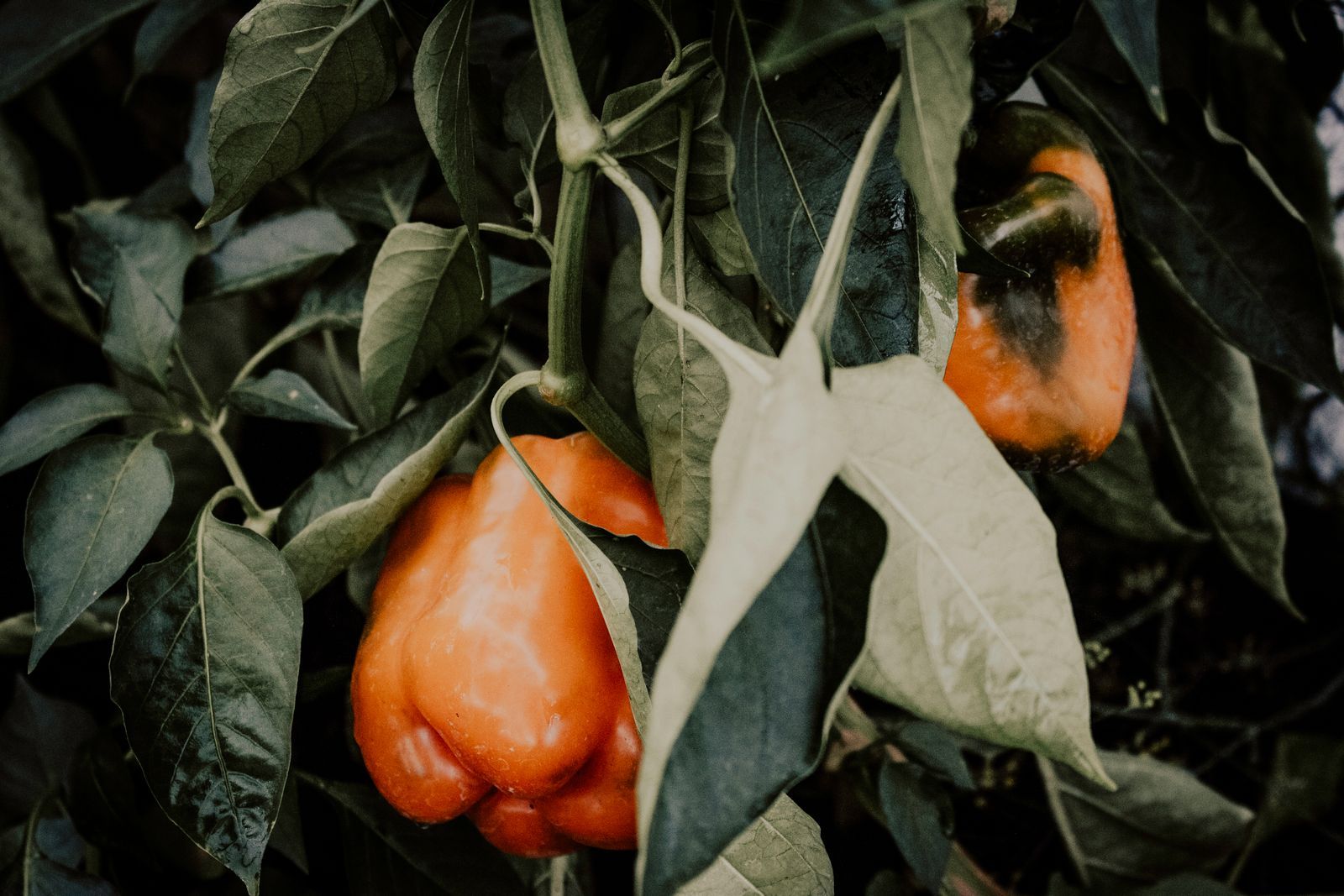
Photo: Lauren Heaton / Pexels
There are two ways to teach pepper growing. One is the method, start to finish, and this site has that guide. The other is the mistakes, and for a true beginner the mistakes version may be the better teacher, because peppers are not hard to grow so much as they are easy to grow wrong in five specific, predictable ways. Every failed first pepper plant you will ever see died of one of these five causes, or a combination. Learn to recognize them and you have learned most of what a pepper plant needs.
The encouraging truth underneath all five: peppers want to grow. They are sturdy, pest resistant, long producing plants that ask for warmth, patience, and to be left mostly alone. The beginner's job is not to do many things. It is to not do five things, and then to wait, which is the skill peppers teach better than any other vegetable.
The First Pepper Season Checklist on this page is the mistakes list turned into a calendar: what to do at sowing, at transplant, and through the season, in the order the mistakes would otherwise happen. Tick it as you go and your first pepper season is very likely to end with a plant still producing in September.
Interactive tool
First Pepper Season Checklist
Check off each step as you finish it. Your progress stays on this page.
0 of 7 complete
0% done
Mistake 1: Planting Too Early, the Champion of Pepper Failures
More beginner peppers die of spring enthusiasm than of every pest and disease combined. The scenario is always the same: a warm weekend in early spring, a garden center full of pepper plants, and a beginner who plants them out while nights still fall into the forties. Peppers are tropical plants. Cold does not always kill them outright; it stuns them. A pepper that meets cold soil and cold nights stops growing, sometimes for weeks, turns a little purple, and sits there while the season's clock runs. A plant set out three weeks later, into warm soil, passes it by July.
The rule is temperature, not the calendar. Peppers transplant about 2 weeks after your last spring frost, per North Dakota State University Extension H1139, when soil has warmed to at least 65 degrees and ideally 70, and nights are settling above about 50. If you bought plants early because the store had them, you have not made the mistake yet; the mistake is planting them. Keep them in their pots on a sunny sill, take them out on warm afternoons, and plant them when the nights are right. A pepper in a pot loses nothing by waiting. A pepper in cold ground loses the month.
Mistake 2: Starting Too Late, the Quiet One
The opposite error gets no sympathy because it produces no drama, just a small plant with three peppers in September. Peppers are slow. Seed starts indoors about 8 weeks before the last spring frost, per NDSU H1139, germinates best at 80 to 85 degrees, which is warmer than most rooms, and even then seedlings can take 10 to 21 days to emerge. A beginner who sows pepper seed in April for a May transplant has not started peppers; they have started a houseplant.
If you are reading this in spring with no seedlings started, the correct move is not late sowing. It is buying transplants, cheerfully and without shame, from a garden center when planting time comes. Transplants are how most successful first pepper seasons actually happen. Then put a note in the calendar for next year: peppers start in late winter, on top of the refrigerator where it is warm, while the garden is still under snow. The plant's slowness is not a flaw in your technique. It is the plant's nature, and the calendar must bow to it.
Mistake 3: Overwatering, the Kindness That Rots Roots
Peppers like steady moisture and dry feet, and beginners reliably give them the reverse: a splash every day, soil that never dries at the surface, roots sitting in permanent damp. Pepper roots in soggy soil suffocate and rot, and the plant announces it in the most confusing way possible, by wilting. The beginner waters the wilting plant again, because wilt means thirst in every other context, and finishes it.
The correction is a rhythm, not a rescue. Water deeply, about an inch a week including rain, the garden standard, then let the top of the soil dry before watering again. Check with a finger pushed an inch or two down: moist means wait, whatever the leaves are doing at noon on a hot day. Peppers wilt a little in afternoon heat with perfectly wet roots, a temporary leaf posture to reduce water loss, and recover by evening on their own. A plant still wilted at dawn is the one that needs you, and it needs drainage and air as often as it needs water. In pots, the same lesson wears different clothes: a container pepper in summer heat may genuinely want water daily, because a pot holds so little soil. The finger test, not the calendar and not the leaf posture, decides in both places.
Mistake 4: Skipping Hardening Off, the Week That Feels Optional
A seedling raised indoors, or a transplant raised in a greenhouse, has lived in still air, soft light, and even temperatures. Moved directly into a garden, it meets wind that tears at leaves never built for it, sun several times stronger than window light, and nights colder than any room. The result is scorched white patches on leaves, stalled growth, and sometimes death, and beginners blame the variety, the soil, and the weather, everything except the missing week.
Hardening off is that week: the plant goes outside for an hour or two of shade on the first day, then a little more sun and time each day, until by the end of about seven to ten days it is spending full days in full sun and staying out overnight. It is boring, it involves carrying pots in and out, and it is the difference between a plant that starts growing the week it is planted and a plant that spends three weeks recovering from the move. Nurseries harden their stock; home seedlings need you to do it. There is no shortcut version, only shorter suffering when a cloudy week does some of the work for you.
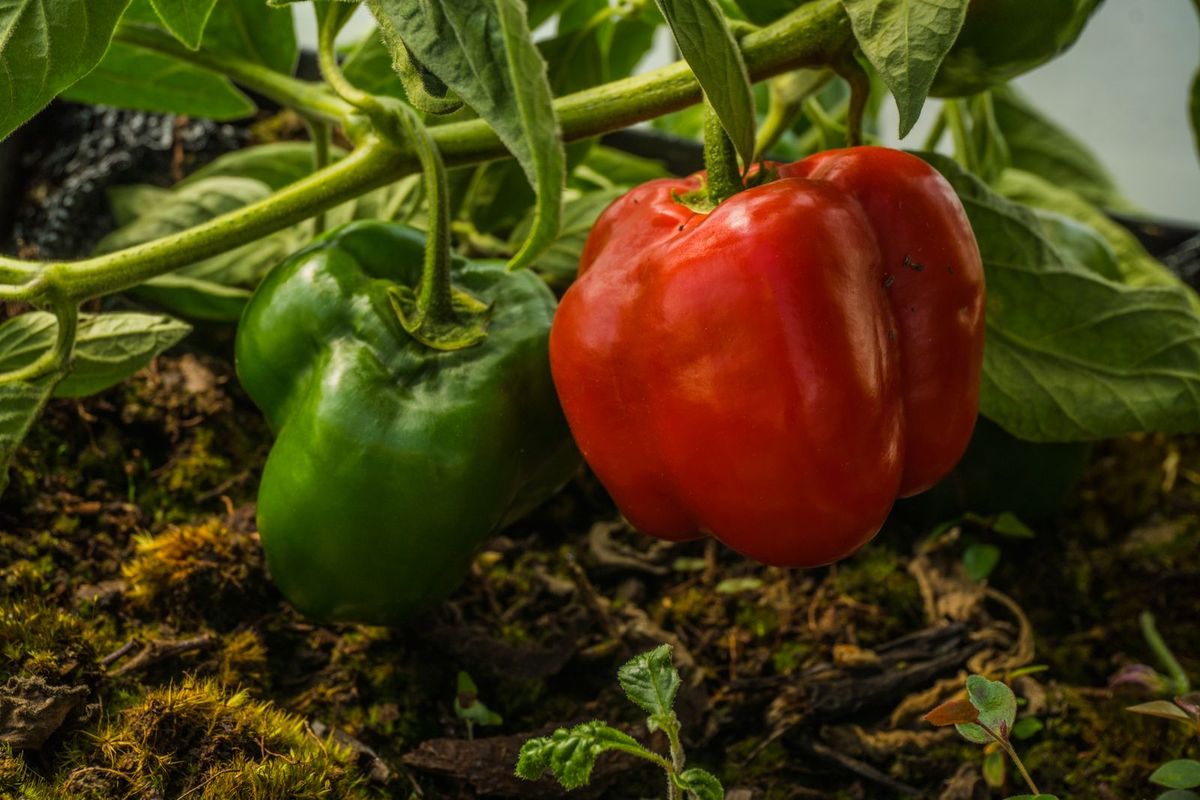
Red and green bell peppers growing on the plant
Mistake 5: Choosing the Wrong First Pepper
The seed catalog is a casino of beautiful photographs, and two traps wait in it for beginners. The first is the giant bell: the huge, blocky, four lobed bells bred for long seasons and supermarket shelves are among the slowest, most demanding peppers to ripen, and in a short or cool summer they give you a handsome plant and green fruit picked in a panic before frost. The second trap is the superhot: a habanero or hotter is a slow germinator, a slow grower, a late ripener, and a fruit whose heat most home cooks use once, in a sauce, wearing gloves, with respect.
Choose forgiving first varieties instead. Banana peppers produce early and endlessly and are nearly impossible to disappoint. Shishitos give handfuls of mild, blistering peppers from compact plants. Jalapenos are the beginner's hot pepper: sturdy, productive, honest heat. A sweet bell is a fine ambition for year two, or for year one in a genuinely long, hot summer, picked green and enjoyed on those terms. The principle generalizes beyond peppers: a first season is for varieties that forgive, because you are learning the plant and your garden at the same time, and a forgiving variety teaches. A demanding one just grades.
Your First Season, Mistake Proofed: A Small Calendar
Here is the whole guide compressed into the order of a season, so you can see how little a pepper actually asks. Late winter: sow seed indoors if you are starting your own, about 8 weeks before your last frost, on a warm surface, or write yourself permission to buy transplants and skip to spring. Spring, the fortnight after your last frost: harden the plants off for a week, check that nights are settling above 50 degrees and the soil feels warm, and transplant at 24 inch spacing into compost enriched ground. Early summer: mulch once the soil is thoroughly warm, stake any plant that looks like it will load heavily, and water deeply about once a week, by the finger test rather than the hose's habit.
Midsummer: watch the undersides of leaves on your weekly walk, hold your nerve through the first dropped blossoms in a heat wave, and resist the fertilizer bag when the plant is green and busy. Late summer: pick the first bells green at full size, or wait for color if your season is long and your patience longer, cutting fruit with scissors rather than pulling. First frost warning: harvest everything usable that day, because the plant's season ends that night. Then the final beginner task, the one that makes next year easier: write down which variety you grew, when you planted it, and how it did. A pepper season remembered on paper is worth two learned by heart and forgotten by February.
Notice what is not on the calendar: spraying schedules, feeding programs, pruning regimes. Peppers are not an intensive crop. They are a patient one, and a beginner who supplies warmth at the right moments and then mostly watches will outproduce a fiddler with a shelf of products nearly every year.
The Small Print: Spacing, Pots, and Picking
Three practical notes complete the beginner's picture. Space plants at the University of Georgia Circular 963 spacing of 24 inches, in the garden, and do not let the small size of a transplant talk you into crowding; the plant in August is a wide bush and it knew its size all along. In containers, give each plant at least a 5 gallon pot, potting mix rather than garden soil, and the sunniest spot you own. And pick peppers with scissors, leaving a short stem: pepper branches are brittle, and the satisfying tug that works on a tomato snaps a loaded pepper branch clean off, taking next month's fruit with it.
Do those things, avoid the five mistakes, and a first pepper season is not a gamble. It is a slow start, a quiet June, and then peppers every week until frost, which is exactly the deal the plant offered from the beginning.
Frequently Asked Questions
What is the biggest mistake beginners make with peppers?
Planting too early. Peppers are tropical plants that stall for weeks in cold soil and cold nights, and a plant set out about 2 weeks after the last frost, into soil warmed to at least 65 degrees, will overtake one planted a month earlier into cold ground. If you bought plants early, keep them potted indoors until nights settle above about 50 degrees.
Is it too late to start peppers from seed in spring?
For this year's garden, usually yes. Pepper seed starts about 8 weeks before the last spring frost per North Dakota State University Extension H1139, and seedlings then need weeks of growth before transplanting. The right move in spring is buying healthy transplants, which is how most good first seasons happen, and marking late winter on next year's calendar for sowing.
Why is my pepper plant wilting when the soil is wet?
Because wet soil is the problem, not the cure. Pepper roots rot in soil that never dries, and a rotting plant wilts exactly like a thirsty one. Water deeply about once a week, let the top of the soil dry between waterings, and judge by a finger in the soil rather than by the leaves. Note that a brief afternoon wilt on a hot day, with recovery by evening, is normal heat behavior.
What is hardening off and can I skip it?
Hardening off is the week of gradually increasing outdoor time that moves a seedling from indoor conditions to the garden: an hour of shade the first day, building to full days of sun and nights outside over about seven to ten days. Skipping it scorches leaves, stalls growth for weeks, and kills some plants outright. It is tedious and it is not optional.
What are the easiest peppers for a first time grower?
Banana peppers, shishitos, and jalapenos. They germinate and produce faster than the giant bells, forgive imperfect timing, and give steady harvests. Giant blocky bells are slow to ripen and demanding in short summers, and superhots like habaneros are the slowest and latest of all, plus hotter than most kitchens want. Save both for a later season.
How big a pot does a pepper plant need?
At least 5 gallons per plant, filled with potting mix, with drainage holes, in your sunniest spot. Smaller pots grow smaller plants and dry out punishingly fast in summer. A potted pepper often outproduces an in ground one in cool climates, because the pot's soil warms faster and holds heat into the evening, which is what this tropical plant wants most.
Photo credits: Lauren Heaton (Pexels); Juan Felipe Ramírez (Pexels). Photos are served from this site; follow the credit to the library page for the original.