Tomatoes are planted too early more often than any other vegetable, and it happens for an understandable reason: the plants appear in stores on the first warm weekend, big and green and full of promise, and nobody wants to be last to the harvest. But a tomato is a tropical vine with no frost tolerance and a deep dislike of cold soil, and the plant set out three weeks early into chilly ground does not get a head start. It gets a setback it may never fully repay, sitting stunted while later planted tomatoes in warm soil grow straight past it.
The fix is not a date on a national calendar. It is a gate of three checks, all run in your own garden: your frost date plus two weeks, your nighttime temperatures, and your soil warmth. This guide walks the gate, the counting that produces your indoor sowing date, the hardening off week, and the holding plan for the universal spring problem of transplants ready before the weather is.
Use the Seed Starting Date Planner on this page to do the arithmetic. Enter your average last spring frost date and pick Tomato: it counts back 6 weeks to your indoor sowing date and forward 2 weeks past frost to your transplant date, the offsets published in North Dakota State University Extension H1139. Then run the other two checks below against your actual weather before you dig a single hole.
Interactive tool
Seed Starting Date Planner: Tomato Timing
Enter your average last spring frost date and pick Tomato in the crop list. The planner counts back 6 weeks to your indoor sowing date and forward 2 weeks past frost to your transplant date, the offsets published in North Dakota State University Extension H1139.
Sow tomato indoors: Fri, March 20, 2026
Move seedlings outdoors: Fri, May 15, 2026.
Sow indoors 6 weeks before last frost; set out 2 weeks after last frost.
Week offsets: North Dakota State University Extension, H1139, garden seed starting chart, source. Frost dates are averages: in any given year the last frost can land two weeks either side of the date you type, so keep an eye on the forecast as transplant day approaches.
Check One: Last Frost, Plus Two Weeks
The first check is the calendar. Tomatoes are set out about 2 weeks after your average last spring frost date, not on it, per North Dakota State University Extension H1139. The two week buffer exists because the average frost date is exactly that, an average: in many years the last frost arrives after it, and tomatoes are among the least forgiving crops when it does. Peppers share this timing; beans and cucumbers, a little hardier in spirit, go out nearer the date itself.
Find your date from your state extension office or a regional almanac frost table, and write the transplant target, frost plus two weeks, in your garden notes as the earliest candidate, not the appointed day. The other two checks confirm or delay it. A tomato season is long, and the plant needs the season's warm heart, not its cold shoulder. Nothing about a week or two of patience in May costs you tomatoes in August; the days to maturity that govern your harvest, 65 to 90 days from transplant for most varieties per University of Maryland Extension, run from whenever the plant starts growing well, and a plant in warm soil starts immediately.
Check Two: Nights Above 50 Degrees
The second check is the forecast. Tomatoes stop growing and begin accumulating damage in cold nights, and the working threshold gardeners and extension guides use is about 50 degrees Fahrenheit: nights should be staying reliably above that mark before transplants go out. A single night in the forties will rarely kill a tomato, but it chills it, and repeated chilly nights in the first weeks check the plant's growth in ways that show up all season as a smaller, later plant.
Read the ten day forecast, not tomorrow's weather. You are looking for a pattern: nights holding in the fifties or better, with no cold snap diving toward frost. If the pattern shows a cold week coming, the plants wait, in their pots, in the holding plan below. Weather patience is a skill, and tomatoes are where beginners learn it, because tomatoes punish impatience more visibly than any other crop.
Check Three: Soil Warmed to Around 60 Degrees
The third check is underground. Tomato roots grow poorly in cold soil, and a transplant set into soil in the fifties sits in a kind of suspended animation, unable to take up nutrients properly, sometimes developing the purplish, stalled look of a plant waiting for a season that has not started. Soil around 60 degrees Fahrenheit is the working target for planting out.
A soil thermometer is inexpensive and removes all doubt, but your hand gives a fair reading: push it a few inches into the bed in the morning. Soil that feels genuinely cool but not cold, like a cellar floor rather than a refrigerator shelf, is approaching readiness, and a few sunny days move it quickly in spring. Beds against a warm wall and raised beds warm faster than open ground, which is one reason the first tomatoes of a neighborhood so often come from a raised bed against a fence. Black plastic mulch laid a week ahead can pre warm a bed for eager gardeners, but for most beginners the honest method is simpler: wait for the three checks to agree.
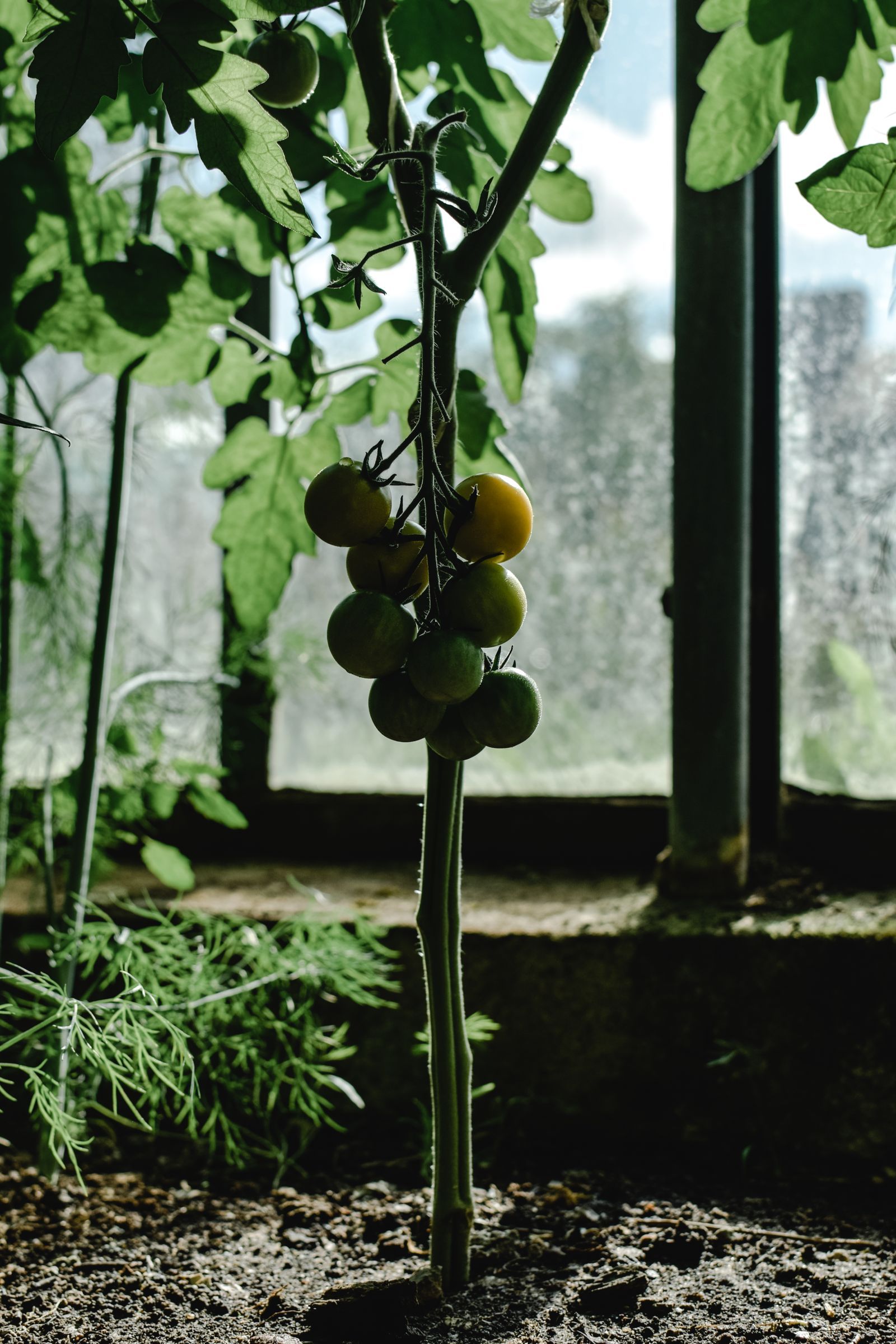
Unripe tomatoes on the vine in a garden, the reward for waiting until all three checks passed
Counting Backward: Your Indoor Sowing Date
If you start your own seed, the arithmetic runs the other way: sow indoors about 6 weeks before your last spring frost date, per NDSU H1139, which lands your transplants at a good size right when the gate opens two weeks after it. Sow much earlier and the plants outgrow their pots and your windowsill before the weather allows them out, which creates the holding problem in its worst form. Sow later and the plants are small at planting time, which is the lesser error: a small tomato in warm soil grows away fast.
Seedlings want strong light from the day they emerge, warmth, and a pot up into a larger container if their roots fill the first one before planting day. A leggy, pale seedling stretched toward a window is telling you the light is insufficient; a small grow light is the cure, and tomatoes are usually the crop that finally justifies buying one. First year growers can skip this entire section honorably by buying transplants, which is the recommendation this site makes without embarrassment.
Hardening Off: The Week Between Worlds
A transplant raised indoors or bought from a greenhouse has lived in a sheltered world: no wind, no direct midday sun, no cold nights. Moving it straight into the garden is a shock that scorches leaves and checks growth even when the three checks pass. Hardening off is the bridge, and it takes the better part of a week.
Set the plants outdoors in a sheltered, shaded spot for a few hours on the first day, then increase their time and their sun a little each day, bringing them in at night if nights are cold. By the end of the process the plants have stood a full day of sun and a night outdoors and their leaves have toughened to real weather. It feels like fussing. It is actually the difference between a plant that starts growing on planting day and one that spends its first week recovering. Store bought plants that have been displayed outdoors at the garden center may be partly hardened already; plants from an indoor display are not, and the safe assumption is that yours need the week.
The Holding Plan: Transplants Ready Before the Weather
Every spring, somewhere, a gardener stands holding a beautiful tomato plant while the forecast shows a week of cold nights. Here is the holding plan, in order of preference.
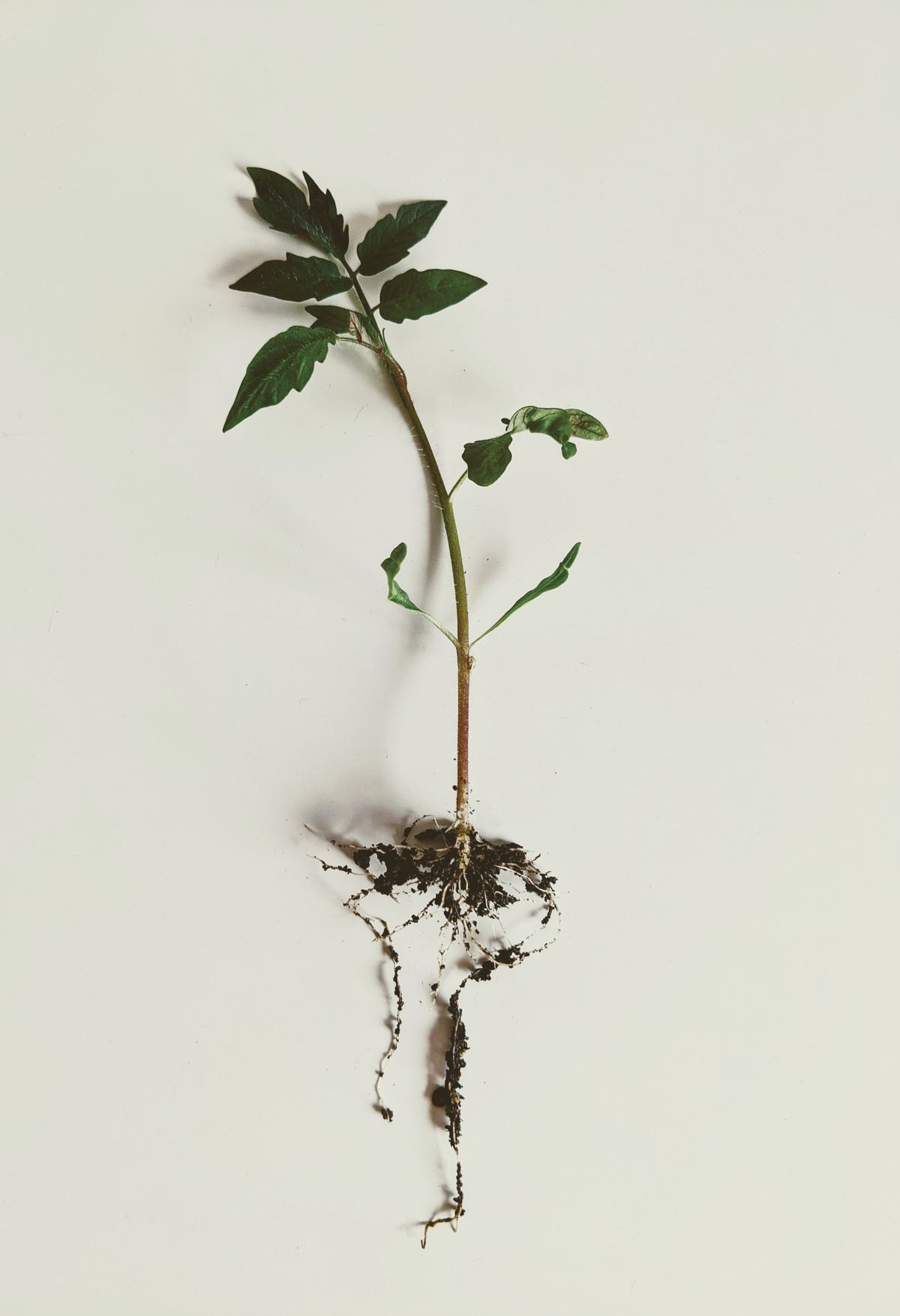
Best: pot the plant up. Move it into a larger pot with fresh potting mix, burying the stem deeper as you go, because a tomato stem roots along its buried length and a deeper pot makes a stockier plant. A tomato can be potted up more than once, and a plant held this way in a bright spot loses nothing at all; it arrives at planting day bigger and better rooted than it was. Second: hold it in a bright, cool spot, a sunny window or a sheltered place outdoors by day and in by night, watering sparingly but never letting it wilt hard. Cool and bright slows a tomato down; warm and dim stretches it into a weak spindly thing. Third: if the plant is genuinely outgrowing every pot and the gate is still a week away, plant it deep in the garden anyway only if two of the three checks pass and the forecast's cold is mild, then protect it at night with a cover. That is the gamble option, and it is listed last on purpose.
What never works is leaving the plant in its tiny store pot on a windowsill for three weeks. Root bound, starved, and leggy is how tomatoes begin their worst seasons. Pot up, and the wait becomes growth.
If a Late Frost Threatens After Planting
Sometimes the gate passes, the plants go in, and then the forecast changes its mind. Act the evening before the cold night. Water the bed well, because moist soil stores and releases more heat than dry soil. Cover each plant completely with something that reaches the ground: a bucket, a large pot, a box, or a sheet of fabric draped over the support cage, weighted at the edges, so the cover traps the soil's warmth around the plant like a small tent. Remove covers in the morning once the sun is up, because a covered plant in full sun cooks quickly. A plant protected this way survives a light frost that would kill it bare, and one night of fussing saves the season's start.
Planting Late: The June Recovery Plan
If life delays you and the tomatoes go in late, the season is recoverable. Choose faster varieties: cherry and early types carry the shortest days to maturity, at the front of that 65 to 90 day range, and a cherry planted in June still gives a long harvest. Buy the largest, healthiest transplants you can find rather than small ones, to buy back growing time. Plant deep, water faithfully, mulch once the soil is thoroughly warm, and skip any thought of catching up with extra fertilizer, which grows leaves, not time. A late tomato garden is a slightly shorter tomato garden, not a failed one, and the fall frost that ends it is the same for you as for the neighbor who planted in May.
A Worked Example: One Plant's Whole Timeline
Suppose your average last spring frost is April 25 and your first fall frost is October 15. These are example dates; yours come from your extension office, and the planner computes with your real ones. Watch the gate work. Counting back 6 weeks from April 25 puts indoor sowing in mid March. Counting forward 2 weeks puts the earliest transplant date around May 9. In the week before May 9, you harden the plants off, increasing their sun daily. On May 8 you run the checks: the calendar says go, the ten day forecast shows nights in the fifties, and your hand in the bed feels cellar cool soil, not refrigerator cold. All three pass, and the plants go in deep that evening.
Now run the same garden in a cold year. The calendar reaches May 9, but the forecast shows three nights in the low forties. Check two fails. The plants stay in their pots on the bright porch, one gets potted up because it is outgrowing its pot, and they go in on May 16 instead, into warmer soil, and grow away without a pause. The week's delay costs nothing: the first ripe fruit, 65 to 90 days from transplant, arrives in the same late July window either way, because the May 9 plants would have spent their first week sitting still in the cold. That is the gate's whole lesson, proven in one comparison: tomatoes keep their own calendar, and it starts when the warmth does.
Regional Notes: Short Seasons and Long Ones
In short season gardens, where the frost free window is brief, every part of this guide tightens: start seed exactly on the 6 week count, choose early varieties from the front of the days to maturity range, warm the bed any honest way you can, and treat the three checks as a starting gun, planting promptly when they pass because the fall frost will not wait. The holding plan matters less than speed, and a grow light earns its shelf space in a single spring.
In long season gardens, the temptation reverses: gardeners plant on the first warm weekend in a rush of spring fever and watch cold nights undo them. Your advantage is time, so use it: wait for all three checks without anxiety, succession plant a second round of tomatoes a few weeks after the first to stretch the harvest, and know that a plant set out at the perfect moment in a long season garden will outproduce an early one by midsummer. In every region the principle is identical, only the dates move: the plant does not care what month it is. It cares about frost, nights, and soil, and so should you.
Frequently Asked Questions
What is the earliest I can plant tomatoes?
About 2 weeks after your average last spring frost date, per North Dakota State University Extension H1139, and only when the other two checks agree: nights staying above about 50 degrees Fahrenheit in the forecast, and soil warmed to around 60 degrees. The Seed Starting Date Planner on this page computes the date from your frost date when you pick Tomato. Earlier planting into cold soil stalls tomatoes rather than advancing them.
Can tomatoes survive a frost after planting?
An unprotected tomato is killed or badly damaged by frost. If a late frost threatens plants already in the ground, water the bed well that day and cover each plant completely before evening with a bucket, pot, box, or fabric tent that reaches the ground, then uncover it in the morning. Moist soil and a ground reaching cover trap enough warmth to carry a plant through a light frost.
My transplants are getting too big and the weather is still cold. What do I do?
Pot them up into larger pots with potting mix, burying part of the stem as you go, since tomato stems root along their buried length and make stockier plants. Hold the potted plants in a bright, cool place, outdoors by day when it is mild and in at night if needed. A tomato potted up and held bright loses nothing; a tomato left root bound in a tiny pot on a dim windowsill becomes leggy and weak.
How do I know if my soil is warm enough for tomatoes?
Aim for soil around 60 degrees Fahrenheit. A soil thermometer gives the exact reading and is inexpensive. Without one, push your hand a few inches into the bed in the morning: soil that feels like a cool cellar floor is close, while soil that feels refrigerator cold is not ready. Raised beds and beds against a warm wall reach the mark days before open ground.
Should I harden off store bought tomato plants?
Yes, unless you are sure they were displayed outdoors. Plants raised in a greenhouse or kept on indoor displays have never met wind or full sun, and a sudden move scorches them. Give plants increasing hours outdoors over the better part of a week, starting in shade, until they have stood a full day of sun and a night outside. Then plant, and they will start growing immediately instead of recovering.
Is it too late to plant tomatoes in June?
Usually not. Choose early and cherry varieties with the shortest days to maturity, buy large healthy transplants, plant them deep, and keep water and mulch steady. Most varieties ripen 65 to 90 days after transplanting, so count forward from your planting date to your first fall frost and pick varieties that fit inside the window. A June planting is a shorter season, not a lost one.
Photo credits: Eva Bronzini (Pexels); Guzel Sadykova (Pexels). Photos are served from this site; follow the credit to the library page for the original.