Broccoli is a crop you start twice: once at the seed tray, in late winter, and once at the transplant row, in spring, and the seed half of that story is where the harvest is mostly decided. A broccoli seedling grown warm and dim is a leggy, weak stemmed plant that never quite recovers; the same seed grown cool and bright is a stocky transplant that heads up on schedule. This site's how-to-grow-broccoli owns the season from transplant onward. This page owns the weeks before it: the sowing calendar, the depth, the temperatures, and the hardening off that turns a windowsill seedling into a plant ready for the row. One honest complication belongs up front: the sowing calendar has two versions in circulation, and this page follows one of them on purpose, for a stated reason.
How to Grow Broccoli From Seed: The Indoor Calendar
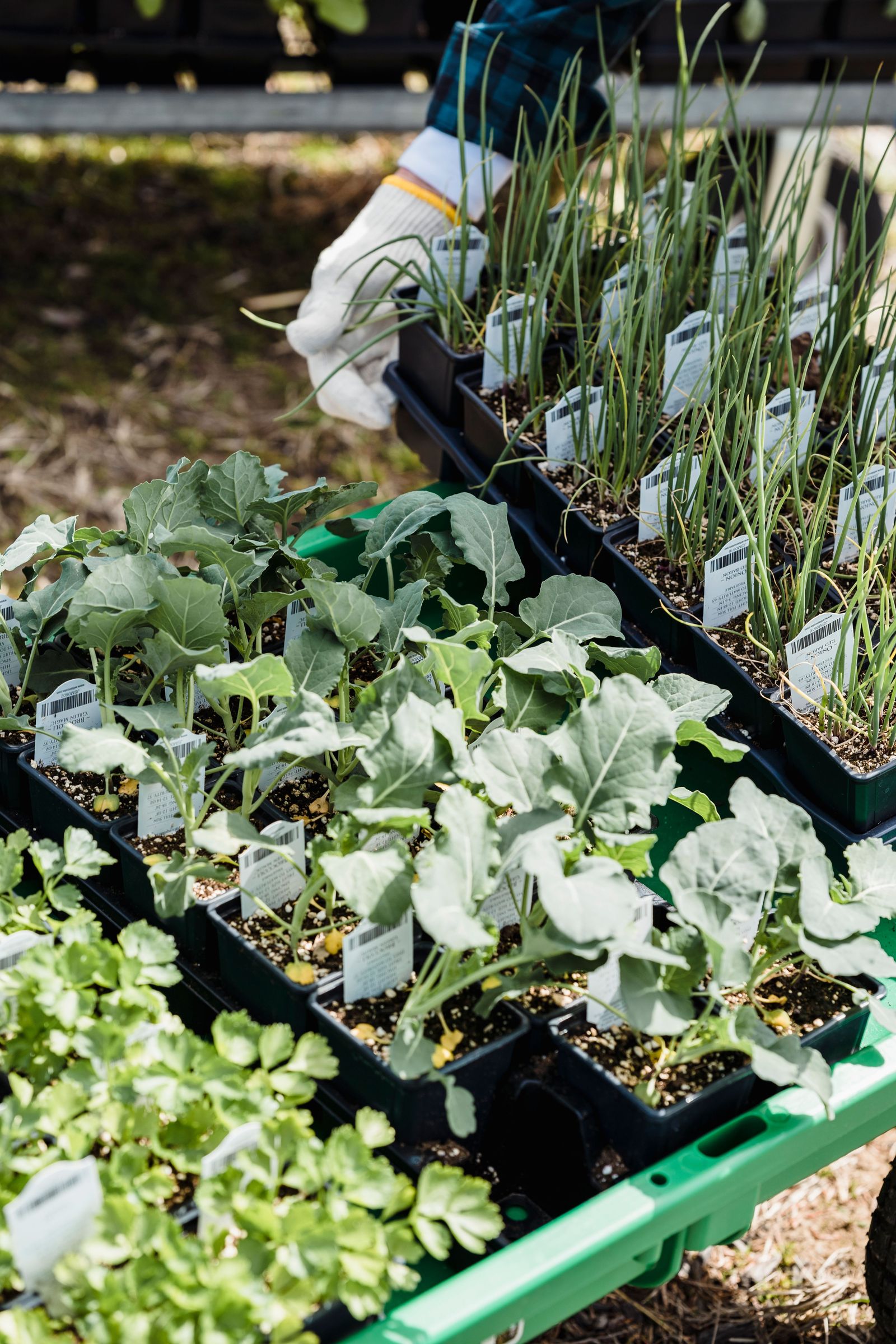
Photo: Greta Hoffman / Pexels
Seed Starting Date Planner: The Broccoli Calendar
Enter your average last spring frost date, then pick broccoli in the crop list. The planner counts back to your indoor sowing date and forward to transplant day, using the week offsets in North Dakota State University Extension H1139.
Sow tomato indoors: Fri, March 20, 2026
Move seedlings outdoors: Fri, May 15, 2026.
Sow indoors 6 weeks before last frost; set out 2 weeks after last frost.
Week offsets: North Dakota State University Extension, H1139, garden seed starting chart, source. Frost dates are averages: in any given year the last frost can land two weeks either side of the date you type, so keep an eye on the forecast as transplant day approaches.
The Calendar, and the Two Anchors
The planner above carries broccoli on the North Dakota State University Extension H1139 offsets this whole site uses: sow indoors 10 weeks before the average last spring frost, transplant out 3 weeks before it. Broccoli is cold hardy, and the NDSU schedule exploits that, putting a well grown transplant into cool spring soil early enough to head before summer heat. Many other guides say start seed 5 to 7 weeks before transplanting, with some sprawling to 9 weeks, and those guides are not wrong; they are counting from a different anchor, usually a transplant date set after the last frost rather than before it. Five to 7 weeks of indoor growth plus a post frost transplant lands the plant in the ground at roughly the same size as 10 weeks of slower, cooler growth plus a pre frost transplant, because seedlings grown cool grow slowly. What you must not do is blend the systems: sow on the NDSU date and then hold the plants indoors until after frost, and you will have overgrown, rootbound seedlings bolting in their cells. Pick the anchor, and this site picks NDSU: sow 10 weeks out, grow cool, transplant 3 weeks before last frost under the protection the hardening section describes.
Sowing: Depth, Mix, and Warmth to Germinate
Sow seed half an inch deep; the University of Minnesota Extension's range is a quarter to half an inch, and the half inch end suits home trays, where the surface dries between waterings. Use a fresh seed starting mix, not garden soil and not last year's potting mix, because broccoli seedlings are susceptible to damping off, the fungal collapse that takes a tray overnight, and fresh sterile mix plus air movement is the prevention. Sow 2 seeds per cell and thin to the strongest, or sow into individual cells from the start, because broccoli resents root disturbance less than most crops but still prefers an intact root ball. Germination wants warmth the growing plant will not: at 60 to 75 degrees the seed emerges in about 5 to 10 days, faster at the warm end. A heat mat or the top of a refrigerator gets the tray germinated; the moment green shows, the tray moves to the cool bright regime below, because warmth after emergence is how legginess starts.
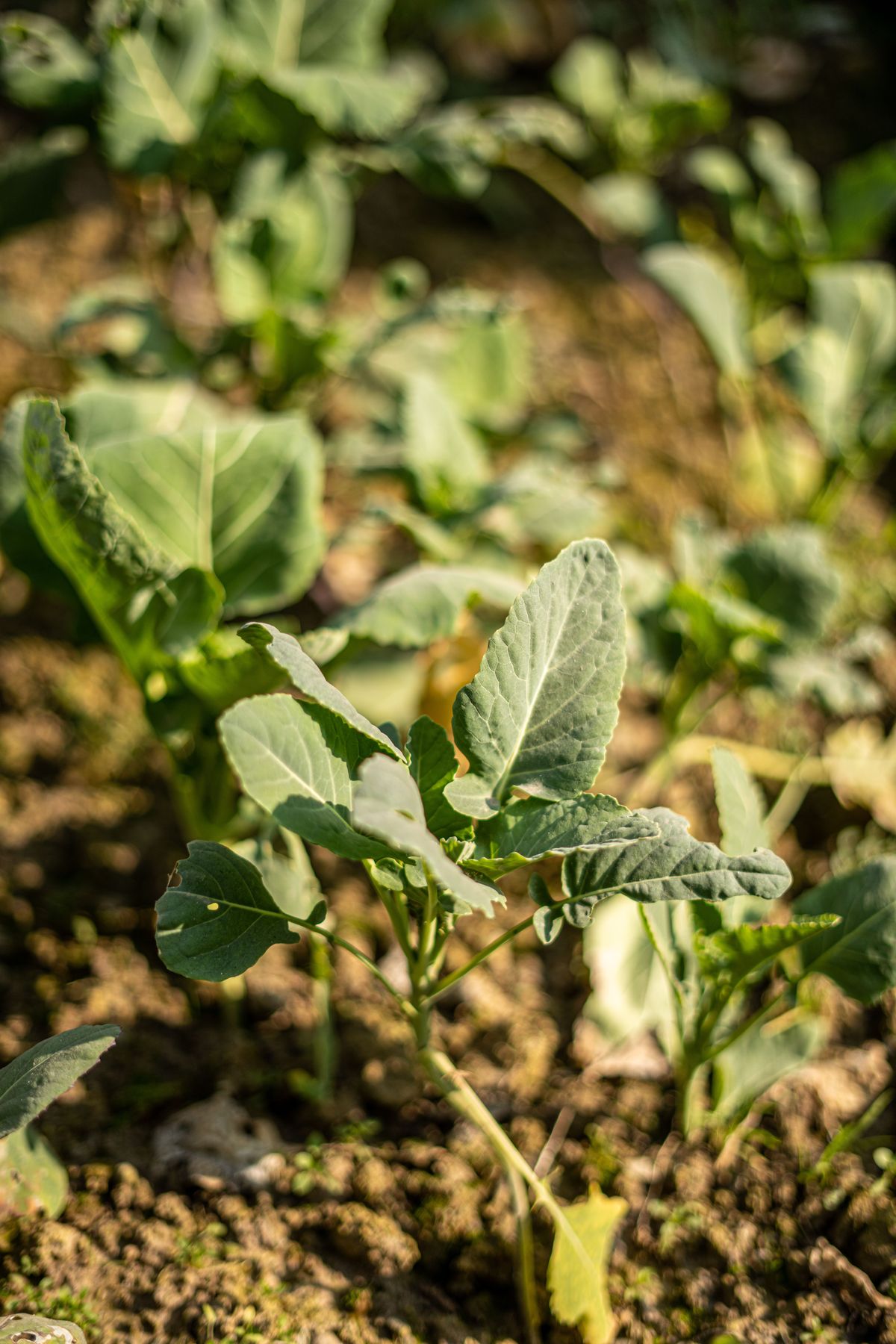
Growing On: Cool and Bright, or Leggy
The grow on is the whole craft of this crop, and it is counterintuitive: broccoli seedlings want it cool, 60 to 65 degrees in the day and cooler at night, under the brightest light you can give them. Warmth plus weak light draws the stem up into a pale, spindly thread that flops at transplanting and never builds the thick stem a heavy head requires. Put the tray in your brightest window and supplement with a simple LED or fluorescent fixture hung a few inches above the leaves if the seedlings lean; an unheated porch, a cold frame, or a cool bright room beats a warm dim kitchen every time. Water from below where you can, keep the mix moist but not saturated, and run a small fan near the trays for a few hours a day: moving air both discourages damping off and physically strengthens the stems. Feed weakly, at quarter strength, once the first true leaves are out, because a starved seedling stalls as surely as a pampered one stretches. The target at transplant time is a compact plant, 4 to 6 inches tall, with 4 to 5 true leaves and a stem you cannot bend with a fingertip push.
Hardening Off: The 7 to 10 Day Bridge
A seedling raised indoors, even in a cold frame, has never met wind, direct sun, or a cold night, and moving it straight to the row shocks it backward a week or kills it on a frosty night. Hardening off is the bridge: over 7 to 10 days, set the trays outside for increasing hours, starting with a sheltered morning and building to full days and finally nights, bringing them in only for hard freezes. The plant responds by thickening its leaf wax, slowing its growth, and learning to manage water loss, which is invisible work that decides transplant survival. Because the NDSU calendar transplants 3 weeks before the last frost, hardening is not optional decoration; it is what makes an early transplant a head start instead of a casualty. A hardened broccoli transplant shrugs off light frosts that would blacken a soft plant, and it resumes growing within days instead of sulking for a fortnight.
Transplant Day and the First Weeks
Set the plants out on a cloudy day or in the evening, at the spacing the bed guide specifies, this site carries broccoli at the University of Georgia pattern of 12 inches between plants in rows 36 inches apart, with the wider spacings other extensions publish flagged on that page. Plant at the same depth the seedling grew, water each plant in with a full drink at the base, and mulch once the soil warms. If a late hard freeze threatens in the first week, row cover or even buckets for a night protect the investment; the plants are hardy, not invincible, before their roots establish. From transplant, the Maryland Extension clock runs about 55 to 65 days to the central head, and everything the seed weeks built, the thick stem, the cool grown vigor, the hardened leaves, is what lets the plant spend those days growing a head instead of recovering from its childhood. Cut the central head with several inches of stem while the buds are tight and dark green, and the plant pays a second dividend in side shoots for weeks after.
Frequently Asked Questions
When should I start broccoli seeds indoors?
On this site's calendar, 10 weeks before your average last spring frost, with transplanting 3 weeks before it, following the North Dakota State University Extension H1139 offsets built into the planner above. Many guides say 5 to 7 weeks before transplanting; they are counting to a transplant date after the frost, while the NDSU schedule transplants before it and grows the seedlings cooler and slower. Either anchor works if you follow it whole. Do not mix them, or you will hold plants indoors until they are overgrown and rootbound.
Why are my broccoli seedlings leggy?
Warmth and low light, in combination. A seedling on a warm windowsill in late winter stretches toward weak light, building a long pale stem that will never thicken properly. Move trays to the brightest light available, hang a simple light fixture a few inches above them if they lean, and grow them cool, around 60 to 65 degrees in the day. A small fan moving air across the trays strengthens stems as well. Seedlings that are mildly leggy can be planted a little deeper at transplanting; badly stretched ones are better replaced with a fresh sowing if the calendar allows.
How deep should I plant broccoli seeds?
Half an inch deep. The University of Minnesota Extension gives a range of a quarter to half an inch, and the deeper end is the safer choice in home trays, where the surface dries between waterings and a shallow seed can dry out mid germination. Cover with fine mix, water in gently so the seed is not washed deeper or exposed, and keep the surface evenly moist until emergence, which takes about 5 to 10 days at 60 to 75 degrees.
Can I direct sow broccoli seed in the garden?
Yes, and for a fall crop it is often the better method: sow in mid summer, half an inch deep, thin to final spacing, and the plants head up as the weather cools, which is the season broccoli prefers. For the spring crop, direct sowing gives up the head start that is the whole point of the indoor calendar, and seedlings in cold spring soil grow slowly while flea beetles find them. Gardeners in long, cool spring climates can direct sow successfully; most will get earlier, more reliable heads from transplants.
How big should broccoli seedlings be at transplanting?
Four to 6 inches tall, with 4 to 5 true leaves, a thick stem that resists a gentle push, and a root ball that holds the cell's shape when you tip it out. Age matters less than condition: a compact 5 week seedling grown cool and bright will outperform a leggy 8 week one grown warm and dim. If your seedlings are ready before the transplant date, hold them cool and bright rather than warm; if they are outgrowing their cells, move them up one pot size rather than letting them go rootbound while they wait.
Photo credits: Greta Hoffman (Pexels); Iqbal farooz (Pexels). Photos are served from this site; follow the credit to the library page for the original.