A kale plant is a fountain of leaves built to run for months, and in a pot it runs best alone. The instinct to sow a big pot thick and thin to a stand misunderstands the crop: kale does not want company at pot scale, it wants volume, feed, and a harvest that takes a few leaves at a time and never touches the growing crown. The published guide to kale in containers on this site owns the shared vessels and mixed plantings. This page owns the individual pot system, which the grower guidance for this crop describes in unusually exact terms: one plant per 3 to 4 gallon pot, a size table when you insist on multiples, a feeding rhythm set by the small volume, and the outside in harvest that turns one plant into a season of greens.
How to Grow Kale in Pots: One Plant per Pot, the Size Table, and the Outside In Harvest
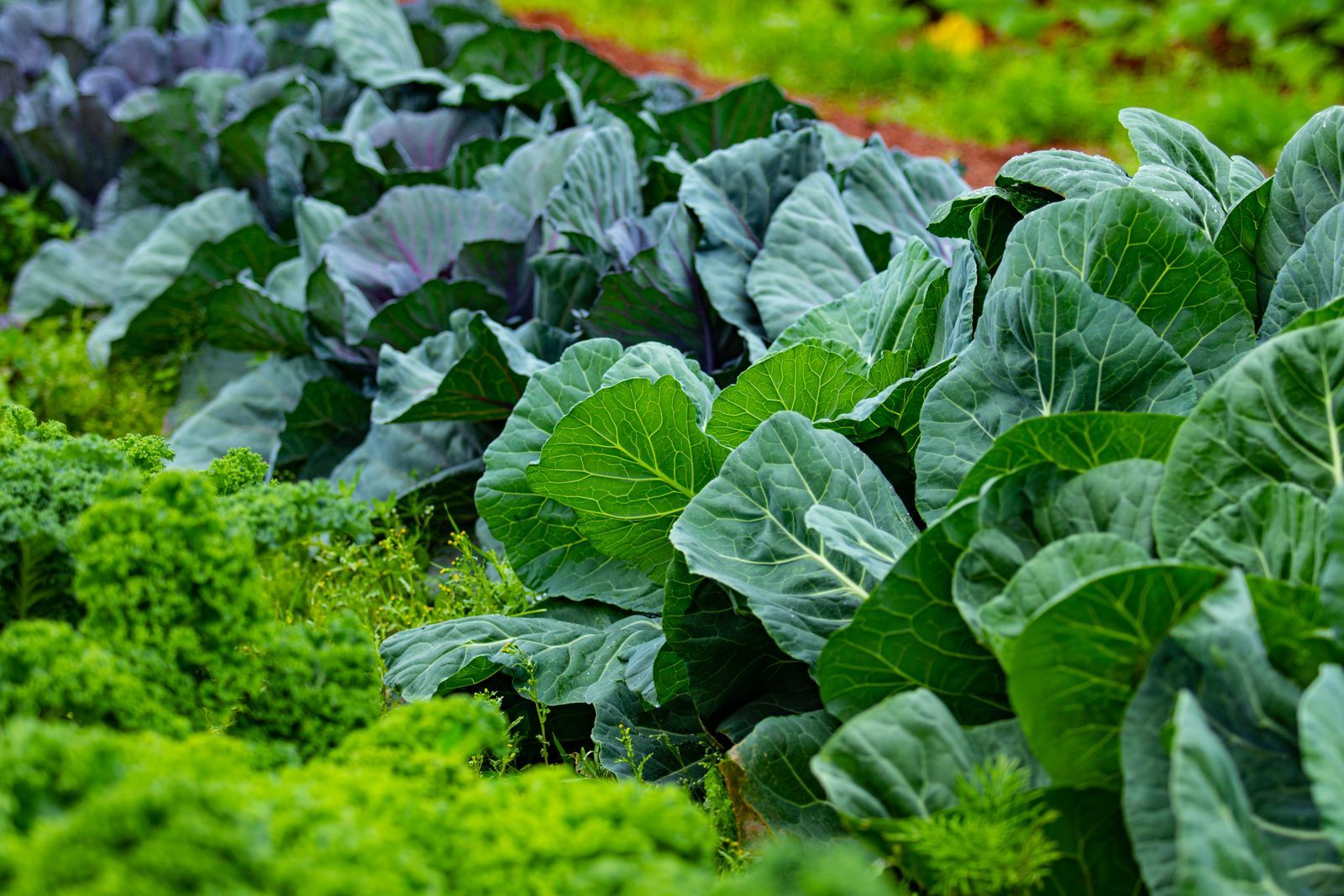
Photo: Prabahar Ravichandran / Pexels
Interactive tool
Kale in Pots Checklist
Check off each step as you finish it. Your progress stays on this page.
0 of 8 complete
0% done
One Plant, One Pot: The Core Arithmetic
Give a single kale plant a pot of 3 to 4 gallons, at least 12 inches deep and 12 inches wide. That volume sounds generous for a transplant the size of your thumb, and by midsummer it is merely adequate: a healthy curly kale builds a rosette 18 to 24 inches across with a root system that fills the pot completely, and its water and feed demands are set by that full size, not by the seedling. The one plant rule pays in the harvest's shape: a solitary plant in full sun sizes its leaves properly and replaces them steadily, while two plants in the same pot split the volume, shade each other's hearts, and together yield less than the single plant would have. Depth matters as much as width; kale anchors with a strong taprooted base and a shallow pot rocks in wind and dries in stripes. Drainage is non negotiable, as it is for every pot on this site.
The Size Table for Multiples
Sometimes the pot is a statement piece or a balcony's only vessel, and multiples are the plan. The grower guidance scales by width, and the table is worth following exactly because it is not linear: 1 plant wants 12 inches; 2 plants want 16 to 18 inches; 3 to 4 plants want 20 to 24 inches across, with depth held at 12 inches or more throughout. Read the table's lesson: the second plant costs 4 to 6 inches of width, not a doubling, because the plants share the pot's height and some of its air, but each added plant after that costs nearly as much room as the one before. Beyond 4 plants the vessel is a container bed and belongs to the site's container guide, with its own rules. In a multi plant pot, set the plants at the table's implied spacing, in a triangle or a square, never in a bunch at the center, and expect to feed and water at the hungry end of every rhythm on this page.
Sowing, Thinning, and the One Plant Decision
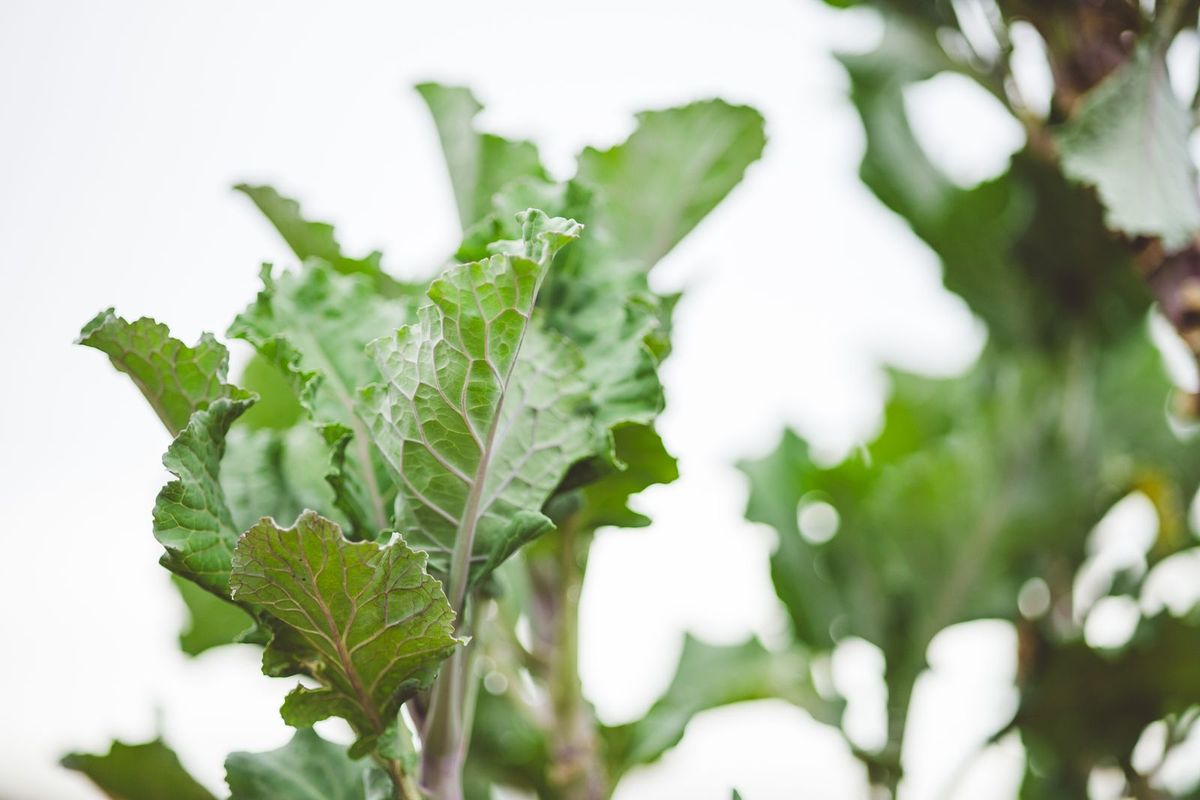
Sow kale a half inch deep, a few seeds per pot, because germination is good but not perfect, and thin to the single strongest seedling when the young plants have two true leaves. The thinning is the decision the whole system hangs on, and it should be made with scissors at soil level rather than by pulling, so the keeper's roots are never disturbed. Transplanting a nursery start follows the same arithmetic: one start per pot, set at the depth it grew, firmed and watered in. Kale can also be transplanted from a crowded sowing, since it tolerates root handling better than most greens, which makes it the forgiving crop for a grower who sowed a tray instead of a pot. Either way the destination is identical: one plant, centered, with the whole volume ahead of it. A late sowing in midsummer gives the fall and winter plant, which is kale's best self; spring sowings serve the early summer and then face the heat and the aphids.
Feeding a Heavy Feeder in a Small Volume
Kale is a hungry crop in a bed; in 4 gallons of mix it is a heavy feeder on a short leash. Start with a rich mix, container mix cut with a third compost, and then feed on a rhythm: a balanced liquid feed every 2 to 3 weeks through the growing season, because the pot holds no reserve and every watering carries nutrients out of the drainage holes. The plant reports its ledger clearly. Pale, slow growth on a plant being watered correctly is hunger, and it answers a feed within a week. Dark, lush growth that aphids colonize in armies is the overfed end, and kale's other honest signal is size itself: a plant that stalls at half the expected rosette in good light is almost always eating insufficiently, not root bound. Keep the feed dilute and regular, the same little and often logic as the watering, and the single plant will do what the system promises.
The Outside In Harvest and the Cold Dividend
Harvest kale from the outside in: take the oldest, lowest leaves first, a few at a time, snapping or cutting them at the stem, and never cut the central crown where the new leaves form. A plant harvested this way is a leaf factory with a standing order, replacing what is taken and cropping for months; a plant stripped bare or beheaded by an enthusiastic harvest is finished. Begin when the plant has ten or more true leaves and take no more than a third of the foliage at any one picking. The cold dividend is kale's famous bonus: leaves sweeten measurably after frost, as the plant loads its tissues with sugars against the cold, so the pot stays outside into winter in all but the coldest regions, cropping slowly through the short days. In hard winter climates the pot moves against a wall or under cover, more to protect the pot from freeze and thaw cracking than the plant, which is one of the hardiest vegetables in the garden. Come spring the overwintered plant bolts to seed; take the hint, harvest it out, and sow its replacement.
Aphids Find Potted Kale First
The gray cabbage aphid colonizes kale in dense, waxy colonies, and potted plants near walls and under eaves, where rain never washes the leaves, are found first. The pot is also the cure's advantage: a solitary plant can be carried to a tap and washed leaf by leaf, the colonies blasted off with a hard water jet every few days until the infestation breaks, which on one plant is a five minute job and on a bed is a campaign. Check the undersides and the crown's folds when you water, since the colonies start hidden, and treat an early colony as a watering day task rather than a pesticide decision. A plant kept fed but not forced, on this page's 2 to 3 week rhythm, grows leaves firm enough to discourage the worst of it; the soft, overfed plant is the aphid's favorite address.
Frequently Asked Questions
What size pot does one kale plant need?
Three to 4 gallons, at least 12 inches deep and 12 inches wide, for a single plant. That volume lets a curly kale build its full 18 to 24 inch rosette and root system. For multiples the size table scales by width: 2 plants need 16 to 18 inches across, and 3 to 4 plants need 20 to 24 inches, with the depth held at 12 inches or more in every case.
Can I grow several kale plants in one big pot?
Yes, within the table's limits: up to 4 plants in a pot 20 to 24 inches wide, set in a triangle or square at even spacing, never bunched at the center. Expect to water and feed at the hungry end of the rhythm, since the plants share one volume. Beyond 4 plants the vessel is really a container bed, and the site's kale in containers guide owns that system.
How often does potted kale need feeding?
Every 2 to 3 weeks with a balanced liquid feed through the growing season, on top of a rich starting mix of container mix cut with about a third compost. Kale is a heavy feeder and a pot holds no reserve; every watering washes nutrients out. Pale, slow growth in a correctly watered plant is the hunger signal, and it answers a feed within about a week.
How do you harvest kale so it keeps growing?
From the outside in. Take the oldest outer leaves a few at a time, never more than about a third of the plant at once, and never cut the central crown where new leaves form. Start when the plant carries ten or more true leaves. Harvested this way, one plant produces for months, and after frost the leaves sweeten, so the harvest continues into winter in most regions.
How is kale in a pot different from kale in containers generally?
The unit of management. In shared containers and beds, kale grows as one stand among others and the vessel's reserve smooths the water and feed. In an individual pot, one plant owns the whole volume and the whole rhythm: its own size table, its own 2 to 3 week feeding, its own outside in harvest. This page owns the single pot system; the site's container guide owns the shared vessels.
Photo credits: Prabahar Ravichandran (Pexels); Rafael Rodrigues (Pexels). Photos are served from this site; follow the credit to the library page for the original.