Broccoli is the brassica that tests container gardeners, because it is a big, hungry, cool weather plant being asked to perform in a box. The results for this question sprawl across pot sizes from 3 gallons to 7, depths from 8 inches to 16, and one plant or two per pot, and buried in that sprawl is a workable verdict this page states plainly: one plant per pot, and make the pot a genuine 5 gallon or larger, 12 to 16 inches across and comparably deep. The smaller figures are not fabrications; they are the low end where broccoli survives and heads small, and a grower who knows that can choose them with open eyes. This page is differentiated against the container library already on this site, the tomatoes, cucumbers, and peppers in pots, by the thing that makes broccoli itself: it is a cool window crop with a one shot main head and a long side shoot tail, and everything from sowing date to harvest knife follows from that. Run the checklist above as the build, and the sections below as the reasoning.
How to Grow Broccoli in Pots: One Plant, One Big Pot, and the Cool Window
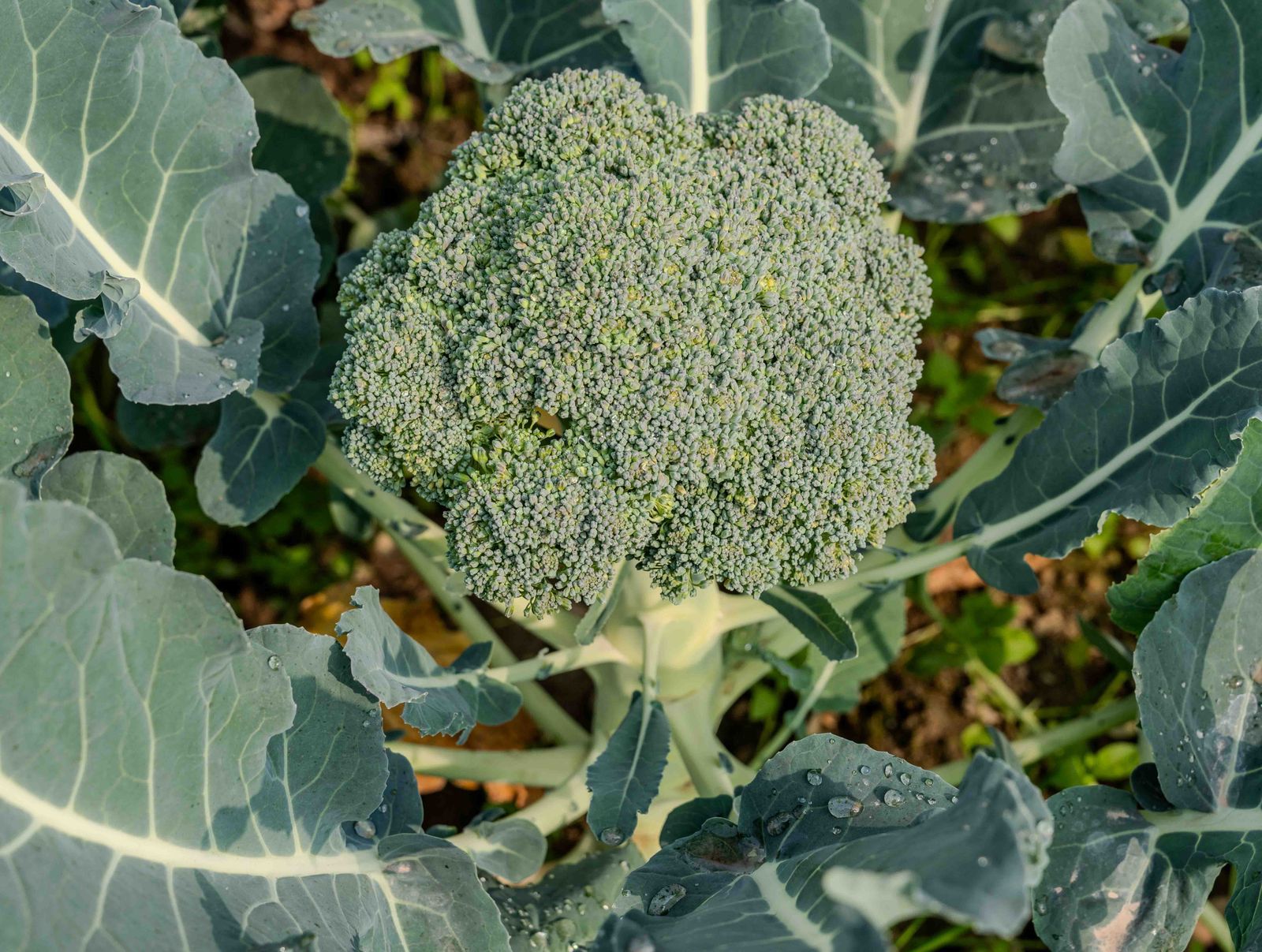
Photo: Rajesh S Balouria / Pexels
Broccoli Pot Checklist
Check off each step as you finish it. Your progress stays on this page.
0 of 8 complete
0% done
The Pot Verdict: One Plant, Five Gallons, Real Depth
A broccoli plant at full size is 18 to 30 inches of leaf spread feeding a single main head, and its root system is fibrous, wide, and thirsty. Two plants in one pot do not give two heads; they give two stunted plants competing for the same water and nitrogen, each heading smaller than a solo plant in the same volume. So: one plant per pot. On size, the honest ladder runs like this. A 3 gallon pot or an 8 to 10 inch container grows a broccoli plant, slowly, with a modest head, and needs watering attention daily in any warm spell because the volume cannot bank moisture. A 5 gallon pot, 12 to 16 inches across, is the standard this page recommends: enough volume for the root run, enough moisture bank for a day of grace, enough stability for a top heavy plant in wind. A 7 gallon or larger pot is the luxury end, buying watering interval and head size together. Depth matters as much as width; give the roots 12 inches or more of mix where you can. Whatever the size, the pot needs real drainage holes, a dark colored pot in a cool climate gains useful spring warmth, and a light colored or shaded pot in a hot climate avoids cooking the roots the plant is depending on.
The Cool Window: The Calendar Is the Crop
Broccoli heads form best at 60 to 70 degrees F, and the plant reads heat as an ending: sustained weather above about 80 degrees F pushes heads to bolt, flower, and turn bitter, while young plants stressed by cold snaps can button, forming a tiny premature head that never sizes. The potted grower's calendar therefore works backward from the window. For a spring crop, start seed indoors 6 to 8 weeks before the last frost and transplant out a few weeks before it, so the head forms in the cool of late spring. For a fall crop, the more reliable one in most climates, sow in midsummer and transplant in late summer so heading lands in the cooling fall. In mild winter climates the fall window stretches luxuriously and a winter heading crop is possible. The pot is an ally here that the bed cannot match: a container can be moved. A spring pot can chase sun in April and take afternoon shade in a June heat spike; a fall pot can be carried to shelter from an early hard frost that would finish a bedded plant's head. Grow the calendar first and the plant second, and broccoli stops being the gamble its reputation claims.
Mix, Feed, and Water: The Hungry Plant Protocol
Fill the pot with a quality peat or coir based potting mix, not garden soil, worked with a slow release balanced fertilizer at planting or a generous share of compost, because broccoli is among the heaviest feeders in the vegetable garden and a pot is a closed pantry. Through the season, feed every 2 to 3 weeks with a balanced liquid fertilizer, nitrogen forward while the plant is building its leaf frame and steady once the head begins; a potted broccoli that pales at the lower leaves mid season is hungry, not thirsty, and the two reports look similar enough to be worth distinguishing by a feed before a flood. Watering follows the pot rule this site teaches everywhere: even moisture, checked at the top inch, watered to drainage, never a wet dry swing. Broccoli under water stress heads early and small; broccoli in a swamp rots at the stem. In warm weather a 5 gallon pot will want water most days, and mulch on the surface, even in a pot, buys back a day of grace. Watch for the family's usual pests, cabbage worms above all, and pick them or cover the pot with mesh; a container plant is small enough to defend completely, which is one of its quiet advantages.
Harvest: The Tight Head, Then the Side Shoot Season
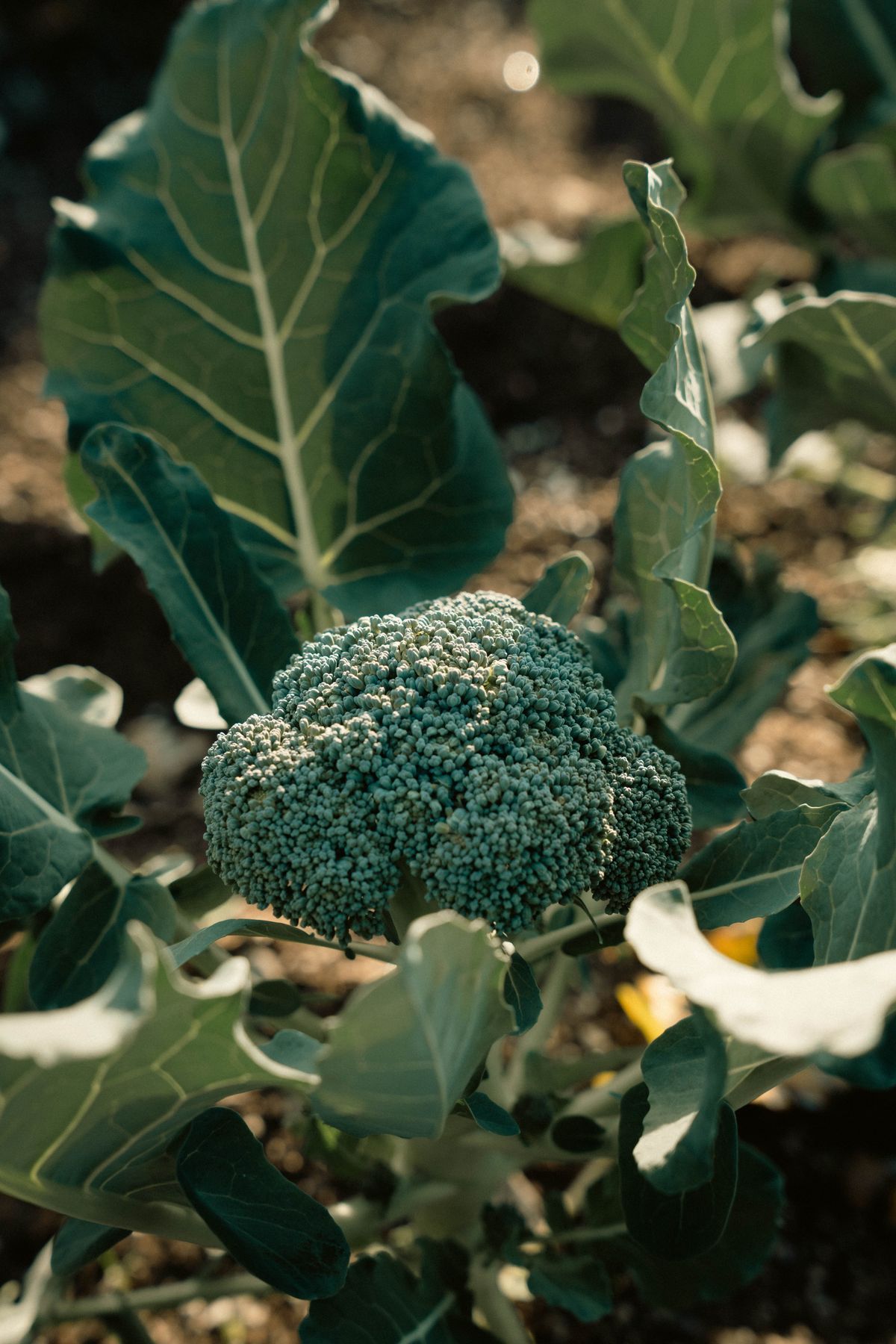
The main head is ready at 50 to 70 days from transplant, when the bud cluster is tight, firm, and blue green, with individual buds still closed and small. Cut it in the morning with 5 to 6 inches of stem, on a slant, before any yellow petal shows, because a head that has started to open declines in flavor and texture by the day. Cutting early by a day beats cutting late by a day, every time, and a head in a warming forecast should come off at the first sign of loosening. Then do not pull the plant. Broccoli answers the main harvest with a second season of side shoots, smaller heads on branching stems that a healthy, fed plant produces for weeks, and for many pot growers the side shoots collectively outweigh the main event. Keep feeding lightly, keep watering evenly, and cut shoots while they are tight. The season ends when heat makes everything bitter and flowering, or when frost finally takes the plant, which for this cold hardy brassica is later than most of the garden. One plant, one big pot, the cool window, steady feed, and a harvest taken on time: broccoli in a pot is not a stunt, it is a system.
Frequently Asked Questions
What size pot does broccoli need?
One plant per pot, in a pot of at least 5 gallons, 12 to 16 inches across and 12 inches or more deep, is the standard this page recommends. Smaller pots in the 3 gallon, 8 to 10 inch range do grow broccoli, but with smaller heads, slower growth, and near daily watering in warm weather; treat them as the low end, not the plan. A 7 gallon pot buys a longer watering interval and the largest heads. Every pot needs genuine drainage holes.
Can you grow two broccoli plants in one pot?
You can, and you will get two smaller plants instead of one good one. Broccoli is a heavy feeder with a wide root system, and two plants in a container compete for the same water and nitrogen, each heading smaller than a solo plant in the same volume. If pot count is the limit, one plant per pot in the largest pots you have beats doubled up plants in every case this page's sources support. Give each plant its own 5 gallons.
When should I plant broccoli in pots?
Time the heading for 60 to 70 degree weather. For spring, start seed indoors 6 to 8 weeks before the last frost and transplant out a few weeks before it. For the more reliable fall crop, sow in midsummer and transplant in late summer so heads form as the weather cools. Sustained heat above about 80 degrees F bolts and bitters the heads, and cold stressed young plants can button into tiny premature heads, so the calendar is the crop.
How long does broccoli take in a pot?
Fifty to 70 days from transplant to the main head, depending on variety and weather, with the head cut when the bud cluster is tight and firm and before any buds open. The season does not end there: a fed, watered plant produces side shoots for weeks afterward, and the side shoot harvest often rivals the main head in total weight. Seed to first head runs roughly 100 days in spring conditions, which is why transplants, not direct sowing, are the pot standard.
Why is my potted broccoli forming a tiny head?
That is buttoning, and it is a stress report. Young plants checked by cold, drought, hunger, or root binding form a small premature head instead of building a frame first. Prevent it by transplanting a vigorous, unf stressed seedling into the full size pot at once, keeping moisture and feed steady, and timing the crop for the cool window. A buttoned plant will not recover into a full head; harvest what it offers and let the lesson set the next sowing date.
Photo credits: Rajesh S Balouria (Pexels); James Collington (Pexels). Photos are served from this site; follow the credit to the library page for the original.