Dill Plant Spacing: The 9 Inch Row, the Thinning Moment, and the Succession Calendar
By the Windchime Walker editorial team
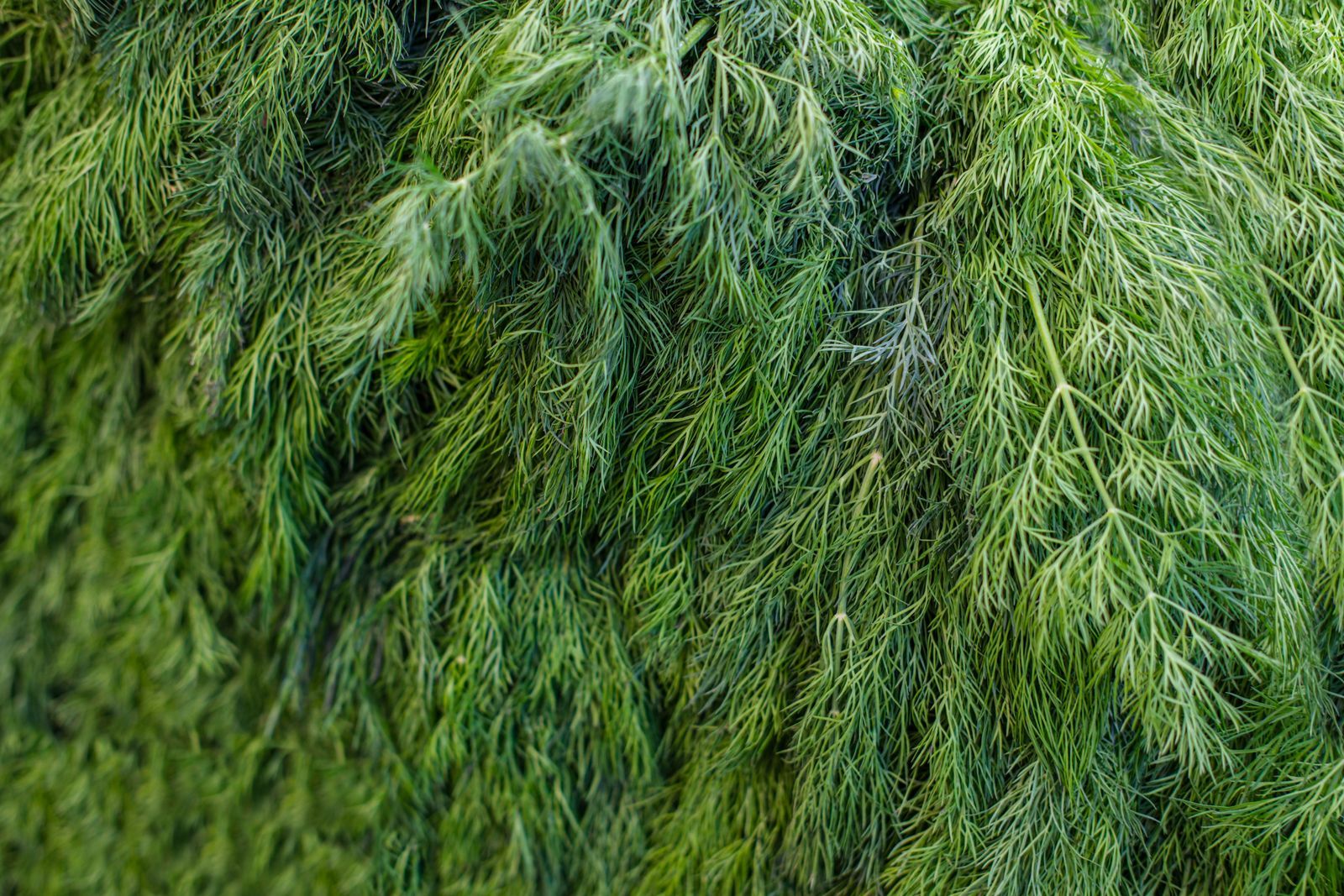
Photo: Yusuf Çelik / Pexels
Dill spacing looks like a small question and hides a real disagreement among the extension services, plus one fact that changes how the whole crop is planted. The fact first: dill grows a taproot and resents transplanting, so it is direct sown where it will grow, and the spacing decision is made with scissors at the thinning, not with a trowel at planting. The disagreement: Utah State University Extension, whose dill fact sheet was read in full for this page, thins plants to 9 inches apart in rows 12 inches apart. The University of Minnesota Extension runs wider, 10 to 12 inches between plants with rows 2 feet apart. Wisconsin guidance quoted in the results runs as tight as 3 to 6 inches. Read as a ladder rather than an argument, the sources are describing different crops: a leaf row cut young and often lives at the tight end, while plants grown to stand 3 to 4 feet tall and hold seed heads need the wide end. This page runs the Utah State standard in the planner and teaches the ladder around it.
Our plant spacing chart owns the multi crop table. This page owns the dill row.
Interactive tool
Plant Spacing Planner: The Dill Row
Dill is in the crop list below at the Utah State University Extension spacing of 9 inches between plants in rows 12 inches apart. Enter your bed size and plan the succession sowings before you thin.
8 tomato plants fit this bed
4 plants per row across 2 rows, on a 24 inch grid. Extension spacing for this crop: 24 in between plants, 48 in between rows.
The grid uses the in-row spacing in both directions, the standard square foot layout for raised beds. In open ground, keep the wider row spacing in the note above so you can walk and weed between rows.
Spacing figures: University of Georgia Cooperative Extension, Circular 963, Vegetable Planting Chart, source.
The Planner Standard, and the Ladder Around It
The planner above carries dill at 9 inches between plants in rows 12 inches apart, the Utah State figures, and for the way most home growers actually use dill that is the right center. At 9 inches a plant develops full, feathery foliage, stands without flopping into its neighbors, and gives several heavy cuttings of dill weed before it commits to flowering. The Minnesota spacing, 10 to 12 inches in rows a full 2 feet apart, is not wrong; it is the spacing for the other harvest, dill seed and pickling heads, where each plant needs the air and light to build a thick stem and a wide umbel, and where the wider rows let you walk and cut heads without snapping stems. The tight figures, 3 to 6 inches, describe a cut and come again baby leaf system harvested at a foot tall or less, where density is the point and no plant is expected to mature. So the verdict: sow the row, thin to 9 inches for the standard leaf crop, widen the plants you designate for seed toward the Minnesota figure, and never average the sources into a number none of them printed. Spacing here is a harvest decision made once, at thinning, and this page's job is to make it a deliberate one.
The Thinning Moment: Two Inches Tall, No Postponement
Dill seedlings emerge in 7 to 21 days depending on soil temperature, per Utah State, and the thinning window opens when the seedlings stand about 2 inches tall with their first true leaves. Thin then, in one decisive pass, to the 9 inch standard, snipping the extras at soil level with scissors rather than pulling them. Pulling disturbs the taproots of the keepers, and a disturbed dill sulks or bolts, which is the same reason the crop is never transplanted if it can be helped. Crowded dill left unthinned does not sort itself out politely: Utah State notes that overcrowding promotes bolting, and a row of spindly, competing seedlings races to flower at knee height with a fraction of the leaf a spaced plant gives. The thinnings are not waste; young dill snippings are tender and usable in the kitchen the day they are cut. If you sowed thickly as insurance against patchy germination, the thinning is also your germination audit: gaps longer than a foot get a pinch of fresh seed immediately, folded into the succession rhythm below, rather than left as holes the weeds will take.
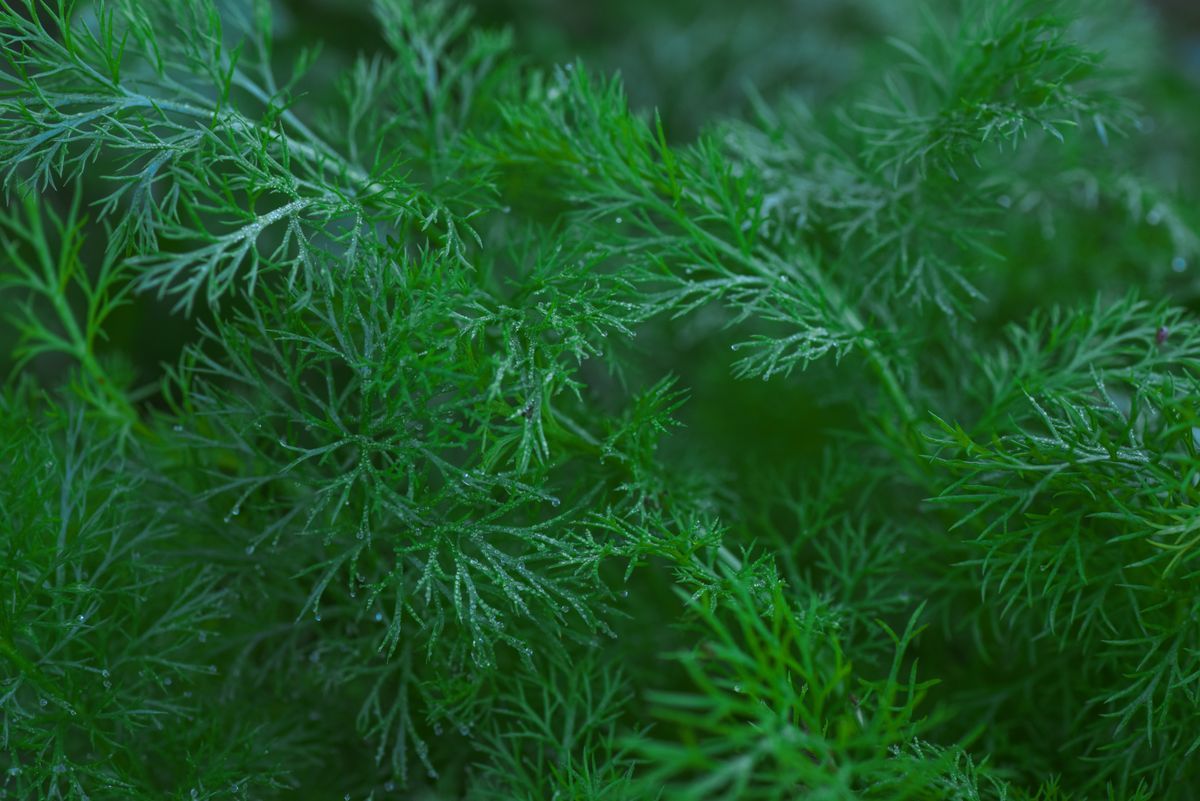
Feathery dill foliage growing in a garden row
The Succession Calendar: Spacing Is a Rhythm, Not a Row
No single sowing of dill stays in prime leaf condition for long, because the plant's whole program is to flower, and flavor peaks right as flowering starts. Utah State's answer, and the spine of this page's system, is succession: sow a short row every 4 to 6 weeks through the season, so a fresh stand is always approaching its peak as the older one bolts. The spacing implication is easy to miss. You are not planning one row at 9 inches; you are planning a repeating footprint, and a 2 to 3 foot short row per sowing, Utah State's own sufficiency figure for daily use, storage, and seed, is what most kitchens actually need. Mark the sowings, because a dill patch in midsummer contains three generations at three heights and the harvest rule differs by generation: cut the oldest hard before it sets seed everywhere, unless seed is the goal, and take leaves from the youngest freely. Let one late plant stand for seed if you want it; dill also self seeds readily, and a tolerated volunteer corner can run next year's first sowing for free, at whatever spacing it chose for itself.
Growing On: Water, Bolting, and the Caterpillar Clause
Once thinned and spaced, dill asks little. Utah State puts established dill at one or two irrigations a week, tolerant of drier soil especially after seed set, in full sun, in soil that is well drained and only moderately fertile; rich, wet treatment grows soft plants and invites the powdery mildew that overwatering brings. Heat is the bolt trigger: temperatures above about 95 degrees F push plants to flower and cut seed production, and in hot climates a late summer sowing for a fall leaf crop outperforms a spring sowing kept alive through the furnace months. The pest section of the fact sheet deserves its own paragraph because it reverses the usual instinct. Dill attracts beneficial insects in crowds, bees, lady beetles, lacewings, hoverflies, and it hosts the parsley worm, the green and black striped caterpillar that becomes a black swallowtail butterfly. The extension advice is to leave them: they take some foliage and pay for it in pollination and beauty. At 9 inch spacing a healthy plant funds both the kitchen and the caterpillars, which is one more argument for the standard over the tight end of the ladder. Harvest leaves any time after emergence, cut for seed when the heads have browned and the seeds loosen, and hang heads upside down in a paper bag to catch what falls.
Frequently Asked Questions
How far apart should dill be planted?
At 9 inches apart in rows 12 inches apart for the standard leaf crop, per Utah State University Extension; the planner on this page uses 9 and 12. Plants grown for seed heads and pickling umbels go wider, toward the University of Minnesota figure of 10 to 12 inches in rows 2 feet apart. A baby leaf system cut young can run as tight as 3 to 6 inches. Sow thickly, then thin seedlings at about 2 inches tall by snipping at soil level, never pulling, because dill's taproot resents disturbance.
Why does my dill bolt so fast?
Heat and crowding are the two triggers named in the extension guidance. Temperatures above about 95 degrees F push dill to flower, and unthinned, competing seedlings bolt early and small. Thin to the 9 inch standard on time, keep the soil evenly moist rather than swinging wet and dry, and accept the plant's program with succession sowing: a fresh short row every 4 to 6 weeks means a bolting stand is a harvest, not a failure. In hot climates, a late summer sowing for fall often outlasts a spring one.
Can dill be transplanted?
It strongly resents it. Dill grows a taproot and transplants shock it into stunting or premature bolting, which is why every extension source in the results direct sows it where it will grow. If you must start it early, sow into deep individual cells or biodegradable pots and move the whole cell without disturbing the root, accepting a slower plant. The standard system is simpler: sow in place after frost, thin with scissors, and succession sow for continuity.
How long does dill take to grow?
Seedlings emerge in 7 to 21 days depending on soil temperature, and the first leaf harvest comes at roughly 6 weeks from sowing, per Utah State. Flavor peaks as flowering begins. Seed harvest waits for the heads to brown, weeks later. Because the leaf window is short, the calendar matters more than the calendar age of any one plant: sow every 4 to 6 weeks and there is always a stand in its prime.
Does dill come back or reseed itself?
Dill is an annual: the plant dies with its seed made. But it self seeds freely if a head or two is left to ripen and drop, and a volunteer patch often appears the following spring in the same corner. Those volunteers arrive at their own spacing and can be thinned to the 9 inch standard like any sowing. Growers who want dill in the same bed every year can simply designate one plant per season as the seed parent and let it handle next year's first row.
Photo credits: Yusuf Çelik (Pexels); MAG Photography (Pexels). Photos are served from this site; follow the credit to the library page for the original.