Garlic is planted as single cloves in fall and harvested as whole bulbs the next summer, and the spacing chosen on planting day is the size decision for every bulb in the bed. A clove is a wedge of the mother bulb, and the plant it makes will fill roughly the footprint it is given: give it room and it builds a large bulb with fat cloves, crowd it and it builds a small one, politely, without complaining in any way you can see until harvest. The University of Minnesota Extension guide sets this site's standard: cloves 6 inches apart in double rows, beds 30 inches apart. This page runs the Minnesota bed in the planner, prices the tighter figures that circulate in the results, and treats depth and mulch as part of the spacing system, because on planting day they are set in the same pass. The garlic growing and planting pages on this site own the season's care; this page owns the grid. The plant-spacing-for-garlic variant folds in here.
Garlic Plant Spacing: The 6 Inch Minnesota Bed, the Tight End's Bulb Tax, and Depth as Part of the Grid
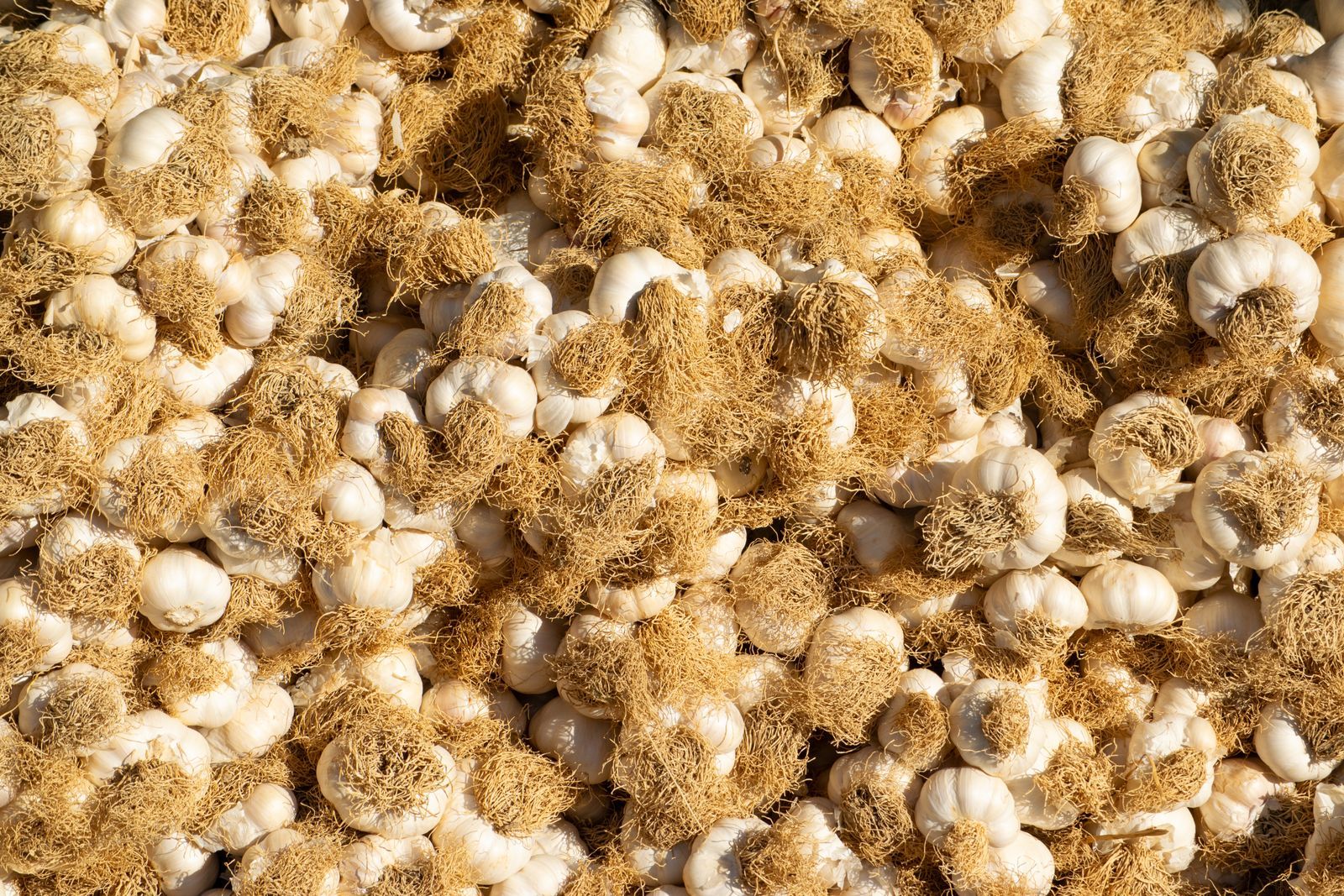
Photo: Çiğdem Bilgin / Pexels
Plant Spacing Planner: The Garlic Bed
Garlic is in the crop list below at the University of Minnesota Extension spacing of 6 inches between cloves in double rows, beds 30 inches apart. Enter your bed size and count your cloves before the fall planting day.
8 tomato plants fit this bed
4 plants per row across 2 rows, on a 24 inch grid. Extension spacing for this crop: 24 in between plants, 48 in between rows.
The grid uses the in-row spacing in both directions, the standard square foot layout for raised beds. In open ground, keep the wider row spacing in the note above so you can walk and weed between rows.
Spacing figures: University of Georgia Cooperative Extension, Circular 963, Vegetable Planting Chart, source.
The Minnesota Bed: Double Rows, 30 Inches Apart
The Minnesota geometry is a bed system, not a field row: two rows of cloves, the double row, run down a bed, with the cloves 6 inches apart within the rows, and the beds themselves set 30 inches apart so a grower can work, weed, and later dig without standing on the planting. In a home raised bed the conversion is direct: a 4 foot bed carries the double rows comfortably across its width, and the planner above counts the cloves for the bed you actually have, which matters because seed garlic is bought by the bulb and broken into cloves at planting. Six inches is the spacing at which a well fed hardneck builds a full sized bulb, 2 inches or more across, with the wrapper tight and the cloves plump. Set each clove pointed end up, root end down; an upside down clove will still grow, but it spends its first energy turning around and the bulb shows it.
The Tight End and the Bulb Tax
The results carry tighter figures, and they deserve a price tag rather than a dismissal. Utah State runs 3 to 4 inches in rows 6 to 10 inches apart, and Oregon State's guidance reaches down to 2 to 4 inches; Penn State runs the other way at 6 to 7 inches. Tight spacing is a legitimate system for a specific harvest: many small bulbs, grown almost as a green or bunching crop, or a bed where soil is rich, water is plentiful, and small bulbs are acceptable. Its tax is arithmetic: bulb diameter falls as crowding rises, because each plant's leaf area, which is its entire food factory, is capped by its neighbors. At 4 inches expect bulbs noticeably under the 6 inch standard's size; at 3 inches you are growing a different product. The wide end has a tax too, paid in bed space: at 7 inches and beyond the bulbs gain little, since a garlic plant's canopy only spreads so far. Six inches is the standard because it sits where the curves cross, full bulbs without wasted ground, and the planner holds it.
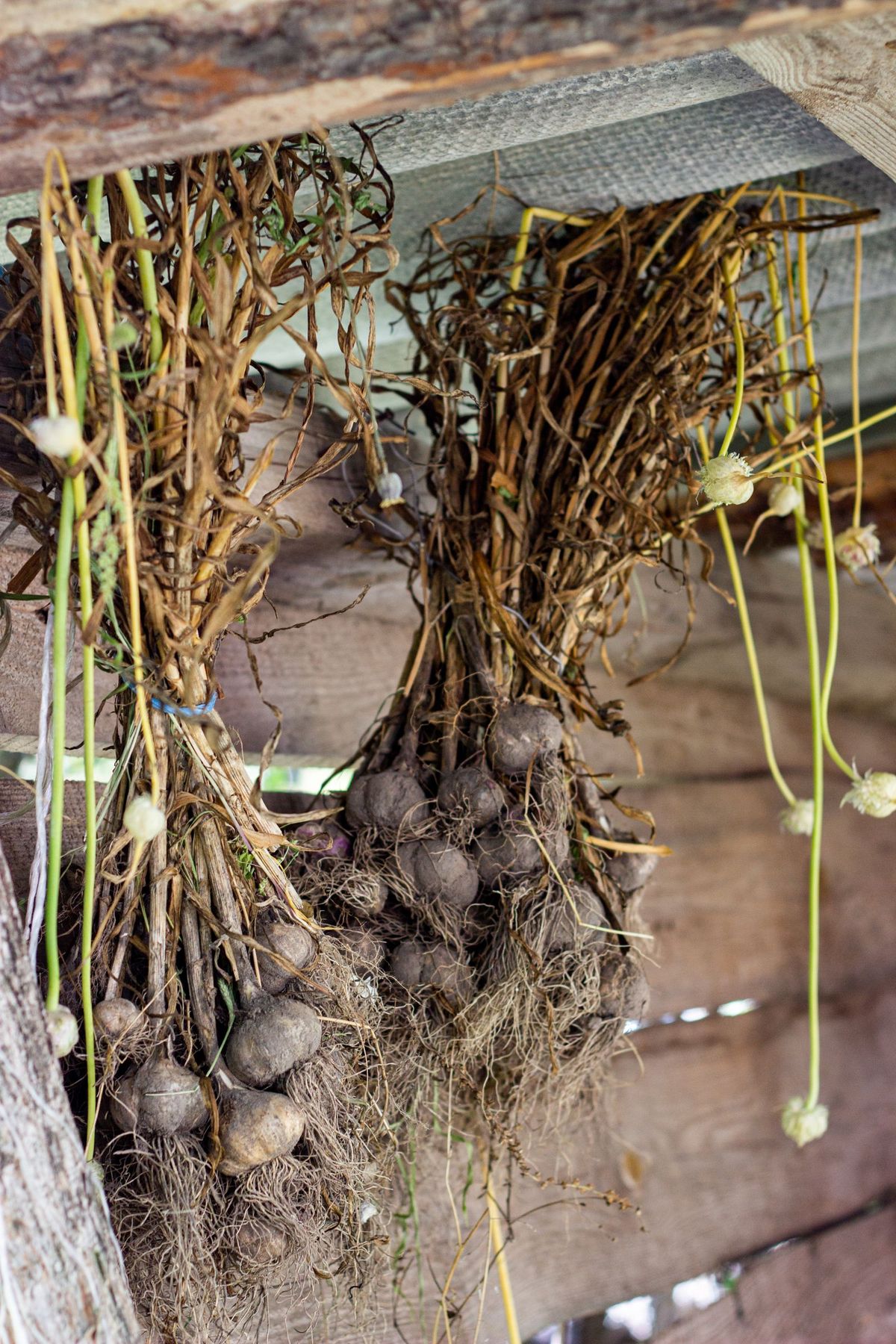
Depth and Mulch: The Other Half of the Grid
Spacing is usually quoted as two dimensions, but garlic is planted in three. Minnesota sets the base of the clove 2 to 3 inches below the surface: shallower and frost heave pushes the clove out of the soil over winter, deeper and the bulb forms with a pinched, elongated shape and emerges late. The depth is measured to the base, not the tip, a distinction that matters with a 2 inch clove. Mulch completes the system: 3 to 4 inches of straw or shredded leaves laid after planting, which holds soil temperature steady through the freeze and thaw cycles that do the heaving, and holds moisture even in spring. In mild winter regions the mulch can be lighter; in cold regions it is the difference between a bed that overwinters whole and a bed of gaps. Come spring the mulch is pulled back from the shoots as they push, then settled again between the rows. A grower who nails the 6 inch grid and skips the depth and mulch has done the easy half of the planting.
Elephant Garlic and the Softneck Note
Two variations adjust the grid without breaking it. Elephant garlic, which is a leek relative wearing garlic's clothes, grows a much larger plant and bulb and wants 6 to 10 inches between cloves; plant it at the standard 6 and the bulbs crowd each other into mediocrity, so give it the wide figure its size demands. Softneck garlic, the braiding type of mild winter regions, runs the same 6 inch standard as hardneck; its difference is calendar and storage, not geometry, and it is often planted a touch later in fall in warm climates. Variety size matters at the margin: a naturally large hardneck variety fills its 6 inches completely, while a small heritage type leaves air at the same spacing, and growers who save their own seed garlic learn their variety's appetite in a season or two. The planner's standard is the honest middle for all of it except the elephant.
The Fall Planting Day, Assembled
Minnesota plants in fall, 1 to 2 weeks after the first killing frost by the guide's timing carried in this site's data, late enough that cloves root without sprouting far, early enough that roots establish before the ground locks. The day assembles every figure on this page: beds marked 30 inches apart, double rows opened, cloves cracked from the bulbs the same day (they dry and lose vigor if cracked a week early), set 6 inches apart with bases 2 to 3 inches down, firmed, watered in if the soil is dry, and mulched 3 to 4 inches deep once the surface cools. Count backward from the planner's clove count to the bulbs you buy: a typical bulb gives 5 to 7 plantable cloves, the small inner ones are cooks' garlic, not seed. The bed then asks nothing until spring, which is the deep pleasure of the crop: the grid you set in October is the harvest you dig in July.
Seed Garlic: Next Year's Grid Is Wider
The bulbs you save for replanting deserve their own spacing thought. A garlic plant grown for seed stock, where the bulb itself is next year's seed, benefits from the generous end of the system: cloves planted at 7 to 8 inches rather than 6, in the bed's best ground, because the size of the harvested bulb decides the size of every clove inside it, and clove size is the strongest predictor of the following year's bulb. Mark the seed row at harvest, cure those bulbs separately, and break them into cloves only at planting time. The eating crop keeps the 6 inch Minnesota grid; the seed row is the one place in the garlic bed where the spacing deliberately loosens.
Frequently Asked Questions
How far apart should garlic cloves be planted?
Six inches apart in double rows with beds 30 inches apart, per the University of Minnesota Extension, and that is the spacing in the planner on this page. Set each clove with its base 2 to 3 inches below the surface and mulch 3 to 4 inches deep. Tighter spacings exist, down to 3 or 4 inches in Utah State guidance, but they are paid for in bulb size at harvest.
What happens if garlic is planted too close together?
The bulbs come up small. Each plant's leaves are its food factory, and crowded plants shade each other, so the bulbs grade down as the spacing tightens: modestly smaller at 4 inches, genuinely small at 3. Tight spacing is a fair system if small bulbs are the goal or the bed is exceptionally rich, but for full sized bulbs the 6 inch standard is where bulb size and bed use balance.
How deep should garlic be planted?
The base of the clove 2 to 3 inches below the surface, pointed end up. Shallower risks frost heave pushing the clove out over winter; deeper produces pinched, elongated bulbs that emerge late. Measure to the base of the clove, not the tip, and follow with 3 to 4 inches of mulch in cold regions to steady the soil temperature through freeze and thaw.
Does elephant garlic need wider spacing?
Yes. Elephant garlic is a much larger plant, a leek relative rather than a true garlic, and it wants 6 to 10 inches between cloves. At the standard 6 inches its bulbs crowd and size down. Everything else about the system, fall planting, depth to the base, and mulch, carries over unchanged; only the grid widens.
When is garlic planted, and how many cloves do I need?
In fall, 1 to 2 weeks after the first killing frost in cold winter regions, so cloves root before the ground freezes without sprouting far. Count with the planner: enter your bed size for the clove count, then divide by 5 to 7, the plantable cloves in a typical bulb, to get the bulbs to buy. Crack the bulbs into cloves on planting day, not before, and plant only the firm outer cloves.
Photo credits: Çiğdem Bilgin (Pexels); Natalia Sevruk (Pexels). Photos are served from this site; follow the credit to the library page for the original.