A cucumber is a heavy drinking vine that wants to climb from its second week of life, and a pot is the smallest possible answer to both of those appetites. That tension is the whole subject. The guides in the results agree on the floor: a pot at least 12 inches wide and 12 inches deep, bush types in 5 gallons, vining types in 10 gallons or more, one plant per pot, with two allowed only in about 20 gallons. They agree on the trellis at planting, the warm soil sowing, and the daily water in heat. What they underplay is the decision made before any of it, bush against vining, which quietly determines the pot, the support, the harvest style, and whether the plant fits the space at all. This site already owns an in ground vertical cucumber article, which covers the bed trellis system; this page owns the pot constraint set, where the vine's ambitions meet a few gallons of mix and a balcony railing. Run the type decision first and the rest of the system falls into order.
How to Grow Cucumbers in Pots: The Type Decision, the Trellis, and the Water Rhythm
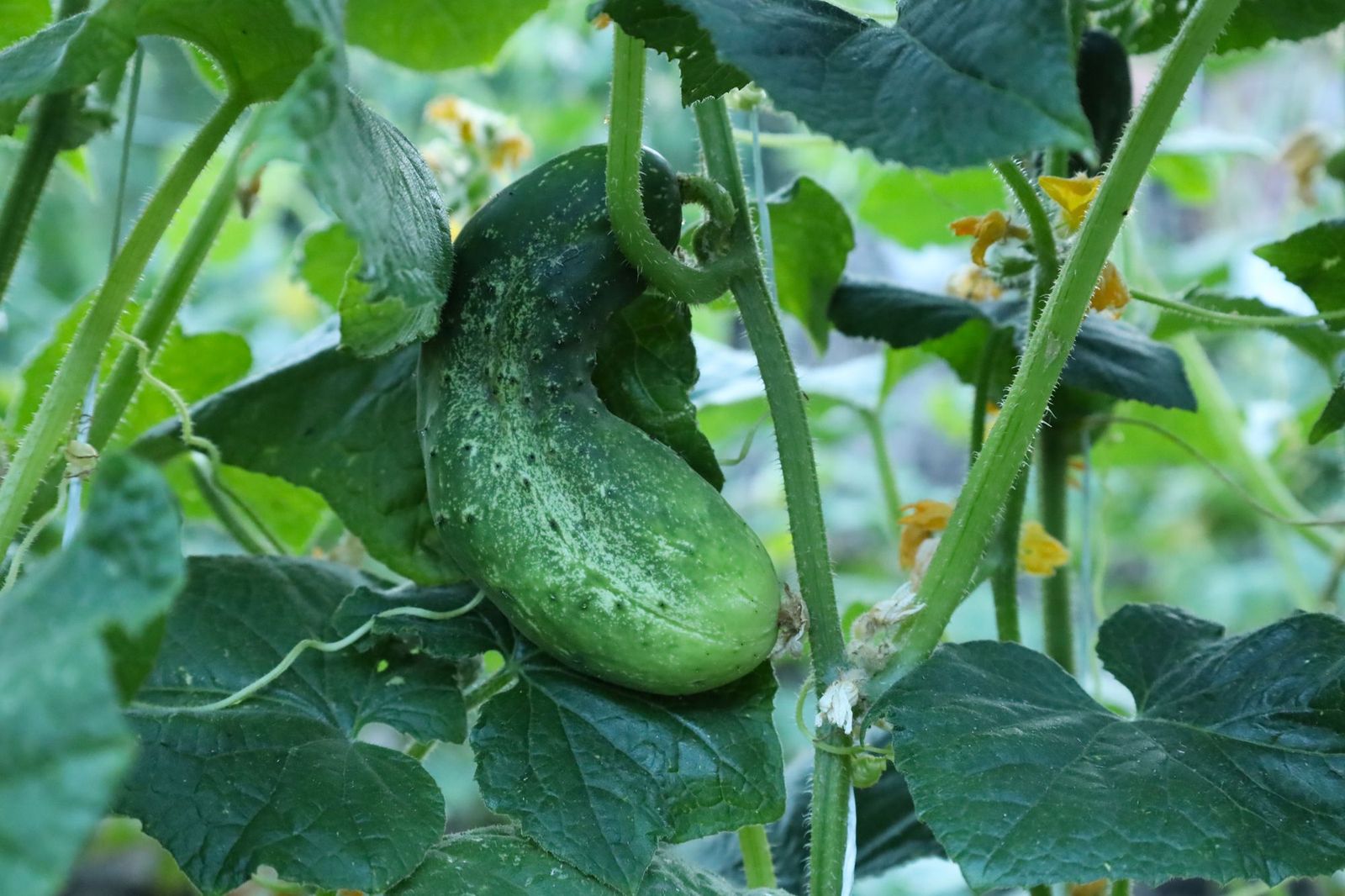
Photo: Alexandru-Cătălin Stoica / Pexels
Cucumbers in Pots Checklist
Check off each step as you finish it. Your progress stays on this page.
0 of 8 complete
0% done
Bush or Vining: The Decision That Sizes Everything
Bush cucumbers are bred compact, vines of 2 to 3 feet that suit a pot on a patio and produce a concentrated harvest of full size fruit on a small plant. They are the honest choice for a 5 gallon pot, a small balcony, and a grower who wants cucumbers without building anything. Vining cucumbers are the full plant, 5 to 6 feet of growth that must climb or sprawl, with a longer, larger harvest spread over the season and the classic slicing types among them. They need the 10 gallon pot, a real trellis, and a grower who has looked at the space and meant it. The mistake is choosing by the seed rack photo instead of by the container and the support you actually own. A vining type in a 5 gallon pot with no trellis is the standard failed cucumber: root bound, water stressed, mildew prone, and bitter. A bush type on a big trellis is merely underwhelming. Buy the seed after you have measured the pot and the wall it will climb, and let the type follow the furniture, not the other way round.
Pot, Mix, and the Trellis Fixed at Planting
Set the pot where the plant will live before you fill it; a wet 10 gallon pot is furniture, not luggage. Fill with soilless container mix, which drains and breathes the way a cucumber's roots demand, and mix in compost or a slow release feed at planting, because this is a hungry plant in a small pantry. Fix the trellis now: a cage, a panel of netting, or strings to a railing, secured to the pot or the wall behind it, because a cucumber vine begins grabbing in its second week and training a grown vine onto a late trellis breaks tendrils and stems. Sow seed a half to 1 inch deep, per the guides, directly in the pot after all frost danger, into soil that is genuinely warm; cucumber seed in cold mix rots instead of sprouting, and this plant grows so fast that the indoor head start other vegetables get is a liability here, not an advantage. If you buy a transplant instead, handle it by the root ball and disturb it as little as possible, because cucumbers resent root disturbance at every age. One plant per pot is the rule that protects everything below; two in a 20 gallon pot, spaced apart and trellised in opposite directions, is the only sanctioned exception.
Water: The Daily Rhythm That Keeps Fruit Sweet
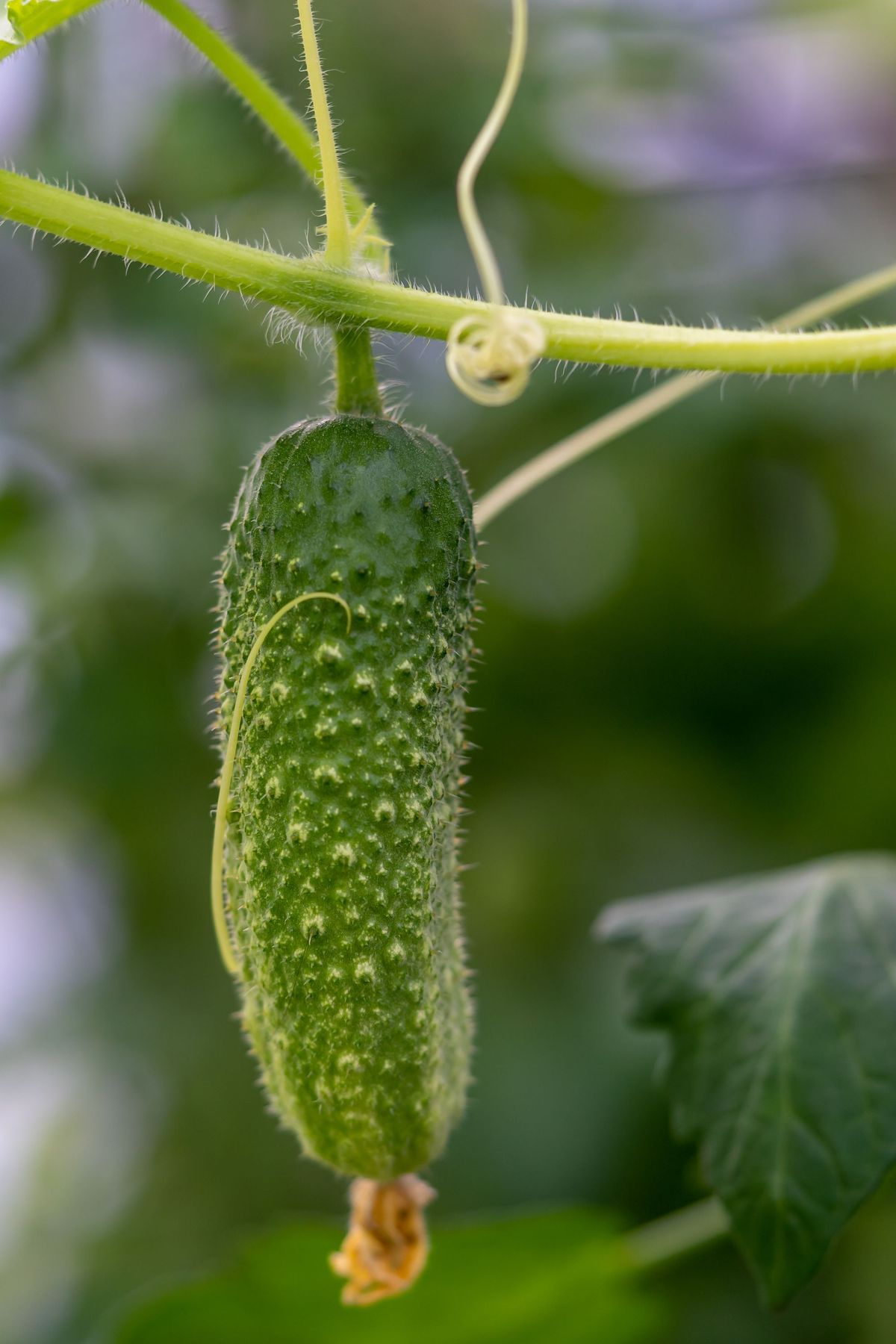
Cucumbers are mostly water, and the plant knows it. In a pot in summer, the rhythm is daily checking and, in heat, daily watering, soaking until drainage runs, always at the base. The reason goes beyond thirst: bitter fruit is the plant's report of a dry swing. Cucumbers produce bitter compounds, concentrated near the skin and stem end, and water stress during fruit development pushes those compounds up; the guides' warning to keep moisture even to prevent bitter fruit is the single most practical sentence in cucumber growing. A pot swings faster than any bed, so the pot grower's defenses are volume, the 10 gallon pot rather than the 5 for anything vining, mulch on the surface, and a saucer used as a small reservoir in the hottest weeks, the one pot in this batch where standing in a shallow drink is a tool rather than an error, emptied before it stagnates. Feed on the rhythm the small volume forces, a balanced liquid feed every 1 to 2 weeks once vines run, because a cucumber in full production is building fruit out of water and fertilizer almost in real time.
Airflow, Mildew, and the Harvest Discipline
The pot cucumber's signature disease is powdery mildew, the white dusted leaves of late summer, and the pot is both the risk and the cure. The risk is a dense vine in a still corner, foliage wet and airless. The cure is the trellis itself: a vine tied up and thinned to its main stems dries fast after rain and watering, and a pot can be moved into moving air and sun in a way a bed cannot. Water at the base, never overhead, space the pot from its neighbors, and remove the worst leaves as they go; most pot cucumbers still finish the season mildewed but productive, which is an acceptable ending. Harvest is the last discipline and the one that pays daily: pick every 1 to 2 days at the size the type is meant for, because a cucumber left to swell into a yellow blimp tells the vine its job is done, seed made, and production shuts down. Picked hard, a vining plant in a 10 gallon pot produces for weeks; left alone for a week's holiday, it retires. Type first, trellis at planting, water daily, pick constantly: the pot cucumber system is four habits, and all four are cheap.
Pollination in a Pot: The Step Containers Complicate
A cucumber flower is not self contained: the plant makes separate male and female flowers, the females recognizable by the tiny cucumber swelling behind the petals, and a fruit sets only when pollen moves from a male to a female, a job bees do invisibly in a garden bed. On a balcony, a screened porch, or any pot stationed where pollinators rarely patrol, the flowers open, the tiny fruits yellow at two inches, and drop, and growers blame water for what is actually an unpollinated stand. The fix takes thirty seconds on the mornings new flowers open: pick a fresh male flower, peel its petals back, and press its center into the center of a female flower, or move the pollen with a soft brush from male to female across the plant. Do it two or three mornings a week through the flowering run and the set rate transforms. The seed catalog offers an escape hatch worth knowing: parthenocarpic varieties set fruit without pollination at all, and the burpless greenhouse types bred for covered growing are often among them, which makes them the deliberate choice for screened and indoor adjacent pots. Check the packet for the word before you buy, because a parthenocarpic variety in a bee poor spot is the difference between a system and a season of yellow drops.
Frequently Asked Questions
What size pot do cucumbers need?
At minimum 12 inches wide and 12 inches deep. Bush types run well in 5 gallons; vining types need 10 gallons or more, because the vine's root system and water demand are those of a full size plant. One plant per pot is the rule, with two allowed only in about 20 gallons, trellised apart. The pot decision follows the type decision: measure your space, choose bush or vining honestly, then buy the pot that type requires, not the one already in the shed.
Do cucumbers in pots need a trellis?
Vining types do, installed at planting. A cucumber vine starts grabbing support in its second week, and a trellis fixed late means broken tendrils and a wrestling match. The trellis also does the disease work: a vine tied up dries quickly and resists the powdery mildew that settles into a sprawled, airless plant. Bush types need no trellis, which is their point. Strings to a railing, a cage, or netting on the wall all serve; what matters is that it is fixed before the vine goes looking for it.
How often do I water cucumbers in pots?
Daily checking in summer, and daily watering in heat, soaking at the base until drainage runs. Cucumbers are heavy drinkers building fruit that is mostly water, and a pot's small volume swings dry fast. Even moisture is also the flavor rule: dry swings during fruit development are what turn cucumbers bitter, as the plant concentrates bitter compounds under stress. Mulch the pot surface, size the pot generously, and in the hottest weeks a shallow saucer reservoir under the pot is a legitimate tool for this one crop.
Why are my pot cucumbers bitter?
Water stress is the usual cause. When a cucumber plant dries hard while fruit is developing, bitter compounds rise in the fruit, concentrated toward the skin and the stem end. Heat waves and an undersized pot are the usual setup: the plant looks watered on average, but it swung dry on the afternoons that mattered. Fix the rhythm, not the recipe: bigger pot or more faithful daily watering, mulch on the surface, and pick fruit younger, since overripe fruit runs bitter even on a well watered vine.
When should I sow cucumber seed in a pot?
After all danger of frost, into genuinely warm soil, sown a half to 1 inch deep directly in the pot. Cucumber seed rots in cold mix rather than sprouting slowly, and the plant grows so fast in warm conditions that it catches up to any indoor start within days, without the transplant resentment cucumbers are known for. If you buy a transplant instead, set it at its original depth and handle the root ball as little as possible, then water it in and get the trellis ready, because the vine starts climbing almost immediately.
Photo credits: Alexandru-Cătălin Stoica (Pexels); Mariya Muschard (Pexels). Photos are served from this site; follow the credit to the library page for the original.