How to Grow Broccoli Microgreens: The Tray Method, Day by Day
By the Windchime Walker editorial team
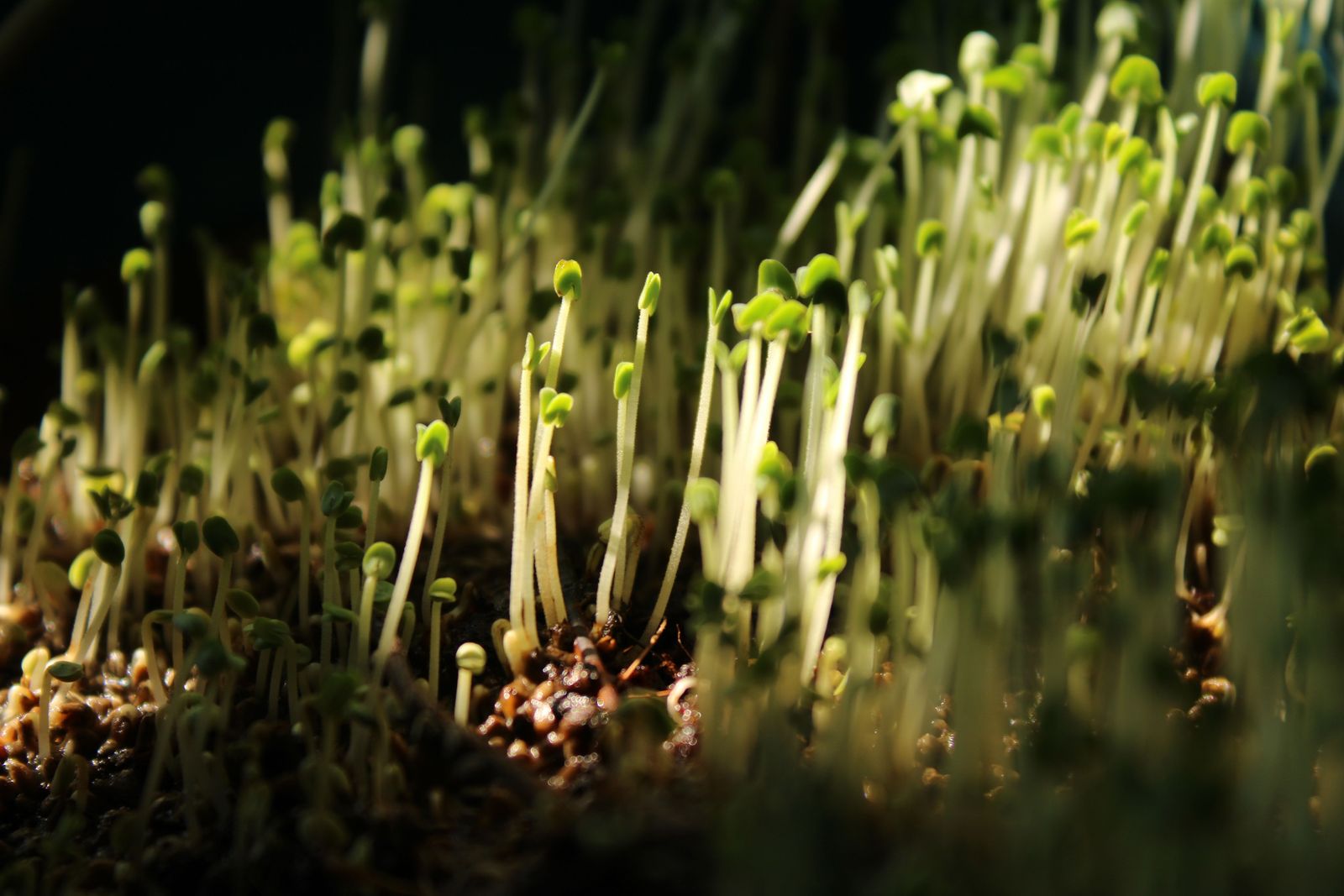
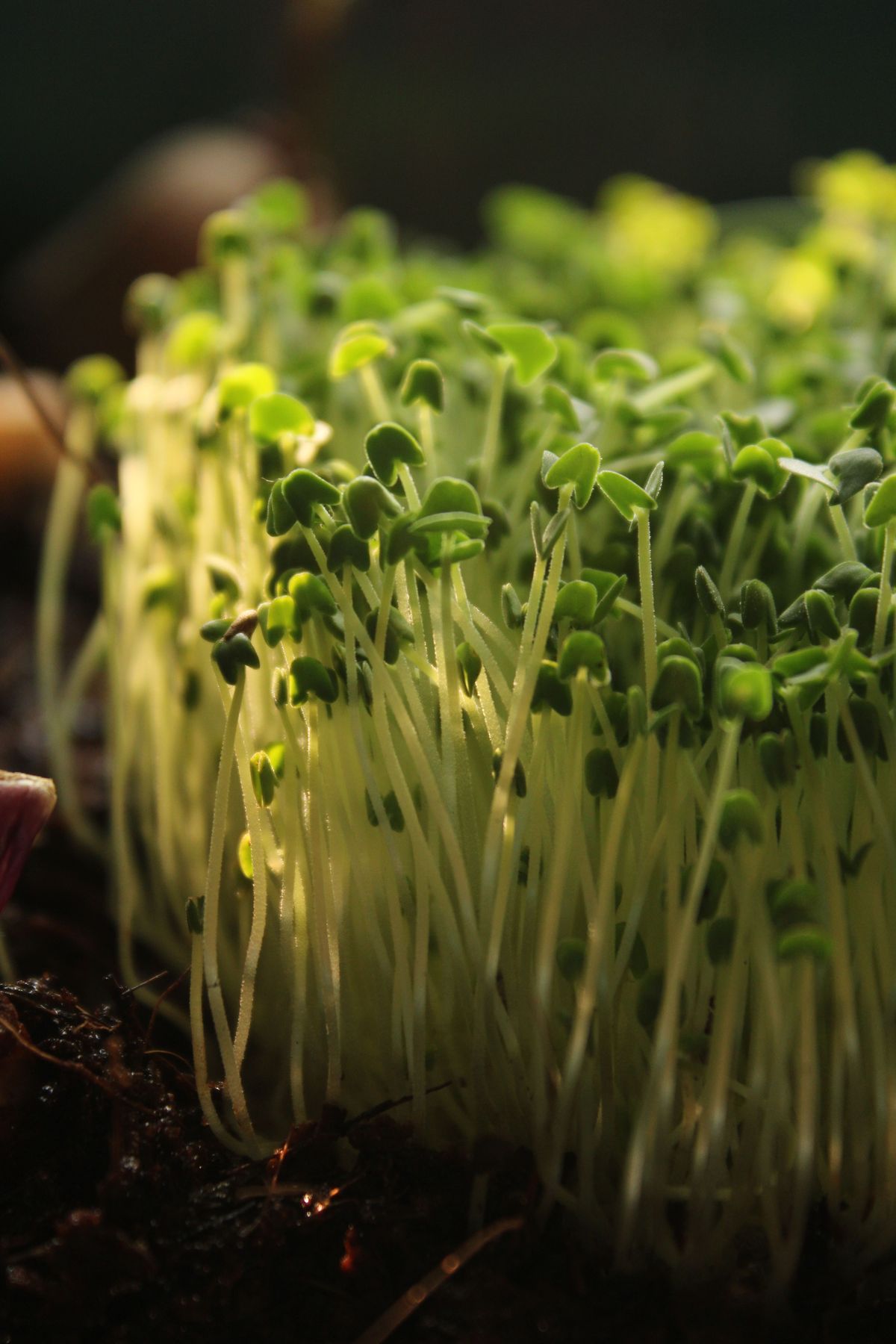
Photo: Jahra Tasfia Reza / Pexels
Broccoli microgreens are the jar sprout's more civilized sibling: same seed family, same week and a bit, but grown flat in a tray on a shallow bed of medium and harvested with scissors above the soil line. That one difference, the cut, changes the crop's character and its risk profile, and it is why many growers who try both settle on trays. This page teaches the first tray end to end at the standard figures, and answers the confusion honestly, because half the searches for this crop are really asking how it differs from the sprouts in a jar, a question our sprouts guide owns from the other side.
The tray growing variant that circulates as a sprouts search belongs here: growing broccoli in trays is the microgreens method, not the jar method, whatever the search term called it.
Interactive tool
Microgreens Tray Checklist
Check off each step as you finish it. Your progress stays on this page.
0 of 7 complete
0% done
Sprouts Versus Microgreens, Settled in One Table
Jar sprouts
Tray microgreens
Grown in
A jar of water and air
A tray on shallow medium
Eaten
Whole: root, seed, and shoot
Cut above the medium; roots and seed stay in the tray
Days
3 to 5
8 to 12
Light
None needed until an optional final greening
Required after the covered germination stage
Water
Rinsed 2 to 3 times daily
Bottom watered once established
Flavor
Mild, crunchy, fresh
Deeper, more recognizably broccoli
Neither is better in the abstract. Sprouts are faster and need no medium or light; microgreens taste like more and carry the method's built in safety advantage, because the part you eat never sat in the germination water and the medium stays in the tray. University of Maryland and University of Minnesota extension both publish microgreens guidance for home growers, and their shared advice shapes the method below: clean trays, fresh medium for each crop, and harvest by the cut.
What You Need
A standard 10 by 20 inch tray, the size the industry calls a 1020, ideally two: one with drainage holes nested in one without, which is the bottom watering rig. Shallow medium, about an inch deep: a fine seed starting mix or a coco coir mat or loose coir, your choice, with fresh medium for every crop being the extension backed rule. Broccoli seed, which for microgreens does not need to be the tested sprouting grade required for jar sprouts, though many growers use the same seed for both; untreated seed sold for microgreens or sprouting is the standard purchase. A kitchen scale, because this crop is sown by weight. A spray bottle for the first days, a cover for the tray (a second empty tray is perfect), and a light source for the growing stage: a bright window works in summer, and a simple LED or fluorescent fixture 6 to 12 inches above the tray works always.
Young microgreens growing in a tray
The Seed Rate: 28 Grams per Tray
Utah State University figures put broccoli microgreens at about 28 grams of seed per 10 by 20 inch tray, roughly an ounce, and weighing is the method's first discipline. Sown by handfuls, beginners go heavy, and a crowded tray grows leggy, molds at the base, and harvests poorly; sown by weight at the USU rate, the seed lands in an even single layer with room for air, and every tray behaves like the last one. Scatter the seed evenly over the leveled, pre moistened medium, edge to edge, then press it gently into contact with the surface with the flat of your hand or a board. Broccoli microgreen seed is not covered with medium and not pre-soaked: it germinates on the surface, which is why contact and humidity, covered next, do the work that burial does for garden seed.
Blackout: the Covered 2 to 4 Days
Mist the sown surface thoroughly, then cover the tray: the empty second tray inverted on top is the classic, sometimes weighted lightly with a book or a brick, which encourages the seedlings to push up evenly against resistance and root downward. Keep the covered tray at room temperature for 2 to 4 days, misting once a day if the surface dries. In the cover period the seed germinates and the stems elongate seeking light they cannot find, which sounds like a flaw and is the technique: the even stretch under the cover produces the uniform stand that harvests in one clean pass. Uncover when the seedlings are about an inch tall and pushing the cover up, typically day 3 or 4 for broccoli. A tray left covered too long goes pale and weak; a tray uncovered at the first sign of the lift is right on schedule.
Light and Bottom Watering
From uncovering, the tray wants strong light 12 to 16 hours a day and the seedlings green within a day or two. Legginess after uncovering is a light report, the same as it is for basil seedlings: move the fixture closer or the tray to brighter light rather than watering differently. Water from below once the tray is uncovered: pour water into the bottom tray and let the medium wick it up, enough to keep the medium evenly moist, and empty any water still standing after about half an hour. Bottom watering keeps the canopy dry, and a dry canopy is the tray's disease prevention, because the mold and damping problems of microgreens almost all arrive through wet foliage in still air. A small fan moving air gently across the growing area, not aimed like a hair dryer but enough to stir the room, is the grower's second defense and the one experienced growers refuse to skip.
Harvest at 8 to 12 Days, by the Cut
Broccoli microgreens are ready at 8 to 12 days from sowing, when the seed leaves are fully open and the first true leaf is just appearing between them on most plants, at a height of about 2 to 3 inches. Harvest with clean scissors or a sharp knife in one pass, cutting just above the medium, which is the method's defining act: roots, seed hulls, and medium stay in the tray, and what you take is clean stem and leaf. Harvest in the morning for the crispest greens, rinse only if the medium has splashed (bottom watering usually keeps them clean), spin or pat dry with real thoroughness, and refrigerate in a lined container. Cut microgreens keep about 5 to 7 days refrigerated, noticeably longer than jar sprouts, because they go into storage dry and undamaged. Do not expect a second cut: microgreens are a single harvest crop, and the tray's medium, now full of roots and spent seed, goes to compost while the tray is washed for the next sowing.
The Rotation, and the Second Tray Decisions
The growers who keep microgreens in their kitchen run a rotation rather than a crop: a new tray sown every 4 or 5 days means a harvest every 4 or 5 days once the pipeline fills, and broccoli's 8 to 12 day cycle fits two trays in staggered stages under one light. Two decisions shape the habit. First, medium: loose seed starting mix gives the sturdiest growth and the messiest harvest, coir mats give the cleanest cut and cost more per tray; both are legitimate, and most growers try both and settle by temperament. Second, seed sourcing at scale: once the rotation runs, seed is bought by the pound rather than the packet, from the same sprouting and microgreen seed houses, and the per tray cost of the crop falls to very little, which is the true answer to the market price of microgreens that sent most growers here in the first place.
Troubleshooting the Tray
Mold at the base. Almost always crowding, overwatering, or still air: verify the 28 gram rate, water only from below, and add the fan. True mold is fuzzy and spreads in patches; the white root hairs on germinating seed, as with jar sprouts, are fine, white, and hug the seed. Pale, weak stems at uncovering. The cover stayed on too long; uncover at the first lift next tray. Leggy after uncovering. Light too far or too few hours; close the distance. Uneven germination. Seed scattered unevenly or medium surface dry in patches; level, weigh, press, and mist evenly. Sour smell. A tray kept too wet; microgreens medium should be moist, never swampy, and standing water in the bottom tray is emptied, not left as a reservoir.
What a Tray Actually Yields, and What It Costs
Set expectations with numbers before the first sowing. A 10 by 20 tray sown at the USU rate of about 28 grams of broccoli seed yields roughly 200 to 300 grams of cut microgreens, a generous handful per meal for a household across the storage week, from a seed cost of very little once seed is bought in bulk and a medium cost that depends on your choice: loose mix is the cheap option per tray, coir mats the convenient one. Against store prices for microgreens, which run high because the crop is perishable and hand harvested, a home tray pays back its tray and light investment within a few rotations, and the running cost thereafter is mostly the electricity of a small light for a week and a half. The honest limits deserve the same paragraph: microgreens are a garnish and a salad ingredient, not a vegetable serving in the way a head of broccoli is, and the grower who wants bulk greens should grow lettuce. What the tray delivers is freshness and flavor concentration that money genuinely cannot buy at a store, because the product degrades from the hour it is cut, and yours is cut at the moment of eating.
Frequently Asked Questions
How long do broccoli microgreens take to grow?
Eight to 12 days from sowing: 2 to 4 days covered while they germinate and stretch, then the rest under light. Harvest when the seed leaves are fully open and the first true leaf appears, at about 2 to 3 inches tall.
How much seed goes in a 10 by 20 tray?
About 28 grams, roughly an ounce, per Utah State University figures. Weigh it rather than scattering by handfuls: an over seeded tray crowds, molds at the base, and harvests worse than a correctly seeded one.
Do I soak or cover broccoli microgreen seed?
Neither. Broccoli microgreens are sown dry on the surface of pre moistened medium, pressed into contact, misted, and covered with an inverted tray for the 2 to 4 day germination stage. The seed is not buried and not pre-soaked, unlike the jar sprouts method.
What is the difference between broccoli sprouts and microgreens?
Sprouts grow in a jar and are eaten whole, root and seed included, in 3 to 5 days with no light. Microgreens grow in a tray on medium, need light after germination, take 8 to 12 days, taste more strongly of broccoli, and are cut above the medium, which leaves the roots and germination water behind.
Why are my microgreens molding?
Crowding, wet foliage, and still air are the usual three. Sow at the weighed rate, water only from below once the tray is uncovered, and run a gentle fan across the growing area. Also start each crop in a washed tray with fresh medium, as extension guidance directs.
Can I harvest broccoli microgreens more than once?
No. Microgreens are a single cut crop. Harvest the whole tray in one pass at 8 to 12 days, compost the spent medium, wash the tray, and sow the next. A staggered rotation, a new tray every 4 or 5 days, is how growers keep a continuous supply.
Photo credits: Jahra Tasfia Reza (Pexels); Jahra Tasfia Reza (Pexels). Photos are served from this site; follow the credit to the library page for the original.