Best Vegetables for Container Gardening: Matched to the Pot, Not Just Listed
By the Windchime Walker editorial team
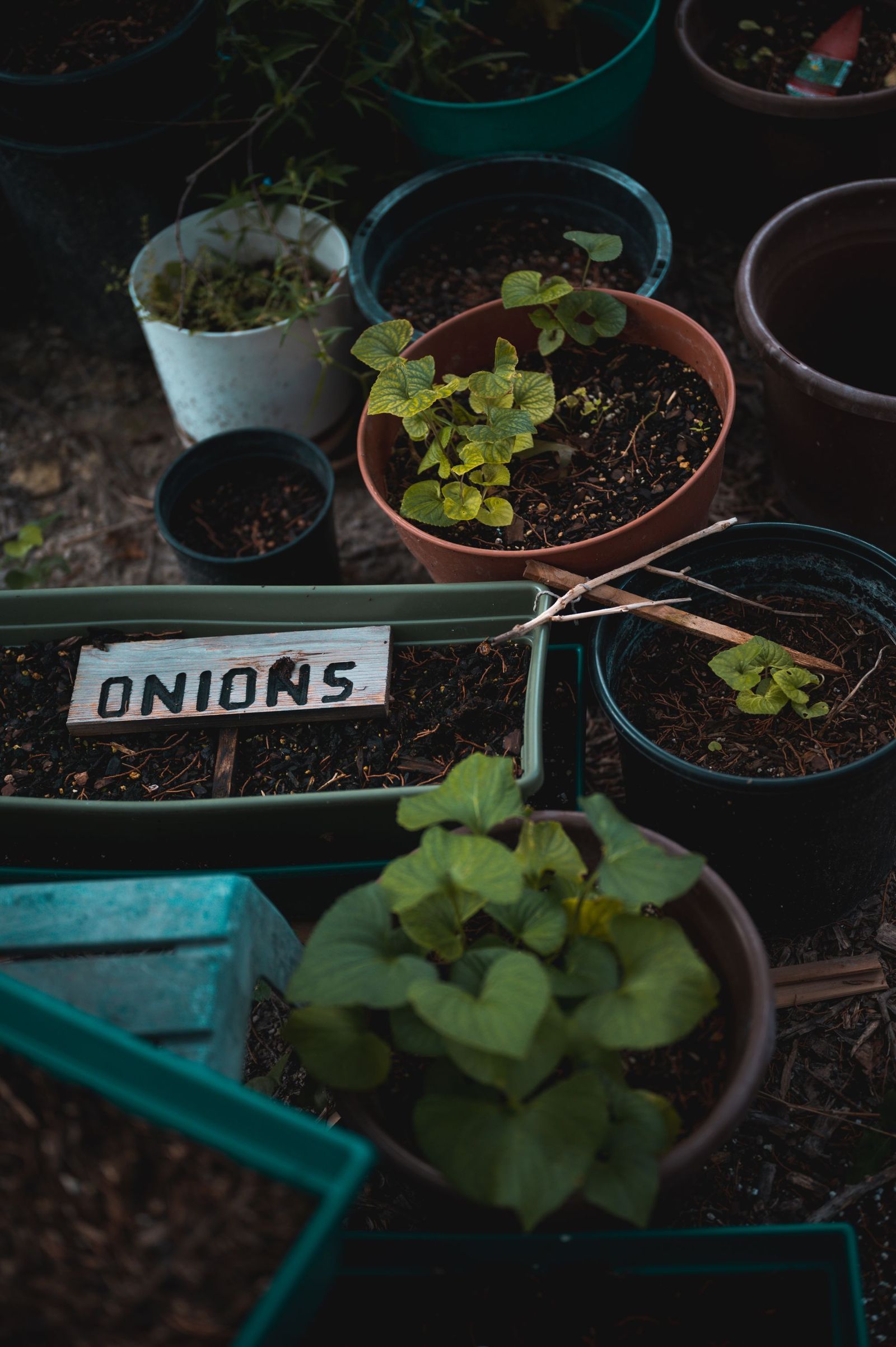
Photo: Alfo Medeiros / Pexels
Every container vegetable list answers the question what can grow in a pot, and the honest answer is nearly everything, which makes the lists useless. The question that decides a container season is narrower: which vegetables repay the pot, the mix, and the daily watering with a harvest worth carrying water to. That is a matching problem. A crop earns container space when its root system fits a sane pot, its thirst matches the reservoir that pot holds, and its harvest per square foot beats what the same effort buys at the store. This page ranks the crops by that logic and gives the pot sizes as working sizes, which are not the same as the minimums on the seed packets.
Our container gardening for beginners guide owns the container method itself: pots, mix, drainage, feeding. This page owns crop selection: which vegetables get the pots, and how big the pots honestly need to be.
Interactive tool
Container Crop Match Checklist
Check off each step as you finish it. Your progress stays on this page.
0 of 8 complete
0% done
Minimum Size Versus Working Size: the Distinction That Runs This Page
Extension container tables and seed packets quote minimum pot sizes, and minimums are real: a tomato will survive and fruit in the minimum pot. What the minimum does not survive is your schedule. A pot at the minimum size holds so little mix that it dries to wilt between morning and evening in July, which means the plant lives on the edge of drought stress all season and yields like it. The working size, usually one step up, holds a water reservoir that carries the plant through a hot day and a missed watering, and it is the size the yields in this article assume. Where the two disagree, this page prints both and plants at the working size. University container guides themselves span a range, which is why one crop can appear at 2 gallons in one table and 5 in another; the reasoning in the next sections is how you decide for your balcony, your climate, and your watering discipline.
The First Tier: Crops That Earn Their Pot Every Time
Peppers are the best container vegetable most gardeners have not ranked first. One plant in a working 5 gallon pot produces for months, the plant is handsome, it tolerates a missed watering better than a tomato, and hot and sweet types both thrive. Determinate and patio tomatoes are bred for exactly this life: a compact plant, a concentrated harvest, a working 5 gallon pot, with indeterminate vines reserved for 10 gallon or larger pots and gardeners who enjoy a project. Salad greens and lettuce in a wide, shallow trough 6 to 8 inches deep return the fastest harvest in the container garden, cut and come again for weeks, and ask almost nothing but steady moisture. Bush beans in a 5 gallon pot or a window box depth planter give real pickings in about 50 days and fix their own nitrogen while they do it. Radishes are the instant gratification crop, ready in about a month in any shallow container, and they teach beginners the rhythm of succession sowing better than any other plant. These five share the first tier traits: modest roots, honest yields, and forgiveness.
The Second Tier: Worth It, With Eyes Open
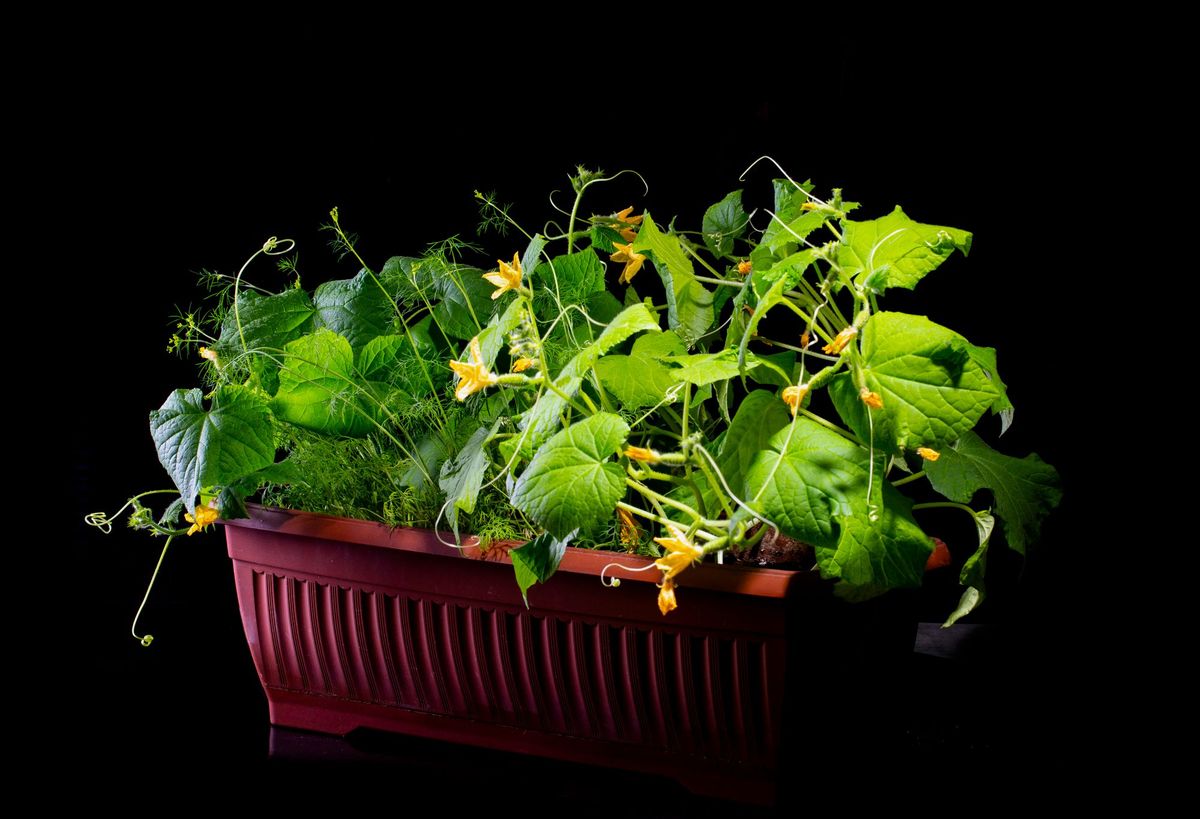
Potatoes in a 10 to 15 gallon grow bag are a container success story with a method: plant in a few inches of mix at the bag's bottom, and add mix as the stems grow, unrolling the bag as you go, so tubers form along the buried stem. The harvest reveal, tipping the bag onto a tarp, is half the pleasure. Cucumbers earn a working 5 gallon pot only with a trellis or railing to climb; a bush type in a pot without support sprawls into a mildew prone mat. Summer squash and zucchini work in 10 gallon pots and produce absurdly for about six weeks, then take up a 3 foot circle of your patio doing it; plant one, and only if the space is truly spare. Carrots succeed in deep pots, 12 inches of loose mix minimum, with short or round varieties in shallower ones; the failures are all mix failures, stones and density forking the roots. Herbs belong in every container garden but are a category of their own: basil, parsley, cilantro, and chives in individual pots near the kitchen door outperform any mixed herb planter by the end of the season, because their water needs differ and the mixed planter waters them all the same.
A cucumber plant climbing in a red planter box
The Skip List: Possible, Rarely Worth It
Sweet corn in pots is the classic trap: it needs a block of plants for wind pollination, drinks heavily, and returns a handful of ears for a forest of stalks. Pumpkins and winter squash vine beyond any patio's patience and belong to our spacing guides and real ground. Large indeterminate tomatoes in small pots are the saddest sight in container gardening, a 7 foot vine on a 2 gallon reservoir, and the fix is the variety choice, not more fertilizer. Melons ask for heat, room, and water in quantities a pot resents. None of this is dogma: gardeners grow all of them in containers for the challenge, and the challenge is a legitimate reason. It is just not a harvest reason, and this page ranks for the harvest.
Matching the Fleet: a Worked Example
Take a typical starting fleet, four working size pots and a trough, on a sunny patio. The trough takes lettuce and radishes in succession all season. One 5 gallon pot takes a pepper, the season's most reliable producer. One 5 gallon takes a determinate tomato. One 10 gallon grow bag takes potatoes, planted early and harvested mid season, after which the bag's mix is refreshed and the bag takes a fall planting of bush beans. The fourth pot, 5 gallons, is the rotation slot: bush beans in spring, a cucumber on the railing trellis in summer. That fleet, roughly 25 gallons of mix and one watering can round a day in high summer, produces salads from April, peppers and tomatoes from July, potatoes in June and again in fall, and beans in two flushes, from about 12 square feet of patio. The checklist below turns your own crop wishes into a fleet the same way: root depth first, reservoir second, harvest third, and no crop planted at its minimum size unless your watering discipline has honestly earned it.
The Watering and Feeding Reality Behind the Ranking
The ranking above assumes one more thing that deserves its own paragraph, because it eliminates more crops than pot size does: containers are watered and fed entirely by you. In ground soil buffers both; a pot buffers neither. Every crop on the first tier shares a tolerance for the rhythm a working person can actually keep, a thorough watering that carries a day or two, and a feeding program of a half strength liquid feed every couple of weeks or a slow release fertilizer worked in at planting. The crops that slide down the ranking in real gardens, whatever the lists say, are the ones whose thirst or hunger outruns that rhythm in July: cucumbers that wilt by noon in a small pot, squash drinking a gallon a day at full leaf, tomatoes in undersized pots swinging between drought and flood and splitting their fruit for it. When you choose crops, you are really choosing a watering route: the daily round of pots that need a drink, sized so the round takes ten minutes and not forty. A fleet matched to its owner's route, all first tier crops in working size pots, is the container garden that is still thriving in September, while the ambitious fleet of thirsty second tier crops in minimum pots is the one that quietly stops being watered in August. Choose the garden you will still be tending in August; it outyields the heroic one every year.
Frequently Asked Questions
What is the best vegetable to grow in a container?
For most gardeners, the pepper: one plant in a working 5 gallon pot yields for months, tolerates a missed watering, and stays handsome doing it. Determinate tomatoes and salad greens tie for second, tomatoes for the harvest weight, greens for the speed and the shallow trough they ask for.
How big a pot does a tomato need?
Five gallons is the working size for a determinate or patio tomato, and 10 gallons or more for an indeterminate vine. Smaller minimums exist on charts and the plant will live in them, but the reservoir is too small for a hot day and the season becomes a watering emergency. Size up and the same plant cruises.
Which vegetables need the shallowest containers?
Lettuce, salad greens, and radishes, all happy in a wide trough 6 to 8 inches deep. Their roots are shallow, their seasons are short, and the wide surface gives more harvest than depth would. Herbs like chives and parsley also manage in moderate depths, while carrots are the opposite case, needing 12 inches of loose mix.
Can you grow potatoes in a container?
Yes, and they are one of the best container crops in a 10 to 15 gallon grow bag. Plant seed potatoes in a few inches of mix at the bottom and add mix as the stems grow, so tubers set along the buried stem. Harvest by tipping the bag onto a tarp, which is also the easiest potato harvest in gardening.
What vegetables should I avoid in containers?
For harvest purposes: sweet corn, which needs a pollination block and returns little per pot; pumpkins and large winter squash, whose vines outgrow any patio; melons, which want more heat, room, and water than pots give; and indeterminate tomatoes in small pots. All are growable as challenges; none repay the space as food.
Photo credits: Alfo Medeiros (Pexels); Valentin Ivantsov (Pexels). Photos are served from this site; follow the credit to the library page for the original.