Jalapenos run on a weekly budget, and the budget is where the guides agree: 1 to 2 inches of water a week, with several sources narrowing it to 1 to 1.5 inches for peppers in average soil. What the number hides is that the same budget is spent completely differently in a bed and in a pot, and that the timing inside the season matters as much as the total. A jalapeno that swings dry at flowering drops blossoms and sets fruit with blossom end rot; the same plant, swung dry while its fruit ripens, loses nothing and may even concentrate its heat. Owners drown more jalapenos than they parch, usually by misreading the noon wilt, a heat response that looks exactly like thirst. This page splits the system by vessel: the bed budget and its delivery, the pot rhythm, the fruit set consistency window, and the wilt test that tells you whether to reach for the hose at all.
How Often to Water Jalapeno Plants: The Weekly Inch Budget and the Fruit Set Window
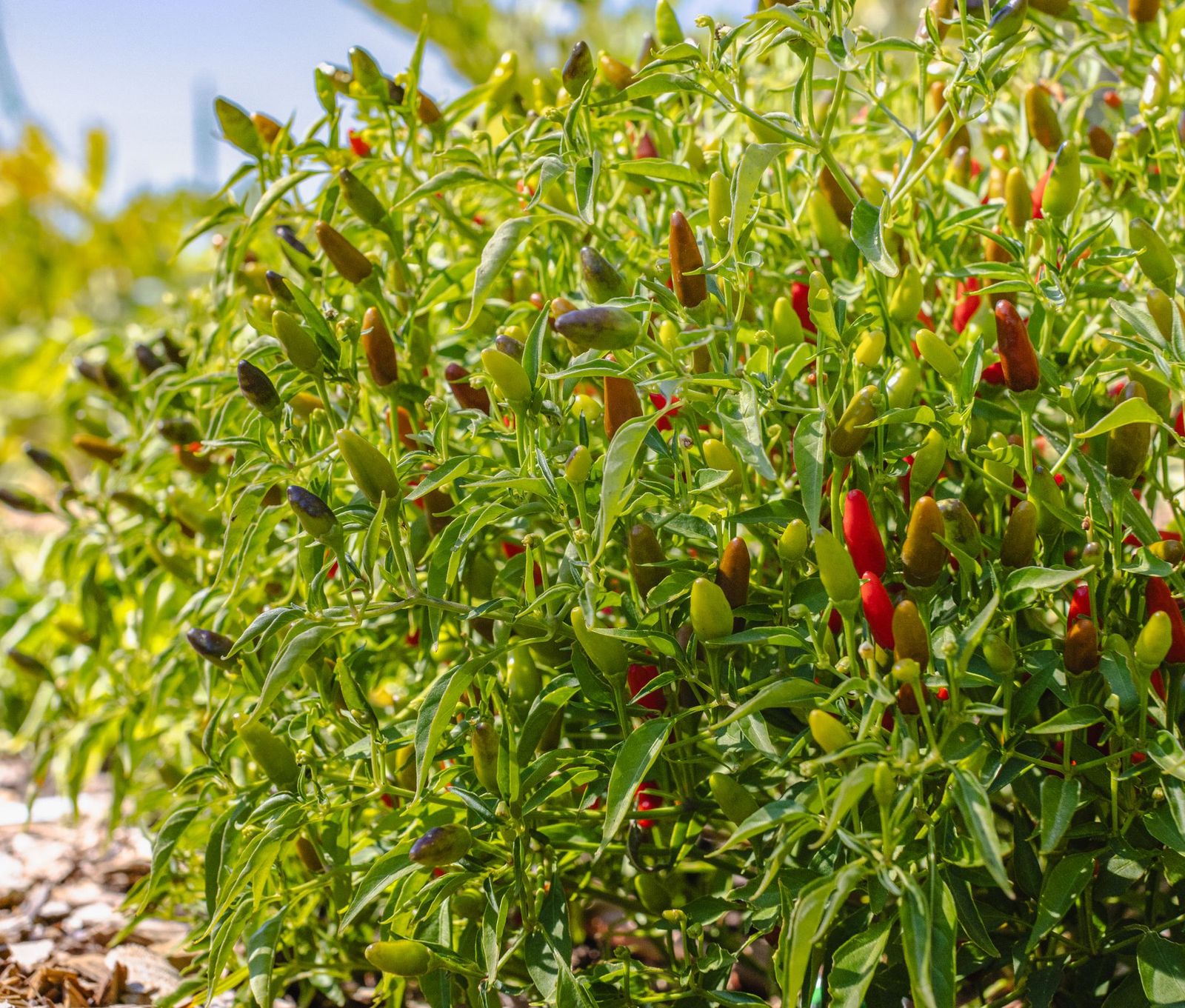
Photo: Robert So / Pexels
Watering Volume Calculator: The Jalapeno Bed Audit
A jalapeno bed runs on a weekly budget of 1 to 2 inches of water, delivered deep once or twice a week. Enter your bed length and width with a depth of 1 inch to size that weekly drink.
19.9 gallons
For 32 square feet at 1 inch deep. That is about 76 liters, or 10 trips with a standard 2 gallon watering can.
A rain gauge or a straight sided can set in the bed tells you when a sprinkler or soaker hose has actually delivered this depth. Time alone is a guess, because hose pressure varies from house to house.
The conversion is arithmetic, not opinion: one inch over one square foot is 144 cubic inches of water, and a US gallon holds 231 cubic inches, so each square foot at one inch takes 0.62 gallons.
The Bed Budget: Deep, Weekly, and Dry on Top
In a bed, deliver the budget deep and infrequently: one thorough soaking a week in mild weather, two in heat, each wetting the root zone rather than the surface. Between drinks, let the top inch of soil dry; that dry crust is not a problem to fix but the sign the rhythm is right, because pepper roots live below it and constant surface wetness invites the fungal troubles peppers are prone to. Mulch is the budget's best friend: 2 to 3 inches of straw or shredded bark over the bed cuts evaporation hard and, just as important, evens the moisture between waterings, which is what the fruit set window below actually demands. The calculator above sizes a 1 inch drink for your bed's footprint; run it, and you will see why a watering can splash is not a watering. A bed 4 by 8 feet needs about 20 gallons to receive a true inch. Drip lines and soaker hoses deliver that inch slowly enough to soak in rather than run off, and they keep the foliage dry while doing it, which peppers prefer.
The Pot Rhythm: Smaller Reservoir, Faster Clock
A jalapeno in a container spends the same weekly budget in smaller, more frequent drinks, because the pot is a fraction of the reservoir. In summer heat, expect to water every 2 to 3 days; above 90 degrees, check daily, and do not be surprised by a big plant in a small pot wanting water every day at the peak. The check is the same as the bed's: dry at the top inch, then a full soak to drainage. Two pot specific traps: a pot that dries by noon every day is not a watering problem but a pot size problem, solved next season by a bigger container, and a pot on hot concrete cooks its roots and drinks double, solved today by raising it onto feet or moving it onto soil or mulch. Feed enters the rhythm too, because a watered pot leaches: a half strength liquid feed every 2 weeks through the fruiting season keeps a container plant funded in a way a bed plant, rooted in real soil, needs far less.
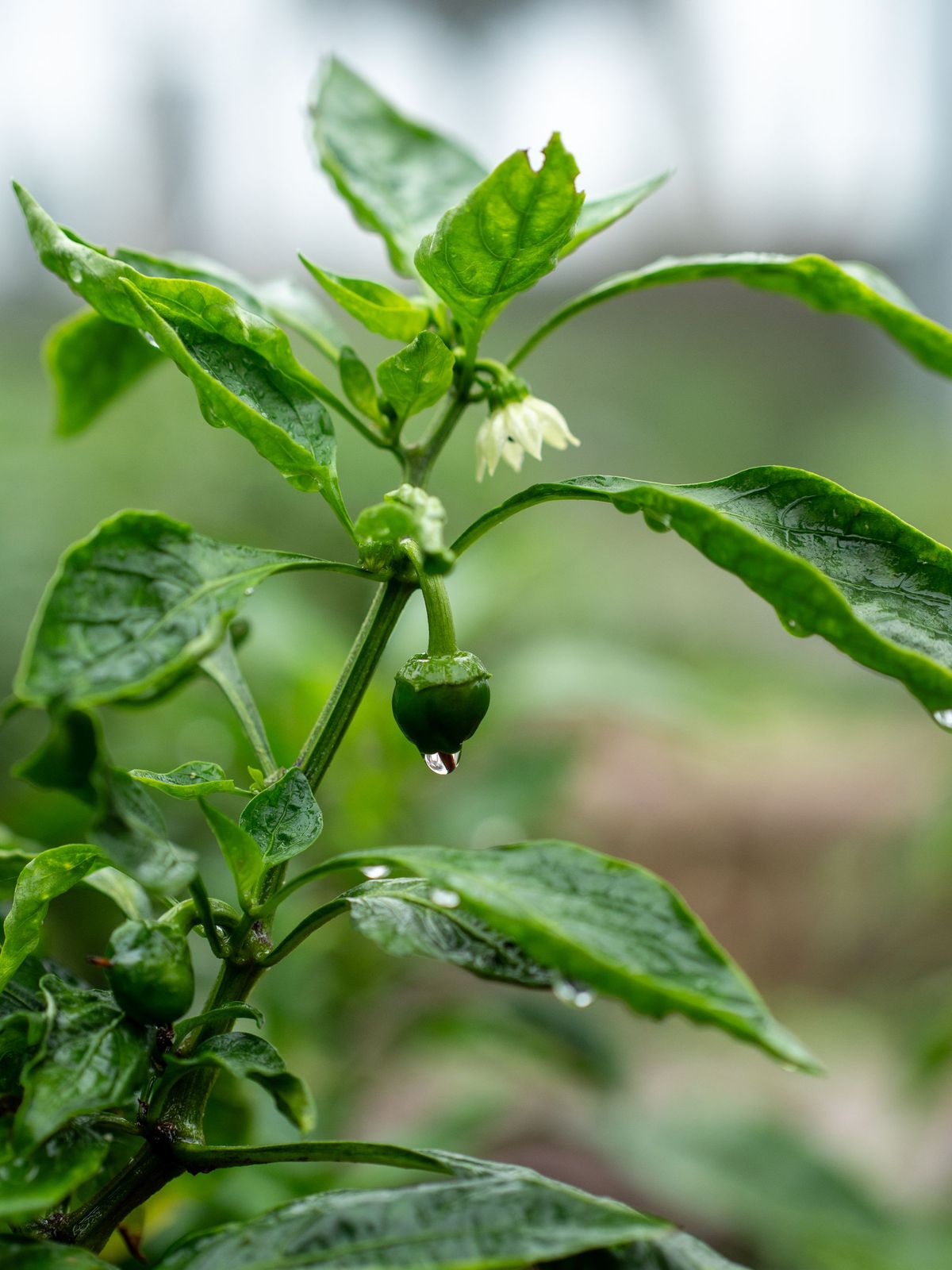
The Fruit Set Window, and the Noon Wilt Test
From first bloom until the first flush of fruit is sized, even moisture is the crop. Blossom end rot, the black sunken patch on the fruit's end, is a calcium transport failure, and in garden practice it is usually a water rhythm failure: the calcium is in the soil, but dry swings stop it reaching the fruit. Blossom drop runs on the same swings, compounded by heat. So through the window, water before the bed reaches real dryness, lean on the mulch, and accept a slightly wetter rhythm than the rest of the season. Then learn the test that prevents the opposite error. A jalapeno in midday heat often wilts with its leaves flagged down, and recovers fully by evening on the same moisture: that is heat management, not thirst, and watering a wilted at noon plant whose soil is moist just waterlogs it. Check the soil before the hose, and check the plant again at dusk. Wilted at noon, recovered by evening, moist soil: leave it alone. Wilted at dusk or dawn, dry at the top inch and beyond: water deeply, that night or first thing in the morning.
Late Season: The Ease Off That Costs Nothing
Once fruit is ripening in quantity, the jalapeno's water needs soften, and several guides in the results ease off slightly at this stage. The reasoning is sound: the plant's growth has slowed, its root system is complete, and mild stress late in ripening does the fruit no harm, with many growers swearing it concentrates flavor and heat. Ease off means stretching the interval modestly and skipping a watering the plant does not need, not droughting a plant still carrying green fruit you want to size up. Keep the bed from going dust dry, keep harvesting, because picked plants keep setting, and let the season end on flavor. First frost finishes a jalapeno outright; there is no overwintering this plant outdoors in a cold climate, and a potted plant brought in is a houseplant experiment, not a production plan. Budget the inch, guard the window, pass the noon test before you pour, and ease off at the end: that is the whole jalapeno watering system, in beds and pots alike.
Delivery and Soil: The Two Adjustments Nobody Prints
The weekly budget assumes the water actually arrives where the roots are, and delivery decides that. Water at the base, by drip line, soaker hose, or a watering can aimed at the soil, in the morning: a pepper bed watered overhead at dusk keeps its foliage wet through the night, which is an engraved invitation to the bacterial and fungal leaf spots this crop is prone to, while the same water delivered at the base at 8 in the morning is on the roots before the heat and off the leaves entirely. Soil then adjusts the interval around the budget. In sandy soil, split the weekly drink in two: sand cannot hold a full deep watering in the root zone, and half of a single big drink drains below the roots within a day, so two moderate waterings keep more of the budget where the plant can spend it. In clay, stretch the other way: clay holds water so well that the standard weekly drink can leave the root zone saturated for days, and the finger check, dry 2 inches down, not the calendar, should release each watering. The budget in gallons stays roughly the same in all three soils; what changes is how it is portioned, and portioning is the difference between a budget the plant receives and one it merely witnesses.
Frequently Asked Questions
How often should I water jalapeno plants?
By the budget: 1 to 2 inches of water a week. In beds, deliver it deep once a week in mild weather or twice in heat, letting the top inch of soil dry between drinks. In containers, the same budget arrives every 2 to 3 days in summer, with a daily check above 90 degrees, soaking to drainage each time. Several sources narrow the bed budget to 1 to 1.5 inches in average soil. The depth check, dry at the top inch, confirms the day in both cases.
Why are my jalapeno flowers falling off?
Blossom drop is usually a moisture swing, heat, or both. From first bloom through fruit set, the plant wants even moisture; dry swings at this stage shed blossoms and set the surviving fruit up for blossom end rot. Mulch the bed 2 to 3 inches deep, water before the soil reaches real dryness during the window, and know that a run of very hot nights also drops blossoms on a correctly watered plant. The fix is rhythm, not volume: the same weekly budget, delivered without the swings.
My jalapeno wilts every afternoon. Does it need more water?
Probably not, and watering on that signal drowns plants. Midday wilt in heat is a heat response: the plant flags its leaves to reduce water loss and recovers by evening on the same moisture. Run the test: check the soil, and look again at dusk. Recovered by evening with moist soil means leave it alone. Still wilted at dusk, or wilted at dawn, with soil dry past the top inch, means water deeply. More jalapenos are killed by the noon rescue than by any drought.
How do I prevent blossom end rot on jalapenos?
Keep moisture even from flowering through fruit sizing. Blossom end rot is a calcium transport failure inside the fruit, and in garden practice the cause is usually water rhythm, not missing calcium: dry swings interrupt the flow that carries calcium to the fruit ends. Mulch to even the moisture, deliver the weekly inch or two on a steady rhythm, and avoid the drought then flood pattern. Fruit already showing the black sunken patch will not heal; pick it off so the plant funds clean fruit.
Should I water jalapenos less when the fruit is ripening?
Slightly, yes. Once fruit is ripening in quantity, growth has slowed and several guides ease the watering off, stretching intervals modestly; many growers find the mild stress concentrates flavor and heat. Ease off does not mean drought: a plant still sizing green fruit still needs its budget, and dust dry soil will cost you the late flush. Keep the bed from fully drying, keep picking ripe fruit so the plant keeps setting, and let the rhythm relax rather than stop.
Photo credits: Robert So (Pexels); Diccy Alba Vega (Pexels). Photos are served from this site; follow the credit to the library page for the original.