Every container bean failure starts before the seed goes in, at the moment the grower treats bush beans and pole beans as the same crop in a smaller space. They are not. A bush bean is a 2 foot plant that flowers once, sets its crop in a concentrated rush, and is done in about 2 months. A pole bean is a 6 to 8 foot vine that produces continuously until frost, provided it has something to climb and you keep picking. In a container, those are two different projects with different pots, different supports, and different calendars, and this article runs them as the two systems they are. The in-pots and indoors variants of this question fold into this article; our other container crop guides own their vegetables, and the bed grown bean guides own the row.
How to Grow Green Beans in a Container: Bush and Pole Are Two Crops
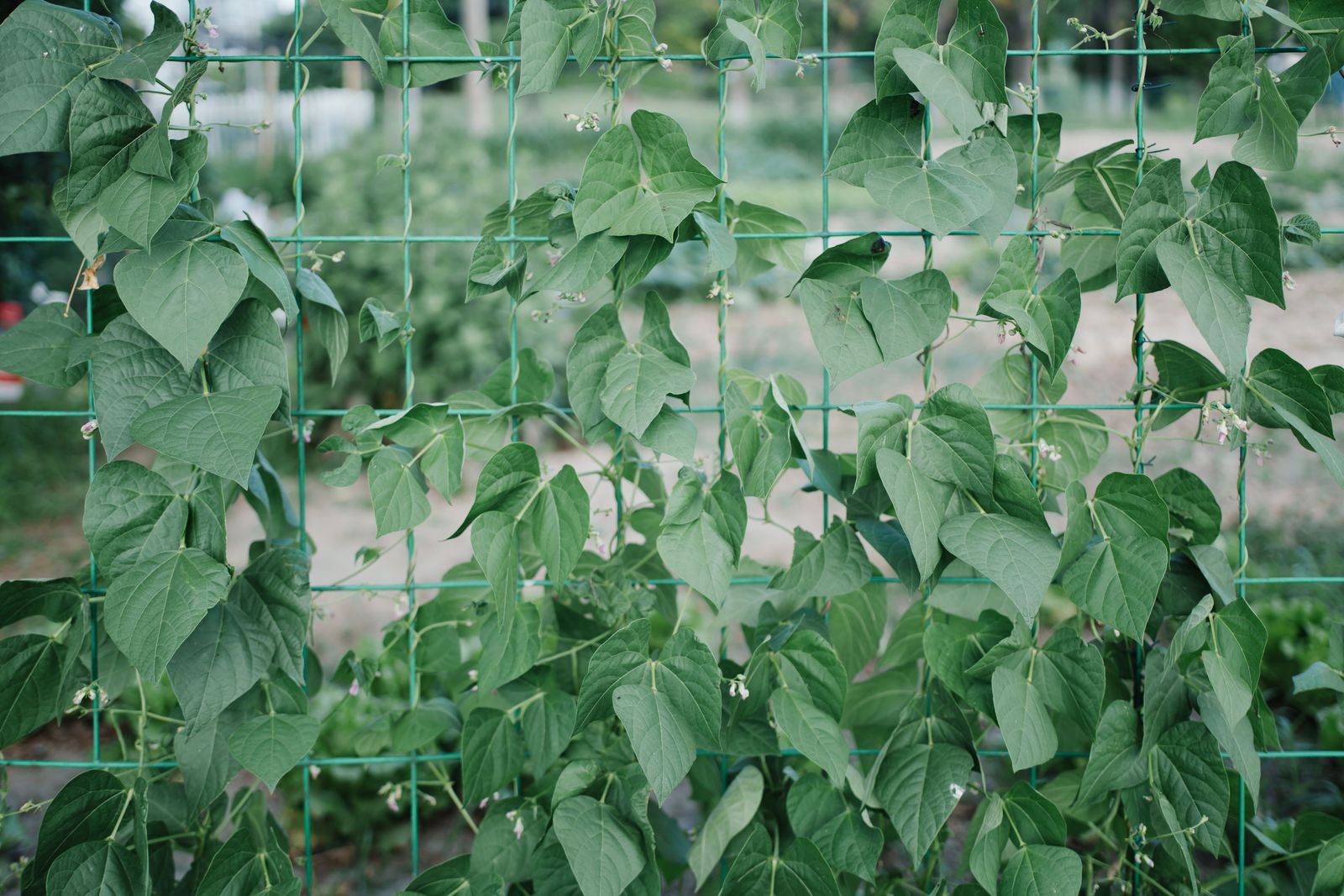
Photo: JUNLIN ZOU / Pexels
Container Green Bean Checklist
Check off each step as you finish it. Your progress stays on this page.
0 of 8 complete
0% done
The Container and the Sowing Numbers
Both types share the foundation. Container minimums across the guides sprawl from 9 to 15 inches wide and 8 to 12 inches deep; the working standard here is a 5 gallon grow bag or pot, which sits comfortably inside that range and gives roots the volume beans want. Grow bags suit beans particularly well: they drain freely, air prune the roots, and fold away in winter. Sow seed 1 inch deep, and only when the soil is warm enough, at least 55 to 60 degrees Fahrenheit, because bean seed in cold wet mix rots instead of germinating, which is the second most common container bean failure after the type confusion. Spacing inside the pot runs about 5 to 6 inches between plants; Epic Gardening's pattern of roughly a dozen seeds in a 5 gallon grow bag lands exactly there, and it is the density the checklist uses. Inoculant, the bacterial powder sold for legumes, is optional in a pot of fresh mix and genuinely useful in reused mix, but the crop will grow without it. Water the sowing in well, keep the mix evenly moist, and expect sprouts in about a week in warm soil.
The Bush Bean System: Succession Is the Crop
A bush bean plant gives you one glorious harvest window of about 2 to 3 weeks, starting roughly 50 to 60 days after sowing, and then declines. Grown as a single pot, that is a lot of waiting for a fortnight of beans. Grown as a succession, it is a supply: sow a pot, then another 2 to 3 weeks later, then another, and the harvests roll through the summer with no glut and no gap. Three or four pots in rotation is the whole system, and it is why bush beans, not pole beans, are the right answer for a small balcony: no trellis, no 8 foot vines, just a relay of modest pots. Pick every 2 days once pods start, because bush beans set their crop in response to picking, and pods left to fatten tell the plant the job is done. When a pot's production fades, pull the plants for the compost and sow the pot again the same day if the season has 60 warm days left; bush beans are fast enough to be the garden's encore crop.
The Pole Bean System: Build the Trellis First
Pole beans invert everything. One pot, one sowing, a harvest that runs for months, but the support has to exist before the vines do, because a pole bean without a structure is a tangled mat that shades itself and rots its own pods. Fix the trellis to the pot at sowing time: a teepee of bamboo canes tied at the top, a net panel, or strings run up to a railing or an overhead anchor, 6 to 8 feet of climb. Sow 4 to 6 seeds around the base of the structure in a 5 gallon pot, thin to the strongest 3 or 4 vines, and train them onto the supports as they start to run; after that they climb on their own. The harvest discipline is the same as bush beans, pick every 2 to 3 days, but the stakes are higher: a pole vine carrying maturing seed pods slows and then stops flowering, while a vine picked clean keeps setting new pods until frost. A wall of pole beans is also the fastest privacy screen a container garden can grow, which earns it pots on balconies that have no room for a crop grown any other way.
Feeding a Plant That Feeds Itself
Beans are legumes: with the right soil bacteria, they fix nitrogen from the air and feed themselves, and the container feeding rule follows from it. Feed lightly. A balanced feed at half strength once when flowering starts is plenty, and a low nitrogen mix in the 5-10-10 pattern suits the crop better than a nitrogen heavy lawn style fertilizer. Heavy nitrogen is the classic bean error: it produces a magnificent, deep green, leaf covered plant with almost no pods, because the plant reads the rich diet as a signal to grow leaves and skip the expensive business of reproduction. If your plants are lush and flowerless, stop feeding entirely and let the pot run lean; pods usually follow. Water is the input that actually matters: keep the mix evenly moist from flowering onward, because dry swings at bloom drop flowers and young pods, and a container in summer sun can swing in a single afternoon. Mulch the pot surface to buffer it.
Problems, and the End of the Season
Container beans are a short list of troubles. Aphids colonize the growing tips in warm spells; a hard water jet every few days manages them. Mexican bean beetles and their yellow larvae skeletonize leaves where they are established; handpicking on a small container planting is genuinely sufficient. White mold appears in dense, wet pole bean tangles, which is the trellis argument made again: air through the vines is the prevention. At season's end, let the last pods dry on a spent vine if you want seed; beans are among the easiest vegetables to save seed from, and a container grower's saved seed is already adapted to container life. Pull the finished plants, roots and all, and leave the nodules if you empty the pot into a bed, because those root nodules are the nitrogen the beans banked. Two crops, two systems, one rule underneath both: decide which bean you are growing before the seed goes in, and the container will do the rest.
Frequently Asked Questions
How many green bean plants can I grow in a 5 gallon container?
About a dozen bush bean seeds sown 5 to 6 inches apart, following the pattern Epic Gardening uses for a 5 gallon grow bag, thinned if every seed comes up strong; or 4 to 6 pole bean seeds around the trellis, thinned to the best 3 or 4 vines. The numbers look different because the plants are different: a bush bean is a compact 2 foot plant, while each pole vine needs its own climbing line and root room to produce for months.
Do green beans need full sun in containers?
Yes, 6 to 8 hours of direct sun is the working standard, and container placement is how you deliver it: a pot can move to the sun in a way a bed cannot. In very hot climates, afternoon shade is a kindness the plants accept, because extreme heat can stall flowering, but a genuinely shady balcony will grow leaves and few pods. If your sun is limited, choose bush beans, which set their crop in a shorter window, over pole beans that need a long bright season to pay off.
How often should I water container green beans?
Keep the mix evenly moist, checking daily in summer: a 5 gallon pot in full sun commonly needs water every day in hot weather, and every 2 days in mild spells. The critical window is flowering and pod set, when a dry swing drops blossoms and young pods. Water at the base, soak to drainage, and mulch the surface with an inch of straw or shredded leaves to slow the swing between drinks. Before flowering, the plants are more forgiving, but bean seed itself needs steady moisture to germinate, so the sowing week is not the time to let the pot dry.
Why are my container beans all leaves and no pods?
Almost always nitrogen. Beans fix their own nitrogen, and a rich diet, especially a nitrogen heavy fertilizer, tells the plant to grow foliage and skip reproduction. Stop feeding, let the pot run lean, and pods usually follow within a couple of weeks. Rule out the other two causes while you wait: not enough sun, which a container can fix by moving, and heat stress during a hot spell, which passes. If the plants are pole beans, also check that they are not spending themselves on pods you missed; maturing seed pods switch a vine off.
Can I grow green beans indoors?
On a very sunny windowsill or under strong grow lights, bush beans are the only realistic candidate, and even then the harvest is small: the indoors variants of this question fold into this article because the method is the same and the expectations should be set honestly. Indoors lacks the light intensity, air movement, and pollinator activity of a balcony, though beans self pollinate, so the light is the true limit. Treat an indoor pot as an experiment or a winter novelty, and put the serious crop outside where the sun does the work for free.
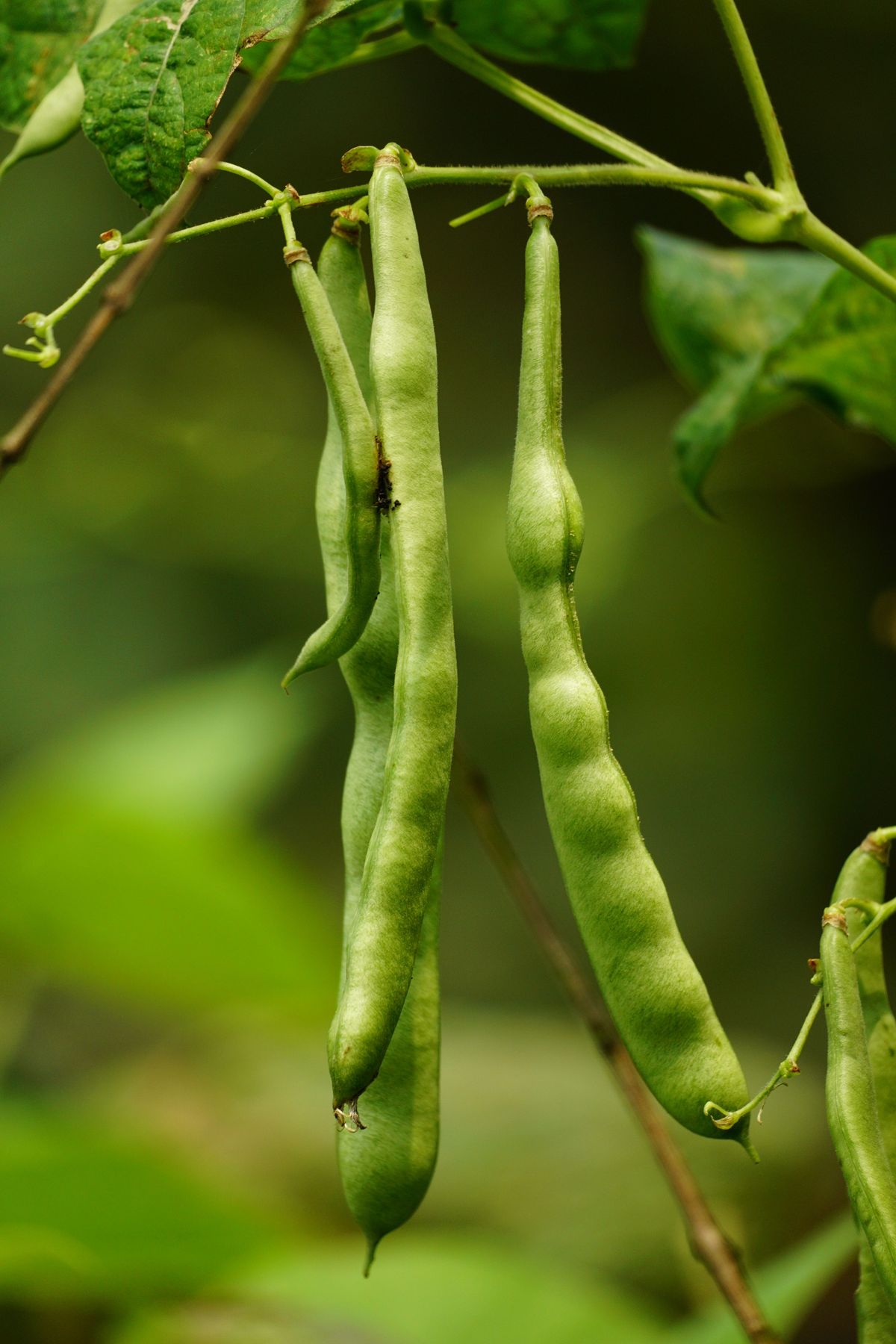
Photo credits: JUNLIN ZOU (Pexels); Duy Le Duc (Pexels). Photos are served from this site; follow the credit to the library page for the original.