How to Grow Peppers: Heat, Patience, and a Long Season
By the Windchime Walker editorial team
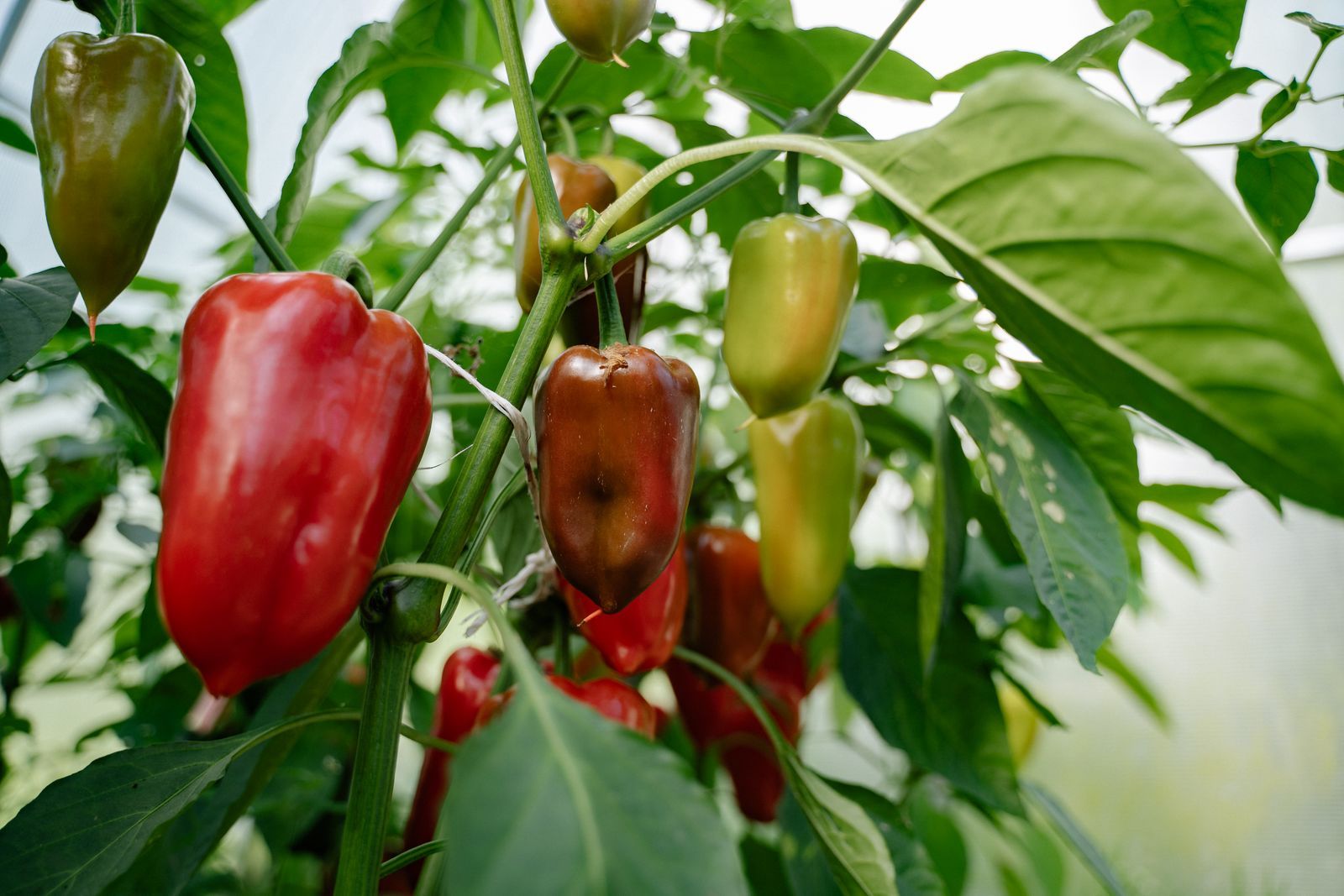
Photo: Yan Krukau / Pexels
Peppers ask more of a gardener than almost any other common vegetable, and they repay more. They are slow to germinate, slower to grow, offended by cold in a way tomatoes only pretend to be, and incapable of being hurried. A pepper plant in a northern garden spends its first two months doing almost nothing visible, then produces for ten weeks straight. Beginners fail with peppers in predictable ways, nearly all of them involving cold: cold soil at sowing, cold rooms at germination, cold nights after transplant. Get the warmth right at three moments and peppers become one of the most reliable crops you grow.
The second thing peppers ask is time. North Dakota State University Extension H1139 starts pepper seed indoors 8 weeks before the last spring frost and transplants 2 weeks after it, the longest runway of any common vegetable in the table. That long runway is the crop's character: peppers come from warm climates with long seasons, and everything in this guide is about giving a tropical plant the summer it expects.
The Plant Spacing Planner on this page carries peppers at the University of Georgia Circular 963 spacing of 24 inches between plants and 36 inches between rows. Enter your bed size and count your plants before you sow, because pepper seed is patient and a flat of forty seedlings is a commitment.
Interactive tool
Plant Spacing Planner: The Pepper Bed
Peppers are in the crop list below at the University of Georgia Cooperative Extension spacing of 24 inches between plants. Enter your bed size and count your plants before you buy transplants or sow a single seed.
8 tomato plants fit this bed
4 plants per row across 2 rows, on a 24 inch grid. Extension spacing for this crop: 24 in between plants, 48 in between rows.
The grid uses the in-row spacing in both directions, the standard square foot layout for raised beds. In open ground, keep the wider row spacing in the note above so you can walk and weed between rows.
Spacing figures: University of Georgia Cooperative Extension, Circular 963, Vegetable Planting Chart, source.
Step 1: Start Seed Early, and Start It Warm
Sow pepper seed indoors about 8 weeks before your last spring frost, in pots or cells of seed starting mix, about a quarter inch deep. Then attend to the single most ignored number in pepper growing: pepper seed germinates best at 80 to 85 degrees Fahrenheit, far warmer than a normal room. On a 68 degree windowsill, pepper seed can take three weeks or more to emerge, and beginners reasonably conclude the seed was dead. It was not dead. It was cold.
The fix costs nothing: set the tray on top of a refrigerator, on a warm bathroom floor, near a water heater, anywhere that holds steady warmth, or use a seedling heat mat if you garden seriously. In genuine warmth, seedlings emerge in about 10 to 21 days, the Burpee seed guides' range, with the fast end at proper temperature and the slow end in a cool room. Once the seedlings stand up, move them into your brightest light immediately, a south window or a lamp a few inches above the leaves, because warmth without light makes tall, weak, leggy plants.
Grow them on without fuss: water when the surface dries, and expect slow, stocky progress. A pepper seedling at transplant time should be compact and dark green, 6 to 8 inches tall. If yours are taller and paler, they wanted more light, and the lesson goes in the notebook for next year rather than into this year's plant, which will still produce once it reaches real sun and soil.
Step 2: Transplant Late, Into Warm Soil
Peppers go outside about 2 weeks after your last spring frost, per NDSU H1139, and the calendar is only half the test. The soil should have warmed to at least 65 degrees, and 70 is better, and nights should be settling above about 50 degrees. A pepper transplanted into cold soil does not die dramatically; it sits, purple tinged and motionless, sometimes for weeks, and a plant set out two weeks later into warm soil overtakes it. Waiting is not lost time with peppers. Waiting is the technique.
Harden the plants off over a week of increasing outdoor hours before transplant day, because a seedling moved straight from a still room to wind and full sun scorches and sulks. Plant at the same depth the seedling grew in its pot, peppers do not bury their stems the way tomatoes can, and water the hole well. Space plants 24 inches apart in rows 36 inches apart, the University of Georgia Circular 963 spacing. You will find guides recommending tighter spacing, down to 12 or 18 inches, and in long hot seasons that can work; the extension spacing is the one that guarantees airflow and room for the wide, branching plant a healthy pepper becomes, so it is the spacing this site plans with.
Mulch after the soil has fully warmed, not before. Mulch over cold soil in May keeps it cold, the opposite of what a pepper wants. Once nights are warm, a layer of straw or shredded leaves holds moisture and keeps soil from splashing the lower leaves.
Step 3: Water Steadily, Feed Lightly, Wait
Peppers want the garden's standard deep watering, about 1 inch a week including rain, delivered steadily. Even moisture matters more than volume: swings between drought and flood are what crack fruit and stress plants into dropping blossoms. A pepper that drops its first flowers in a heat wave is usually protecting itself, and set resumes when nights moderate. Do not chase early flower drop with fertilizer; chase it with patience and even water.
Feed lightly. Peppers grown in soil enriched with compost at planting need little more, and heavy nitrogen feeding produces the classic beginner pepper: a magnificent dark green bush with almost no fruit, because the plant spent its season making leaves. If growth is pale and slow in midsummer, a modest side dressing of compost is the gentle correction. Fruit set follows warm nights, not feeding schedules.
Support is minimal: a short stake or small cage for varieties that load heavy with fruit, tied loosely. And watch the undersides of leaves on the weekly walk for aphids, which love pepper growth tips and are handled, in a home garden, with a firm jet of water on a dry morning repeated as needed.
Peppers in Containers: The Warm Microclimate Trick
Peppers are the rare vegetable that often grows better in a pot than in the ground, especially in cool climates, and the reason is the theme of this whole article: heat. A dark pot in full sun warms its soil faster in spring and holds warmth into the evening, giving roots the temperatures the plant evolved for. A container pepper can also be moved, onto the hot patio in June, against a warm wall in September, and under cover on the one night frost threatens early, which can buy the plant two more weeks of ripening.
Size is the discipline. A pepper in a small pot is a bonsai: it will fruit, but a handful rather than a harvest. Give each plant a pot of at least 5 gallons, more for a large bell variety, with drainage holes that actually drain. Fill it with potting mix rather than garden soil, water it more often than the beds, containers dry from all sides and in summer may want water daily, and feed it a little more regularly than in ground plants for the same reason: every watering washes a little fertility out of the drainage hole. A potted pepper on a sunny step, watered faithfully, is one of the most productive single plants a beginner can own.
Containers also solve the season's endgame elegantly. A potted hot pepper, a cayenne or habanero you are fond of, can come indoors before frost and live on a bright sill through winter in a slowed, semi dormant state, then go back out in spring as a mature plant that fruits weeks earlier than any seedling. Not every plant repays the shelf space, but a favorite hot variety often does.
Choosing Varieties That Match Your Season
Pepper failure is often variety failure: the right plant in the wrong season length. Peppers count their lives in days to maturity, and a variety needing 90 warm days to color its fruit is a fine choice in a long southern summer and a green only proposition where summers are short. Read the days figure on the packet or plant tag as days from transplant, and compare it honestly against the warm weeks between your last spring frost and first fall frost.
In short seasons, choose early and forgiving varieties: banana peppers, shishitos, and jalapenos ripen faster and set more reliably than the giant blocky bells bred for long seasons and supermarket shelves. Bells in a short season are picked green, which is no failure at all, merely the variety meeting the climate on honest terms. In long seasons, the bells color, the sweets pile up, and the superhots that need months of heat become possible. Either way, two or three plants per variety is a household quantity; peppers produce steadily rather than all at once, and a single healthy plant is a weekly handful for months.
One more selection note, because beginners learn it the expensive way: hot pepper heat lives in the variety, not in your technique. No watering trick makes a bell spicy or a habanero mild, and the Scoville distance between a jalapeno and a habanero is not a gap a new gardener should cross by accident at the nursery. Buy the heat level you actually cook with, label hot plants clearly in a household with children, and wash hands after harvesting the hot ones before touching your eyes. The plant is blameless. The labeling is the gardener's job.
Step 4: Harvest, Green First, Color If You Can Wait
A bell pepper is green first and colored later, and both are ripe in the only sense that matters, which is eating. Bells are ready to pick green at about 70 to 75 days from transplant, firm and full sized, and picking them green encourages the plant to set more. Leave a green bell on the plant and it will color, red, yellow, or orange by variety, in about 3 to 4 more weeks, growing sweeter and more fragile as it does. The choice is yours per fruit: a plant asked to color everything produces fewer peppers, later, and loses more to blemishes and bugs along the way.
Hot peppers follow their variety's color rather than a rule: jalapenos are picked green or red, cayennes red and often dried. All peppers cut cleaner than they pull; use scissors or pruners and leave a short stem, because tearing a fruit off can snap the branch it grew on, and pepper branches are brittle under a load of fruit.
The season ends at the first frost, which kills the plants outright. The week before a forecast frost, harvest everything usable, including green fruit. A pepper plant has no perennial tricks in a cold climate, and its long, slow, generous season closes the way it opened: on temperature, respected from the first warm tray to the last green bell.
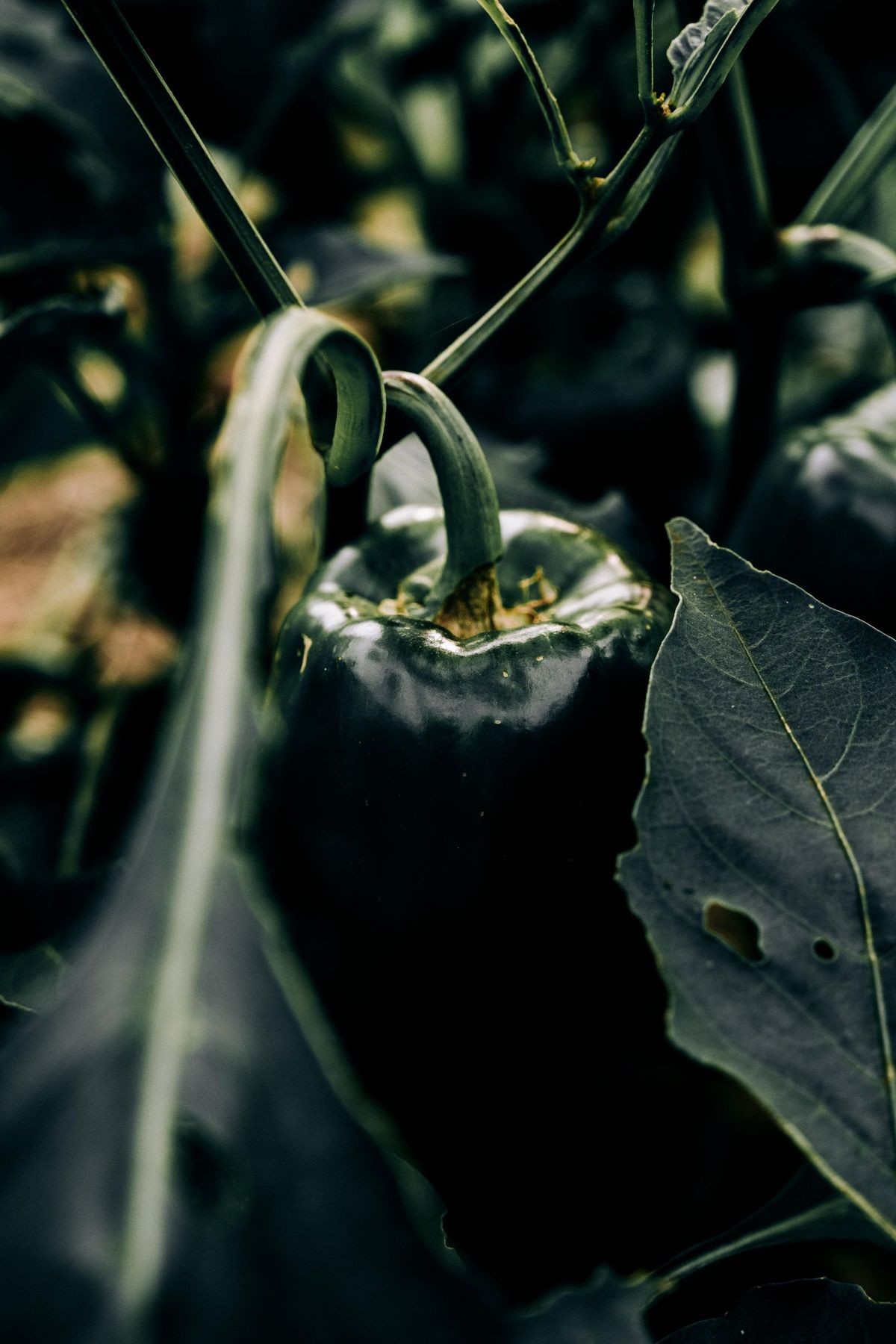
A green bell pepper growing on a plant among foliage
Troubleshooting the Season's Three Alarms
Three sights alarm pepper growers every summer, and each has a short verdict. The first is blossom drop, flowers falling unfertilized in a run of very hot or cold nights; the plant is rationing, not dying, and set resumes when nights moderate, so the prescription is steady water and no panic feeding. The second is sunscald, a pale, papery patch on the side of a fruit exposed to hard sun, often after a plant loses leaves to disease or enthusiastic pruning; the fruit is still usable with the patch cut away, and the prevention is keeping the plant's own leaf canopy intact to shade its crop. The third is the pepper that colors unevenly or stays stubbornly green late in the season, which is almost always the calendar: color needs warm weeks the plant may simply not have left, and the correct response is to pick the fruit green and enjoy it, since a green bell is a ripe pepper in every way except pigment.
A fourth sight belongs on the list because it worries beginners out of proportion: purple or dark streaking on stems and leaf joints. On many varieties this is normal pigmentation, written into the plant's genetics, and a plant growing steadily with dark joints is a healthy plant wearing its colors. Purple leaves across the whole plant in cold spring weather are the cold signal described earlier in this guide, a different thing entirely: context, as always, is the diagnosis.
Frequently Asked Questions
Why is my pepper seed taking so long to sprout?
Almost certainly temperature. Pepper seed germinates best at 80 to 85 degrees Fahrenheit, and in a cool room it can take three weeks or longer, against about 10 to 21 days in proper warmth. Move the tray somewhere steadily warm, on top of a refrigerator or on a heat mat, keep the mix moist, and wait before concluding the seed failed.
How far apart should I plant peppers?
The University of Georgia Circular 963 spacing is 24 inches between plants and 36 inches between rows, and that is the spacing this site plans with. Some guides go tighter, 12 to 18 inches, which can work in long hot seasons. The wider extension spacing guarantees airflow and room for the broad plant a healthy pepper becomes, which matters most in humid climates.
When should peppers go outside?
About 2 weeks after your last spring frost, per North Dakota State University Extension H1139, and only when the soil has warmed to at least 65 degrees, ideally 70, with nights settling above about 50 degrees. Peppers planted into cold soil sit motionless for weeks, and plants set out later into warmth routinely overtake them.
Why is my pepper plant all leaves and no fruit?
Usually too much nitrogen, or nights that are too hot or too cold for set. Heavy feeding grows a beautiful bush at the expense of fruiting. Peppers in compost enriched soil need little extra feed. Blossom drop in a heat wave is also normal and self correcting; hold watering steady and wait for moderate nights rather than adding fertilizer.
Are green bell peppers just unripe red ones?
Yes. Every bell pepper starts green, and a green bell is ready to eat at about 70 to 75 days from transplant. Left on the plant, it colors to its variety's ripe color in roughly 3 to 4 more weeks and grows sweeter. Picking green yields more peppers over the season; waiting for color yields sweeter ones, fewer at a time.
How long do peppers take from seed to harvest?
From transplant, about 70 to 75 days to the first green bells, longer for hot varieties and for colored fruit. From seed, add the indoor runway: sowing happens about 8 weeks before the last frost and transplanting about 2 weeks after it, so plan on the crop occupying your attention, lightly, from late winter to first frost.
Photo credits: Yan Krukau (Pexels); Rachel Claire (Pexels). Photos are served from this site; follow the credit to the library page for the original.