Annual Flowers for Shade: Measure Your Shade First, Then Take the List
By the Windchime Walker editorial team
Photo: Wendy Wei / Pexels
The shade annual list fails more gardeners than any plant on it, because the list is fine and the diagnosis is wrong. A bed that gets five hours of morning sun and a bed that gets one hour of dappled light are both called shade in conversation, and they grow almost entirely different annuals. So this page starts with the audit, an honest count of your direct sun hours, and only then hands over the list, keyed to the shade you actually measured. The list itself is anchored where the extension services anchor it, and it carries one piece of history every shade gardener needs: the disease that changed what impatiens means.
Our shade garden and perennial pages own the permanent planting. This page owns the annual rotation: the color you replant each year in the shade you measured.
Interactive tool
Shade Annuals Checklist
Check off each step as you finish it. Your progress stays on this page.
0 of 8 complete
0% done
The Shade Audit: Count the Hours Before the Plants
Stand at the bed at 9 in the morning, at noon, at 3, and at 6, on a day you are home, and note sun or shade at each visit. Total the direct sun honestly. Sources define the bands slightly differently, and the variance is worth naming: part shade is commonly 3 to 6 hours of direct sun, sometimes stated as 4 or more, and full shade is under about 4 hours, down to the deep shade under dense canopy where almost nothing blooms. This page uses the working version: 4 to 6 hours is part shade, where the full list below performs; 2 to 4 hours is full shade, where the list narrows to its toughest half and foliage starts outranking flowers; under 2 hours is deep shade, where the honest annual answer is foliage plants and containers you can rotate into light. Morning sun counts double in value, because it is gentle; four hours of morning sun grows more flower than four hours of afternoon sun in a hot climate, where the afternoon hours arrive with heat the shade plants did not sign up for. Measure once, write the number on the plant list, and shop with it.
The Bloom List, Anchored by Extension
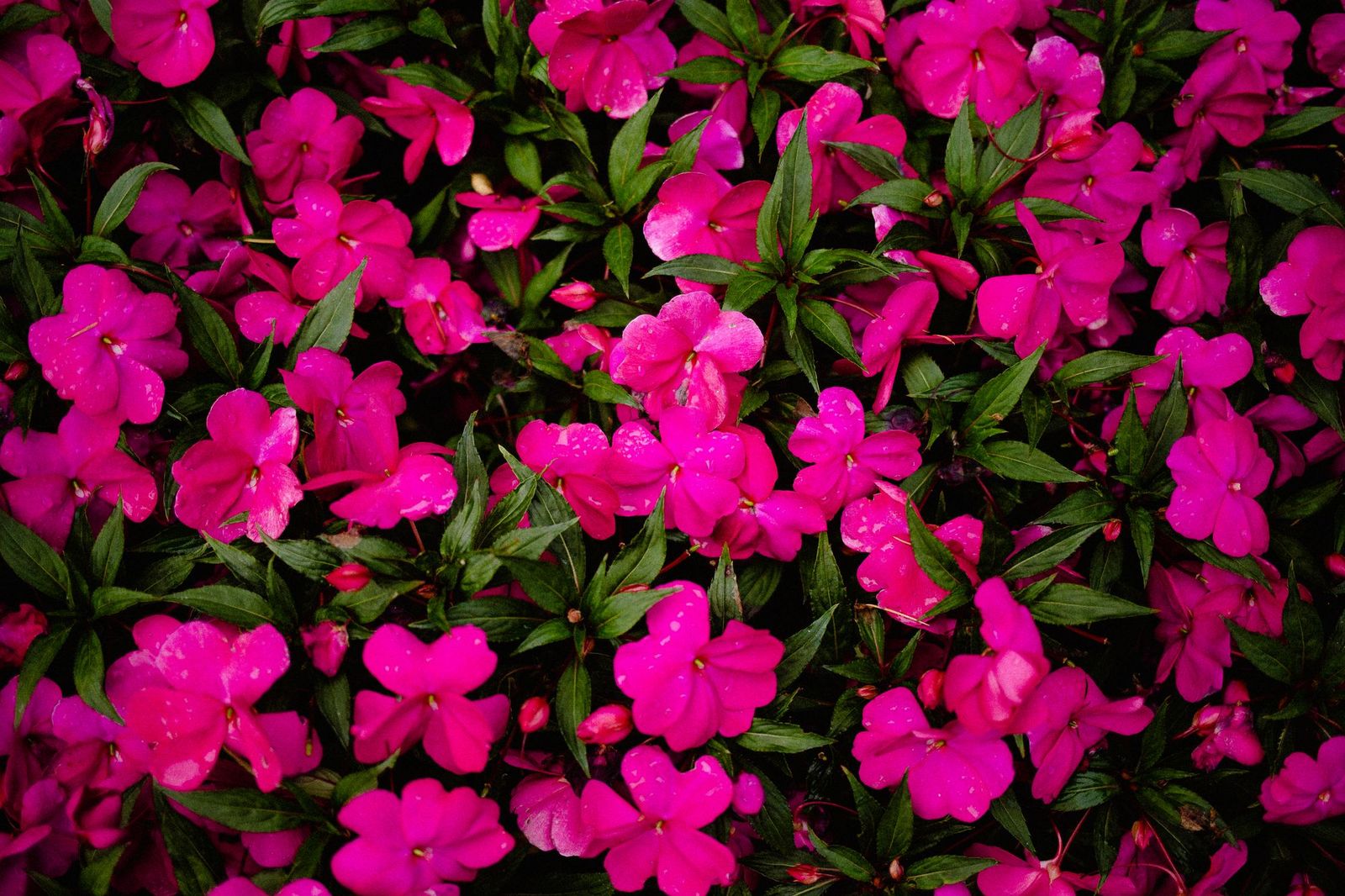
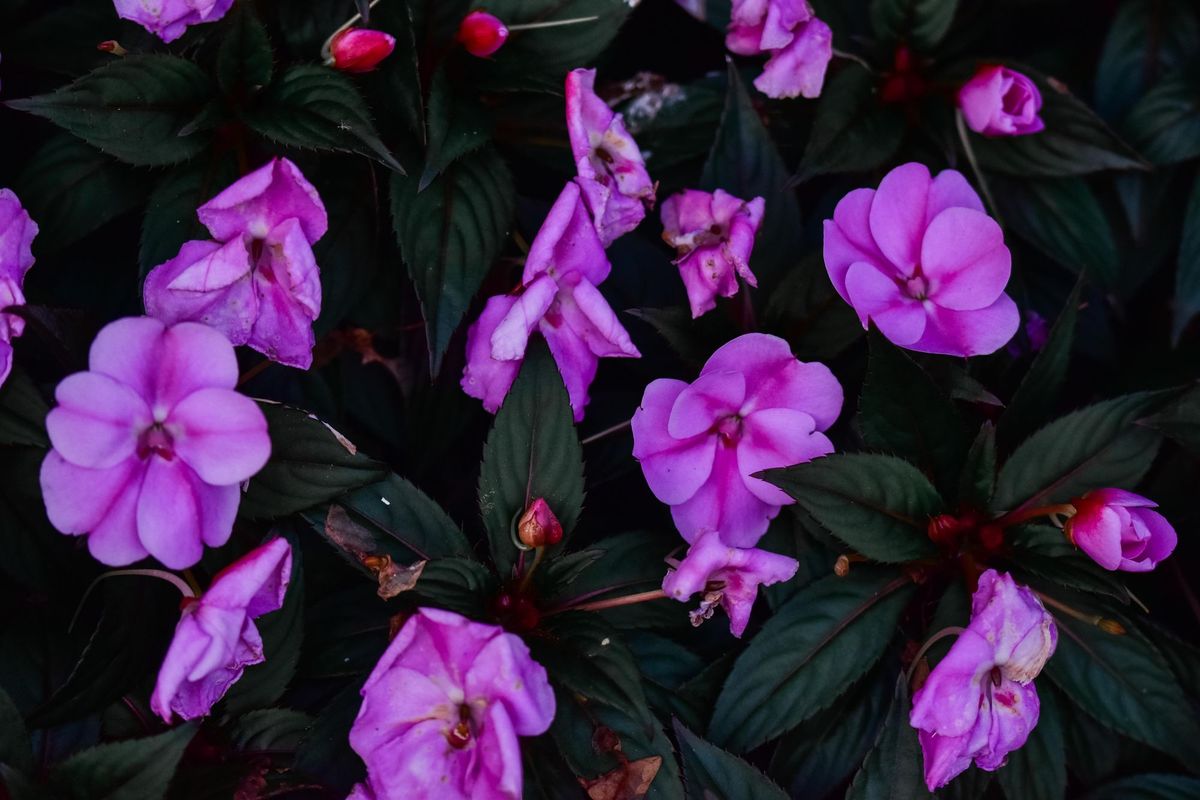
Impatiens (Impatiens walleriana) is the historical king of shade color, a mound of bloom from planting to frost in part and full shade, and its story is in the next section. New Guinea impatiens are its larger, showier cousins, with bigger flowers and often variegated foliage, tolerance for a little more sun, and, crucially, resistance to the disease that felled the king. Wax begonia is the toughest plant on this list: fibrous rooted, bronze or green leaved, flowering in part shade and surviving full shade and dry spells that end the others; it is the edging plant of shaded municipal beds for a reason. Wishbone flower (torenia) is the connoisseur's pick, trumpet flowers in blue, violet, and pink with a yellow throat, thriving in full shade and heat and humidity that sulk most shade plants, and trailing types spill from baskets and window boxes. Tuberous begonia is the drama entry, huge camellia like blooms for hanging baskets and pots in shade, with tubers that can be lifted and stored for next year. Iowa State Extension's shade annual guidance anchors this same core list, which is why these five lead every credible version of it: they are the annuals that bloom, rather than merely survive, without sun.
The Impatiens Warning: Downy Mildew Changed the Advice
Any shade list written before about 2012 recommends impatiens without a footnote, and the footnote now matters. Impatiens downy mildew, a disease that arrived in landscapes in the 2010s, defoliates Impatiens walleriana in weeks, leaving bare stems where the color was, and it persists in the soil of a bed it has visited. The practical guidance that follows from it: if impatiens have collapsed in your bed in a past season, do not replant walleriana there; choose New Guinea impatiens, which are resistant, or rotate to begonia and torenia for some years. If your bed has no such history, walleriana remains a legitimate and glorious choice, bought as healthy transplants and watched in wet weather for the telltale yellowing and leaf drop. This is the kind of detail a bare plant list cannot carry, and it is the difference between a list and a guide.
Pink New Guinea impatiens blooming in a shaded bed
The Foliage Lane: When Flowers Are the Wrong Ambition
In full shade and deep shade, the winning annuals are grown for leaves. Coleus is the shade garden's color engine, foliage in combinations no flower bed matches, from near black to acid green to magenta, in sizes from edging to shrub; pinch the flower spikes off, because the plant declines after blooming and the flowers are nothing to look at anyway. Caladium brings huge heart shaped leaves in white, pink, and red veined patterns from tubers planted in warm soil, and it wants the heat and the shade together, which makes it the deep shade answer for hot climates. Polka dot plant and Persian shield fill the smaller roles. A foliage bed in deep shade, coleus in three heights with caladium behind, reads richer than a struggling flower bed and asks less water and no deadheading. The honest gardener measures the shade, and where the hours say foliage, plants foliage without apology.
Care in Shade: Water, Food, and the Pet Note
Shade annuals live in soil that dries slowly, under trees that drink competitively, and both facts shape the care. Water deeply but less often than your sunny beds, checking the soil rather than the calendar, because shade soil held wet without sun grows fungus and unhappy roots; under trees, expect the tree roots to win any drought and water the annuals more than the shade alone would suggest. Feed modestly, a slow release at planting or half strength liquid monthly, since annuals in shade grow slower and excess fertilizer buys soft, floppy growth. Mulch lightly to hold moisture and keep soil off the foliage. One safety note belongs on this list: the ASPCA lists begonias as toxic to dogs and cats, the soluble calcium oxalates in the plant irritating mouths and stomachs, with the tuberous parts most concentrated. In a pet household, place begonia baskets out of reach and favor impatiens and torenia at ground level, checking any new annual by name against the ASPCA list as a habit. The checklist below sequences the season: audit, list by band, mildew check, plant, and the care rhythm.
Planting Day and the First Month in Shade
Shade annuals go in after frost, into soil that has been loosened and given a modest layer of compost, at the spacing on the tag and not tighter, because shade's slow drying makes crowded plantings a fungus invitation. Water them in deeply at planting, mulch lightly once they settle, and then run the shade rhythm: deep water when the top inch has dried, which in a shaded bed may be half as often as your sunny beds need, except under trees, where root competition reverses the expectation and the bed may need water more often than a sunny one in a dry spell. The fingertip check, not the calendar and not the look of the surface, arbitrates. The first month is when shade annuals are lost, and the causes are mundane: slugs, which find a shaded, mulched, moist bed as welcoming as the plants do, and which are answered with a dusk patrol, beer traps, or iron phosphate bait where pets and wildlife are a consideration; and impatience, because shade annuals grow slower than their sunny cousins and a bed that looks sparse in week two is usually a bed photographed too early. By the second month the canopy closes, the foliage lane fills its frame, and the shade garden reaches the state it holds until frost: cooler, quieter, and in flower long after the sunny beds have burned through their first act. Judge a shade planting in July, not in May, and plant enough of each kind, drifts of five or more, for the July judgment to be the one the photographs promised.
Frequently Asked Questions
What annual flowers grow best in full shade?
From the extension anchored list: impatiens and New Guinea impatiens, wax begonia, wishbone flower (torenia), and tuberous begonia, with wax begonia the toughest in the deepest shade. Below about 2 hours of direct sun, shift the plan toward foliage annuals, coleus and caladium, which deliver more color than struggling flowers.
How many hours of sun is shade?
Working definitions used here: part shade is about 4 to 6 hours of direct sun, full shade is 2 to 4 hours, and under 2 hours is deep shade. Sources vary slightly, some putting part shade at 3 to 6 hours. Morning hours are worth more than afternoon hours in hot climates. Count your bed's hours at four times of day before shopping.
Why did my impatiens collapse in past summers?
Probably impatiens downy mildew, the disease that defoliates Impatiens walleriana and persists in a bed's soil. If it has visited your bed, do not replant walleriana there; use New Guinea impatiens, which are resistant, or rotate to begonia and torenia for some seasons. Beds without that history can still grow walleriana well.
Are shade annuals safe around pets?
Mixed, so check by name. Begonias are listed by the ASPCA as toxic to dogs and cats, with the tuberous parts most concentrated, so place them out of reach in pet households. Impatiens and torenia are the friendlier ground level choices. Making the ASPCA list a pre purchase habit covers every annual, not just this list.
Do shade annuals need fertilizer?
Modestly. A slow release fertilizer at planting or half strength liquid feed monthly is enough; shade annuals grow slower than sun annuals and excess fertilizer produces soft, floppy growth instead of flowers. Steady moisture matters more than food, especially under trees whose roots compete for every drink.
Photo credits: Wendy Wei (Pexels); Diana (Pexels). Photos are served from this site; follow the credit to the library page for the original.