The general coneflower care guides treat fall as an afterthought, a line about tidying up. Fall is actually the season where coneflower care forks, and the fork is a health triage made plant by plant. University of Illinois guidance carried in the results states the healthy side of it: leave the seed heads standing, because goldfinches work them all fall and beneficial insects overwinter in the stems. The diseased side is the opposite order: a plant that carried aster yellows, mildew, or spotted foliage this year is cut to 2 to 3 inches, and every scrap of the debris leaves the garden in the trash, because its seed heads are not bird food, they are next year's inoculum. Everything else in the fall program hangs off that triage: the division window, the mulch verdict, the pre freeze drink, and the fertilizer ban. This page runs the fall program end to end; the year round care guide owns the plant in spring and summer, and this page owns it from the first cool nights to the freeze.
Home / Flowers and Houseplants
How to Care for Coneflowers in the Fall: The Health Triage, the Seed Head Calendar, and the Mulch Verdict

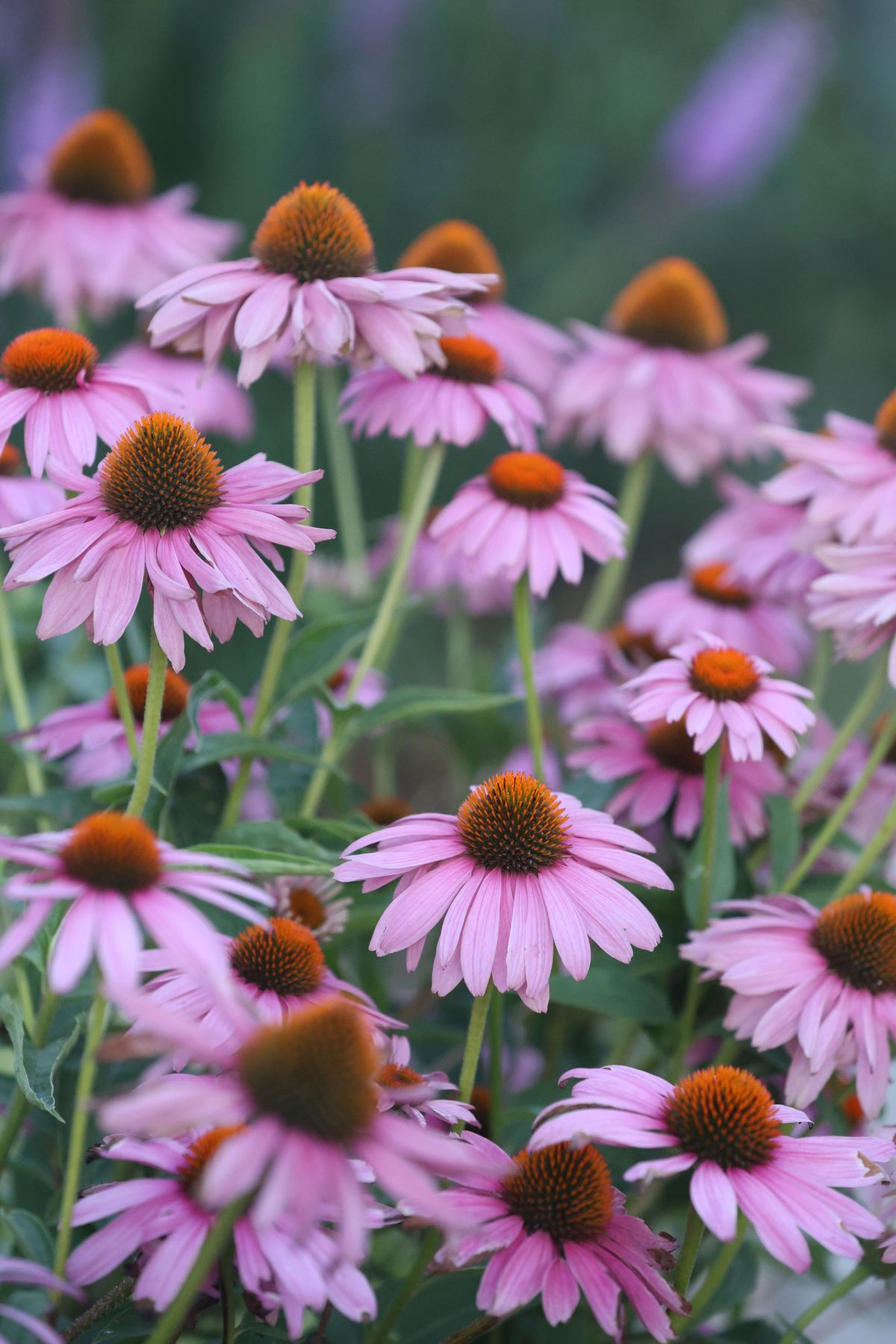
Photo: Ann Hannes / Pexels
Coneflower Fall Checklist
Check off each step as you finish it. Your progress stays on this page.
0 of 8 complete
0% done
The Triage: Healthy Plants Stand, Diseased Plants Fall
Walk the bed in early fall with two questions per plant. Did it flower normally, on green, clean foliage? And is it a plant you want feeding birds all winter? A healthy plant passes and keeps everything: seed heads standing for the goldfinches that cling to the cones and pick them clean, stems standing for the native bees and other beneficial insects that overwinter in hollow stems, and foliage left to fall naturally as frost takes it. A diseased plant fails on evidence from the season just ended: flowers that came up green, distorted, or tufted, which is aster yellows and incurable; foliage that mildewed early and hard; leaves spotted and yellowing from the base by midsummer. That plant is cut to 2 to 3 inches, the cut material is bagged and trashed rather than composted, since home compost does not heat enough to kill the pathogens, and the tools get a wipe before the next plant. The triage is the whole ballgame: a garden that stands everything carries its diseases into spring, and a garden that cuts everything starves its birds and evicts its bees for the sake of a tidiness the plants never asked for.
The Seed Head Calendar: What Stays, and When It Finally Falls
For the plants that pass the triage, the calendar is mostly a decision to do nothing, on a schedule. Through fall, the standing heads feed goldfinches and dry into the winter silhouette that makes a perennial border worth looking at in January. Through winter, the stems shelter overwintering insects and the crowns sit insulated under their own collapsed foliage. The cut comes late, in late winter or earliest spring, as new growth shows at the base: cut the old stems to the ground then, not before, so the insects that wintered in them have had their season and the crowns were never exposed bare to the hardest cold. Owners who cannot abide the standing stems have one legitimate middle path: cut the heads and stand them in a quiet corner of the garden, brush pile style, so the seed and shelter are moved rather than destroyed. What has no defense is the fall cut of a healthy plant for neatness alone; it spends the plant's whole winter value on one tidy weekend in October, and the birds and bees pay for it in February.
Division and Planting: The 4 to 6 Week Window
Fall is a legitimate division season for coneflowers, with one hard deadline: divisions and new plantings need 4 to 6 weeks of growing weather to root in before the ground freezes hard. Count backward from your first hard frost and that date is the last safe division day; later work goes into pots overwintered in a sheltered spot, or waits for spring. A clump earns division when its center has died out into a ring, when flowering has thinned, or at three to five years as routine maintenance. Lift the clump, shake it clean, and pull or cut it into sections each carrying roots and at least one crown bud, discarding the woody old center. Replant at the original depth, water in deeply, and hold the moisture steady for the first fortnight, because a division in cooling soil roots slowly and a dry week in October can undo it. New coneflowers planted in fall follow the same law: the 4 to 6 week rooting window is the price of admission, and a plant bought after it closes is better heeled into a pot against a wall than planted into ground it cannot grip before the freeze.
The Mulch Verdict and the Pre Freeze Drink
The mulch figures in the results conflict, and the conflict is instructive: some guidance runs 2 to 3 inches, other guidance 4 to 6 inches around fall plantings. Read them as two different jobs rather than two competing answers. On established plants, 2 to 3 inches of shredded leaf or bark, applied after the ground has cooled and kept off the crowns, is the verdict; its job is to moderate freeze and thaw cycles, and more is not better, because a deep mulch over a crown invites rot and voles. The 4 to 6 inch figures belong to the other job, insulating new fall plantings and divisions whose roots are shallow and unestablished, where the extra depth buys freeze protection for a root system that has not yet reached down. Whichever job, apply after the soil cools; mulch laid on warm fall soil keeps it warm and delays the dormancy the plant needs. The drink pairs with it: if the fall has been dry, water the bed deeply before the ground freezes, about 1 to 1.5 inches, because a plant entering winter in dry soil desiccates in the freeze while a hydrated one rides it out. Use the watering calculator on this site to turn that depth into gallons for your bed if you are running a hose; the pre freeze drink is the last watering of the year and it should be a real one.
The Fertilizer Ban and the Fall Do Not List
No fall fertilizer, in any form, for any coneflower. A fed plant pushes soft new growth into the first frosts, growth that dies back, invites disease, and costs the crown energy it had banked for winter. Coneflowers are lean soil plants by ancestry; most need no fertilizer in any season, and fall is where the ban is absolute. The rest of the do not list is short and worth stating whole. Do not deadhead the last flush of flowers; those heads are the bird seed the triage decided to keep. Do not cut healthy plants for tidiness. Do not divide inside the 4 to 6 week window before hard frost. Do not mulch before the ground cools, and do not pile mulch against the crowns at any depth. Do not water a frozen or freezing bed out of habit; the pre freeze drink is given to unfrozen soil on a mild day or not at all. And do not rake the bed bare: the fallen leaves among the crowns are insulation the plant arranged for itself, and the gardener's job in fall is the triage, the division window, the mulch after cooling, and the drink before the freeze. Four jobs, done once, and the coneflowers are set until spring.
Frequently Asked Questions
Should I cut back coneflowers in the fall?
Only the diseased ones. A healthy coneflower keeps its seed heads and stems standing through winter: goldfinches feed on the heads, beneficial insects overwinter in the stems, and University of Illinois guidance recommends leaving them. Cut those plants in late winter or early spring as new growth shows. A plant that carried aster yellows, heavy mildew, or spotted disease foliage is cut to 2 to 3 inches in fall, and the debris is trashed, never composted, so the disease does not carry into spring.
When can I divide coneflowers in the fall?
Four to six weeks before the ground freezes hard, counted backward from your first hard frost. Divisions and new plantings need that window to root into cooling soil before the freeze, and they should be watered in deeply and kept moist for the first fortnight. Work that misses the window is better done in spring, or the divisions potted and overwintered in a sheltered spot. Divide clumps whose centers have died out or whose flowering has thinned, keeping a crown bud and roots on every section.
How much mulch do coneflowers need for winter?
Two to three inches on established plants, applied after the ground cools and kept off the crowns. Some guidance runs 4 to 6 inches, and that figure belongs to new fall plantings and fresh divisions, whose shallow roots need the extra insulation. The two numbers are different jobs, not a disagreement to split. Mulch moderates freeze and thaw cycles; piled deeper over an established crown it invites rot and voles, and laid on warm soil too early it delays the dormancy the plant needs.
Should I water coneflowers before winter?
If the fall has been dry, yes: one deep drink before the ground freezes, about 1 to 1.5 inches of water, given to unfrozen soil on a mild day. A plant entering winter hydrated resists freeze desiccation; a plant entering in dry soil can be killed by a cold, dry winter without ever being frozen hard. If fall rains have kept the bed moist, skip it. This is the last watering of the year; nothing is watered once the ground is frozen.
Can I fertilize coneflowers in the fall?
No. Fall fertilizer pushes soft new growth that the first frosts kill, wastes the crown's banked energy, and invites disease into the dying tissue. Coneflowers are lean soil plants that need little feeding in any season, and fall is where the ban has no exceptions. If a soil test ever argues for feeding a bed, spring, lightly, is the time. The fall program is the triage, division inside its window, mulch after cooling, and the pre freeze drink.
Photo credits: Ann Hannes (Pexels); Ann Hannes (Pexels). Photos are served from this site; follow the credit to the library page for the original.