Marigolds are the easiest flower in this batch to grow and the easiest to size wrong, because "marigold" names three plants of three different statures sharing one genus of care. A signet marigold is a ferny mound a foot across. A French marigold is a compact bush of 8 to 12 inches. An African marigold is a 2 to 3 foot plant with blooms the size of a fist, and putting it in the French marigold's pot is the standard failure this page exists to prevent. So the sizing verdict comes first and as a table in words: signets in pots of 6 to 8 inches, French types in 8 to 12 inches, Africans in 12 to 18 inches or larger, with a stake or small cage for the tall ones in exposed spots. This page is differentiated from our marigolds from seed guide, which owns the sowing system, and from our marigold care guide, which owns the in-season bed care. The pot case, its sizing, its start options, and an honest account of what marigolds will and will not do indoors, is here. Run the checklist above as the build.
Home / Flowers and Houseplants
How to Grow Marigolds in Pots: The Type to Pot Table, the Bedding Plant Start, and Tall African Support
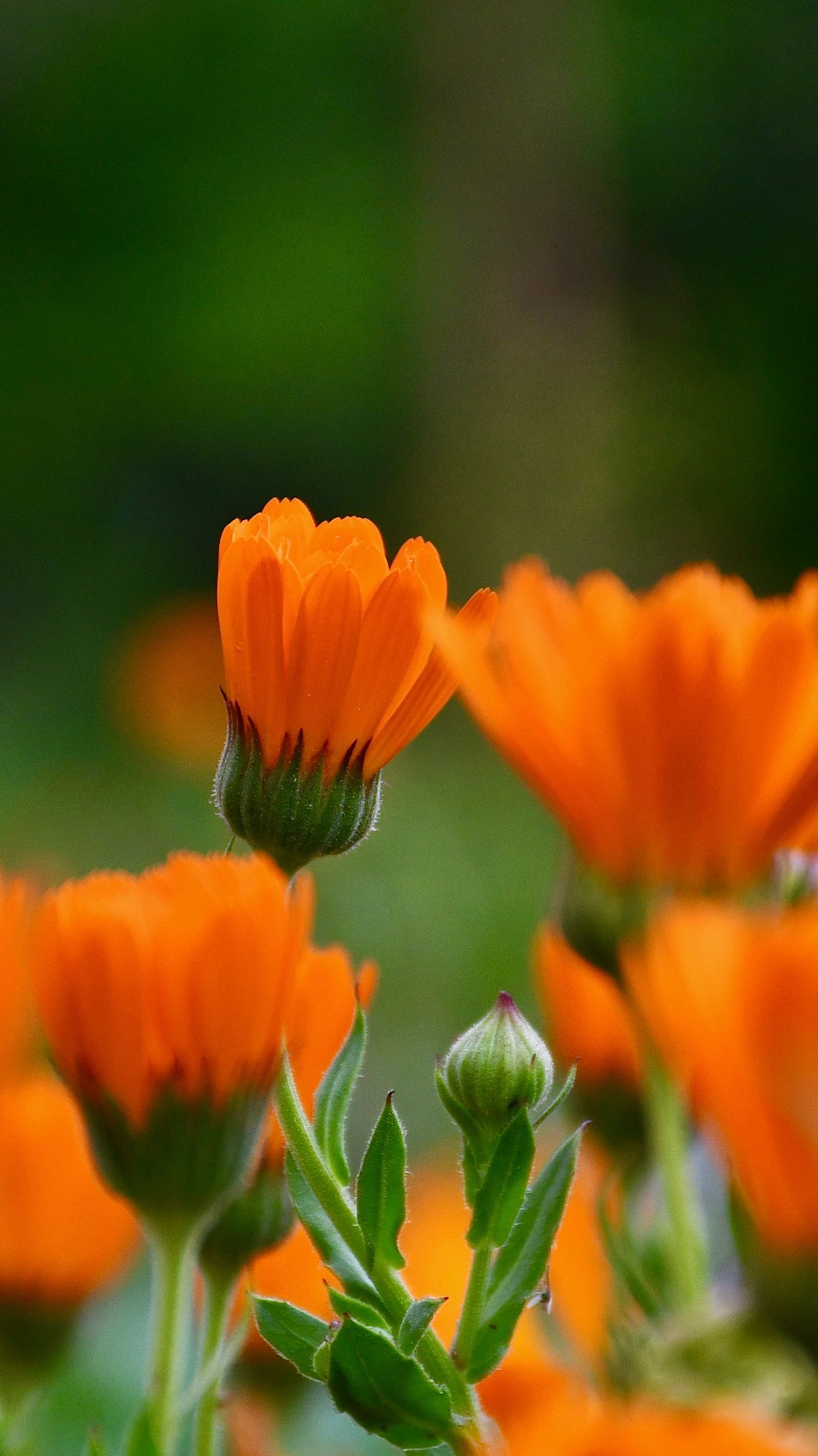
Photo: Hilal Diken / Pexels
Marigolds in Pots Checklist
Check off each step as you finish it. Your progress stays on this page.
0 of 8 complete
0% done
The Type to Pot Table: Size the Plant You Actually Bought
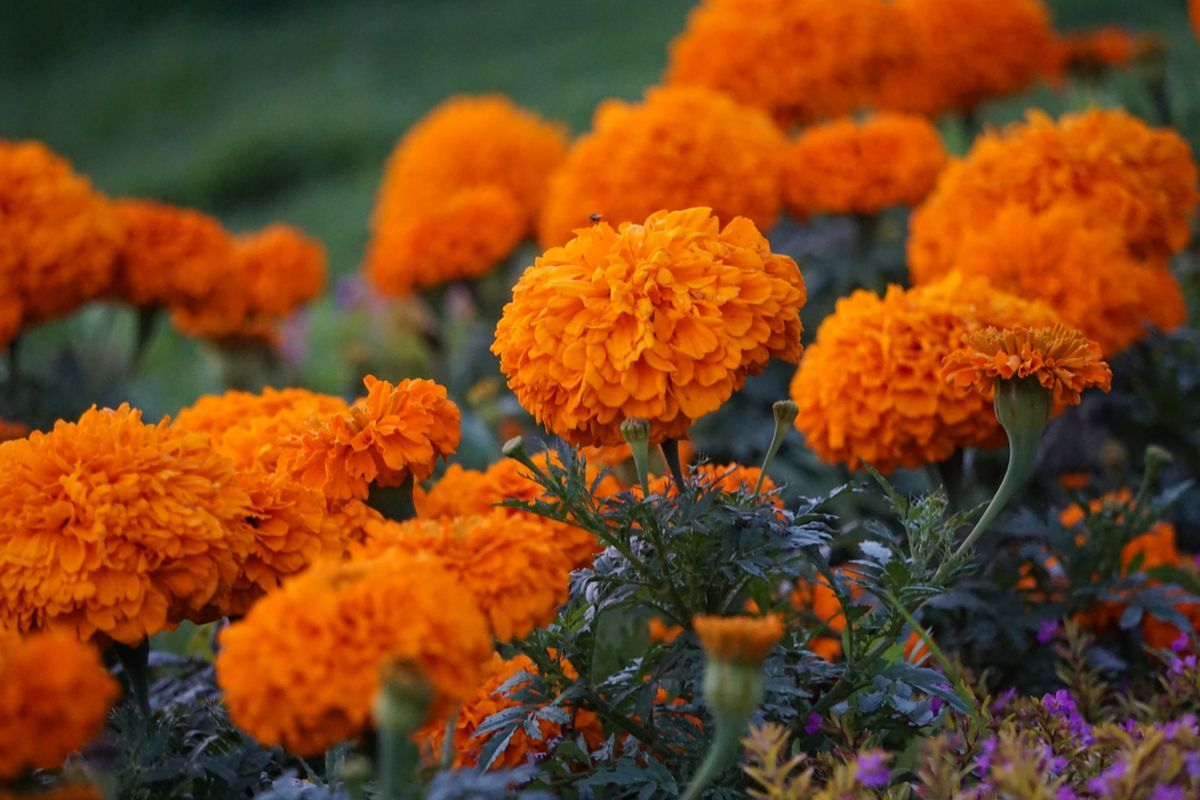
The pot serves the mature plant, not the seedling, and marigold seedlings all look the same size in the tray, which is how the mismatch happens. Signet marigolds, the small flowered, fine leaved type with the citrus scented foliage, finish at 8 to 12 inches and thrive in a 6 to 8 inch pot, a window box, or the edge of anything. French marigolds, the classic bedding type in reds and oranges, finish at 8 to 12 inches tall and wider, and an 8 to 12 inch pot gives one plant its full season of root room and water reserve. African marigolds, also sold as American marigolds, are a different order of plant: 2 to 3 feet tall, heavy headed, thirsty in proportion, and they need a 12 to 18 inch pot or larger, one plant per pot, with the watering rhythm to match. Undersizing costs twice with Africans, in daily watering emergencies all summer and in a top heavy pot that blows over in August storms. Oversizing costs little in any type; marigolds are not fussy about extra room. When the tag is lost and the type unknown, pot for the African and be pleasantly surprised, rather than the reverse.
The Start: Bedding Plants for Speed, Seed for Range
Marigolds in pots have two honest starts. Bedding plants from the garden center, bought in flower or close to it after the last frost, are the fast path: pot them the day they come home, at the same depth they grew in the cell, water them in, and the display starts within the week. For most pot growers this is the right start, and there is no virtue lost in it. Seed is the wide path: the full catalogue of varieties, including the tall Africans and the old fashioned types the bedding trade skips, sown indoors 4 to 6 weeks before the last frost, up to 8 weeks for the slowest African varieties, or direct sown into the pot after frost where the season is long, since marigold seed germinates fast in warm soil, usually within a week. Seed started plants go into their final pots young and settle better than a root bound bedding plant, and a succession sowing in early summer refreshes a display that has run since spring. Whichever start you choose, the timing rule is absolute: marigolds are frost tender to the hour, and a pot put out early can at least be carried in on a cold night, which is the container's one great advantage over the bed.
Water, Feed, and the Deadheading Split
Potted marigolds run on the top inch rule: water thoroughly when the top inch of mix is dry, at the base, until drainage runs, and empty the saucer. In summer sun a French marigold in an 8 inch pot will want that every 2 to 3 days, a big African in full growth daily in a heat wave, a signet in a small pot somewhere between, and the check decides in every case. The mix is any decent potting mix; drainage matters more than richness. Feeding is light and can be close to optional: a modest balanced feed at potting and perhaps once mid season is the whole schedule, and overfed marigolds grow leaf at the expense of flowers exactly as their zinnia cousins do. Deadheading splits by type, and the split is worth knowing before you spend a summer snipping the wrong plant. French and African marigolds reward deadheading directly, each spent head cut back to a leaf pair returning as new buds within days. Signets flower in such profusion, in blooms small enough to shatter and fall cleanly, that deadheading them is optional cosmetic work; most growers shear a signet lightly once mid season instead and let it rebloom as a mound. Spider mites are the pot specific pest, thriving in the hot dry air around patio pots; a hard spray of water under the leaves on watering day is both the check and the cure.
The Indoor Honesty Section, and the Season's End
The indoors variant of this question folds into this section, and it deserves a straight answer: marigolds are outdoor plants that tolerate a visit inside, not houseplants. A potted marigold brought to a sunny windowsill will finish the flowers it carried in and may push a few more in the brightest light, but the low light, still air, and short effective day of a winter room stretch it leggy, pale, and mite prone within weeks. Grow lights at 14 or more hours can hold a plant in reasonable shape, and some growers do overwinter a favorite that way; as a general promise, though, the honest guidance is to treat the indoor move as a short extension for a late display or a frost rescue of a few nights, not a winter plan. The season's real ending is more useful: marigolds are among the easiest seed saves in the garden. Let the last heads dry on the plant in fall, crumble them, and the slender seeds inside are next spring's sowing, true enough to type for most garden varieties. Run the type table, start the way that suits you, water at the top inch, and deadhead the types that pay for it: marigolds in pots are the least demanding success in this entire batch.
Frequently Asked Questions
What size pot do marigolds need?
It depends on the type, which is the point of this page. Signet marigolds finish small and thrive in 6 to 8 inch pots. French marigolds, the classic bedding type, want 8 to 12 inch pots, one plant per pot. African marigolds are 2 to 3 foot plants with fist sized blooms and need 12 to 18 inch pots or larger, one plant each, with support in exposed spots. When the type is unknown, size for the African; oversizing costs marigolds almost nothing and undersizing costs water stress all summer.
When should I start marigold seed for pots?
Four to 6 weeks before the last frost for most types, sown indoors, and up to 8 weeks for the slowest African varieties. Marigolds germinate fast in warm soil, usually within a week, and can also be direct sown into their pots after all frost danger passes where the season is long. Bedding plants bought after frost are the faster start and the right choice for most pot growers. Never set plants out early: marigolds are frost tender, though a pot can at least be carried in on a cold night.
How often do marigolds in pots need water?
When the top inch of mix is dry, water thoroughly at the base until drainage runs. In summer that is typically every 2 to 3 days for a French marigold in an 8 inch pot, daily for a large African in a heat wave, and somewhere between for signets in small pots. Terracotta dries faster than plastic. Keep water off the foliage where you can, empty saucers, and use the deadheading round to check under the leaves for spider mites, the classic patio pot pest.
Do marigolds in pots need deadheading?
French and African marigolds do, and pay for it immediately: cut each spent head back to a leaf pair and new buds follow within days. Signet marigolds flower in such small, profuse blooms that they largely clean themselves, and deadheading them is optional; a light shear mid season refreshes the mound. Feeding stays light for all types, a modest feed at potting and perhaps one more, because overfed marigolds grow leaves instead of flowers.
Can marigolds grow indoors?
Not as a lasting houseplant, honestly. A potted marigold on the brightest windowsill finishes its carried flowers and may add a few, but winter indoor light stretches it leggy and pale and invites spider mites within weeks. Strong grow lights at 14 or more hours a day can hold one, and a few nights indoors as frost rescue is always worth it. Treat the indoor move as a short extension, and save seed from the last fall heads instead; that is the reliable way to have the same marigolds next year.
Photo credits: Hilal Diken (Pexels); Anthony Harold Wilson (Pexels). Photos are served from this site; follow the credit to the library page for the original.