Best Plants for Beginners Indoor: A Room by Room Guide
By the Windchime Walker editorial team
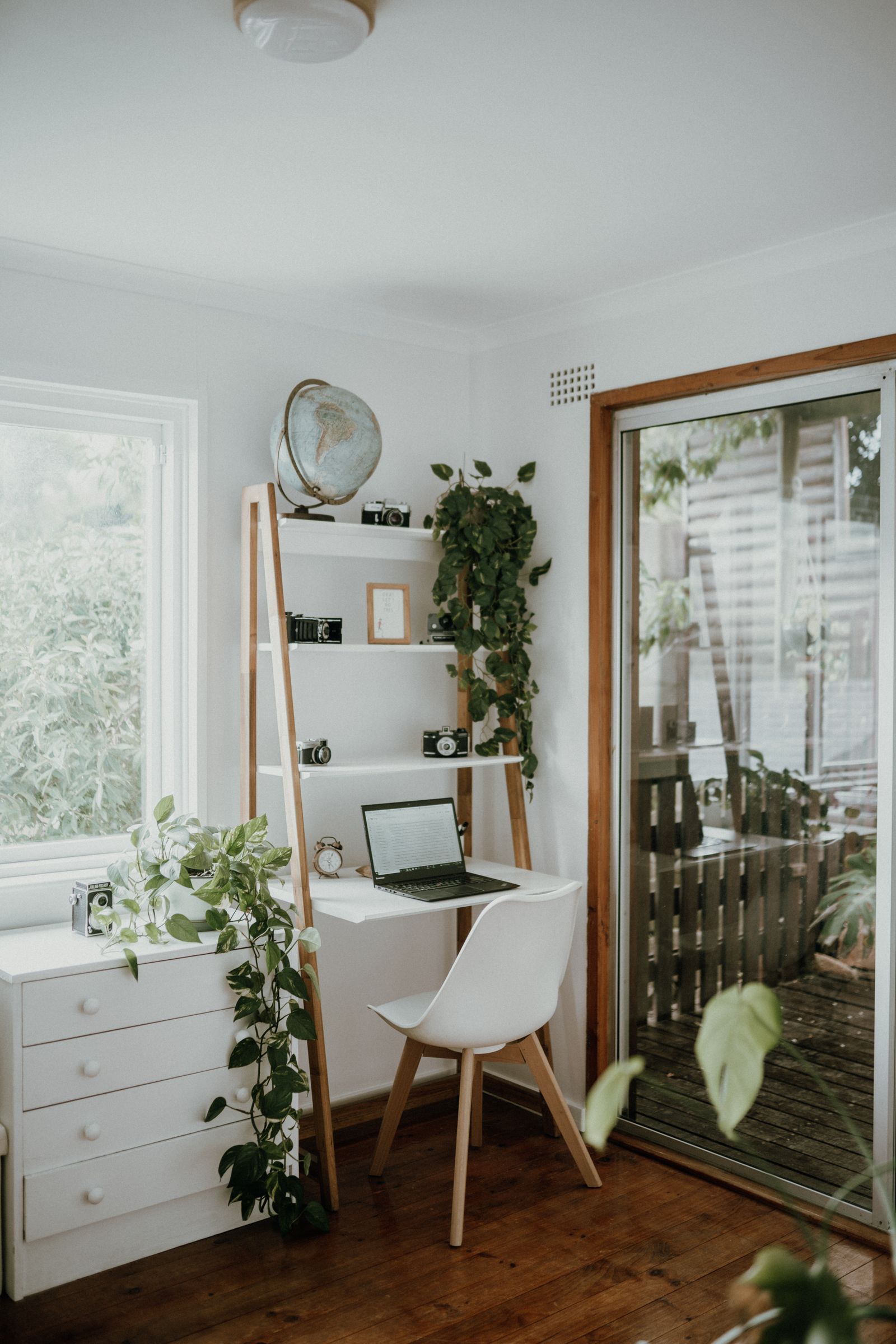
Photo: Taryn Elliott / Pexels
Every list of the best indoor plants for beginners makes the same mistake: it hands you twenty plant names and no idea where any of them should live. So the plant comes home, goes on whichever shelf has space, and spends a month quietly mismatched to its room, too dark on the bookcase, too dry beside the radiator, too thirsty for the owner who travels. Indoor plants rarely die of neglect in the abstract. They die of a specific room.
This guide works the other way around. Start with the room you actually want to green, and take the plant that belongs there. Each room below has honest picks, the reason they work in that light and air, and the one watch out that matters. A short note on pets runs alongside, because a plant that is easy for you should also be safe for the animals who share the room. And at the end, the store checks: five things to look at before any plant, however recommended, earns your money.
One principle governs everything here, and Mississippi State University Extension states it plainly: light is the number one factor in indoor plant success. More houseplants fail from being placed in light they cannot use than from any watering error. So each room below is described by its light first, because the light is the plant's real address.
The Indoor Plant Room Match Checklist on this page pairs rooms with plants and ends with the store checks. Tick your way through it in the shop, phone in hand, and the plant you carry home will be the one your room would have chosen.
Interactive tool
Indoor Plant Room Match Checklist
Check off each step as you finish it. Your progress stays on this page.
0 of 6 complete
0% done
The Bright Sill: Where Beginners Should Start
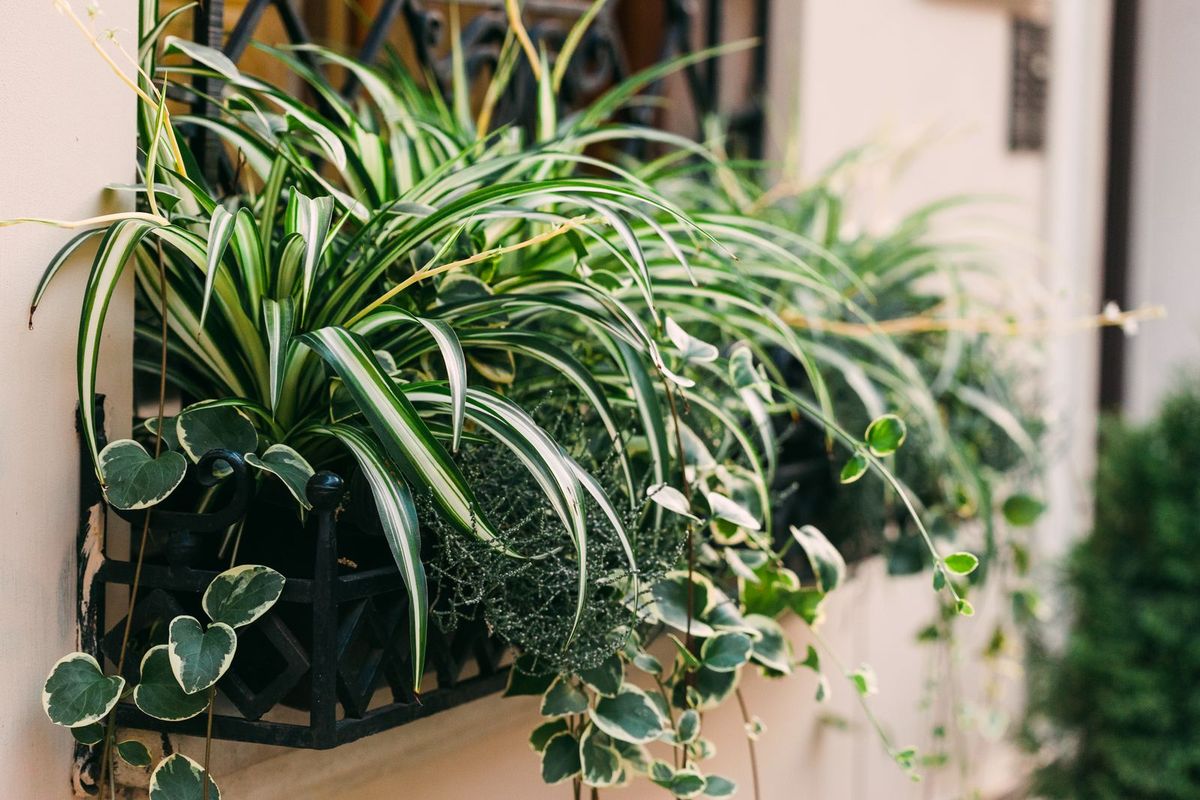
A south or east facing windowsill, or the foot of floor space right beside one, is the easiest real estate in the house, and it is where a first plant should live. Here you can keep the forgiving classics at their happiest. A pothos trails from a sill pot and tolerates a missed watering with nothing worse than a sulk, rooting so willingly in water that one plant becomes next year's gifts. A spider plant arches its striped leaves and produces baby plantlets on long stems, which is why it has been the starter plant of grandmothers for a century. Both are non toxic to cats and dogs per the ASPCA, which makes the bright sill the safest place in this guide to begin.
The watch out on a bright sill is the glass itself. A plant pressed against a south window in high summer can scorch, and in winter the same glass chills leaves that touch it. A hand's breadth of distance solves both. Herbs also belong here, a small pot of basil or rosemary grown for the kitchen, accepting that indoor herbs are a pleasant garnish project rather than a harvest.
The Desk and the Home Office
A desk usually sits a few feet from a window, in bright indirect light, which is a larger and more useful zone than beginners realize. This is snake plant and ZZ plant territory: upright, architectural, and content to be watered when you remember rather than when a calendar commands, every few weeks rather than every week. A snake plant in a desk corner asks for almost nothing and gives back a strong vertical shape among the screens and paper.
The watch out here is honesty about pets and about the plants themselves. Snake plants and ZZ plants contain compounds the ASPCA lists as toxic to cats and dogs if chewed. In a pet free office they are ideal; in a home where a cat patrols the desk, choose the spider plant or a parlor palm instead, both non toxic, and keep the toxic list for shelves a pet cannot reach. The desk's second watch out is the watering can kept too close: plants beside a workspace get watered out of distraction, a splash every time the kettle boils, and more office plants drown from kindness than from drought.
The Bathroom: Humidity Is the Whole Story
A bathroom with a window is a small jungle waiting to happen, because the shower does your humidity work for you. Ferns that crisp and sulk in a dry living room relax here; a Boston fern on a bathroom shelf is living the life it evolved for. Air plants and many orchids also thrive in the steamy bright bathroom, watered by the room itself half the week.
The window is not optional, though. A windowless bathroom is a cave with plumbing, and no plant photosynthesizes in the dark, whatever the label implies. For a bathroom without a window, the honest answer is a good artificial plant or a rotation: two plants swapping weekly between the bathroom and a bright room, each spending half its life in real light. The watch out in a bright bathroom is the opposite of most rooms: soil stays moist longer in humid air, so water by the finger test, not by habit, and let the top of the soil dry between drinks.
The Low Light Corner: Lower Your Expectations, Not Your Standards
Every home has the corner where a plant is wanted most and light is scarcest, several feet from the nearest window or facing north. Plants survive here; very few thrive, and the honest picks are the ones bred by deep shade tolerance. The cast iron plant earned its name in Victorian parlors lit by gas: dark green leaves, slow growth, and indifference to dim corners and irregular watering. It is also non toxic per the ASPCA. Peace lilies tolerate low light and will even flower in it, though they are toxic to pets if chewed, and their dramatic wilt when thirsty, followed by a full recovery after watering, makes them oddly good teachers for a beginner learning to read a plant.
The watch out is the phrase low light itself, which in plant marketing means anything short of a closet. Low light tolerant plants still need a room with windows; they are placed across the room from the light, not in a room without any. In a truly dark corner, rotate two cast iron plants monthly between the corner and a brighter room, or accept a handsome pot and a dried arrangement. A plant is a living thing, not furniture, and the corner does not get a vote on physics.
Spider plants and variegated leaves in a window planter indoors
The Pet Safe Shortlist, and the Honest Toxic List
Because this comes up in every room, here it is in one place, following the ASPCA's listings. Non toxic to cats and dogs: spider plant, parlor palm, cast iron plant, Boston fern, and most true palms. Toxic if chewed: pothos, peace lily, ZZ plant, snake plant, and philodendron, all containing calcium oxalate crystals or similar irritants that make a chewing pet miserable and occasionally worse. Toxic does not mean forbidden; it means placed with intent, on high shelves and in hanging pots, in rooms the pet does not rule. A beginner with a plant chewing cat simply starts from the non toxic list and loses nothing worth having.
A Word on Watering Indoors, Since Every Room Asks
The room match decides the plant. Watering decides how long it thanks you. Indoor watering fails in one direction far more than the other: more houseplants are killed by water given too often than by water forgotten, because a pot has no weather and no worms, and soil that never dries suffocates roots quietly for weeks before the plant announces it. The rule that replaces every schedule is the finger test: push a finger into the soil up to the second knuckle. For most foliage plants, water when the top 1 to 2 inches are dry. For succulents, snake plants, and ZZ plants, let most or all of the soil dry first.
When you water, water completely: pour until water runs from the drainage hole, which means the whole root ball drank, not just the surface. Then empty the saucer after 15 to 30 minutes so the pot never stands in its own runoff. Half measures, a splash here and there, wet only the top layer and train roots upward into the driest, saltiest part of the pot. A plant watered rarely and thoroughly will outlive a plant sipped daily in nearly every room in this guide.
Season bends the rhythm too. The same plant that wants water every week in June may want it every two or three weeks in January, when light is weak and growth is paused. This is why the finger test outranks the calendar: the soil reports the plant's actual drinking, in your actual room, in this actual week.
The Store Checks: Five Looks Before You Pay
The room match gets you to the right species. These checks get you the right individual plant, and they take two minutes. First, the leaves, top and underside: look for the fine webbing of spider mites, white cottony specks of mealybug, and any leaf that is yellowing in a pattern rather than from age. A plant with pests is a project, not a purchase. Second, the soil surface: a forest of tiny fungus gnats rising when you tap the pot means the soil has been kept wet for weeks, and the roots may already be compromised.
Third, the drainage hole: roots circling out of it in a thick mat mean the plant has outgrown the pot, which is fine if you plan to repot and a discount if you ask, but know what you are buying. Fourth, new growth: a plant pushing a fresh leaf or spear is a plant whose engine is running; a plant with no new growth and tired leaves in the growing season is telling you something. Fifth, the overall shape: choose the compact, many stemmed plant over the tall leggy one at the same price. Legginess is a record of light hunger, and you are buying the plant's future, not its past.
Take the plant home, water it once if the soil is dry, and then leave it alone in its chosen room for two weeks before judging it. Plants sulk after moves. The beginner who repots, relocates, and fertilizes in the first week is loving the plant to death. The one who places it well and watches has done the whole job.
The First Month: What Settling In Looks Like
A plant's first month in a new room follows a script that frightens beginners who have not seen it before. The plant may drop a leaf or two in the first fortnight, usually its oldest, as it adjusts its estate to the light your room actually provides rather than the greenhouse light it grew up in. Growth pauses. The soil dries at a rate you did not predict, because your room's humidity and air movement are its own. All of this is negotiation, not decline, and the correct response is the discipline this guide has preached throughout: water by the finger test, leave the plant in its place, and do not repot, feed, or relocate it in a flurry of concern.
By the end of the month, a well matched plant announces the match: a new leaf spear in the ZZ plant's slow time, a fresh frond on the fern, a new pair of leaves on the pothos's longest runner. That new growth is the plant signing the lease. From there, care is the light housekeeping of the seasons, a little more water and a first feeding when growth is active in spring, a little less of everything in winter. The room match did the heavy lifting on day one, which is why this guide spent its length on rooms rather than on rescues: the best indoor plant care is a decision made once, correctly, in the shop and at the door.
Frequently Asked Questions
What is the easiest indoor plant for a beginner?
The spider plant is the traditional answer and still the right one for most people: it tolerates bright to medium light, forgives irregular watering, is non toxic to cats and dogs per the ASPCA, and produces baby plantlets you can pot up for free. Pothos is equally easy and trails beautifully, but it is toxic if pets chew it, so placement matters.
Which indoor plants are safe for cats and dogs?
Per the ASPCA, spider plants, parlor palms, cast iron plants, and Boston ferns are non toxic to cats and dogs. Pothos, peace lilies, ZZ plants, snake plants, and philodendrons are toxic if chewed. Toxic plants are not banned from pet homes, but they belong on high shelves or in hanging pots where pets cannot reach them.
Why does light matter more than watering for indoor plants?
Mississippi State University Extension calls light the number one factor in indoor plant success, because a plant in light it cannot use weakens no matter how carefully it is watered, while a plant in good light forgives most watering mistakes. Match the plant to the room's light first: bright sill, indirect desk light, humid bathroom, or shaded corner, and watering becomes a minor detail.
Can any plant live in a room with no windows?
No plant thrives without light, and a windowless room offers none. Low light tolerant plants like cast iron plants still need a room with windows; they simply sit farther from them. For a windowless bathroom or hallway, rotate two plants weekly between that room and a bright one, or choose a quality artificial plant and save a real one the slow decline.
What should I check before buying a houseplant?
Five things: leaf undersides for pests like spider mites and mealybug, the soil surface for fungus gnats, the drainage hole for a root bound mat, fresh new growth as a sign the plant is actively growing, and a compact shape rather than a leggy one. Two minutes of checking in the store prevents the most common beginner disappointment, bringing home a plant that was already failing.
How long should I wait before repotting a new plant?
At least two weeks, and usually longer. A new plant is adjusting to your home's light and humidity, and repotting adds stress to the adjustment. Place it in its room, water when the soil calls for it, and let it settle. Repot when roots crowd the drainage hole or growth stalls in spring, not because the nursery pot is ugly; a cache pot hides it meanwhile.
Photo credits: Taryn Elliott (Pexels); Julia Filirovska (Pexels). Photos are served from this site; follow the credit to the library page for the original.