How to Grow Rosemary: Cuttings, Drainage, and the Winter Decision
By the Windchime Walker editorial team
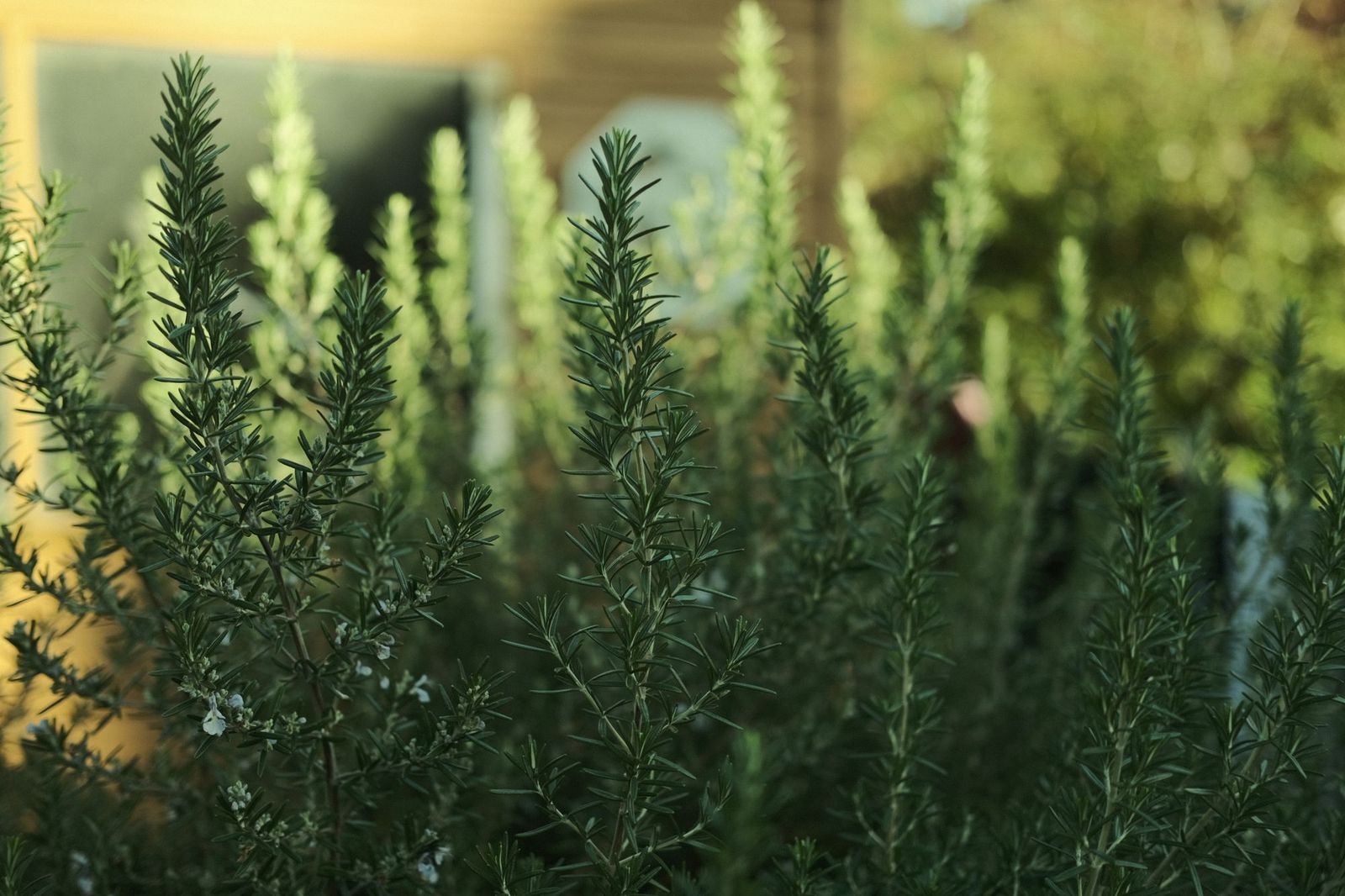
Photo: Ericson Fernandes / Pexels
Rosemary is the herb that humbles confident beginners, because it dies of kindness. The plant comes from the dry hillsides of the Mediterranean, where it grows in poor, stony soil under a hard sun and is rained on when the sky feels like it. Brought indoors or into a rich, watered garden bed, it receives everything a kind gardener gives (rich soil, frequent water, a cozy corner) and dies of all three. Growing rosemary well means reversing your instincts: lean soil, rare water, maximum sun, and drainage you could set a watch by. Do that, and the same plant becomes a fragrant evergreen shrub that outlives garden fads and most gardeners' other herbs.
Two decisions decide the plant's fate before any care begins, and this page makes them in order: start from cuttings, not seed; and settle the winter question, pot or ground, from your climate rather than your hopes. Everything after that is a light routine of sun, restraint, and harvest pruning.
Interactive tool
Rosemary Season Checklist
Check off each step as you finish it. Your progress stays on this page.
0 of 6 complete
0% done
Step 1: Start from Cuttings, the Beginner Default
Rosemary seed is slow and erratic, taking up to three weeks or more to germinate unevenly, and the seedlings vary. Cuttings are how the plant is actually propagated, by nurseries and by grandmothers: a cutting is a clone, true to the parent plant's flavor and habit, and it roots willingly. Buy a healthy plant from a nursery for your first rosemary if you have no parent plant to cut from; that plant then becomes your cutting factory for every rosemary you will ever need.
To take a cutting, snip a sprig about 5 inches long from the soft, green growth at a stem tip, not the woody old base. Strip the leaves from the lower half, and set the sprig in a jar of water on a bright windowsill, or push the stripped end into a small pot of moist, gritty mix. Water rooting is slower but lets you watch; mix rooting is faster in warm weather. Roots in a few weeks, then pot up into gritty mix and grow on until the young plant is sturdy. A spring cutting is a garden plant by summer, and it cost nothing but a sprig.
Step 2: The Drainage Test Decides the Spot
Rosemary wants full sun, all of it, and soil that drains like a sieve. Run the test before planting: dig a hole a foot deep, fill it with water, let it drain, fill again, and watch the second filling. Gone within the hour is rosemary ground. Standing for hours is a pot's job description. Between the two, raised beds and berms lift the plant into drainage, and amending a whole bed area with grit helps where a single amended hole would become a sump.
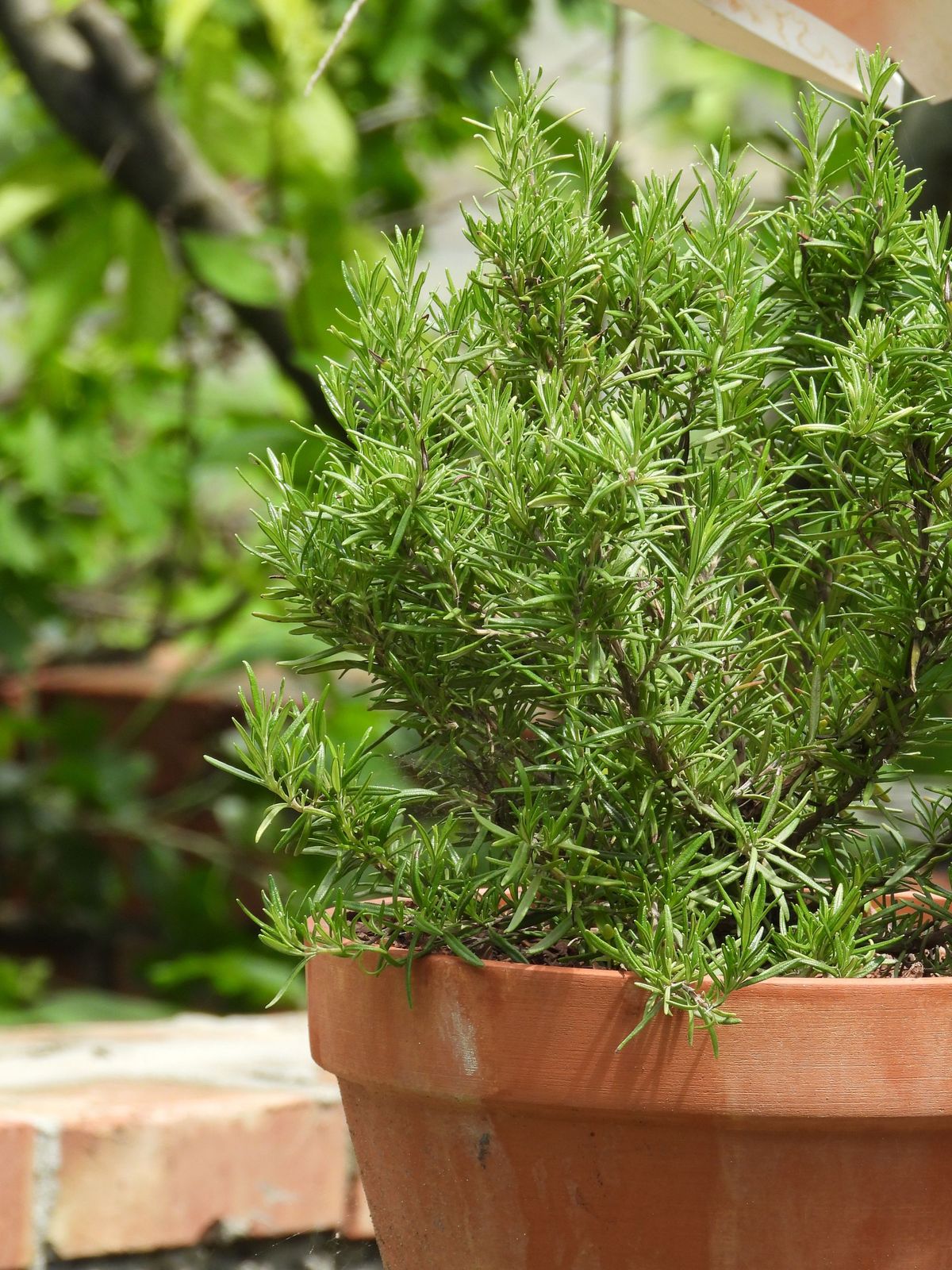
The soil itself should lean lean and slightly alkaline friendly, around pH 6.0 to 7.0, and ordinary garden soil usually sits in that band without adjustment. Rich, heavily composted, moisture holding soil is the enemy in a friendly disguise: rosemary in it grows soft, roots shallow, and rots at the crown in the first wet winter. In containers, use a gritty mix (potting mix with extra perlite or coarse sand), a pot with a real drainage hole, and a saucer you empty. Clay pots suit rosemary beautifully, drying between waterings the way the plant prefers.
Step 3: Plant at Shrub Spacing
A rosemary plant is not an annual herb; it is a shrub in waiting. Space plants 18 to 36 inches apart by variety and climate (in warm climates they grow large and want the wide end), and plant a single specimen where it will have a couple of feet of elbow room in every direction within two years. The small plant from the nursery looks lost at that spacing for exactly one season.
Set the plant at the depth it grew in its pot, firm the soil, and water in once deeply. Then mulch with gravel or leave the soil bare around the crown rather than piling organic mulch against the stems; a dry crown is a living crown. In the ground in warm climates, that is nearly the whole planting ceremony, which is as it should be: rosemary's demands are all in the siting, and a plant sited right asks little afterward.
A rosemary plant growing in a terracotta pot outdoors
Step 4: Water Like the Mediterranean
The watering rule is drought logic: water deeply, then wait until the soil has dried well down before watering again. Established in ground plants in most climates need water only in extended drought; container plants dry faster and are checked weekly, watered when the mix is dry a couple of inches down. The plant tells you its state honestly: gray, slightly curled needles in a dry spell are normal economy, not distress, and the plant perks up after a real drink.
Overwatering is the killer, and its signature is a plant that yellows and drops needles from the inside out while the soil stays damp, roots rotting in the wet. The rescue, attempted early, is to stop watering entirely, improve drainage if you can, and let the plant dry hard; a rosemary caught late rarely returns, and the honest move is a cutting taken from any still green tips, rooted as insurance for the replacement. More rosemary plants die in watered gardens in one summer than in unwatered ones in five years.
Step 5: The Winter Decision, by Zone
Rosemary is hardy in the ground in about zones 7 to 10, variety depending (a few named varieties push the cold edge further, and the label is the authority for the plant in your hand). In zones 7 and 8, plant the hardiest varieties in your most sheltered, best drained spot, against a south wall if you have one, and mulch the roots in winter while keeping the crown dry. Below zone 7, the plant is a pot plant, full stop: grown in its clay pot all year, summered outdoors in full sun, and wintered in the brightest, coolest indoor spot you have, watered sparingly, because indoor rosemary's winter enemies are warm dry air and kind watering.
The pot routine rewards the discipline: a plant that winters successfully becomes a small tree over years, more fragrant and more harvestable each season, and it fruits the cook all winter while the in ground garden sleeps. Many cold climate gardeners consider the pot the superior method even where the ground would barely work, because the plant's whole life stays under their hand.
Step 6: Harvest as Pruning, Prune as Harvest
Harvest rosemary by cutting sprigs from the top and outer growth, taking no more than about a third of the plant at once, and the harvest is the pruning: regular cutting keeps the plant bushy and delays the woody, leggy old age that unharvested rosemary falls into. Cut in the morning for the strongest flavor, use fresh when you can, and dry the surplus in small bunches; the dried needles keep their character better than almost any other herb's.
Once a year, in spring, tidy the plant: remove any dead or winter killed wood back to green growth, shape lightly, and never cut hard into the old bare wood at the base, which sprouts reluctantly if at all, the same rule lavender obeys. A plant that has gone woody and hollow is replaced from its own cuttings rather than renovated, which is why step 1 is a lifetime skill: the gardener who can root a sprig never buys rosemary twice.
Rosemary in the Kitchen Garden and the Landscape
A well sited rosemary repays its small footprint twice over, because it is simultaneously a culinary herb and an evergreen landscape shrub, and it is worth planting with both jobs in mind. In the herb garden it belongs at the dry, sunny edge, the Mediterranean corner where it can share conditions with lavender and thyme rather than with the thirsty basil and parsley it is so often planted beside, to everyone's confusion at watering time. Grouping plants by their water wants, hydrozoning in the landscaper's term, is the quiet design principle behind gardens where everything looks content: the dry corner gets watered rarely and deeply, the moist corner often, and no plant is asked to live on another plant's schedule.
In the landscape, an upright rosemary in a warm climate is a hedge, a foundation shrub, and a winter structure plant that happens to be edible; the trailing types spill over walls and raised bed edges in a way few plants match. Bees work the small blue flowers whenever they open, which in mild climates is much of the year, making the shrub a pollinator resource disguised as a seasoning. Even in cold climates, the pot on the sunny steps is a piece of garden architecture that moves indoors for winter and returns each spring larger, and a pair of them flanking a door is a design statement that also flavors lamb.
The flavor itself varies by plant, which is the final argument for the cutting method of step 1: once you find a rosemary whose taste you love (some are piney, some almost sweet, some resinous enough to season a whole roast from one sprig), cuttings preserve that exact plant forever. Seed could never promise it. The gardener's rosemary, propagated hand to hand for generations in some families, is a small proof that the best plants in a garden are often not bought but inherited, and that your first nursery plant is best understood as the start of a line, not a purchase.
Drying and Storing the Harvest
Fresh rosemary is the point of the plant, but the surplus dries better than almost any herb's, holding its resinous character for months. Cut sprigs before flowering for the strongest leaf flavor, bundle them loosely, and hang them in a dark, airy place for a week or two until the needles strip cleanly from the stems with a downward pull. Store the needles whole, not ground, in a sealed jar away from light, and crush them only as you cook; whole needles keep their oils, and a jar of them from your own shrub seasons a winter of roasts at no cost but the shelf space. The stems, stripped, are not waste: laid on coals or in a roasting pan, they smoke gently and perfume whatever cooks above them, which is the Mediterranean's own recycling program and a fitting last use for the plant that asked so little all year.
Frequently Asked Questions
Why does my rosemary keep dying?
Overwatering and wet soil, in the overwhelming majority of cases. Rosemary rots at the roots and crown in ground or mix that stays damp. Test the drainage, switch to a gritty mix or a raised spot, water deeply and rarely, and keep mulch off the crown. It dies of kindness far more than of cold or neglect.
Can I grow rosemary from seed?
You can, but it is the slow, erratic route: germination can take three weeks or more and comes unevenly, and seedlings vary in flavor and habit. Cuttings root readily, clone the parent exactly, and are how nurseries propagate it. Start from a cutting or a bought plant.
How do I take a rosemary cutting?
Snip a sprig about 5 inches long from soft green tip growth, strip the lower leaves, and root it in a jar of water on a bright sill or in a pot of moist gritty mix. Roots form in a few weeks; pot the cutting up and grow it on until sturdy before planting out.
How far apart do rosemary plants go?
Eighteen to 36 inches apart, by variety and climate, because the plant becomes a shrub 2 feet across or more. Warm climates grow the biggest plants and want the wide end of the range. A single plant needs a couple of feet of elbow room in every direction.
Can rosemary survive winter outdoors?
In about zones 7 to 10, yes, with the hardiest varieties in the best drained, most sheltered spot; check your variety's label. Below zone 7, grow it in a pot and winter it indoors in bright, cool conditions with sparing water. Wet winter soil kills more plants than low temperatures.
How often should I water rosemary?
Deeply, then not again until the soil has dried well down. Established in ground plants need water only in long droughts in most climates. Pots are checked weekly and watered when the mix is dry a couple of inches down. When in doubt, wait; rosemary forgives thirst and punishes drowning.
Photo credits: Ericson Fernandes (Pexels); Abd Mkh (Pexels). Photos are served from this site; follow the credit to the library page for the original.