Most hydrangea failures are pruning failures, and most pruning failures happen because the advice was given without the one fact that decides everything: which wood your hydrangea blooms on. Get that wrong and you can care for a plant perfectly, feed it, water it, mulch it, and cut off its entire flower crop every single year while wondering why it never blooms. The University of Connecticut's hydrangea table is the anchor here because it organizes the whole genus by exactly this divide. This site owns hydrangea planting and first year growth on how-to-grow-hydrangeas and water alone on how-often-to-water-hydrangeas. This page owns the ongoing care of the established shrub, and it starts, as all hydrangea care must, with identification. The singular variant of this question, how to care for a hydrangea plant, is this article.
Home / Flowers and Houseplants
How to Care for Hydrangeas: Start With the Wood It Blooms On
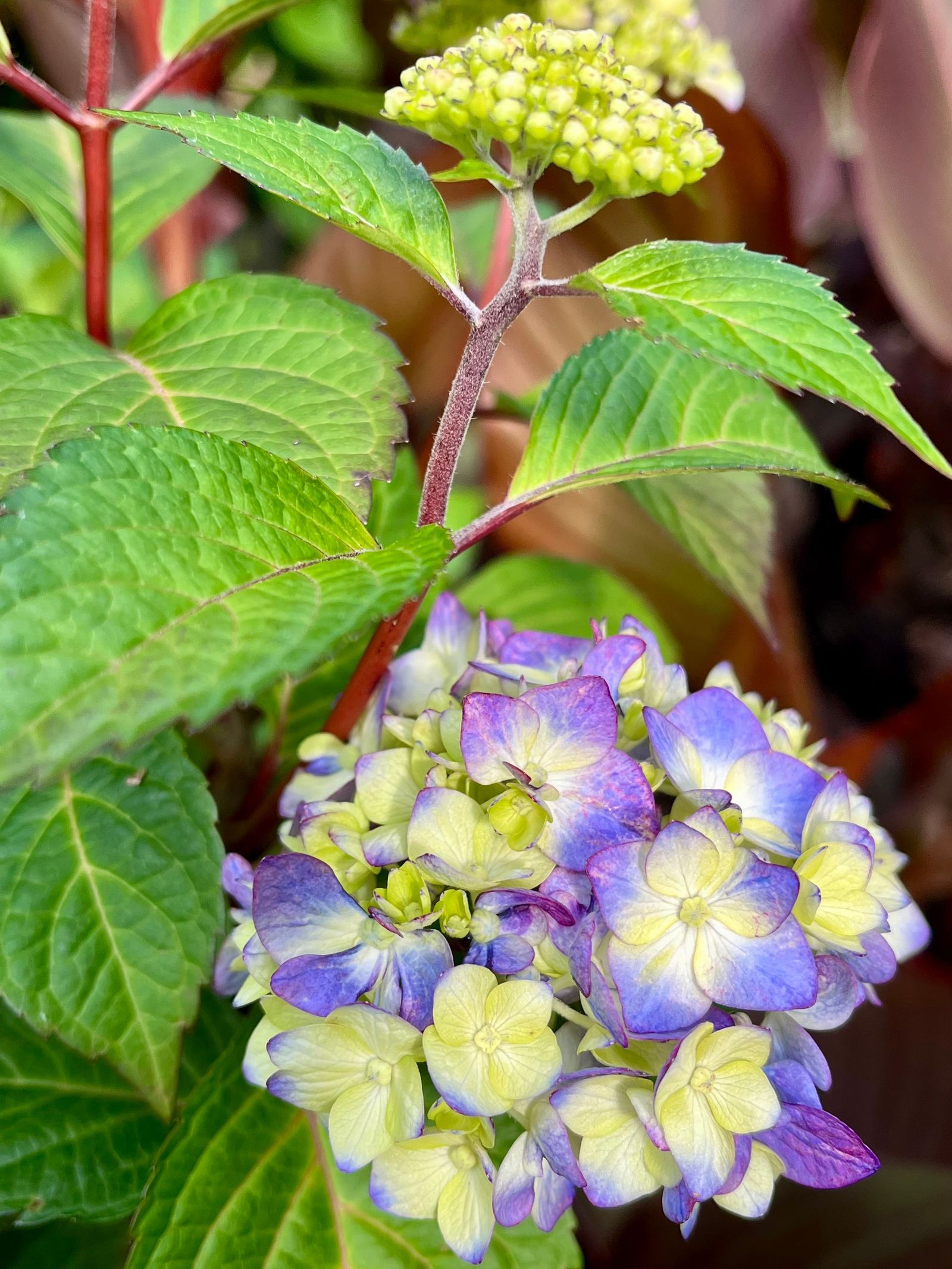
Photo: Calandra Miller / Pexels
Hydrangea Care Checklist
Check off each step as you finish it. Your progress stays on this page.
0 of 8 complete
0% done
The Divide: Old Wood and New Wood
Bigleaf hydrangeas, the mopheads and lacecaps, bloom on old wood: the buds that become next summer's flowers form on this year's stems in late summer and fall, and they must survive winter to bloom. Oakleaf hydrangeas and climbing hydrangeas are also old wood bloomers. For all of these, the pruning rule is absolute: prune only immediately after flowering, in summer, and never in fall, winter, or spring, because every cut in those seasons removes flower buds. Panicle hydrangeas and smooth hydrangeas, the Annabelle type, bloom on new wood grown in the current spring, so they are pruned in late winter or early spring before growth starts, and winter can damage them without touching the flower crop. A third group, the reblooming bigleaf types bred in the Endless Summer pattern, flower on both old and new wood, which forgives both winter bud loss and a mistimed prune with a later, smaller show. If you do not know your type, the safe universal rule is: do not prune at all until you have watched the plant bloom and identified it, because an unpruned hydrangea of any type still flowers, while a wrongly pruned old wood type does not.
Pruning by Type, With the Annabelle Rule
Old wood types need almost no pruning, which is the good news nobody believes: remove dead wood in spring once the buds swell and you can see what is alive, cut out a few of the oldest stems at the base every few years to renew the shrub, and deadhead spent blooms just below the flower head whenever you tidy. That is the whole program. New wood types take the active prune: panicle hydrangeas in late winter, cutting back by about a third to a strong framework, which produces fewer, larger flower heads on stout stems; smooth hydrangeas similarly, with one specific rule the UConn guidance carries, that Annabelle types can be cut back to 18 to 24 inches to reduce the flopping their huge heads cause, but should not be cut to the ground, which produces weak, sprawling regrowth that flops worse. Dead wood comes out of every type in spring; it is the one cut that is never wrong, provided you wait until bud swell shows you where dead ends and living begins.
The No Bloom Diagnosis, in Order
When a hydrangea does not bloom, work the causes in this order, because they are ranked by how often each is the culprit. First, pruning: an old wood type pruned in fall, winter, or spring has had its buds removed, and the cure is simply to stop and wait a year. Second, winter bud damage: bigleaf flower buds are less hardy than the plant itself, and a cold winter or a late spring freeze after bud swell can kill every bud on a shrub that leafs out perfectly healthy; in cold climates this, not care, is the usual reason, and the fixes are site selection, a sheltered spot, winter protection of mulch and burlap in exposed sites, or switching to a reblooming or new wood type. Third, deer, which browse the stem tips where old wood buds sit. Fourth, shade: hydrangeas tolerate shade and bigleaf types prefer some afternoon protection, but deep shade starves flowering. Fifth, and last, feeding: excess nitrogen grows leaves at the expense of buds, so a lush, dark green, flowerless shrub is often an overfed one. Notice what is not high on the list: the plant is rarely hungry, and fertilizer is the least likely cure for a bloomless hydrangea.
Color: The Soil Chemistry Lever
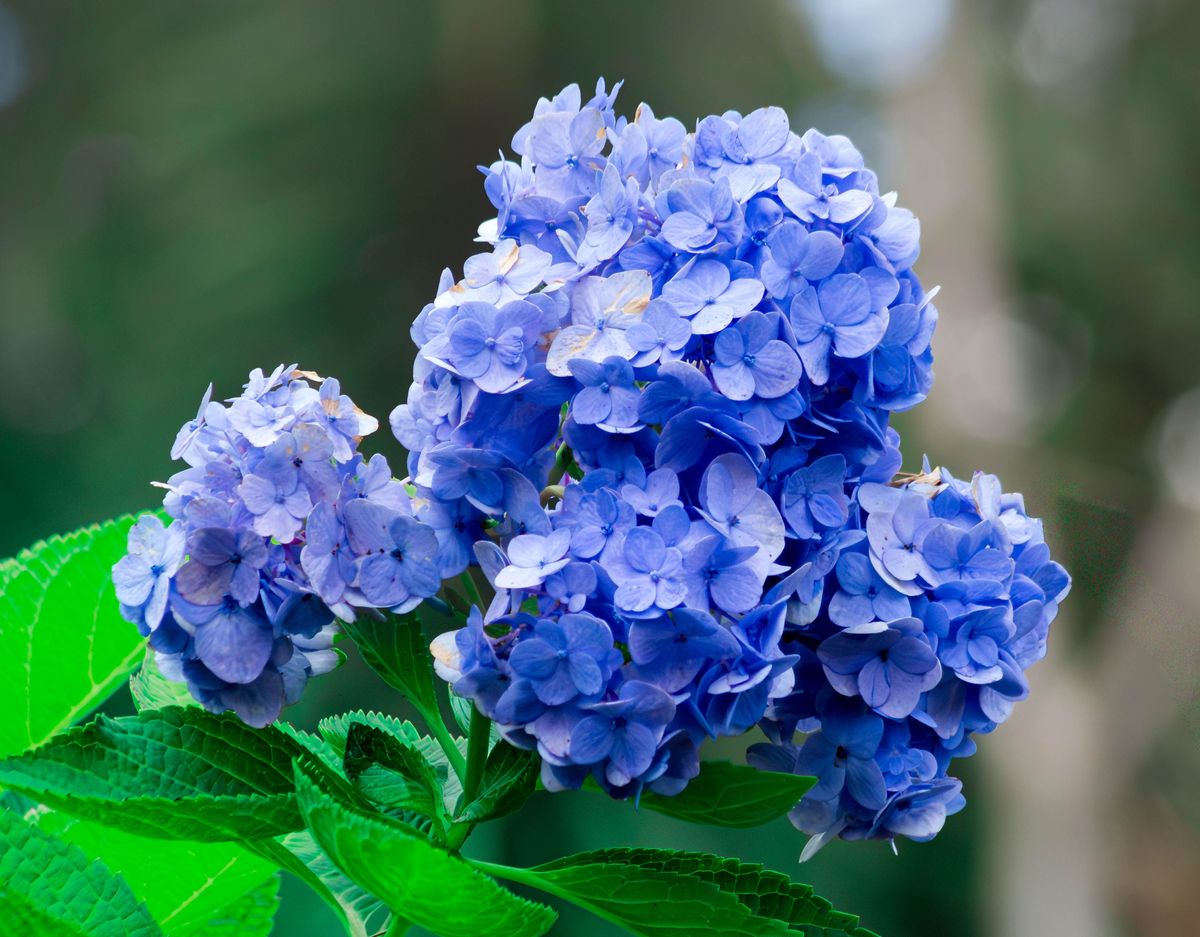
Bigleaf hydrangea color is the famous party trick, and it is chemistry, not magic. Blue flowers require two conditions together: acid soil, and aluminum available in it for the plant to take up, because the pigment turns blue in the presence of aluminum. Pink flowers come with alkaline soil, where aluminum is locked away and unavailable. So the levers are soil pH and aluminum supply: to push blue, acidify the soil gradually with sulfur or an acidifying fertilizer and ensure aluminum is present, aluminum sulfate being the direct but easily overdone route; to push pink, lime the soil toward neutral or slightly alkaline. Work gradually over a season or two, test the soil rather than guessing, and accept the limits: white varieties never change color, panicle hydrangeas blush pink with age and sun regardless of soil, and a plant in a container, where you control the mix completely, will always respond faster and more predictably than one in open ground. Chasing color with heavy repeated doses of aluminum sulfate can damage roots; the gradual soil pH route is slower and safer, and it is the method this page recommends.
Feeding, Mulch, and Water in the Care Year
The established hydrangea asks for little. Feed once in spring with a balanced shrub fertilizer at label rate, or a top dressing of compost, and stop there; more feeding buys leaves and, on old wood types, can push tender growth that winter takes. Mulch 2 to 3 inches deep over the root zone, kept off the stems, to hold the even moisture this shallow rooted genus depends on and to moderate the soil temperature swings that stress the buds you are protecting. Water belongs to the site's watering guide in full, but the care summary is: deep drinks during drought, especially for plants in their first two years and for any hydrangea wilting in afternoon heat that does not recover by morning, because a plant that wilts daily is spending the energy that should be setting next year's buds. In fall, resist the tidy urge entirely on old wood types: no pruning, no cutting back for neatness, just mulch and leaf clearing around the base. The shrub that looks untidiest in November is carrying next June in its stems.
Frequently Asked Questions
Why did my hydrangea not bloom this year?
Work the diagnosis in order. Most often it is pruning: bigleaf, oakleaf, and climbing hydrangeas bloom on old wood, and any pruning in fall, winter, or spring removes the flower buds. Next is winter bud damage, because bigleaf flower buds are less cold hardy than the shrub itself, so a plant can leaf out beautifully and carry no buds. Then deer browsing the stem tips, deep shade, and finally overfeeding with nitrogen. The cure depends on the cause, but for the two most common ones it is the same: stop pruning except right after flowering, and protect the plant's buds through winter with mulch and a sheltered site, or choose a reblooming type.
When should I prune hydrangeas?
It depends entirely on the type. Old wood bloomers, bigleaf, oakleaf, and climbing hydrangeas, are pruned only immediately after flowering in summer, and otherwise left alone except for dead wood removal in spring. New wood bloomers, panicle and smooth hydrangeas, are pruned in late winter or early spring before growth begins; Annabelle types can be cut to 18 to 24 inches to reduce flopping, but not to the ground. If you do not know your type, do not prune until you have seen it bloom and identified it; an unpruned hydrangea still flowers.
How do I make my hydrangea flowers blue?
Give it acid soil with available aluminum, the two conditions blue pigment requires. Test the soil first, then acidify gradually with sulfur or an acidifying fertilizer over a season; aluminum sulfate supplies aluminum directly but is easy to overdose and can damage roots, so the gradual pH route is safer. Container plants respond fastest because you control the mix. White flowered varieties never turn blue, and panicle hydrangeas pink with age regardless of soil, so confirm you have a bigleaf type before starting the chemistry.
Should I cut hydrangeas back in the fall?
No. Fall cutting is the single most common cause of a bloomless year, because old wood types carry next summer's flower buds on the stems you would be removing, and even new wood types are better pruned in late winter when you can see the framework clearly. The fall program for hydrangeas is deliberately boring: clear fallen leaves from around the base, refresh the mulch to 2 to 3 inches, and leave the shrub standing, seed heads and all, which also gives the garden winter structure and the buds a measure of insulation.
How often should I fertilize hydrangeas?
Once a year, in spring, with a balanced shrub fertilizer at label rate or a top dressing of compost, is enough for an established plant. Hydrangeas are not heavy feeders, and overfeeding, particularly with high nitrogen products, produces lush leafy growth at the expense of flower buds and soft stems that flop and winter kill. If a soil test shows a specific deficiency, correct that; otherwise, mulch and the single spring feed cover the plant's needs, and a flowerless hydrangea should be diagnosed for pruning, winter damage, deer, and shade before food is even considered.
Photo credits: Calandra Miller (Pexels); Roger Lim (Pexels). Photos are served from this site; follow the credit to the library page for the original.