How to Care for Houseplants in Winter: Light First, Water Last
By the Windchime Walker editorial team
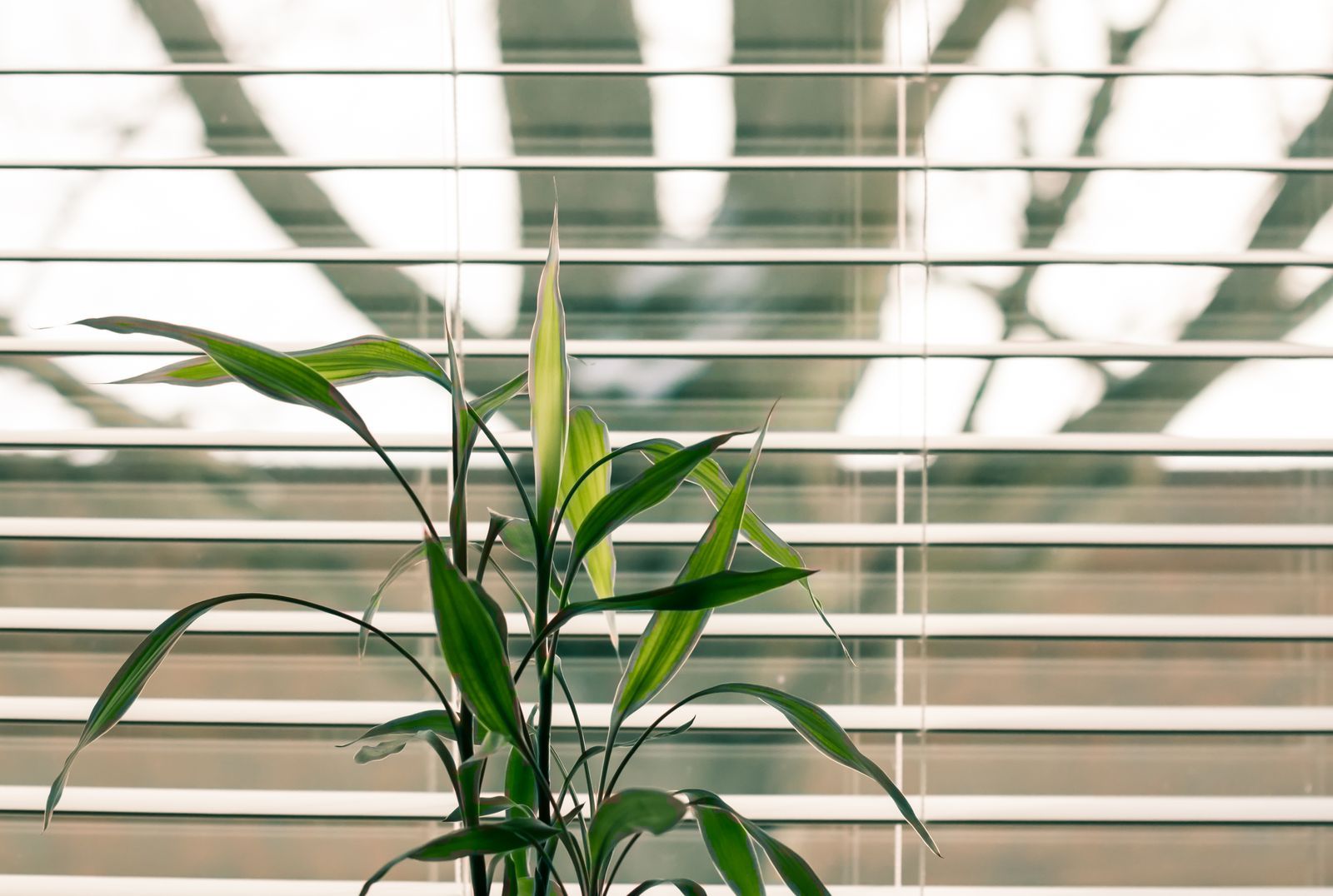
Photo: Steve A Johnson / Pexels
Most houseplants do not die in winter because winter is harsh. They die because their owners keep caring for them as if it were June. The plant has entered a rest state, slowed by short days and weak light to a fraction of its summer metabolism, and the summer routine, weekly watering, monthly feeding, lands on it like a flood on a sleeping town. Winter care is therefore mostly subtraction: less water, no food, and a great deal of leaving alone, arranged under one addition, light, which is the only thing winter takes away that you can give back.
This guide works as triage, in the order a plant's winter problems actually rank. Light first, because it is the limiting factor everything else depends on. Water second, because the winter version of watering is where the bodies are buried. Then humidity, then temperature, and finally the symptom table: what is normal in January, however alarming it looks, and what genuinely needs you.
The Winter Houseplant Checklist on this page compresses the triage into a walk through of your rooms. Run it once when the heating comes on and once in the depths of January, and your collection will come through to spring with nothing worse than a pause.
Interactive tool
Winter Houseplant Checklist
Check off each step as you finish it. Your progress stays on this page.
0 of 7 complete
0% done
First: Light, the Winter Scarcity
Iowa State University Extension identifies light as the most limiting factor for houseplants in winter, and the numbers explain why: the winter sun is lower, weaker, and up for hours less, and a plant that sat in bright light in July may be in effective twilight by December at the same window. Plants respond by resting. Growth slows or stops, water use falls, and the plant waits. Your job is to shorten the wait's cost, not to fight the rest itself.
Move plants closer to the windows for the season, into the light they can reach, watching for the one hazard of a winter sill: leaves touching cold glass can be chilled and damaged on hard nights, so keep a small gap or pull plants back on the coldest evenings. Rotate each pot a quarter turn weekly so the plant grows evenly instead of leaning its whole estate toward the glass. Clean the leaves while you are at it; dust on a leaf in weak light is a tax the plant cannot afford, and a wipe with a damp cloth is the cheapest light upgrade in the house.
Where a prized plant declines in a dark room, a grow light is the honest fix: Iowa State's guidance runs lights 12 to 14 hours a day, with LEDs placed 12 to 24 inches from the plant. A lamp on a timer over the one shelf of plants you love most will carry them through in visibly better shape than the same shelf unlit, and the timer matters, because plants need their dark hours too.
Second: Water, Far Less Than You Think
The University of Vermont Extension's winter guidance is blunt: houseplants rest in winter and need far less water, and the University of Maryland Extension names overwatering the number one killer of houseplants in the season. The mechanism is simple. A resting plant drinks slowly, so soil stays wet longer; wet soil suffocates roots; and the damage accumulates invisibly until the plant collapses in February from a watering habit set in October.
Let the soil dry further between waterings than you allow in summer, and judge by the finger test, not the calendar: most foliage plants may go two or three weeks between drinks in a winter room. Water thoroughly when you do water, until it runs from the drainage hole, then empty the saucer; a plant standing in runoff in winter is in the gravest danger of any plant in this guide. And stop fertilizing entirely. Clemson Extension's guidance is to withhold fertilizer during the winter rest: a resting plant cannot use the food, and unused fertilizer salts build up in soil that is being watered less often, burning the roots they were meant to feed. Feeding resumes in spring, when new growth announces that the plant is drinking again.
Third: Humidity, the Heating Season's Theft
Central heating is a desert machine. Iowa State Extension puts typical winter indoor humidity at 10 to 20 percent, while most houseplants prefer 40 to 50 percent, and the gap shows up as crispy leaf edges, brown tips, and an open invitation to spider mites, which thrive in dry air. Tropical foliage plants suffer most; succulents and snake plants, built for dry air, barely notice.
You cannot humidify a house for a plant, but you can humidify a neighborhood. Grouping plants together raises the humidity in their shared air measurably, as each leaf transpires into the common pool. A tray of pebbles and water under the pots adds evaporation exactly where it is needed, provided the pots sit on the pebbles and not in the water. A small humidifier near the collection is the thorough solution. Misting, by contrast, raises humidity for minutes and wets leaves in a season when wet leaves invite disease; it is the one winter ritual this guide retires. If you do nothing else for humidity, group the plants: it costs nothing and it works all day.
Fourth: Temperature, Steady and Away From Extremes
Most houseplants are content in the temperatures people prefer, around 65 to 75 degrees Fahrenheit by day, per Iowa State Extension, with a modest drop at night that mimics their native pattern. The winter hazards are extremes and drafts rather than the average: keep plants from falling below about 55 degrees, which chills tropical foliage, and keep them away from the specific microclimates a house hides. A plant on a sill over a radiator is being baked from below and chilled from the glass in the same hour. A plant in the path of a heating vent gets blasted with desert air every time the furnace runs. A plant by the front door receives a cold draft at every arrival. Move the plant a few feet and all three problems vanish, which is why temperature ranks last in the triage: it is usually a placement fix, not a purchase.
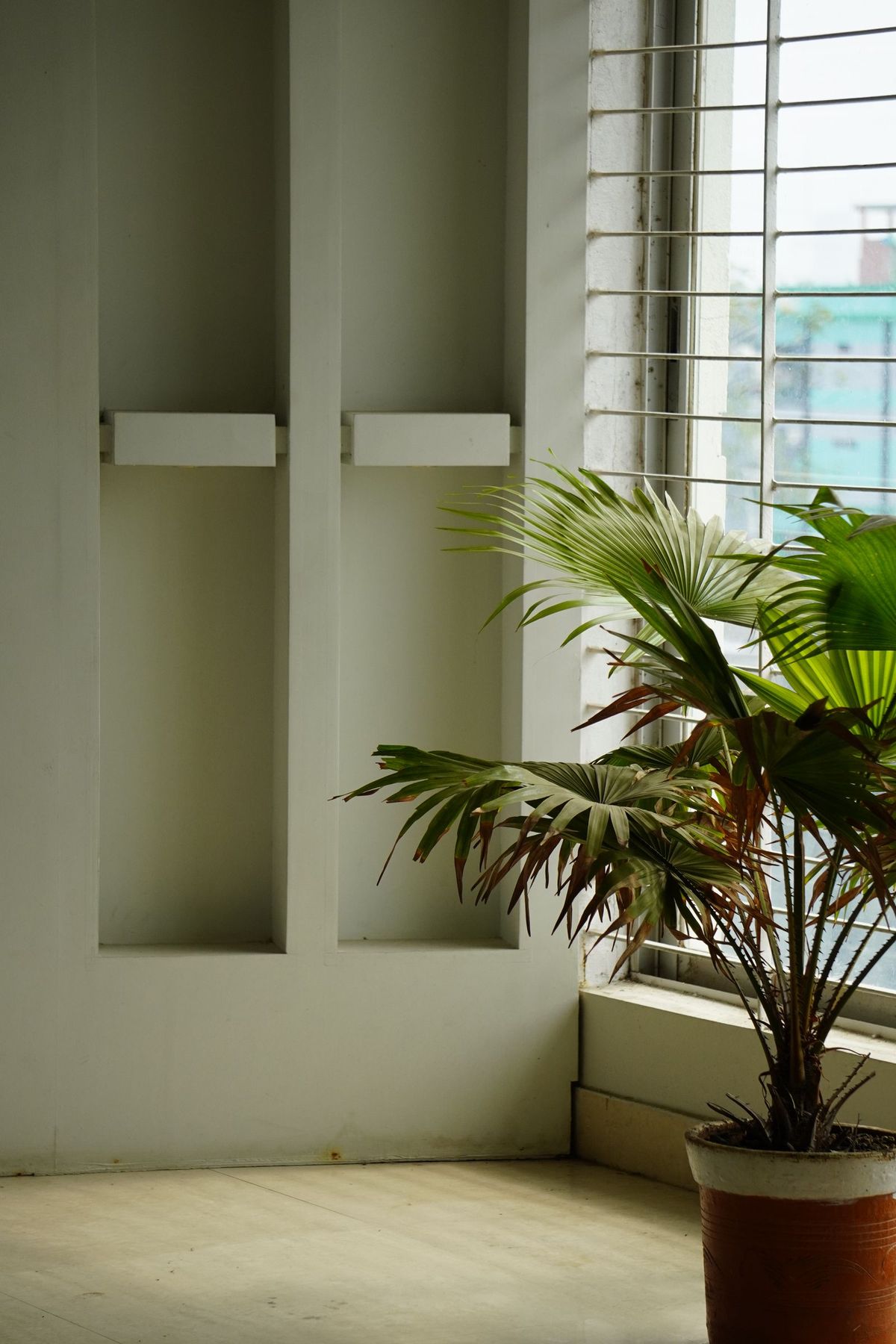
A potted indoor plant in a sunlit corner next to a window
The Jobs Winter Refuses: Repotting, Propagating, and Rescue Projects
Winter triage includes a list of things not to do, and it deserves its own section because every one of them arrives disguised as kindness. Do not repot in winter. A resting plant grows roots slowly, so a root ball disturbed in January sits in fresh, wet soil it cannot colonize, which is the overwatering problem wearing a nicer pot. Repotting belongs to spring, when growth resumes and roots race into new soil within days. The exception is a genuine emergency, a pot broken or soil gone sour, and even then you slip the plant into a same sized pot with minimal disturbance rather than giving it the upgrade it has not asked for.
Do not start propagating the collection either, however tempting the long evenings make it look. Cuttings root on growth hormones the plant produces in active growth; in winter they root slowly, rot readily, and exhaust a mother plant that is trying to rest. Take your cuttings in spring, when both parties are growing, and they will root in water on the sill like they are showing off. And resist the rescue project, the discounted, half dead plant at the garden center in January. In summer you might nurse it back. In winter, in weak light, a failing plant usually finishes failing, and it can bring the pests of a stressed greenhouse population home to your healthy collection. Quarantine any winter purchase away from your other plants for a few weeks, whatever its price and however clean it looks.
What winter does want from you, beyond the triage, is planning: this is the season to read the seed and plant catalogs, order the grow light before the shelf empties, and note which plant outgrew its corner and which corner stayed empty. The gardener who plans in January spends March gardening. The gardener who plans in March spends it shopping.
Normal Versus Trouble: The Winter Symptom Table
Read winter symptoms with winter eyes. Normal, and requiring nothing: growth stopping entirely for weeks; a few lower leaves yellowing and dropping, especially right after the move to winter positions; slower drying of soil; a peace lily flowering less. A resting plant is not a failing plant, and the urge to fix rest with water and food is the urge that kills.
Trouble, and requiring action: leaves dropping in numbers, green and healthy looking, which suggests a chill or a draft and calls for relocation; a plant wilting in wet soil, which is root trouble from overwatering and calls for drying out and a drainage check; fine webbing and stippled leaves, which are spider mites exploiting the dry air and call for a thorough leaf washing and better humidity; white cottony specks in leaf joints, which are mealybugs, removed with a cotton swab and rubbing alcohol and watched for return; and soil that stays wet for weeks, which means the pot, the soil, or your watering has to change before the roots finish rotting. Each trouble has a short answer, and none of the answers is fertilizer.
Come spring, the order reverses itself: light returns, growth resumes, and you increase water as the plant's drinking picks up, resume feeding at a modest strength, and do any repotting the collection needs into the energy of the growing season. The plants that were rested, rather than fussed, through winter are the ones that explode in April. Winter care is not a lesser version of plant care. It is the discipline the rest of the year depends on.
The Winter Walk: Five Minutes a Week
Triage becomes habit through one small ritual: a weekly walk through the collection with no watering can in your hand. The can stays behind deliberately, because a walk taken carrying water becomes a round of watering whether the plants asked or not. Look instead. Check which pots have dried to finger test depth and make a mental list for watering day. Turn each pot its quarter turn. Look at leaf undersides and joints for the stippling of spider mites and the cotton of mealybug, the two winter pests, while populations are still small enough to wash off in a sink. Wipe the dustiest leaves. Note the plant that has leaned hardest toward the glass and the one pushing an unexpected new leaf, because both are information about your rooms' light that no guide can give you.
Five minutes, once a week, is the entire active program. Everything else in winter care is positioning done once and restraint practiced daily, and the walk is what makes the restraint informed rather than neglectful. There is a difference between a plant left alone because its owner checked it and a plant left alone because its owner forgot it, and the difference shows up in April.
Frequently Asked Questions
Why do my houseplants stop growing in winter?
Because they are resting, which is the correct response to short days and weak light. Iowa State University Extension calls light the most limiting factor for houseplants in winter; with little light, growth slows or stops, water use falls, and the plant waits for spring. A stopped plant is not a dying one. Move it closer to the window, rotate it weekly, and let it rest.
How often should I water houseplants in winter?
Far less than in summer, and by the finger test rather than a schedule. The University of Vermont Extension notes that resting plants need much less water, and the University of Maryland Extension names overwatering the top winter killer. Let soil dry further between waterings, commonly two to three weeks for foliage plants, water thoroughly when you do, and always empty the saucer afterward.
Should I fertilize houseplants in winter?
No. Clemson Extension advises withholding fertilizer during the winter rest, because a resting plant cannot use the food and the salts accumulate in soil that is watered less often, where they can burn roots. Resume feeding in spring when new growth shows the plant is actively drinking and growing again.
How can I raise humidity for my plants in winter?
Group the plants together so their leaves transpire into shared air, set pots on pebble trays with water below the pot bases, or run a small humidifier near the collection. Iowa State Extension puts winter indoor humidity at 10 to 20 percent against the 40 to 50 percent most houseplants prefer. Skip misting: it raises humidity for only minutes and wets leaves in the season when wet foliage invites disease.
What temperature do houseplants need in winter?
Most are comfortable at 65 to 75 degrees Fahrenheit, per Iowa State Extension, and should not fall below about 55 degrees, which chills tropical foliage. The real hazards are microclimates: radiators and heating vents baking a plant from below, cold drafts from doors, and leaves touching icy window glass. Moving a plant a few feet solves most winter temperature problems.
My plant is dropping leaves in winter. Is it dying?
A few lower leaves dropping, especially after the plant was moved to its winter position, is normal rest behavior and needs no response. Leaves dropping in numbers, still green, usually mean a chill or a draft: move the plant away from doors, vents, and cold glass. A plant wilting in wet soil is the true emergency, signaling root damage from overwatering; let it dry out properly and check its drainage.
Photo credits: Steve A Johnson (Pexels); Abdul Kayum (Pexels). Photos are served from this site; follow the credit to the library page for the original.