Best Large Houseplants for Beginners: Big Plants That Forgive Beginners
By the Windchime Walker editorial team
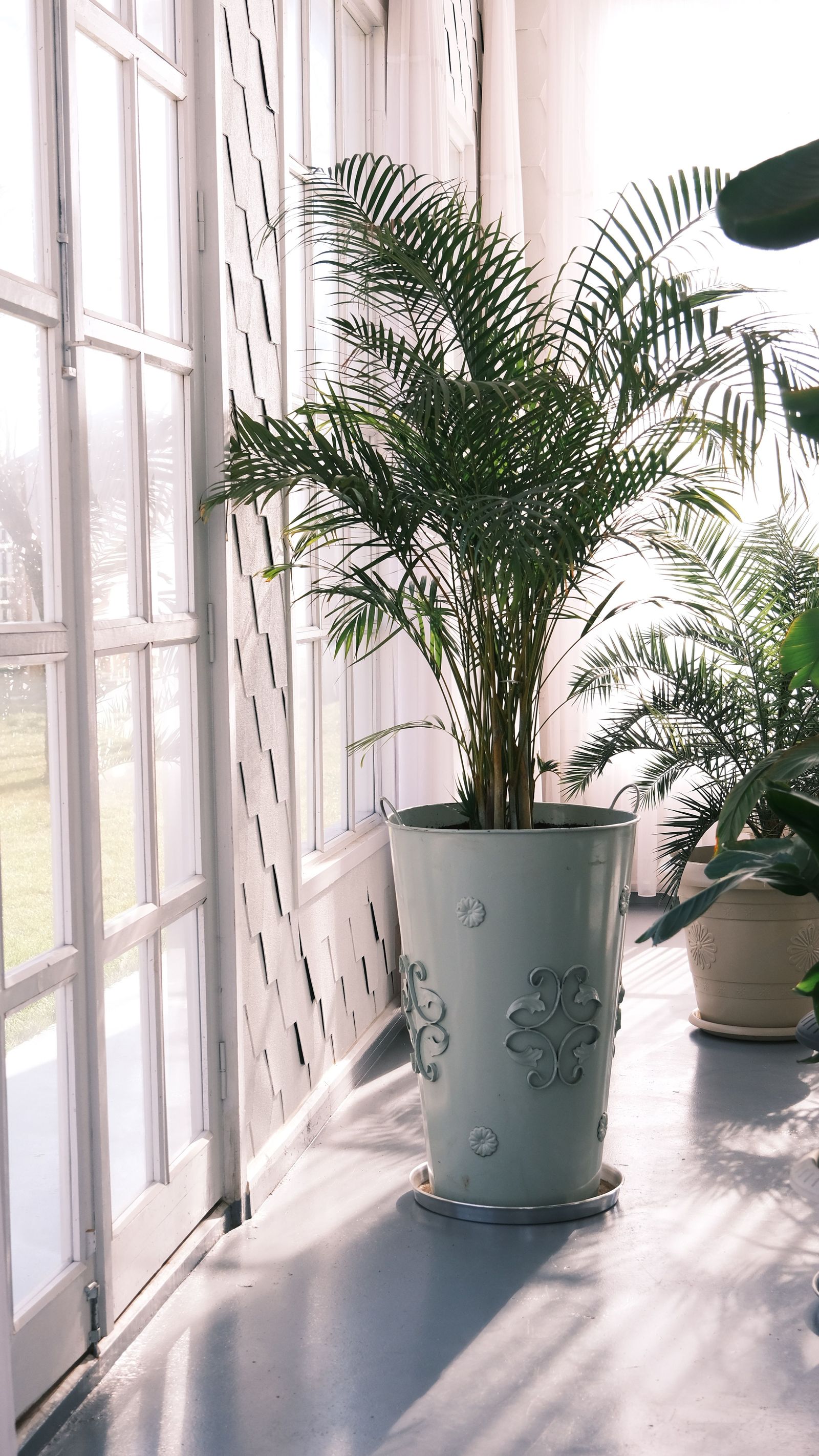
Photo: Rahime Gül / Pexels
A large houseplant is the fastest transformation in indoor decorating and the easiest purchase to get wrong, because the plant in the store is a photograph of its youth. The beginner buys a handsome 3 foot plant for a corner and discovers, across two years, that they have adopted something with a 6 foot wingspan, a drinking problem, and a pot that now takes two people to move. The fix is not caution; big plants are glorious, and several are genuinely beginner proof. The fix is matching: choosing by the plant's mature size, growth speed, light at floor level, and pet status, before the credit card comes out. This page is that match, made honestly.
Our indoor houseplants guide owns the general collection. This page owns the big ones, and the logistics that come with them.
Interactive tool
Large Plant Match Checklist
Check off each step as you finish it. Your progress stays on this page.
0 of 7 complete
0% done
The Picks, With Their Adult Dimensions
Plant
Mature size indoors
Growth speed
Light at floor level
Pet status (ASPCA)
Areca palm
5 to 7 ft tall, wide canopy
Moderate
Bright indirect
Non-toxic to cats and dogs
Kentia palm
5 to 8 ft, narrower and statelier
Slow
Medium to bright indirect
Non-toxic to cats and dogs
Monstera
4 to 6 ft wide as much as tall
Fast in good light
Bright indirect
Toxic; calcium oxalate
Rubber plant
6 to 8 ft as a small tree
Moderate to fast
Bright indirect to medium
Toxic; irritant sap
Dracaena marginata
5 to 7 ft, narrow canes
Slow to moderate
Medium to bright
Toxic to cats and dogs
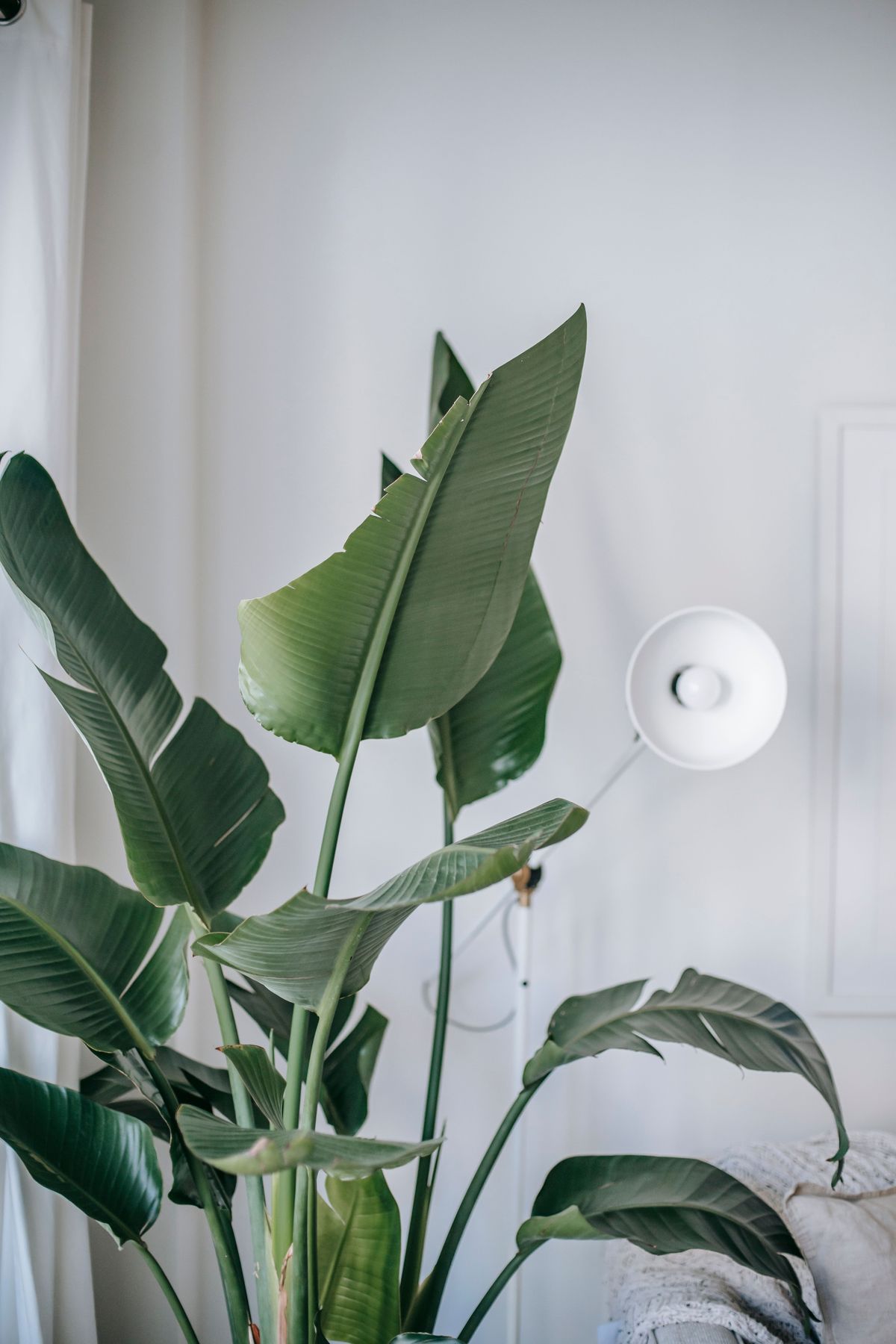
Bird of paradise
5 to 7 ft, broad leaves
Moderate
Brightest you have
Mildly toxic
Snake plant (large forms)
3 to 4 ft, architectural
Slow
Tolerates low, prefers medium
Toxic to cats and dogs
Read the table by your corner, not by your taste. A fast monstera in a bright room is a joy that needs pruning and a plan; the same plant in a dim rental is a slow, leggy disappointment. The palms are the aristocrats of this list for beginners: genuinely large, genuinely forgiving, and the only big plants here that are also safe around pets, which is why areca and kentia anchor so many of our pet safe recommendations at statement size. The kentia costs more and grows slower, which is the same fact twice: you are paying for years the grower already spent.
Light, Measured Where the Plant Actually Stands
Big plants fail on light more than on any other care item, because their owners measure light at the window and the plant lives at the floor, 8 feet from the glass, where the light is a fraction of the sill's. Before buying, stand in the corner at plant height and look out: the plant can only use the sky it can see. Bright indirect for a large plant means the corner sees a wide slice of sky without sustained direct sun; a corner that sees a wall, a fence, or the side of the neighboring house is low light whatever the room feels like to you, and the honest picks for it are the kentia, the dracaena, and the snake plant, with growth expectations set to slow. Rotating a big plant a quarter turn monthly keeps the canopy even; a plant that leans hard toward the window is filing a light report, and the answer is to move it closer, not to stake it straight and ignore the message.
A bird of paradise plant against a white wall
The Fiddle Leaf Fig Is a Graduate Plant
Several popular lists sell the fiddle leaf fig as a beginner's statement plant, and its care record says otherwise, so it is not on the table above and its absence is deliberate. The fiddle leaf is sensitive to drafts, to moves, to watering inconsistency, and to light changes, and it expresses each grievance by dropping the large leaves that were the entire point of buying it. Experienced growers keep them beautifully, and a beginner who has kept other plants alive for a year and has a bright, stable, draft free spot may graduate to one with pleasure. As a first large plant it is the most expensive disappointment in the category, and a page that recommended it to beginners without that warning would be selling the photograph, not the plant. The rubber plant, its cousin, gives a similar bold leaf with a fraction of the temperament and is the honest substitute.
Delivery Day and Placement Logistics
A large plant purchase includes a logistics problem that small plants never pose. Measure the path before the plant: door widths, the turn at the stairs, the elevator if there is one, because a 6 foot palm in a 24 inch pot does not negotiate a tight hallway corner gracefully, and plants are damaged more in their first hour in a home than in their first year. At placement, set the pot on a caddy or plant stand with casters before you fill the spot and settle it, because the day will come, for cleaning, for repotting, for the leak you need to inspect, when the plant must move and it will weigh more than you remember, wet soil being mostly water. Put a saucer or tray under it sized for a real watering's runoff, and learn its drinking in the first month: big plants in big pots dry slowly at the core while the surface reads dry, so the check for a large plant is a skewer or probe pushed deep, or a moisture meter, not a fingertip on the top inch.
Repotting a Plant You Cannot Lift
The large plant's maintenance event is repotting, and it is a planned operation, not an impulse. Signs it is due: roots circling out of the drainage holes, water running straight through a root bound pot, growth stalling in good light, or the plant becoming top heavy enough to tip. Move up one pot size only, 2 inches wider, because a large plant in a vastly oversized pot sits in wet mix its roots cannot reach and rots in the dark down there. Work with a helper, lay tall plants gently on their side on a blanket to slide the old pot off rather than hauling on the trunk, and expect the job to take an hour the first time. Thereafter, most large plants settle into a rhythm of top dressing, replacing the top few inches of mix annually, and repotting every 2 to 3 years, which is a pace a beginner can genuinely keep. Feed during the growing season at half strength monthly; large foliage plants are steady feeders, and the pale new leaf on a well watered, well lit plant is usually hunger, not thirst.
The Pet and Child Footnote
Scale changes the safety math in one direction: a large plant is within reach by definition, and its leaves are at hand and mouth height for toddlers and at chew height for dogs. In a pet household the choice narrows to the palms, areca and kentia, which carry the ASPCA non-toxic listing at full statement size, and that is a fortunate narrowing because they are also the most forgiving plants on this page. Monstera, rubber plant, dracaena, bird of paradise, and snake plant all carry toxic listings, and at this size, out of reach does not exist as a placement strategy. Choose the palm and spend your worry budget on light and water instead.
The Second Year: Pruning Plants That Outgrow the Plan
The beginner's large plant problem in year two is not survival but shape: the monstera leaning into the room, the rubber plant hitting the ceiling's neighborhood, the dracaena's canes at three different heights and none of them the one you wanted. Prune large plants in spring, when growth resumes and cuts heal fast. Rubber plants and dracaenas respond to a cut stem by branching below the cut, which is how a single cane becomes a tree and how height is traded for fullness; wear gloves for the rubber plant's milky sap, which irritates skin. Monstera is pruned by removing whole stems at the base or cutting above a node, and the cuttings root readily in water, which is how one large plant becomes the gifts your friends did not ask for. Palms are the exception that proves the rule of this section: a palm is never topped or pruned for size, because its growth comes from a single crown and cutting it ends the plant; with palms, the size decision is made at purchase, by species, which is one more reason the slow kentia is priced as it is. Shape the shapeable annually, choose the unshapeable carefully, and the large plant collection stays the size of the room it was bought for.
Frequently Asked Questions
What is the easiest large houseplant for a beginner?
The areca palm for bright rooms and the kentia palm for medium light and maximum patience. Both are forgiving about watering, tolerant of indoor conditions, and listed non-toxic to pets by the ASPCA. The kentia grows slowly and costs more; the areca grows faster and drinks more.
Is a fiddle leaf fig good for beginners?
No, whatever the listicles say. It is sensitive to drafts, moves, and inconsistent watering, and drops its leaves in protest, which makes it the category's most expensive beginner disappointment. Grow other plants for a year first, or choose the rubber plant for a similar bold leaf with far more forgiveness.
How big will my large houseplant actually get?
Read the mature size, not the store size: monstera spreads 4 to 6 feet wide, rubber plant reaches 6 to 8 feet as a small tree, areca palm fills a wide 5 to 7 foot canopy, and bird of paradise needs a 5 to 7 foot column of your brightest light. Match the adult to the corner before buying the juvenile.
How do I water a very large plant correctly?
Check deep, not at the surface: use a skewer, probe, or moisture meter pushed well into the root ball, because big pots dry at the top long before the core. Water thoroughly until drainage runs, empty the saucer, and expect the interval to run longer than your small plants' by days or weeks.
When does a large houseplant need repotting?
When roots exit the drainage holes, water runs straight through, growth stalls despite good light, or the plant tips. Go up one size, about 2 inches wider, work with a helper, and slide the pot off with the plant laid gently on its side rather than pulling the trunk. Most large plants need it every 2 to 3 years, with annual top dressing between.
Which large houseplants are safe for pets?
The true palms: areca and kentia are listed non-toxic to cats and dogs by the ASPCA and are the statement sized safe choices. Monstera, rubber plant, dracaena marginata, bird of paradise, and snake plant are all toxic listed, and at large plant size there is no out of reach placement to rescue them.
Photo credits: Rahime Gül (Pexels); Charlotte May (Pexels). Photos are served from this site; follow the credit to the library page for the original.