How to Grow Hydrangeas: Buy the Forgiving Type First
By the Windchime Walker editorial team
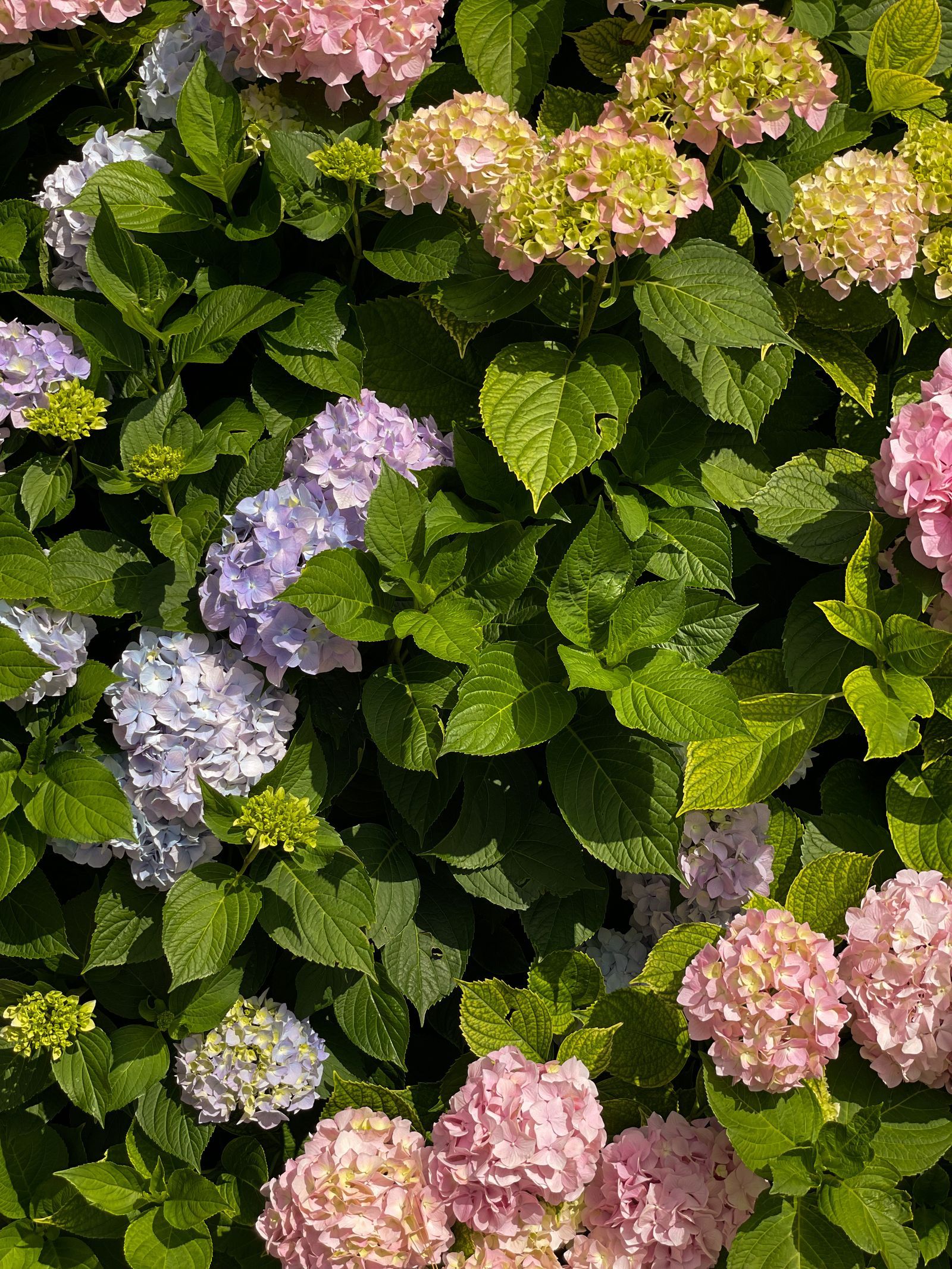
Photo: Polina Laz / Pexels
Hydrangeas confuse beginners more than almost any shrub, and the confusion has one source: "hydrangea" names several different plants whose rules differ, and advice written for one type silently fails on another. The gardener who prunes a bigleaf hydrangea in spring removes the year's flowers, because bigleaf blooms on old wood. The gardener who waits for a panicle hydrangea to be hurt by cold winters waits forever, because panicles are the hardiest shrubs in the group. Everything in hydrangea growing becomes simple once the type is named first, so this guide names them, and then gives a beginner the buying shortcut: start with a panicle hydrangea, the type that forgives the pruning mistakes and the cold that defeat the others.
There are four types in home gardens. Bigleaf hydrangea is the classic blue or pink mophead of coastal gardens, blooming on last year's wood, tender in cold winters, and famous for changing color with soil acidity. Panicle hydrangea bears cone shaped white flowers that age to pink, blooms on new wood grown the same spring, and shrugs off cold that kills bigleaf buds outright. Smooth hydrangea, the Annabelle type, also blooms on new wood, with round white heads, and can be cut back hard each year. Oakleaf hydrangea blooms on old wood, with cone flowers, oak shaped leaves, and the best fall color of the group. The Hydrangea First Year Checklist on this page assumes you know which of the four you bought; the label is the most important tool in this article.
Interactive tool
Hydrangea First Year Checklist
Check off each step as you finish it. Your progress stays on this page.
0 of 6 complete
0% done
The Buying Shortcut: Panicle First
If you are buying your first hydrangea and your winters are cold, or your pruning confidence is low, buy a panicle hydrangea. Because it blooms on new wood, a hard winter cannot kill its flower buds, and a beginner's pruning, at almost any time of year, cannot remove them either; the plant grows fresh flowering stems every spring regardless. It also takes more sun than bigleaf, tolerating full sun in northern gardens, which removes the second classic failure, the wrong light. Bigleaf is the lovelier plant to many eyes and the right choice in mild coastal climates, and its color changing flowers are genuinely magical. It is simply the advanced model, and there is no shame in the order: panicle first, bigleaf when you have a winter's experience and a sheltered spot.
Planting: A Wide Hole at the Same Depth
Plant hydrangeas in spring or fall, when the soil is workable and the weather is not extreme. Dig the hole 2 to 3 times as wide as the root ball and no deeper than the ball itself; shrubs planted too deep sulk for years, and the wide, loosened soil is where the new roots actually grow. Set the plant so the top of the root ball sits level with the surrounding soil, backfill with the soil you dug out, improved with compost if it is poor, and water deeply to settle the soil and close air pockets. Mulch 2 to 4 inches deep over the root zone, kept a few inches away from the stems.
Light follows the type. Bigleaf wants morning sun and afternoon shade in most climates, because its large leaves wilt dramatically in hot afternoon sun even when the soil is moist. Panicle takes full sun in the north and appreciates afternoon shade in the hottest southern gardens. Smooth and oakleaf sit between, part shade to sun. All four want soil that holds moisture without staying soggy; a hydrangea in dry, thin soil over gravel will spend its life wilting at noon, which is a planting site failure, not a plant failure.
The First Year: Water Is the Job
A new hydrangea's first season decides its life, and the season's work is water. Water deeply 2 to 3 times a week through the first growing season, more in heat waves, soaking the root zone rather than wetting the surface. The large leaves that make hydrangeas lush also make them dramatic: a thirsty plant wilts wholesale at midday and recovers by evening, which is the plant asking, not dying. Answer it. By the second year, established roots reach deeper moisture and the shrub needs water mainly in droughts, though bigleaf in afternoon sun may wilt theatrically forever on the hottest days and recover every evening, a habit to recognize rather than treat.
Feed modestly: a spring application of a balanced shrub fertilizer or a top dressing of compost is enough for most soils. Overfeeding pushes soft, leafy growth at the expense of flowers, and for bigleaf it does not change the color, whatever the garden center shelf implies; color is a soil chemistry question, answered below.
Pruning: One Table, Decided by Wood
Type
Blooms on
Prune when
The beginner rule
Bigleaf
Old wood
Right after flowering, if at all
Remove only dead stems in spring; never cut back live growth in fall or spring
Panicle
New wood
Late winter or early spring
Cut back by about a third for strong stems and big heads
Smooth
New wood
Late winter or early spring
Can be cut nearly to the ground; it regrows and blooms the same year
Oakleaf
Old wood
Right after flowering, if at all
Shape lightly only; it resents hard pruning
Read your type's row and ignore the others. The single most common hydrangea tragedy, the healthy green bigleaf that never blooms, is a pruning tragedy: fall cleanup or spring tidying removed the old wood that carried the buds. For bigleaf and oakleaf, the spring job is only to remove stems that are dead to the ground, identified by scratching the bark for green, and to leave every live stem alone.
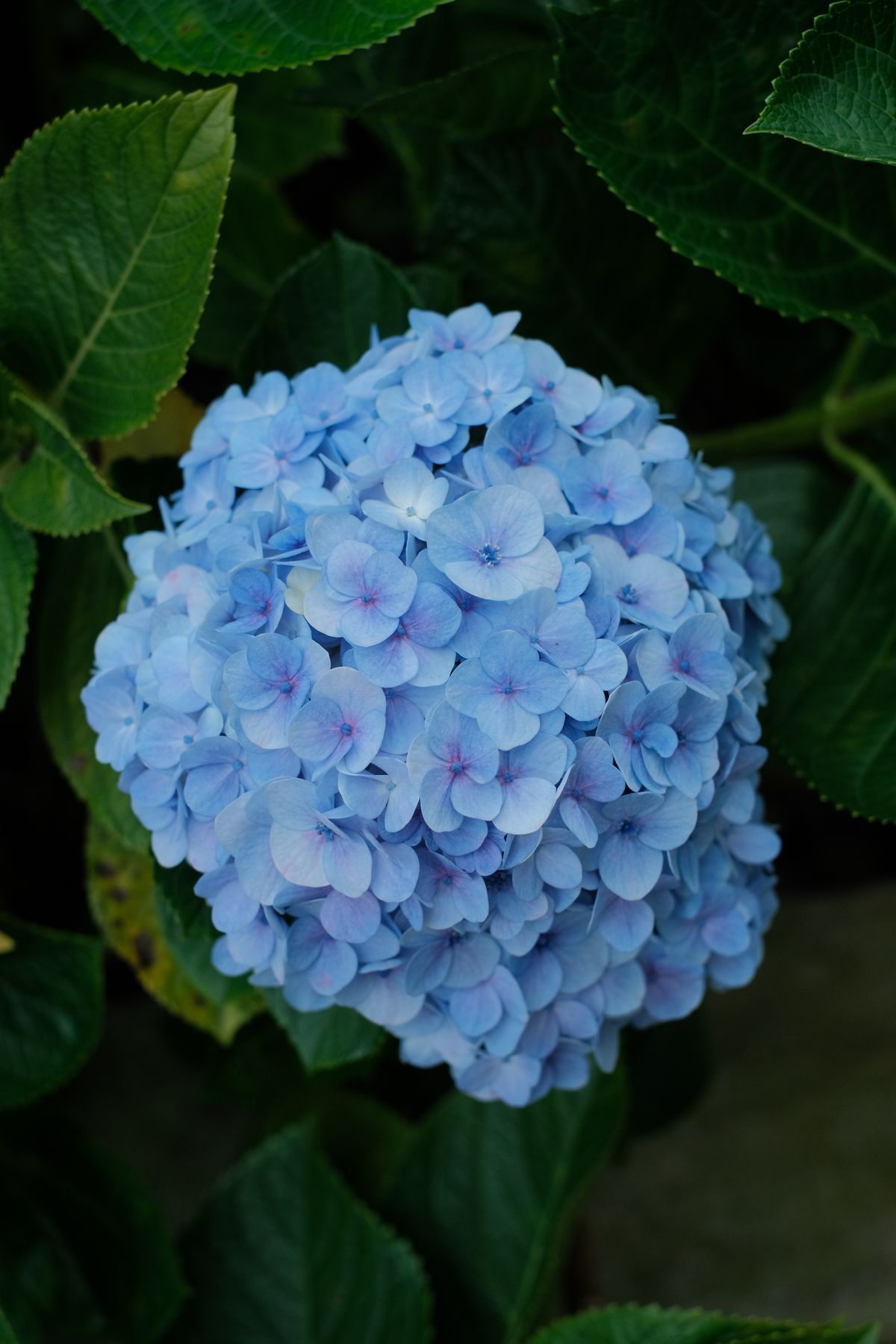
A blue hydrangea flower in bloom with green leaves
The Color Rule, Fenced to Bigleaf Only
Bigleaf hydrangeas, and only bigleaf, change flower color with soil acidity, because acidity controls whether the plant can take up aluminum from the soil. In acidic soil, around pH 5.2 to 5.5, the flowers go blue. In soil nearer neutral, around pH 6.0 to 6.2 and above, they go pink. White bigleaf varieties stay white regardless, and panicle, smooth, and oakleaf flowers do not participate in this system at all; a panicle's white to pink aging is the variety's own program, not your soil's. If you want to shift a bigleaf, test the soil first, amend gradually with sulfur to acidify toward blue or garden lime toward pink, and expect the change over a season or two, not a weekend. Gardeners in naturally alkaline soil who demand blue often succeed only in containers, where the soil chemistry is theirs to command. That is not failure; that is the plant's honest terms.
The No Blooms Diagnosis, in Order
When a hydrangea does not bloom, work this order before buying anything. First, pruning: was old wood removed from a bigleaf or oakleaf, in fall cleanup or spring tidying? That is the commonest cause and the fix is a year of leaving it alone. Second, winter: did a cold winter or a late spring freeze kill bigleaf buds, which sit exposed on the stems all winter? A sheltered spot and a mulch mound over the base help in borderline climates, and it is the standing argument for panicle in cold gardens. Third, light: a hydrangea in deep shade grows leaves and no flowers; most types want at least morning sun. Fourth, youth and food: a newly planted shrub may skip a year while rooting, and heavy nitrogen feeding grows foliage instead of buds. Run the four in order and you will find your cause; nearly every bloomless hydrangea in a beginner's garden is one of them, and three of the four are fixed by patience and a different pruning habit, free of charge.
Hydrangeas in Containers
Every type grows in a pot, and containers solve two real hydrangea problems: the renter's problem, and the blue flower problem. A container hydrangea needs a large pot, since these are thirsty shrubs with big leaf area; choose the largest pot you can move, with drainage holes, and a quality potting mix, and expect to water daily in summer heat, because a pot holds a fraction of the moisture a bed does. Feed a container plant a little more regularly than an in ground one, since watering flushes nutrients through, and repot or root prune every few years as the plant fills its space.
The color opportunity is the container's gift to bigleaf growers. In the ground, your soil's pH is a geological fact that amending only nudges. In a pot, the mix is yours: an acidic, ericaceous mix holds a bigleaf reliably blue in districts where every garden soil is alkaline and every in ground attempt fades to pink. Gardeners in limestone country who dream of blue hydrangeas should stop fighting their geology and buy a large pot. Winter in cold climates is the container's cost: a potted root ball freezes harder than an in ground one, so move pots against a sheltered wall, into an unheated garage, or wrap them, because the shrub that survives winter in the ground may not survive it in a pot on an open patio.
Winter Protection for Bigleaf, Where Winters Are Borderline
Bigleaf hydrangea in a borderline climate, cold enough to kill exposed buds in hard winters but mild enough to grow the plant, benefits from a simple winter routine. After the leaves fall, mound mulch, shredded leaves, or soil a foot deep over the base of the plant, covering the lowest buds where the most reliable flowers live. In the coldest spots of its range, gardeners lay a cylinder of wire fencing around the shrub and fill it loosely with dry leaves, an insulating jacket that comes off in spring as growth starts. Remove protection gradually in spring rather than all at once on the first warm day, because the late frost after a warm spell is the classic bud killer, and the mulch mound, left until the weather settles, blunts exactly that swing.
Judge the results honestly. A bigleaf that blooms only in mild years, from its lowest protected buds, is telling you its climate verdict, and the choices are to accept a part time flower show from a beautiful foliage shrub, to protect it more elaborately each year, or to plant a panicle beside it and let the two shrubs split the work: the panicle blooming every year without fail, the bigleaf blooming gloriously when winter allows. Many fine gardens run exactly that partnership, and knowing why yours does is the difference between a gardener and a gambler.
Frequently Asked Questions
Which hydrangea is easiest for beginners?
A panicle hydrangea. It blooms on new wood grown each spring, so winter cold cannot kill its flower buds and beginner pruning cannot remove them, and it tolerates more sun than bigleaf. Bigleaf is beautiful and color changing but blooms on old wood, so it is the advanced choice for mild climates and sheltered spots.
What is the difference between old wood and new wood blooming?
Old wood bloomers, bigleaf and oakleaf, set their flower buds on stems grown the previous year, so pruning in fall or spring removes the flowers. New wood bloomers, panicle and smooth, flower on stems grown the same spring, so they can be pruned in late winter freely and still bloom. Know your type before you pick up pruners.
How often should I water a new hydrangea?
Deeply 2 to 3 times a week through the first growing season, soaking the root zone, and more in heat waves. Hydrangeas wilt dramatically when thirsty and recover when watered; in year one, answer the wilt every time. Established plants need deep watering mainly in droughts, though bigleaf in hot afternoon sun may wilt and recover daily.
How do I make my hydrangea blue or pink?
Only bigleaf hydrangeas change color, and soil acidity decides: around pH 5.2 to 5.5 gives blue flowers, around 6.0 to 6.2 and above gives pink. Test the soil, then amend gradually with sulfur to acidify or lime to sweeten, expecting a season or two for the shift. White varieties stay white, and panicle, smooth, and oakleaf do not change with soil at all.
Why is my hydrangea not blooming?
Work four causes in order: pruning removed the old wood on a bigleaf or oakleaf; winter cold or a late freeze killed bigleaf buds; too much shade, since most types need at least morning sun; or the plant is young and settling in, or overfed with nitrogen. The commonest cause is pruning, and its fix is a year of leaving the plant alone.
How big a hole do I dig for a hydrangea?
Dig 2 to 3 times as wide as the root ball and no deeper than the ball, setting the plant level with the surrounding soil. The wide, loosened soil is where new roots grow; planting too deep makes shrubs sulk for years. Backfill, water deeply to settle, and mulch 2 to 4 inches deep, kept clear of the stems.
Photo credits: Polina Laz (Pexels); Pew Nguyen (Pexels). Photos are served from this site; follow the credit to the library page for the original.