An annual is a plant on a deadline. It germinates, grows, flowers, sets seed, and dies inside one season, and the frost that ends it is not a risk to be managed but the definition of the life cycle. Everything useful about growing annual flowers follows from that deadline. Because the plant must flower fast, it blooms more freely than almost anything else in the garden. Because it dies anyway, it can be planted in waves, swapped mid season, and experimented with at seed packet prices. And because the whole life is compressed, timing is the skill: the three classes of annual, hardy, half hardy, and tender, are really three answers to the question of how much cold the plant tolerates on its way to flower. This page is the overview of that system. The site has deeper pages on the slices, annuals for shade, annuals that bloom all summer, and the full sun roster that follows this one; this page is the map they all hang from.
Home / Flowers and Houseplants
Annual Flowers: The One Season System, From Hardy to Tender
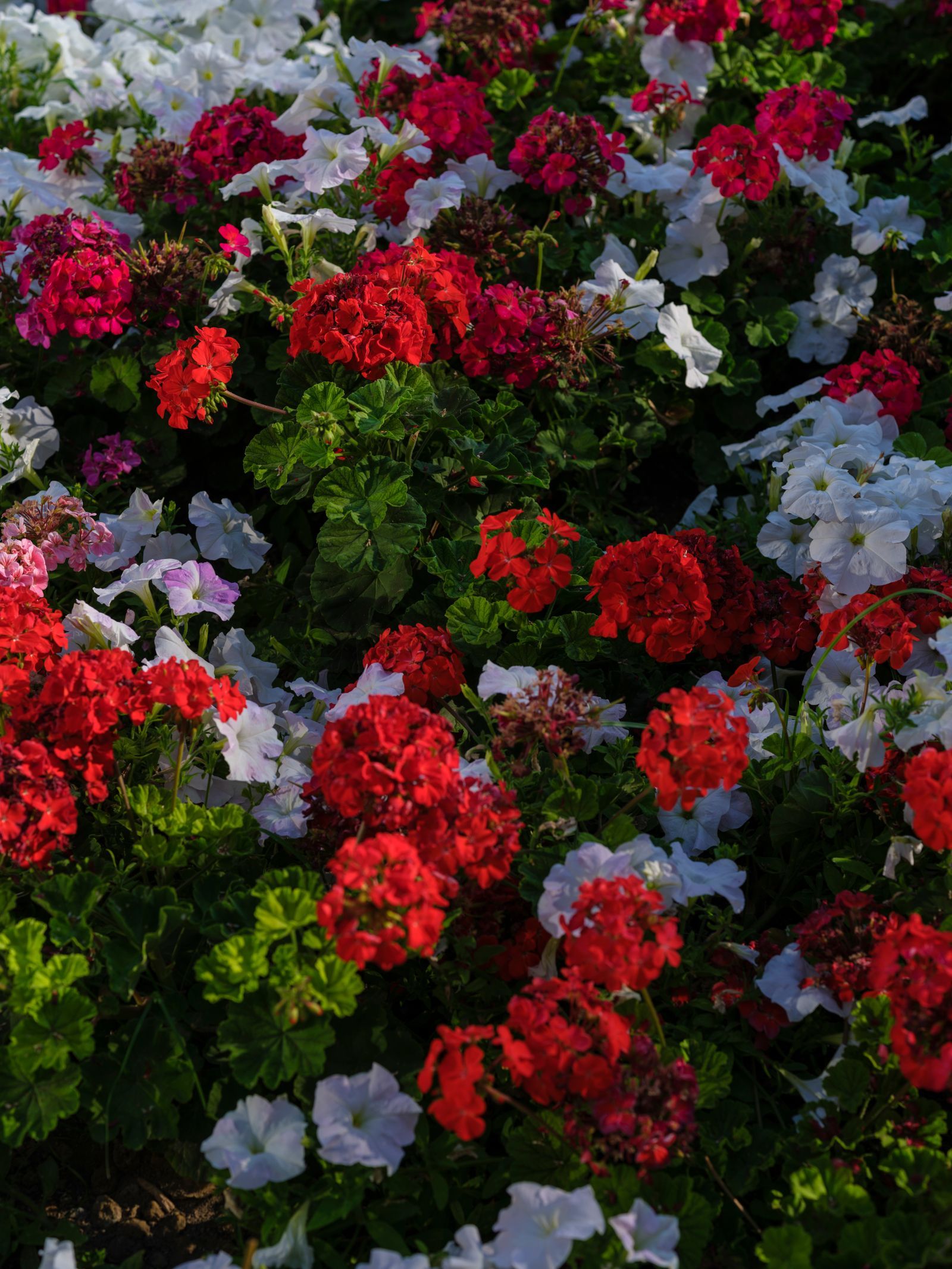
Photo: Engin Akyurt / Pexels
Annual Flower Year Checklist
Check off each step as you finish it. Your progress stays on this page.
0 of 8 complete
0% done
The Three Classes and the Planting Calendar
Hardy annuals tolerate frost and are planted first: sown or set out about 4 weeks before the frost free date, they establish in cool soil and flower earliest. Sweet peas, calendula, larkspur, bachelor's buttons, and nigella live here, and many hardy annuals can also be sown in fall in mild climates to overwinter as seedlings and bloom ahead of everything in spring. Half hardy annuals tolerate cool weather but not a hard freeze: planted about 2 weeks before the frost free date, or started indoors and set out then, they include cosmos, marigold, zinnia in its patient forms, and stock. Tender annuals are killed by frost and often stalled by cold soil: planted on or after the frost free date, with a settled forecast, they include basil's flowering cousins in the border, impatiens, vinca, lantana, and the tropical looking castor and canna grown as annuals. The classes are not trivia. Planting a tender annual at the hardy date is the single most common annual failure, and it looks like the plant's fault: it sits, yellows, and sulks in cold soil, and a later planted twin overtakes it in a fortnight.
| Class | Cold tolerance | Planting time | Examples |
|---|---|---|---|
| Hardy | Takes light frost | About 4 weeks before the frost free date | Sweet pea, calendula, larkspur, bachelor's buttons |
| Half hardy | Cool yes, hard freeze no | About 2 weeks before the frost free date | Cosmos, marigold, zinnia, stock |
| Tender | Killed by frost, stalled by cold soil | On or after the frost free date | Impatiens, vinca, lantana, portulaca |
| All classes | Bed prep | 2 to 4 in of compost worked in once | Shared by every wave |
Sun, Soil, and the One Bed Prep
Most flowering annuals want full sun, 6 or more hours of direct light, and the exceptions are a defined roster, impatiens, begonia, coleus, and their shade bench companions, covered on the shade page. In sun, the limiting factor is rarely fertility and usually water at establishment, which is why the bed prep matters more than any feed program: work 2 to 4 inches of compost into the bed once, before the first wave goes in, and every wave that follows shares it. That single prep does the drainage, moisture holding, and slow feeding for the season. Annuals pushed with heavy nitrogen grow leaves at the expense of flowers, so the feeding rule after planting is restraint: a slow release feed at planting for containers and poor soils, and nothing more unless growth stalls pale. Spacing follows the packet, with one correction learned by every gardener eventually: space for the mature plant, not the transplant. A six pack seedling is 2 inches tall and looks lost at a 12 inch spacing, and by July it is a 12 inch plant crowding its neighbors into mildew. The empty looking bed in May is the healthy bed in August.
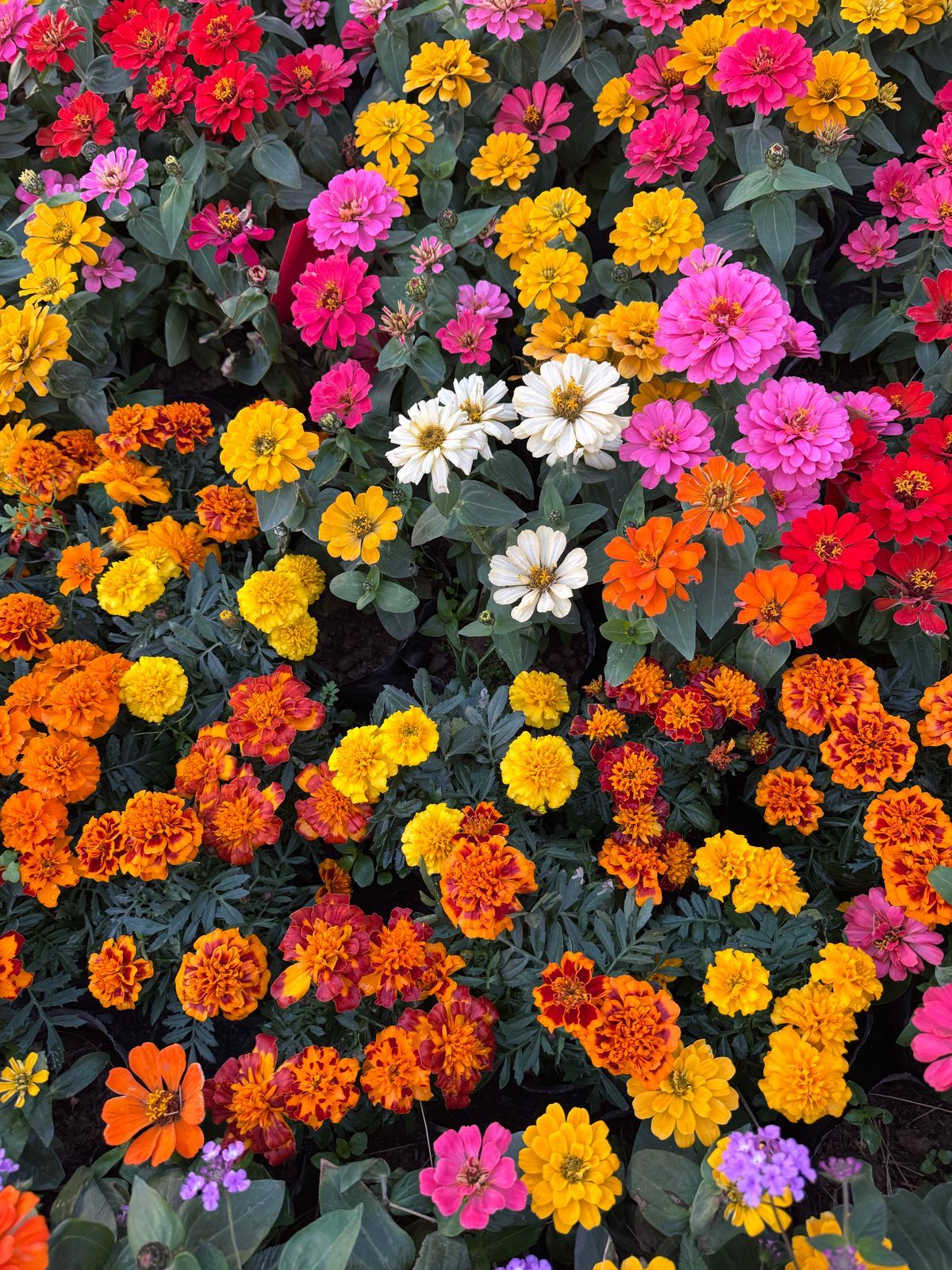
The Rhythm of the Year: Waves, Deadheading, Succession
The annual year runs in waves because the classes allow it. The hardy wave goes in first, a month ahead of the frost date, and starts the flower show. The half hardy wave follows, and the tender wave closes the planting season once the soil is warm. Through summer, the maintenance rhythm is weekly deadheading: spent flowers removed before they set seed, because an annual that sets seed reads its life's work as done and stops flowering, while a deadheaded plant keeps replacing flowers in an attempt to complete the cycle it is being denied. Fast annuals, calendula, cosmos, zinnias for cutting, can be succession sown every few weeks for fresh plants as older ones tire. Late summer is the quiet second spring: a last sowing of hardy annuals in warm soil germinates fast and flowers into fall, and in mild climates the fall sown hardy seedlings overwinter for the earliest possible spring show. The year ends at the first hard frost, which kills the tender plants overnight and finishes the rest within weeks, and the bed is cleared, composted where disease free, and prepped again. Seed saving belongs to the end of the season too: mark the best plants in summer, let a few heads ripen on those, and the deadline plant hands you next year's start.
Annuals in Containers and Cutting Beds
Two annual systems run on the same calendar with different economics, and both belong in the overview. Containers are the intensive case: a pot is a bed with no reserves, so the compost prep becomes a quality potting mix, the watering rhythm tightens from weekly to daily in heat, and the feeding rule relaxes, because a container's nutrients wash out with every watering and a slow release feed at planting plus a liquid feed through summer is standard rather than indulgent. The class calendar still governs what goes in and when, and tender annuals dominate containers for the simple reason that pots come indoors or get emptied at frost anyway. The cutting bed is the productive case: rows of annuals grown to be harvested, zinnias, cosmos, calendula, and sunflowers in their cutting forms, spaced tighter than the display bed because the harvest itself is the deadheading, and succession sown so a fresh row is always coming into flower as the picked row tires. A garden with a cutting bed never faces the display gardener's dilemma of cutting the show for the table. Both systems repay the same discipline the border does: plant by class, on the calendar, into prepared ground, and the season runs itself.
Annuals Against Perennials, and the Honest Trade
The annual system trades permanence for intensity, and the trade should be made knowingly. A perennial bed asks for patience and division and gives back a structure that returns each year with less and less work. An annual bed asks for replanting every year and gives back the longest, brightest flower show in the garden, in the exact colors chosen this spring, in beds that can change completely between seasons. Most good gardens run both: perennials as the bones, annuals as the clothing, filling the gaps in the perennial calendar, carrying containers and cutting beds, and covering ground where a permanent plant is still being decided. The cost accounting favors annuals more than their reputation suggests. A tray of transplants or a packet of seed covers square feet of bed for the price of one perennial pot, and the annual's whole care budget is water, deadheading, and the one compost prep. What annuals cannot do is overwinter, hold a slope against erosion across years, or be inherited with the house. Plant them for what they are: the fastest, cheapest, most changeable flowers in gardening, run on a calendar this page exists to make legible.
Related guides
More from the same bed, bench, and border:
- Best Flowers for Beginners: A Shortlist That Fills One Bed All Season
- Annual Flowers for Full Sun: The Heat Roster for Beds That Bake
- Annual Flowers for Florida: Two Gardens a Year, Planted in Opposite Seasons
Frequently Asked Questions
What is an annual flower, exactly?
A plant that completes its entire life cycle, seed to flower to seed to death, in one growing season. Frost ends tender annuals outright, and even hardy annuals finish after setting seed. The one season life is why annuals bloom so freely and why they must be replanted each year, and the three classes, hardy, half hardy, and tender, describe how much cold each tolerates along the way.
When do I plant annuals?
By class. Hardy annuals go in about 4 weeks before the frost free date. Half hardy annuals go in about 2 weeks before it. Tender annuals go in on or after the frost free date, into warm soil with a settled forecast. Planting tender annuals early is the most common annual mistake; they stall in cold soil and are overtaken by later plantings.
How much sun do annual flowers need?
Most flowering annuals want full sun, 6 or more hours of direct light a day. The shade roster is specific, impatiens, begonia, coleus, and their companions, and it has its own page on this site. A sun annual in shade does not die; it grows leaves, stretches, and declines to flower, which is the plant reporting its light bill unpaid.
Why did my annuals stop blooming in midsummer?
Usually seed. An annual that is allowed to set seed reads its life cycle as complete and stops replacing flowers. Weekly deadheading, removing spent blooms before they ripen into seed, keeps the plant flowering. Heat stall is the second cause for cool season types like calendula, which pause in hot weather and resume in fall.
Do annuals come back next year?
The plants do not, but the planting sometimes does: hardy annuals that set seed freely, calendula, larkspur, nigella, bachelor's buttons, self sow where the seed falls, and seedlings appear the following season in roughly the same place. It is the children, not the parents, and relying on it works only where the bed is not heavily mulched or hoed in spring.
Photo credits: Engin Akyurt (Pexels); hai pham tuan (Pexels). Photos are served from this site; follow the credit to the library page for the original.