The hardest bed in most gardens is not the shady one. It is the bed against the south wall, along the driveway, in the strip between sidewalk and street, where the sun is total and the reflected heat doubles it. Gardeners plant that bed with the general annual roster and watch it fail in a specific way: the plants live, but they stall, bleach, and stop flowering in the very weeks the bed was planted for. The failure is roster selection. Full sun annuals are not just sun tolerant; the best of them are heat powered, flowering more freely at 95 F than at 75 F, and they are a defined set. This page ranks that set and gives the supporting system, mulch, deep watering, and deadheading, that lets it run. It is a companion to the site's annual flowers overview, which covers the class system and calendar, and to the all summer annuals page, which ranks by bloom duration; this page ranks by heat.
Home / Flowers and Houseplants
Annual Flowers for Full Sun: The Heat Roster for Beds That Bake
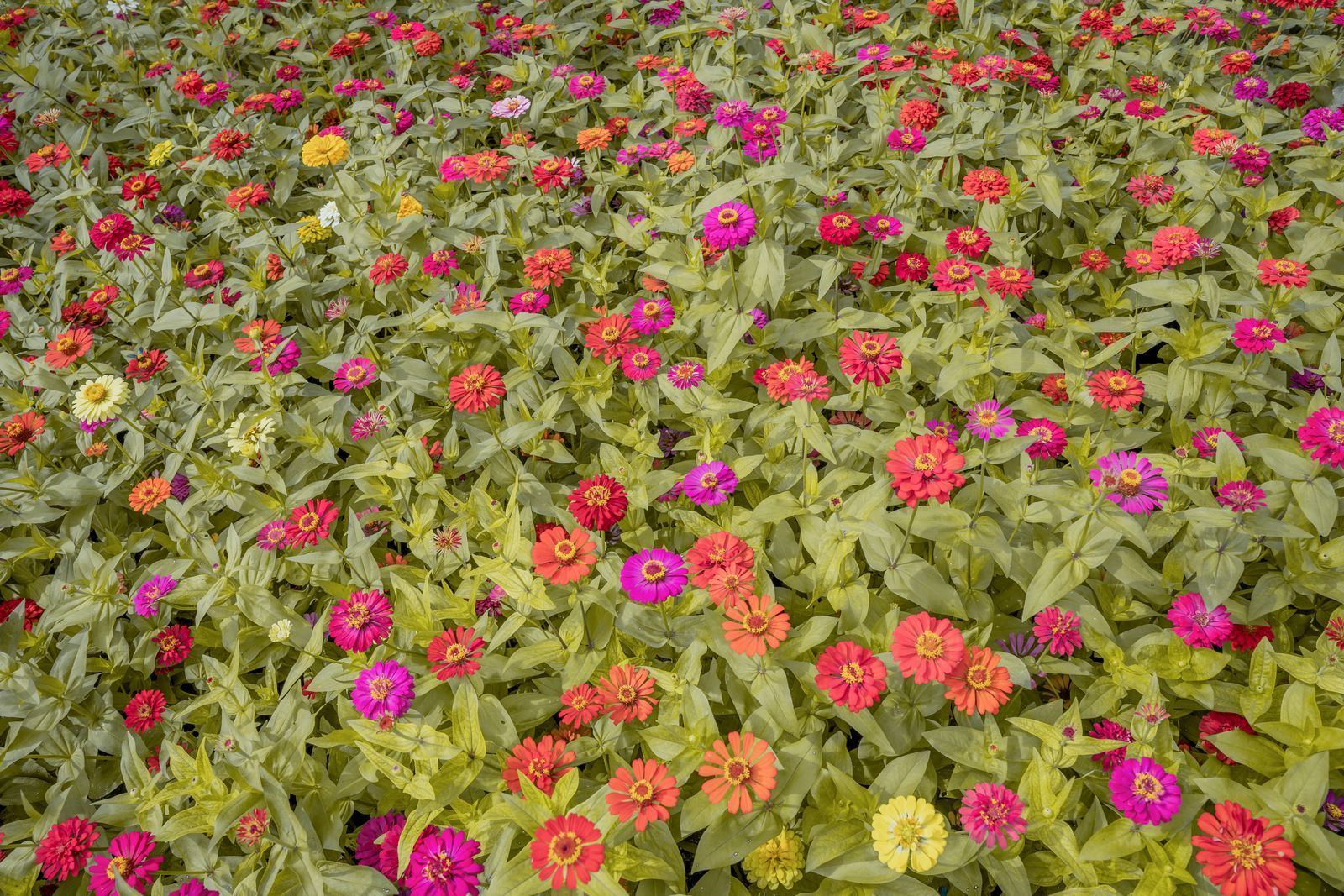
Photo: quang vinh / Pexels
Full Sun Annual Checklist
Check off each step as you finish it. Your progress stays on this page.
0 of 8 complete
0% done
Verify the Sun Before You Blame the Plants
Full sun means 6 or more hours of direct, unfiltered sun, and the first step is measuring your bed honestly, because gardeners overestimate sun more reliably than any other garden quantity. A bed that feels sunny may receive 4 hours between the house shadow and the tree shadow, which is a part sun bed, and part sun beds grow a different roster. Time the bed on a clear day near midsummer, or use a sunlight calculator app across a day, and count only the hours of direct sun on the soil. At 6 to 8 hours, the full roster below applies. Above 8 hours with reflected heat from pavement or a light wall, treat the bed as extreme and weight the roster toward its top three. Below 6 hours, do not fight it: plant the part sun roster and let this page go. The other verification is soil temperature behavior. A bed that bakes is usually a bed that dries, and the system below assumes both; if your full sun bed is irrigated and mulched and stays moist, the whole roster performs and the ranking matters less.
| Rank | Plant | Heat behavior | Water need once established | Notes |
|---|---|---|---|---|
| 1 | Portulaca | Flowers hardest in peak heat | Lowest of the roster | The hell strip champion; poor soil welcome |
| 2 | Vinca (Catharanthus) | Loves heat, hates cold soil | Low to moderate | Plant late, into warm soil only |
| 3 | Lantana | Heat powered, blooms to frost | Low to moderate | Shrubby; give it room |
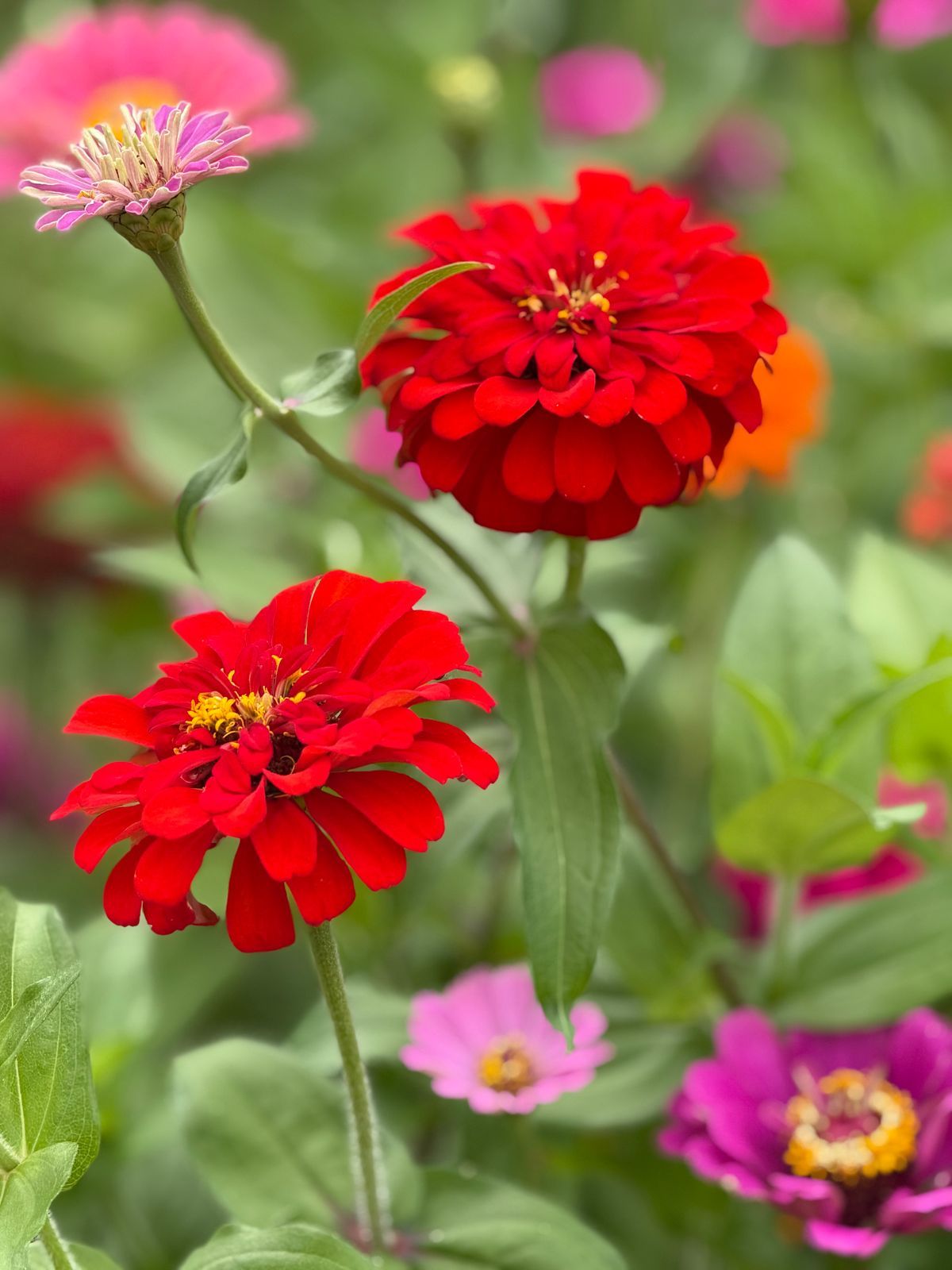
| 4 | Zinnia | Thrives in heat with air flow | Moderate | Deadhead or cut for the vase |
| 5 | Marigold | Steady in heat | Moderate | The border workhorse |
| 6 | Angelonia | Heat and humidity tolerant | Moderate | Upright spikes, no deadheading needed |
| 7 | Cosmos | Heat fine, soil must be lean | Low | Rich soil makes leaves, not flowers |
The Roster, Ranked by Heat
Portulaca, moss rose, tops the list because it is built from the tissue out for the worst bed you own: succulent leaves, a preference for poor, dry soil, and flowers that open widest on the hottest days. It is the answer for hell strips and gravel edges where nothing else on this page survives August. Vinca, the annual Catharanthus, is second: glossy, drought steady, and flowering without pause from planting to frost, with one strict condition, it must go into warm soil, because vinca planted into cold spring soil sulks and rots while later plantings thrive. Lantana third, a heat powered near shrub that needs room and rewards it with continuous bloom clusters that draw butterflies all season. Zinnia fourth, the cutting bed star, thriving in heat as long as air moves around it; its weakness is mildew in still, wet weather, which spacing and morning watering answer. Marigold fifth, the dependable edging plant, unglamorous and unbothered. Angelonia sixth, upright and tidy through heat and humidity, asking for no deadheading. Cosmos seventh, glorious and easy, with the roster's one paradox: it flowers best on lean soil, and a richly fed cosmos in a sunny bed produces a magnificent green bush and a dozen flowers.
The System: Mulch, Water Deep, Deadhead Weekly
The roster does the heat work; the system does the water work. Mulch is the first piece: 2 to 3 inches over the bed once plants are established, which in a baking bed is the difference between watering every day and watering twice a week, because most of a sun bed's water loss is evaporation off bare soil, not drinking by the plants. Watering is the second piece: deep and infrequent beats shallow and daily, driving roots down into the cooler, moister soil the mulch protects, with the standard inch a week as the baseline and containers and edges, which dry fastest, checked separately. Deadheading is the third piece, and it is selective on this roster: zinnia and marigold retire into seed if spent heads stay on, so they are cut weekly, for the vase where possible; portulaca, vinca, lantana, and angelonia are self cleaning and ask nothing. Pinching is the fourth, one time piece: zinnia and cosmos pinched once at 8 to 12 inches tall branch into bushes instead of single stems, doubling the flower count for ten seconds of work in May.
The Failure Modes of a Hot Bed
Even the right roster has three characteristic failures in a baking bed, and each has a named fix. The first is bud blast on zinnia and marigold during a heat wave with dry soil: buds form, brown at the tip, and never open, because the plant triages reproduction when its roots cannot keep the leaves supplied. The fix is water timing, a deep soak in the early morning before the heat, not a rescue sprinkle at noon that evaporates off the mulch. The second is spider mites, the hot bed's signature pest, thriving exactly where it is hot and dry and announcing themselves as a fine stippling and webbing under the leaves of marigold and zinnia. A hard jet of water under the foliage every few days through a heat wave knocks them back mechanically, and it is usually enough without any spray. The third is bleaching, flowers opening pale and washing out within a day in extreme sun. Some varieties bleach and others hold color, and the fix is varietal: note which of your plants bleached in the worst week and replace those names on next year's list, because heat fast color is a bred trait and the seed catalogs say so when a variety has it. None of the three failures indicts the bed. They are the operating conditions of the best seat in the garden, and the roster plus these three answers is the complete management system.
Containers and Edges: Where Full Sun Gets Extreme
Everything true of the bed is truer of the pot on the sunny patio and the bed edge along the pavement. Containers in full sun dry from all sides and can need water daily in a heat wave even with the toughest roster, and the honest answers are bigger pots, which hold more reserve, mulch on the pot surface, and the top of this roster, portulaca and vinca, which forgive a missed day. Edges dry because the pavement wicks and reflects; plant the edge a few inches further back than looks right in May, mulch to the pavement line, and expect to water the edge row on its own schedule. The reward for solving the extreme spots is that they are the most visible ground you own. A hell strip in portulaca and a patio in vinca and lantana are the plantings the whole street sees in August, when every lesser bed in the neighborhood has quit, and they are running on the cheapest water and the least labor in the garden.
Related guides
The closest companions to this guide:
- How to Care for Zinnias in Pots: One Plant, One Pot, Full Sun
- Annual Flowers for Shade: Measure Your Shade First, Then Take the List
- How to Build a Raised Flower Bed with Pavers: Dry Stacked, Sized to the Stone
- How to Care for Flowers in a Vase: The Florist Routine, Myths Tested
- Annual Flowers for Florida: Two Gardens a Year, Planted in Opposite Seasons
Frequently Asked Questions
What are the best annuals for a bed that gets sun all day?
The heat roster: portulaca for the driest, hottest spots, then vinca, lantana, zinnia, marigold, angelonia, and cosmos. All of them flower more freely as temperatures climb, which separates them from the general annual roster that stalls in peak heat. Verify the bed truly gets 6 or more hours of direct sun first; a part sun bed wants a different list.
Why do my annuals stop flowering in the hottest weeks?
Either the roster or the seed. General annuals, and cool season types especially, pause flowering in heat stress. And any annual allowed to set seed stops replacing flowers. Switch the hot bed to the heat roster, mulch 2 to 3 inches to cut evaporation, water deep rather than daily, and deadhead the zinnia and marigold weekly.
Can I grow annuals in the strip between the sidewalk and the street?
Yes, and portulaca was made for it: succulent, drought proof, flowering hardest in the worst heat, and happy in poor soil. Vinca and lantana back it up where the strip is wider. Mulch well, water deeply while plants establish, and check local rules, since some towns govern planting in that strip.
Does cosmos really flower less in good soil?
Yes. Cosmos is a lean soil flowerer: rich, heavily fed soil produces large, leafy plants with few blooms, while poor soil keeps the plant compact and floriferous. Plant cosmos in the unimproved corner of the sun bed, skip the fertilizer, and let the zinnia and marigold have the compost enriched ground instead.
When should vinca be planted?
Late, into genuinely warm soil, after the tender annual date and ideally once nights stay warm. Vinca is the roster's one cold soil casualty: planted early it sulks, yellows, and can rot, while the same plants set out two weeks later grow without a pause. Patience with vinca is worth more than any feed.
Photo credits: quang vinh (Pexels); Richa Varshney (Pexels). Photos are served from this site; follow the credit to the library page for the original.