Annual Flowers for Florida: Two Gardens a Year, Planted in Opposite Seasons
By the Windchime Walker editorial team
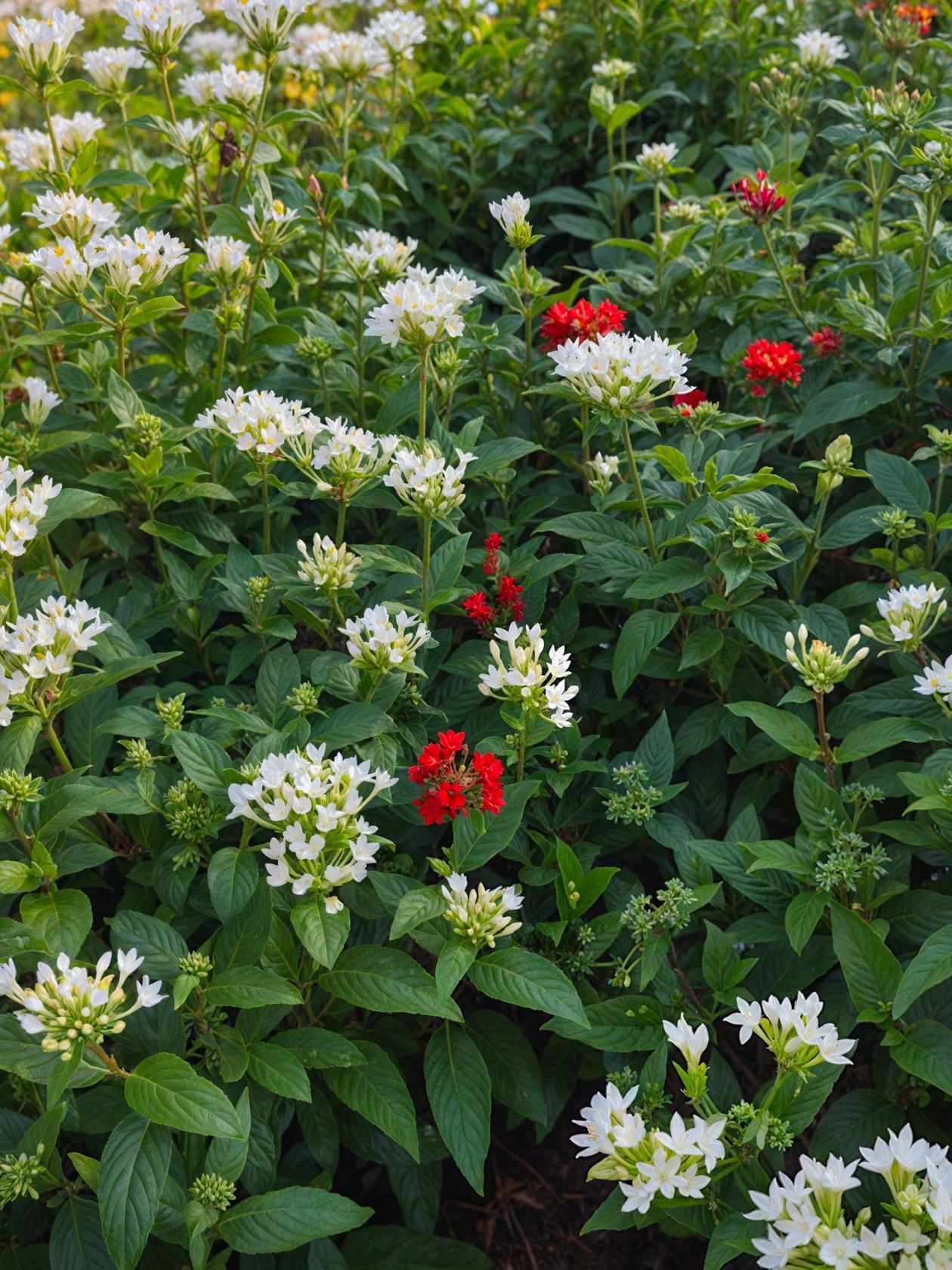
Photo: Kenneth Dave Asto / Pexels
Florida does not have an annual flower season. It has two, running in opposite directions, and the single fact that unlocks the state is this: the cool season annuals that the rest of the country plants in spring, petunias, pansies, snapdragons, are Florida's winter garden, planted in fall and blooming through the cool months. The warm season annuals go in during spring and carry the brutal summer. A gardener who moves to Florida and plants petunias in April, on the northern calendar, watches them melt by June and concludes the state is impossible. The state is fine. The calendar was upside down.
UF/IFAS, the University of Florida's extension service, publishes the working calendars by region: ENH1189 covers Central Florida and ENH1191 covers South Florida, with North Florida running its own colder variant. The regions matter because the state spans zones 8 to 11, and a planting date that is perfect in Orlando is a month early in Jacksonville and a month late in Miami. This guide is built on those calendars, and its first instruction is to fix your region before you read another word.
Interactive tool
Florida Annuals Planting Checklist
Check off each step as you finish it. Your progress stays on this page.
0 of 8 complete
0% done
The two seasons, by region
Region
Cool season annuals planted
Cool season stars
Warm season annuals planted
Warm season stars
North Florida
October to November
Pansy, petunia, snapdragon, viola, alyssum
April to May
Vinca, pentas, zinnia, marigold, coleus
Central Florida
October to November
Petunia, pansy, snapdragon, dianthus, alyssum
March to April
Vinca, pentas, zinnia, portulaca, coleus
South Florida
November to December
Petunia, geranium, snapdragon (briefly), alyssum
February to March
Vinca, pentas, zinnia, torenia, portulaca
Read the cool season column as the main event in the southern half of the state. From November to April, Central and South Florida have the best annual flower weather in America: cool nights, low humidity, little rain, and no frost most years. That is when the petunia baskets and snapdragon beds that northerners associate with May do their work, and they do it for five months instead of six weeks.
Why the summer garden is a different roster
The warm season list is short because the audition is brutal: months of nights above 75 degrees, humidity that never lifts, and rain that arrives in daily inches. Vinca (periwinkle) is the summer backbone precisely because it laughs at all three, and modern vinca series have largely solved the disease problems that once plagued it. Pentas carries the butterflies through the heat. Zinnias bloom hard but mildew in the wettest weeks, which is why Florida growers lean on the narrow leaf zinnia types for summer beds. Portulaca and purslane take the hottest, driest, sandiest spots and flower anyway. Coleus is grown for foliage that does not care about any of it.
The northern summer stars mostly fail the audition. Petunias collapse in the heat and rain. Marigolds survive but sulk and spider mite in the worst weeks, which is why the table lists them for the North Florida summer, where the season is a few degrees kinder, and not as a South Florida recommendation. Our general guide to annual flowers covers the national roster; this page is the Florida edit of it, and where the two disagree, this page wins in Florida.
Sandy soil, raised beds, and the rain problem
Florida's soil is sand with ambitions, and annuals are hungry, thirsty plants, so bed preparation is not optional decoration. Work 2 to 3 inches of compost into the bed before planting, mulch 2 to 3 inches after, and expect to feed lightly and regularly through the season, because the summer rains leach fertilizer through sand faster than any northern gardener believes. Slow release fertilizer at planting is the standard UF/IFAS recommendation for exactly this reason.
The rainy season, roughly June through September, creates the opposite problem at the root: beds that sit flat in a summer downpour hold water around the crowns, and root rot takes more Florida summer annuals than drought ever will. Mound or raise beds in any spot where water stands after a storm, keep mulch pulled back from the stems, and space for airflow, because the same humidity that rots roots mildews leaves. The spacing benches for the summer roster live in our guides to plant spacing for marigolds and the cut flower production grid in plant spacing for cut flowers, both of which widen in Florida humidity whether the packet says so or not.
The frost line and the storm season
North Florida gardeners run a real frost calendar inside the cool season: pansies and violas shrug off the freezes that burn petunias, so the farther north you are, the more the cool roster tilts to the hardiest names, and tender plantings wait for the region's actual last frost, which the UF/IFAS calendars date locally. South Florida's cool season risk is the opposite, a warm winter in which snapdragons barely perform because they never got the chill they wanted.
Hurricane season writes the last rule. Tall annuals planted in spring are stakes or losses by September: either stake the tall summer roster as it grows, or accept the flattening and cut it back hard, since vinca, pentas, and coleus all regrow from a hard cut in the heat. The fall planting that starts the cool season garden waits until the storm peak passes in most of the state, which is one more reason the October and November dates in the table are what they are.
Baskets, window boxes, and the Florida container rules
Containers follow the same inverted calendar as the beds, with the volume problem turned up: a hanging basket of petunias in the Florida winter is in the best flower weather in America and still needs water every day or two, because a basket holds a gallon of mix against a full canopy of flowers. The summer basket roster is shorter than the bed roster, vinca, portulaca, and pentas again, and the basket that survives August is the one in bright shade after noon, watered on the outdoor pot system in our guide to how often to water outdoor potted plants, which for small containers in Florida heat means a daily check without exception.
Two Florida specific rules govern everything planted in a pot. First, the mix: use a quality soilless potting mix and replace it each season, because a year of Florida rain compacts and soures a mix faster than anywhere else in the country, and last season's mix is this season's root rot. Second, the saucer: in the rainy season, saucers come off and pots go up on feet, because a pot standing in its own saucer through a week of downpours is a pot being watered from below with no drainage at all. In the dry winter season the saucer returns and does honest work. The calendar flips, the hardware flips with it.
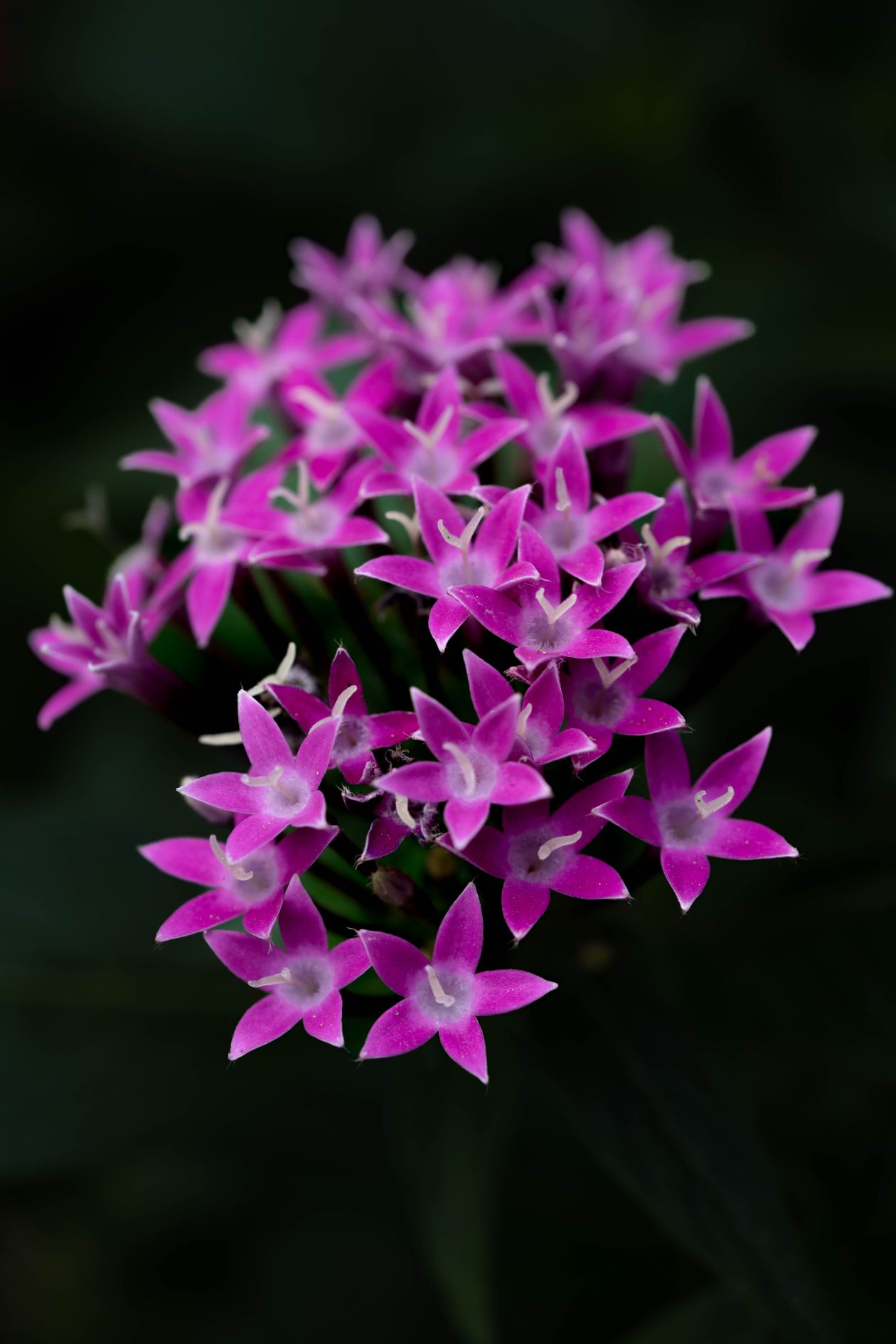
Pink pentas flowers with star shaped blooms
Signs you are getting it wrong
Petunias melting in June were planted on the northern calendar. A winter garden that never took off in Miami was planted with varieties waiting for cold that never came. Summer beds dying from the roots up in August are sitting in flat, water holding soil. And a gardener feeding weekly with liquid fertilizer in the rainy season is watering the aquifer; switch to slow release and let the plant, not the rain schedule, set the feeding.
Twice a year, on the inverted calendar. Cool season annuals, petunias, pansies, snapdragons, go in during fall: October to November in North and Central Florida, November to December in South Florida. Warm season annuals, vinca, pentas, zinnias, go in during spring: April to May in the North, March to April in Central, and February to March in the South. The UF/IFAS regional calendars, ENH1189 for Central and ENH1191 for South, are the authority for your county's exact dates.
What are the best annuals for Florida summers?
Vinca is the backbone, because it tolerates the heat, humidity, and downpours that kill most annuals, and modern series resist the old vinca diseases. Pentas follows for butterflies and nonstop bloom, then portulaca for hot dry sand, coleus for foliage, and narrow leaf zinnias where you want zinnia flowers with better mildew resistance. Plant them in mounded or raised beds, because summer rain rots more roots than drought does.
Why do my petunias die in Florida?
Usually because they were planted in spring, on the northern calendar. In Florida, petunias are a cool season flower: planted in fall, they bloom gloriously from November to April, and then the heat, humidity, and summer rain finish them by June no matter what you do. That is not failure; that is the season ending. Replace them with the warm season roster and plant petunias again in October.
Can pansies grow in South Florida?
Yes, but as a short, cool window flower rather than a season long one. Plant in November or December, enjoy them through the coolest weeks, and expect them to fade as nights warm in March. Varieties bred for heat tolerance stretch the window. In North Florida, with real frosts, pansies and violas are among the hardiest and longest lasting cool season choices, which is why the regional calendars split the state.
How do you keep Florida annual beds from rotting in the rainy season?
Raise them. Mound or build up any bed where water stands after a storm, work in compost to give the sand some structure, mulch 2 to 3 inches while keeping it off the stems, and space plants for airflow so foliage dries between rains. Feed with slow release fertilizer at planting rather than liquid feeds that the downpours leach straight through. Root rot in a flat Florida bed in August is a drainage verdict, not bad luck.
Photo credits: Kenneth Dave Asto (Pexels); Manish Sharma (Pexels). Photos are served from this site; follow the credit to the library page for the original.