A hosta's address is its watering problem. The plant itself is uncomplicated: Clemson Extension's bench is 1 inch of water a week or more, and South Dakota State gives the same inch a week. But hostas are planted where almost nothing else will grow, in dry shade under trees, and the tree is a competitor with a root system the size of the canopy and first claim on every rain. A hosta bed under a maple can receive a full inch of rain and still be dry at the roots, because the canopy sheds water outward and the tree's feeder roots take what lands. So the honest answer to how often is: an inch a week delivered to the hosta's roots, verified with a trowel, and more, sometimes much more, in the establishment year, in heat waves, and under thirsty trees.
Home / Gardening Basics for Beginners
How Often to Water Hostas: An Inch a Week Under the Trees
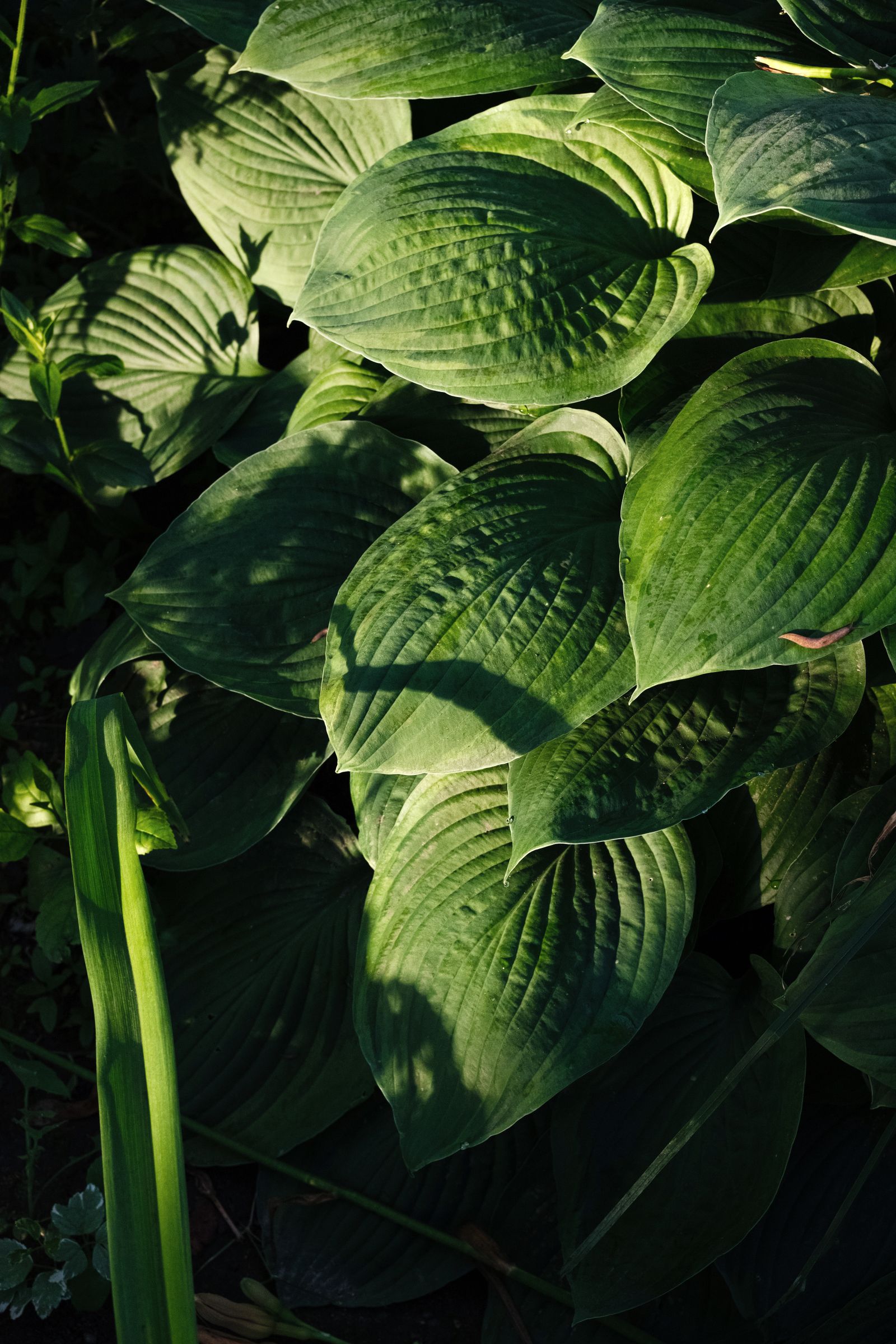
Photo: Marcus Echo / Pexels
Watering Calculator: The Hosta Shade Audit
Hostas want an inch or more of water a week, and more where tree roots compete for every drop. Enter your bed size below to size the soak, then read the slug, scorch, and tree root sections in this article.
19.9 gallons
For 32 square feet at 1 inch deep. That is about 76 liters, or 10 trips with a standard 2 gallon watering can.
A rain gauge or a straight sided can set in the bed tells you when a sprinkler or soaker hose has actually delivered this depth. Time alone is a guess, because hose pressure varies from house to house.
The conversion is arithmetic, not opinion: one inch over one square foot is 144 cubic inches of water, and a US gallon holds 231 cubic inches, so each square foot at one inch takes 0.62 gallons.
The Bench by Setting
An established hosta in open ground with decent soil runs on the weekly inch, rain counted. The same plant under a mature tree runs on the weekly inch plus whatever the tree takes, which in a dry July can double the requirement. The test is a trowel at 4 to 6 inches in the bed, not at its edge: hosta beds dry from the tree outward, and the soil near the trunk tells the truth the bed's edge hides. Water deeply and in the morning. Morning matters for hostas more than for most plants, because the foliage stays wet for hours in still shade air, and wet hosta leaves overnight are an open door to the fungal spots and a dinner bell for slugs, which do their feeding on wet nights.
| Setting | Test | Normal weeks | Dry heat |
|---|---|---|---|
| Established, open bed | Dry at 4 inches | 1 inch weekly | 1.5 inches, split in two |
| Established, under trees | Dry at 4 to 6 inches | 1 to 1.5 inches weekly | Twice weekly checks |
| First year, any site | Dry at 3 inches | Twice weekly | Every other day |
| Large leaf varieties | Dry at 4 inches | 1 to 1.5 inches weekly | Split the dose in two |
| In pots | Dry at 2 inches | Every 2 to 3 days | Daily |
| New division, first month | Keep moist, not wet | Every 2 to 3 days | Daily check |
The Establishment Year
A newly planted hosta has the root system of the pot it came in and the ambitions of a plant that wants to be 3 feet wide. Until its roots reach out into the bed, which takes a full season, it lives on what you give it. Twice weekly deep waterings in normal weather, more in heat, and mulch from planting day. Divisions are needier than nursery plants: a division is a cut piece with severed roots, and its first month should run evenly moist. The failure pattern is a spring planting that looks fine in May, gets forgotten in the busy June garden, and collapses in the first July heat with roots still no wider than the planting hole. Water the hole's width plus a margin all season. By the second year the plant is on the standard bench; by the third, a well sited hosta in decent soil is one of the most drought patient plants in the shade garden, though it still shows its best size and color on the full weekly inch.
Tree Roots: The Hidden Half of the Schedule
Under a mature shade tree, watering a hosta bed is watering two plants, and the tree is better at it. Fine tree roots concentrate in the top foot of soil, exactly the hosta's zone, and they intercept both rain and irrigation. Three tactics work. First, water longer and slower: a soaker hose run for hours puts water past the surface mat of feeder roots instead of wetting it and stopping. Second, mulch thickly, 3 inches, which keeps the hosta's share from evaporating and slowly improves the soil as it breaks down. Third, accept the worst spots: directly against a trunk or over a major root flare, even a hosta struggles, and moving the plant 2 feet outward does more than any watering regime. Root competition is also why hostas under trees benefit from a spring feeding: the tree takes the fertilizer too, and the hosta's share of a modest dose is modest indeed. Gardeners who grow exhibition hostas under trees often sink very large pots or bottomless collars to give the plant a root zone of its own for its first years, which is an admission of how one sided the contest is.
Pots and the Blue Leaf Problem
Potted hostas follow container rules: check at 2 inches, water thoroughly, expect every 2 to 3 days in summer and daily in heat. The pot specific trap is the blue varieties. The blue color on hostas like 'Halcyon' and 'Krossa Regal' is a waxy bloom on the leaf surface, and overhead watering, especially with warm water or in hot sun, melts and streaks that wax, turning a blue plant green for the rest of the season. Water potted blues at the soil line, in the morning, and keep the hose off the foliage. The same care helps in beds: a soaker hose or a watering wand under the leaves preserves the blue in a way sprinklers never will. Green and gold varieties do not care, which is why the advice sounds fussy until you have watched a blue bed go green by July.
Thirst, Scorch, and Slugs: Reading the Leaves
Three leaf complaints get blamed on watering, and only one of them is. Thirst shows as a dull, drooping leaf and margins that brown and crisp evenly around the whole plant, worst on the outer leaves, after a dry stretch; the soil test confirms it dry at depth. Sun scorch shows as bleached, papery patches in the center of leaves on the sun side, on plants getting more direct sun than the variety tolerates; the soil is often fine, and the cure is shade or a move, not water. Slug damage is holes, usually with silvery trails, appearing overnight on wet foliage; more water makes it worse, not better. The discipline is to diagnose before adjusting: check the soil at 4 inches, look at where on the plant and leaf the damage sits, and only then change the schedule. Hostas are forgiving of a late watering and quick to recover with a deep soak, which is why the weekly inch, honestly delivered, keeps them out of trouble.
Size and Sun: The Two Adjustments
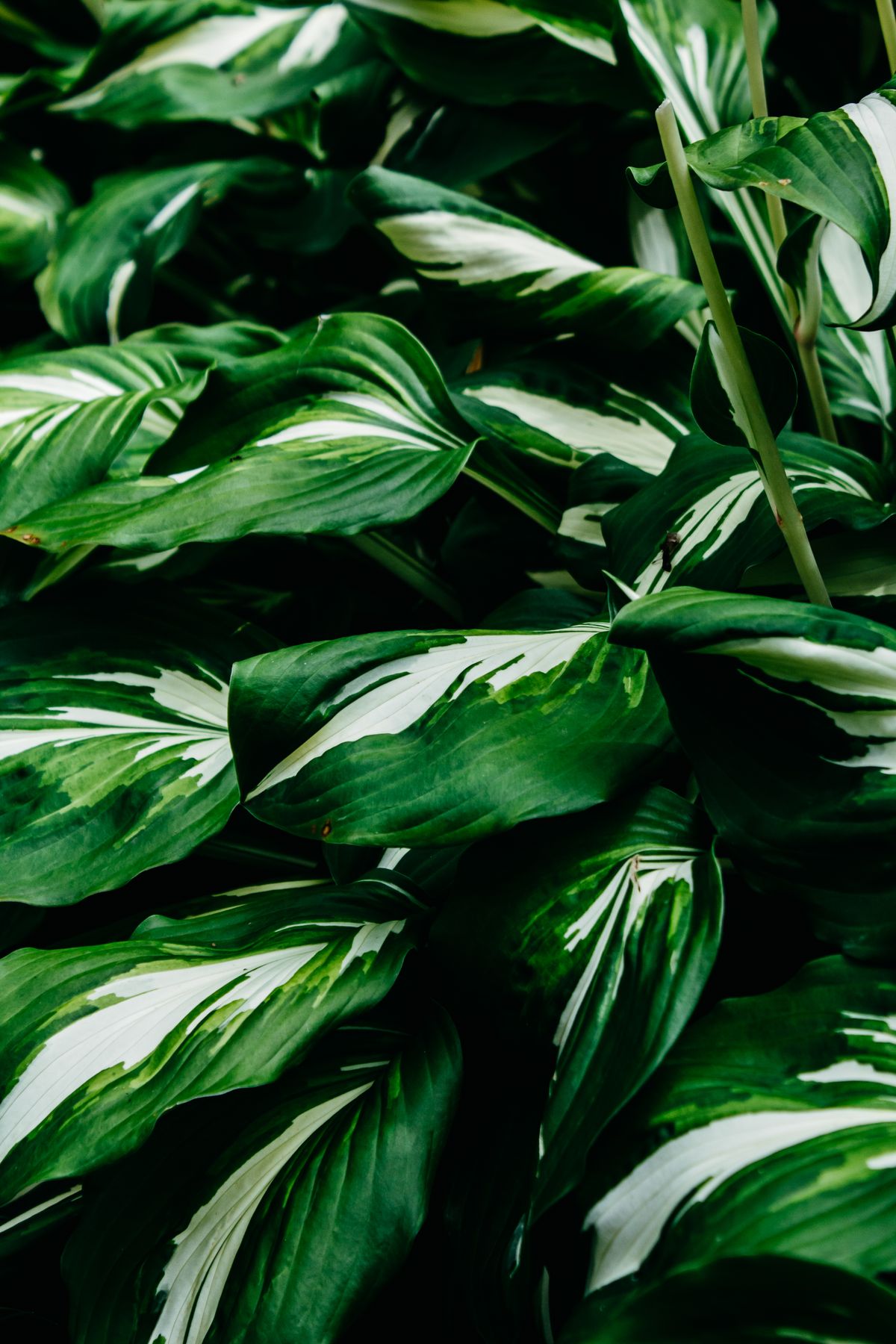
The weekly inch assumes the classic hosta, a mid size plant in shade. Two adjustments move it honestly. The first is size. The genus spans miniatures 6 inches across and giants like 'Empress Wu' and 'Sum and Substance' that spread 4 to 6 feet with leaves the size of serving platters, and water use scales with leaf area: a giant in full growth transpires like a small shrub and in a dry summer wants the top of every range on this page, an inch and a half split in two, while a miniature in a trough or a small bed pocket lives on a fraction of that and rots in soil kept as wet as the giant wants. Water the plant in front of you, not the genus average, and let the trowel test at the plant's own root zone arbitrate. The second adjustment is sun. The sun tolerant hostas, the fragrant plantaginea types, the gold leaved and thick leaved varieties that take several hours of direct sun in northern gardens, drink noticeably more than their shade sited cousins, because sun on a leaf is a pump. A hosta in four hours of sun is running a different water budget from the same cultivar in full shade, and in southern gardens afternoon sun is simply damage, bleaching and crisping leaves no watering regime can protect, which is why southern hosta culture is a shade discipline first and a watering discipline second. Variegated varieties add a footnote: the white centered leaves photosynthesize less and scorch sooner, so the plant grows slower, drinks a little less, and punishes siting errors faster. None of this changes the test. It changes your expectation of how often the test will say yes, which is all a bench ever is.
Related guides
More from the same bed, bench, and border:
- How Often to Water Eucalyptus: Potted Trees and Young Trees in the Ground
- How to Garden for Beginners: Your First Season, Week by Week
Frequently Asked Questions
How often should I water hostas?
About an inch of water a week for established plants, rain counted, and more under trees and in heat. Clemson Extension's bench is an inch or more per week. Verify with a trowel at 4 inches: if the soil there is dry, water deeply, whatever the calendar says.
Do hostas need a lot of water?
They need consistent water, not constant water. An established hosta on the weekly inch in decent soil is content, and mature plants tolerate dry spells well. What they do not tolerate is the establishment year without water, or life under a thirsty tree with no supplement.
Why are the edges of my hosta leaves turning brown?
Even marginal browning around the whole plant after dry weather is thirst, confirmed if the soil is dry at 4 inches. Bleached papery centers on the sun side are sun scorch, a light problem, not a water problem. Holes with silvery trails are slugs. Diagnose the pattern before changing the schedule.
How often do new hostas need water?
Twice a week, deeply, for the whole first season, and every 2 to 3 days for the first month of a fresh division. A new hosta's roots are only as wide as its planting hole until it establishes, so water that zone plus a margin, and mulch from day one.
Should I water hostas with a sprinkler?
Morning sprinkler watering is acceptable for green and gold varieties, but soil level watering is better: it keeps foliage dry against fungal spots and slugs, and it preserves the waxy blue bloom on blue varieties, which overhead water streaks away. A soaker hose under the leaves is the ideal.
Photo credits: Marcus Echo (Pexels); Darius Krause (Pexels). Photos are served from this site; follow the credit to the library page for the original.