Most no grass front yards fail in the planning, not the planting. The lawn is removed with enthusiasm, and what replaces it is a scatter of shrubs in a sea of mulch, which reads within one season as a yard that lost its lawn rather than a yard designed without one. The difference between the two outcomes is a single discipline: grass was doing jobs, and each job needs a named replacement before the turf comes out. Grass covered the ground so weeds and mud never showed. Grass gave children and dogs a surface. Grass made the view from the street read as cared for, in the universal signal of a green, even plane. Remove the grass and answer each job with a material or a planting, and the yard works. Remove it and answer none of them, and no plant list saves the design. This page works the replacement system job by job. It is the grass free branch of the site's front yard landscaping ideas, which covers the broader front yard with lawn based designs included.
Home / Lawn and Landscape Basics
Front Yard Landscaping Ideas With No Grass: Replace the Jobs, Not Just the Lawn
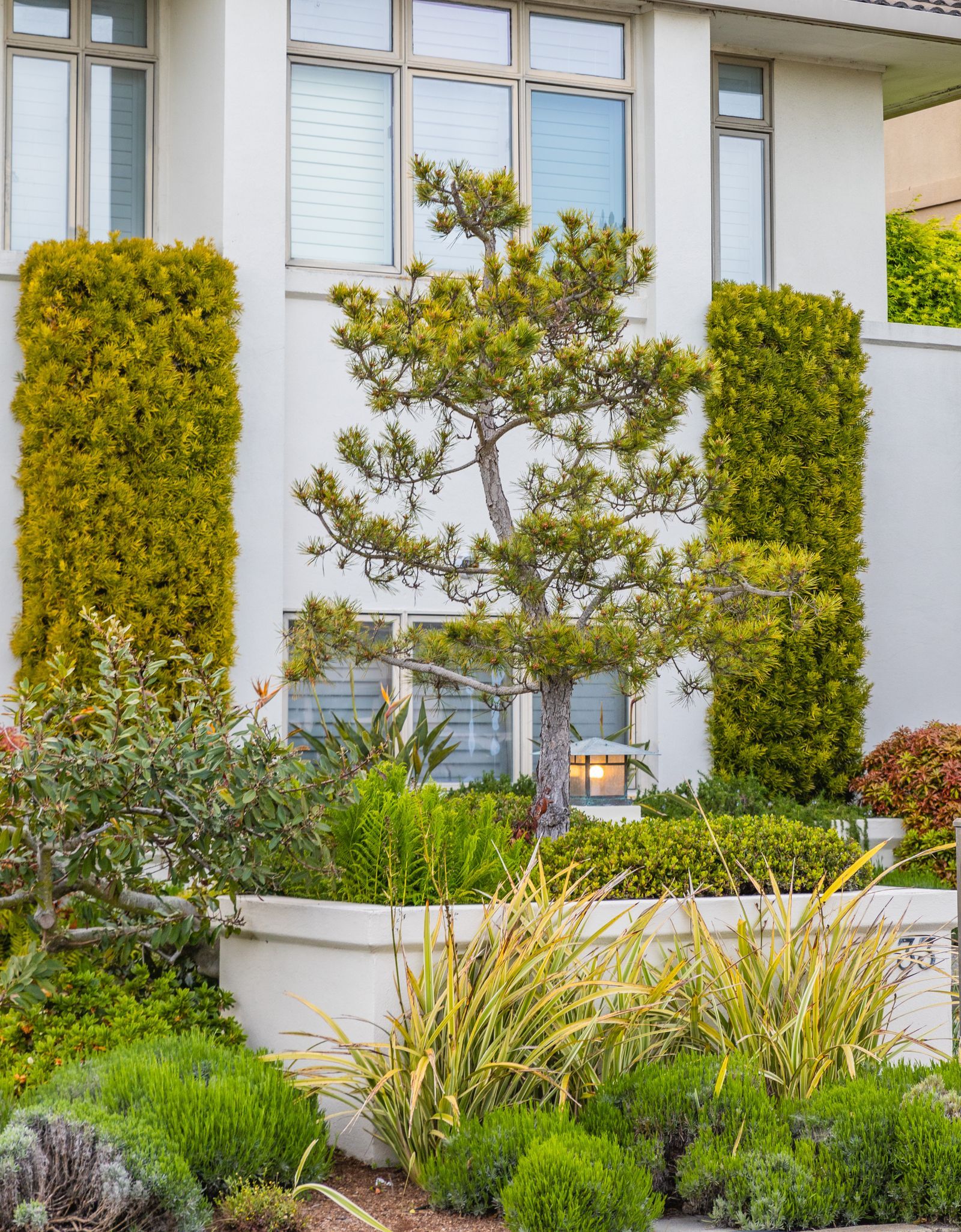
Photo: Robert So / Pexels
No Grass Front Yard Checklist
Check off each step as you finish it. Your progress stays on this page.
0 of 8 complete
0% done
The Job List: What the Lawn Was Doing
Write the list for your own yard before designing anything, because it differs by household. The universal jobs are ground coverage, weed suppression, and the curb view, the signal to the street that the house is tended. The household jobs vary: a play surface for children, a run and relief area for dogs, a walking route to the door and the mailbox, drainage management on a slope, a parking overflow strip. Each job gets its replacement named in the design, in writing, before removal. Play becomes a defined surface, a mulch or gravel court, a groundcover rated for foot traffic, or a small hardscaped terrace. The dog's area becomes a gravel or mulch run in the side yard where it belongs, not the front display. The walking routes become real paths, which the next section builds first. Drainage becomes a dry creek bed or a swale planting that takes water as a feature. The curb view becomes the design itself: structure, drifts, and a sharp edge. A job with no replacement named is a hole in the design that weeds and mud will fill on their own schedule.
| The lawn's job | The no grass replacement | Watch out for |
|---|---|---|
| Ground coverage | Groundcover plantings, mulch, gravel fields | Bare soil is a weed farm within one season |
| Weed suppression | Dense planting plus 3 to 4 in mulch | Thin mulch over bare soil fails by July |
| Play surface | Mulch or gravel court, traffic rated groundcover | Keep it defined, not spread across the design |
| Dog run | Gravel or mulch run, usually side yard | Front display and dog duty fight each other |
| Walking routes | Stone, paver, or gravel paths | Build paths before planting anything |
| Curb view | Anchor planting, drifts, sharp maintained edge | The edge is what reads as intention |
| Slope drainage | Dry creek bed, swale planting | Water will design the yard if you do not |
The Ground Plane: Cover Every Square Foot
The first design rule is total coverage. Every square foot of the yard is assigned a surface: living groundcover, deep mulch, gravel, stone, or path, with no default dirt anywhere. Groundcovers carry the large areas best, chosen for the light and water the site actually has, and planted densely enough to close over in one to two seasons, with mulch carrying the suppression job until they do. Gravel fields suit dry regions and modern designs, laid over landscape fabric with a metal or stone edge to hold the line, and they fail only when they are asked to also be the planting bed for thirsty shrubs. Mulch fields are the transitional surface, honest in a young planting, and the design should plan for plants to claim them year by year rather than mulch being the permanent finish across the whole yard. The mature no grass yard is mostly plants: groundcover below, drifts of perennials and grasses in the middle, and the structure planting above, with hardscape as the bones. Mulch as the main event is the young version of that yard, or the failed version, and the difference is whether the planting plan is still arriving.
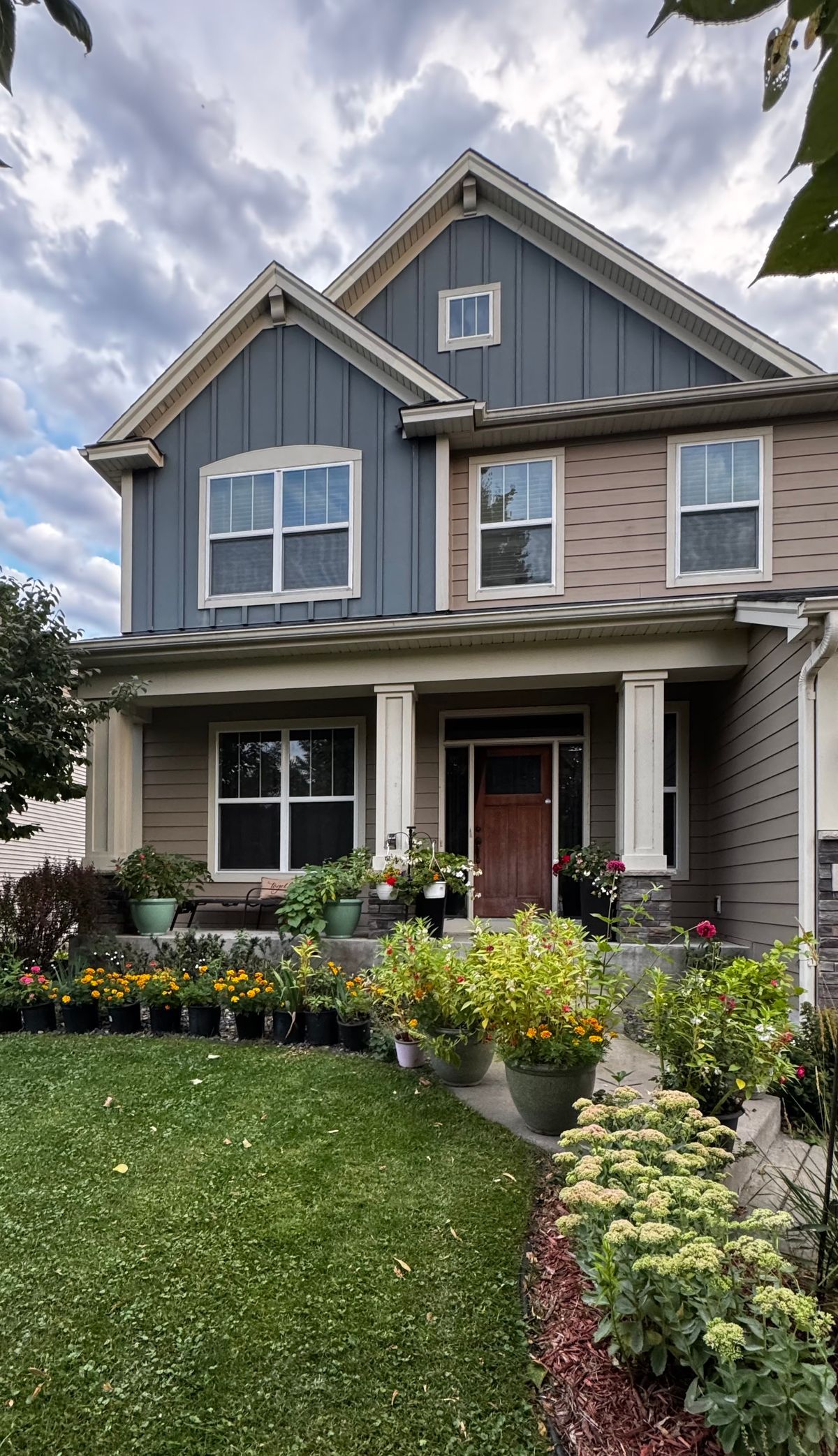
Structure First: Anchor, Paths, Then Drifts
The build order is the design's skeleton, and it runs structure before plants. One anchor comes first: a small ornamental tree, a large shrub, or a cluster that gives the yard height, shade, and a focal point from the street, because a flat yard of low planting reads as a parking strip whatever it contains. Paths come second, before any planting: the walking lines from street to door, door to mailbox, and along the front are set in stone, pavers, or gravel, wide enough for two people at the main route, and the beds are then shaped around them. Planting comes third, and it goes in drifts: each plant in groups of three, five, or seven of a kind, repeated across the yard, which reads as design, while one of everything reads as a collection. Repeat a short plant list rather than lengthening it. A no grass yard with five plant types in drifts looks designed from the street; the same yard with thirty types in ones looks like a nursery that lost its labels. Edges finish the structure: a defined border, steel, stone, or a cut edge, between every bed and every path or gravel field, maintained a few times a season. The edge is not a detail. It is the single strongest signal separating the intentional grass free yard from the neglected one, stronger than any plant on the list.
Water, Rules, and the First Year
The water story of a no grass yard is a staged retirement. New groundcovers and drifts are watered through their first season like any planting, and the second season on a deep, occasional rhythm, and by the third year a correctly chosen roster, matched to the site's rainfall, runs largely unwatered, which is the honest version of the low water promise: it is earned by plant choice and establishment, not delivered on planting day. Drip irrigation on a timer makes the establishment years painless and is cheap insurance on the anchor tree. The rules check comes before the first shovel, not after the first complaint: some municipalities and HOAs still regulate front yard vegetation, groundcover heights, or the percentage of hardscape allowed, and a design that passes those rules on paper is a design that survives its first summer of scrutiny. Keep the yard visibly tended during establishment, edge sharp, paths swept, because the same rules are enforced by complaint, and a tidy young yard draws none. The first year is the expensive one in labor. Every year after is cheaper than the lawn it replaced, in mowing, feeding, seeding, and water, and the yard gets better looking as the drifts close and the anchor grows, which is more than any lawn ever promised.
Related guides
The closest companions to this guide:
- Front Yard Landscaping Ideas with Rocks: Give Every Rock a Job
- Basic Lawn Care for Beginners: The Whole Lawn Year in Five Jobs
- Best Grass Seed Brands: The Company Layer, Judged on the Bag, Not the Ranking
- Front Yard Landscaping Ideas With Rocks and No Grass: A Complete No-Lawn Design
Frequently Asked Questions
What can I put in my front yard instead of grass?
A system, not a single material: groundcover plantings for the large areas, mulch or gravel fields where planting is impractical, real paths on the walking routes, one anchor tree or large shrub for height, and perennial drifts for the display. Every square foot gets an assigned surface, because bare soil is a weed farm. The design starts by naming a replacement for each job the lawn was doing.
Will a no grass front yard look neglected?
Only if it lacks the signals of intention: a sharp maintained edge, plants in drifts of three, five, or seven rather than scattered singles, paths that are clearly built, and no bare ground. Those signals matter more than the plant list. A tidy, edged, drifted yard reads as design from the street at any budget.
Is a no grass yard really lower maintenance?
After establishment, yes, honestly accounted. Year one is real work: planting, mulching, watering in, and weeding while groundcovers close. From year two or three, the roster matched to your rainfall needs no mowing, no overseeding, no lawn feeding, and little water, which undercuts the lawn's weekly rhythm permanently. The trade is a heavy first year for light years after.
Do I need to check rules before removing my front lawn?
Yes. Some cities and HOAs regulate front yard plant heights, hardscape percentages, or vegetation types, and enforcement usually follows complaints. Check the rules while the design is still on paper, keep the yard visibly tended during establishment, and the project survives scrutiny that stops unprepared neighbors mid conversion.
What about kids and dogs if there is no lawn?
Give the job a defined home instead of spreading it across the design. A mulch or gravel court or a traffic rated groundcover area serves play; a gravel or mulch run, best placed in the side yard, serves the dog. What fails is asking the display planting to absorb play and dog traffic informally; it will show the damage exactly where the street can see it.
Photo credits: Robert So (Pexels); ratan banik (Pexels). Photos are served from this site; follow the credit to the library page for the original.