A front yard on a budget is not a smaller version of an expensive yard; it is a different order of operations. Money spent out of sequence is wasted in a specific way: plants bought before the beds are edged and mulched sit in weedy soil and look cheap no matter what they cost, while a yard with no new plants at all, but cleaned, edged, and mulched, reads as landscaped from the street. The incumbents on this query agree on the skeleton: phased DIY work in tiers around 50, 200, and 500 dollars, cleanup and layout before surfaces, surfaces before plants, edging and mulch as the highest payoff per dollar, and plants repeated in a few varieties in small, 1-gallon sizes. This page turns that skeleton into three complete plans with line items that sum to their tier, because a budget is a number, not a mood. The site's low-maintenance front yard page runs the companion accounting in minutes; this one runs it in dollars, and the two conversions share most of their moves, which is why the budget yard and the low-maintenance yard are usually the same yard built once.
Home / Lawn and Landscape Basics
Front Yard Landscaping Ideas on a Budget: Three Tier Plans That Add Up
Photo: Viaceslav Kat / Pexels
Budget Front Yard Checklist
Check off each step as you finish it. Your progress stays on this page.
0 of 8 complete
0% done
The Spend Order: Why Sequence Is the Whole Strategy
Every tier below obeys one order: first cleanup and layout, which costs labor and almost no money and produces the largest visible change; second, edges and mulch, which define the beds and make everything inside them look intentional; third, plants, bought last, in small sizes, in few varieties, repeated. The order is not aesthetic preference. Edging defines where beds end and lawn begins, and an undefined bed cannot be mulched, planted, or judged finished. Mulch transforms the bed's surface for the price of a few bags, suppresses the weeds that make new plantings look neglected, and holds the moisture that small, cheap plants need to establish. Plants bought after the first two steps go into prepared ground and survive, which is the hidden budget math: the cheapest plant is the one you buy once. Gardeners who reverse the order, buying a carload of plants into unprepared beds, routinely spend the 500-dollar tier's money for the 50-dollar tier's result, plus a replacement bill the following spring.
Tier 1: About 50 Dollars, the Cleanup and Definition Tier
The first tier buys almost nothing and changes almost everything. Its purchases are bags of mulch for the highest-visibility bed only, a flat of the cheapest seasonal color or a few seed packets, and any consumables the cleanup needs. Its work is the transformation: a full cleanup of the front yard, weeding, removing dead material, pruning what is overgrown back to shape, and cutting a clean, physical edge, a 3 to 4 inch deep trench edge, along every bed with a spade, which costs nothing but an afternoon and is the single highest-value act in budget landscaping. Lay out any new bed shapes with a hose before cutting them. Mulch the one bed the street sees most, 2 to 4 inches deep per the Penn State bench, and plant the small color purchase there. Stop rule for tier 1: the yard is clean, every bed edge is cut and visible, one bed is mulched and planted, and nothing looks abandoned. Most yards gain more curb appeal in this tier than in the next two combined.
| Tier 1 line item | Approximate cost |
|---|---|
| Mulch, 4 to 6 bags for the priority bed | 20 to 30 dollars |
| Seasonal color flat or seed packets | 10 to 15 dollars |
| Trench edging, consumables, tool wear | 0 to 10 dollars |
| Total | About 50 dollars |
Tier 2: About 200 Dollars, Edges, Mulch, and the Plant Skeleton
The second tier finishes the surfaces and installs the yard's permanent plant skeleton. Extend mulch to all beds, renew or install simple edging where the trench edge will not hold, along slopes and high-traffic lines, with the cheapest durable material that suits the house. Then buy the skeleton plants: a small number of shrubs and perennials in 1-gallon pots, which cost a third to a fifth of their 3-gallon versions and catch up within two seasons in good soil, chosen in 2 or 3 varieties and repeated across the yard, because repetition is what makes a planting read as designed rather than accumulated. A workable 200-dollar allocation is 80 to 100 dollars of mulch and edging materials and 100 to 120 dollars of plants, six to ten 1-gallon shrubs and perennials, planted in odd-numbered groups. Stop rule for tier 2: every bed is edged and mulched, the skeleton plants are in and watered on an establishment schedule, and the yard has a visible, repeatable pattern from the street. The yard is now, by any honest standard, landscaped; tier 3 is enrichment, not rescue.
Tier 3: About 500 Dollars, the Finish Layer
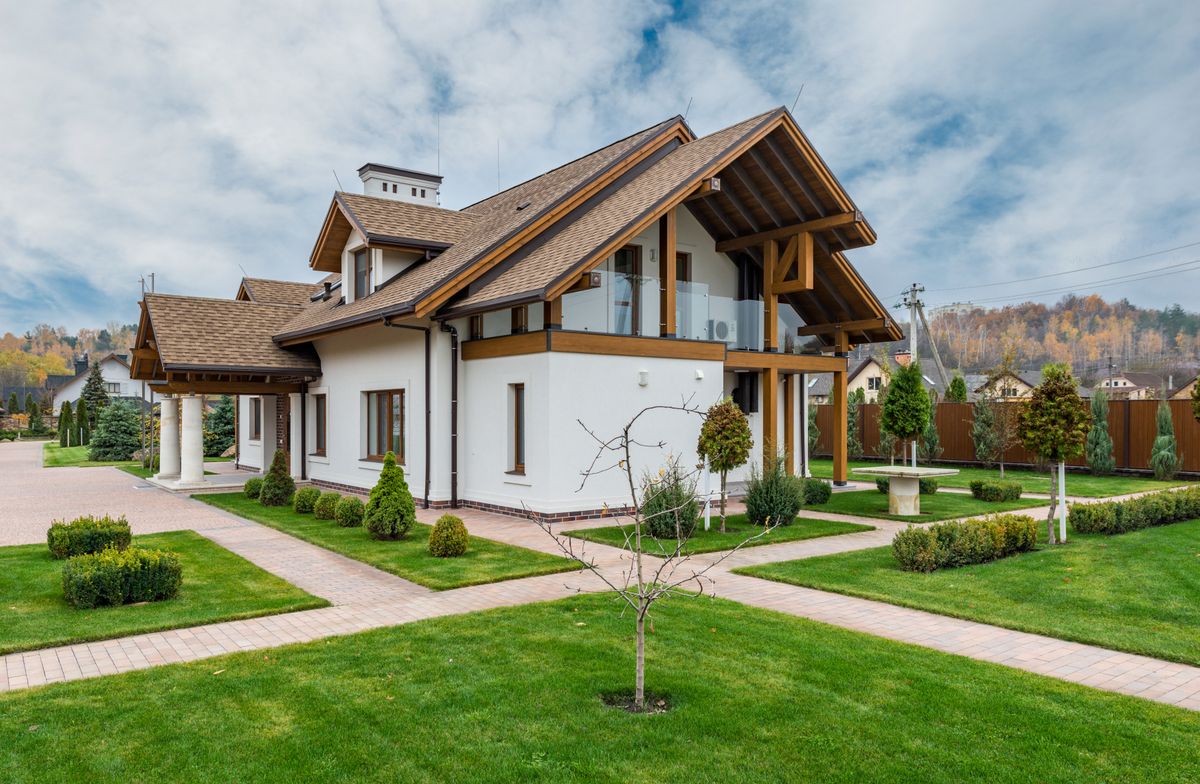
The third tier spends on the items that read as quality at distance: a defined walkway edge or a simple path surface where feet actually travel, a specimen or a matched pair flanking the entry, the one place specimen money is well spent because the eye lands there daily; lighting, a few solar path lights or one low-voltage fixture at the entry; and the second wave of plants, groundcovers to close the beds and the perennial layer that fills the skeleton out. It also buys the small infrastructure the first tiers deferred: a soaker hose or basic drip line for the beds, and soil amendment for any bed the skeleton plants revealed as poor. The 500-dollar stop rule is the discipline that protects the whole project: the yard is finished when the pattern is complete and every bed is closed, mulched, and planted, and further spending is a new project with its own budget, not a continuation. Budget yards fail at the end by dribbling, 30 dollars at a time on unplanned plants that break the repetition and restart the accumulated look the tiers worked to avoid.
The Free-First List: What Costs Nothing at Any Tier
Before any tier spends, work the free list, because several of the highest-value materials in landscaping are routinely free to the gardener who asks. Divisions from your own and neighbors' perennials, daylilies, hostas, iris, and ornamental grasses divide freely and gardeners with established beds usually give divisions away in spring and fall. Seed, direct-sown annuals and the self-sowers, costs pennies per plant against dollars for transplants, and a packet of zinnia or cosmos fills a new bed's first summer while the perennials establish. Municipal mulch and compost programs in many towns offer free or near-free material to residents, sometimes delivered, and fall leaves shredded into beds are a free mulch with a soil dividend. Transplants from the back yard, the perennial that outgrew its place, the shrub in the wrong spot, move to the front at no cost but labor. And the curb itself: a swept street edge, a cleaned walkway, and a trimmed verge cost nothing and frame everything the tiers buy. The free list is not a poverty measure; it is how experienced gardeners have always built yards, and it is why their budgets land on the few things, edges, mulch, and a specimen at the door, that cannot be had for free.
Renters, New Builds, and Other Special Cases
Two situations bend the tiers without breaking the order. Renters and short-horizon gardeners should run tier 1 in full, since cleanup and edging cost labor rather than money and can be left behind without loss, and then substitute containers for tier 2's in-ground skeleton: pots of perennials and small shrubs at the entry and along the walk deliver the repetition and pattern the tier exists for, and they move house when you do. Money that would have gone to in-ground plants goes instead to two or three large, good-looking containers, which read as more expensive than they are. New-build yards, the builder's rectangle of thin sod over compacted subsoil, invert one assumption: their soil is so poor that tier 2's plants need the amendment money before the plant money, a load of compost spread as the beds' base layer under the mulch, because 1-gallon plants in raw subsoil do not catch up in two seasons, they die in one. The order survives in both cases, cleanup and definition, then surfaces, then plants, and the tiers flex in size rather than in sequence, which is the sign of a real system rather than a shopping list.
Related guides
More from the same bed, bench, and border:
- Front Yard Landscaping Ideas with Hydrangeas: Design by Mature Size
- Garden Border Ideas: Plants and Edging as One Plan, With Depths and Named Layers
- How Often to Water Kentucky Bluegrass: The Inch and a Half Budget, the Dormancy Fork, and Morning Sessions
Frequently Asked Questions
What should I spend on first in a front yard on a budget?
Cleanup and definition, in that order, and they cost almost nothing: a full cleanup and prune, then a spade-cut trench edge along every bed. Edging plus mulch is the biggest transformation per dollar in any yard. Plants come third, after the beds are defined and mulched, because plants in prepared ground survive and plants in raw beds get replaced at double cost.
What does a 50-dollar front yard tier actually buy?
Four to six bags of mulch for the one bed the street sees most, a flat of seasonal color or seed packets, and consumables, with the real work, cleanup, pruning, and trench edging, done by hand. The stop rule is a yard that is clean, edged, and visibly intentional, which is most of the curb appeal most yards ever gain.
Why buy 1-gallon plants instead of larger ones?
They cost a third to a fifth of 3-gallon plants and, planted into mulched, prepared beds, catch up within about two seasons. Budget spent on size is budget not spent on numbers, and a yard reads as designed when a few varieties are repeated in groups, which small sizes make affordable at every tier.
How deep should mulch be in a budget yard?
Two to four inches, the Penn State bench, deep enough to suppress weeds and hold moisture for establishing plants. Mulch is the highest-payoff purchase in the tiers, so it is bought at full depth for priority beds rather than spread thin everywhere; thin mulch is the classic false economy.
How do I keep a budget project from dribbling on forever?
Use the tier stop rules. Each tier has a definition of done, a clean edged yard, then a mulched yard with its skeleton planted, then a closed, patterned, finished yard, and spending stops when the definition is met. Later purchases become a new project with its own budget instead of unplanned additions that break the planting's repetition.
Photo credits: Viaceslav Kat (Pexels); Max Vakhtbovych (Pexels). Photos are served from this site; follow the credit to the library page for the original.