The front yard eats weekend hours out of proportion to its size, because it is maintained to a public standard: it is the garden the street judges, so it gets mowed, edged, weeded, and worried over on a schedule the back yard never sees. The low-maintenance conversion is therefore an accounting exercise before it is a design one. The site's general front yard ideas page covers looks and layout, and the no-grass front yard page covers full turf removal; this page is the middle path, a yard that keeps some lawn and its curb appeal while cutting the weekly labor to a fraction. The method is a minutes ledger: list every recurring chore, price it in minutes per week, and replace the expensive lines with plantings and systems whose maintenance debt is near zero. One landscaping incumbent quantifies the realistic endpoint as cutting 2 to 3 hours of weekly yard work down to 15 to 30 minutes. That figure is achievable, and this page shows the ledger that gets there, idea by idea, with each idea's remaining debt printed beside its savings, because a low-maintenance plant that still needs monthly attention is a debt transfer, not a saving.
Home / Lawn and Landscape Basics
Front Yard Landscaping Ideas, Low Maintenance: Ideas Ranked by Minutes Saved
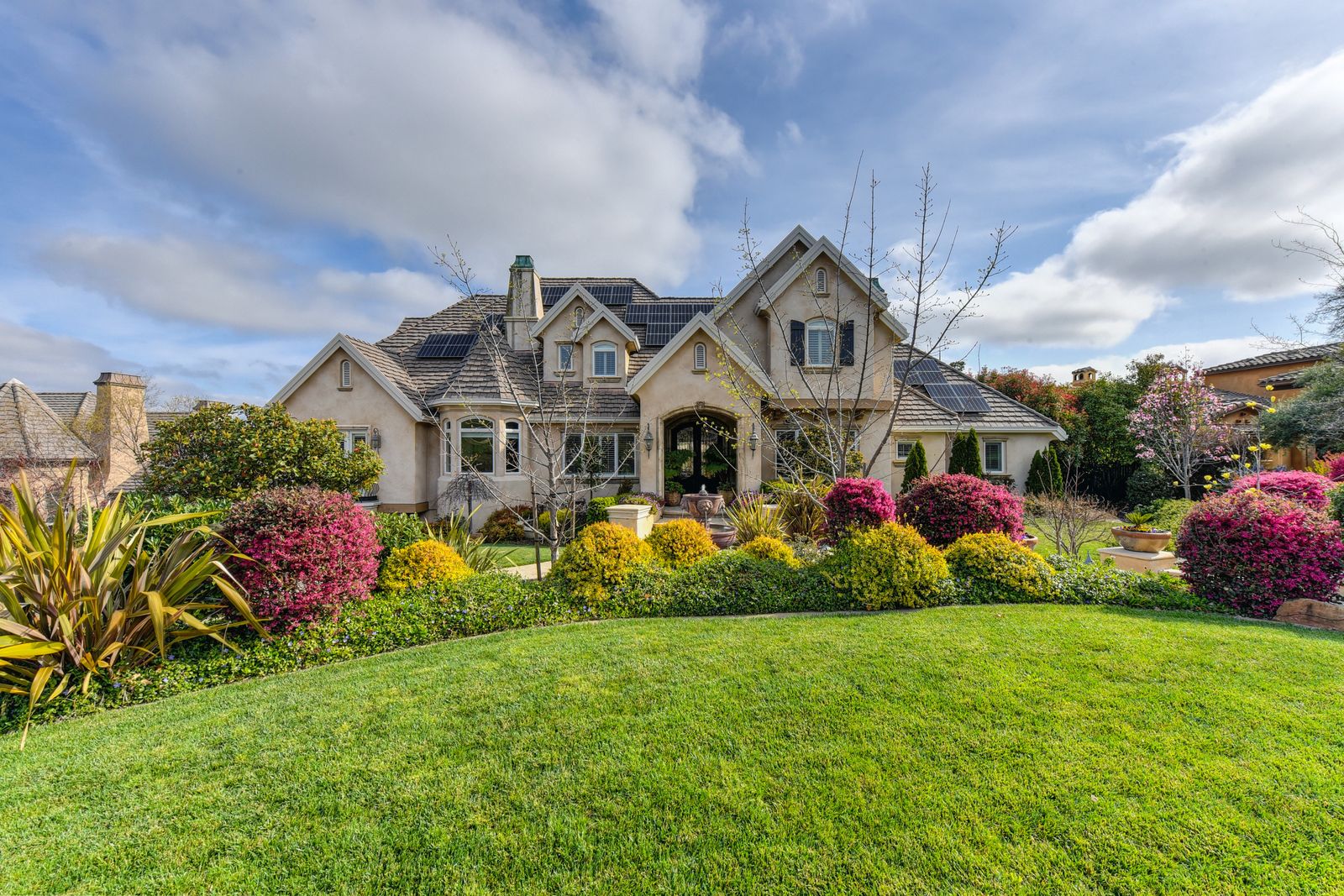
Photo: Stephen Leonardi / Pexels
Low Maintenance Front Yard Checklist
Check off each step as you finish it. Your progress stays on this page.
0 of 8 complete
0% done
The Minutes Ledger
Start with the audit, because households differ and the ledger must be yours. A typical suburban front yard's weekly account in the growing season runs like this: mowing and edging the front lawn, 45 to 60 minutes; weeding the beds, 30 to 45; watering by hand or moving sprinklers, 20 to 30; pruning, deadheading, and tidying, 15 to 20. Total, roughly 2 to 2.5 hours, matching the incumbent's starting figure. The conversion attacks the lines in order of size. Each idea below names the line it reduces, the minutes it returns, and what it still costs. The checklist tool on this page sequences the conversion as a project; this ledger is the business case for doing it.
| Chore | Typical minutes per week | The conversion | New minutes |
|---|---|---|---|
| Mowing and edging | 45 to 60 | Shrink turf to a defined panel; mowing strip edges | 15 to 20 |
| Weeding beds | 30 to 45 | Mulch 2 to 4 inches; dense groundcover planting | 5 |
| Watering | 20 to 30 | Drip irrigation on a timer for beds | 0 to 5 |
| Pruning and tidying | 15 to 20 | Evergreen anchors; no-deadhead plant palette | 5 to 10 |
| Total | About 120 to 150 | About 25 to 40 |
Idea 1: Shrink the Turf to a Panel You Actually Use
Lawn is the most expensive ground cover in the yard per square foot of labor, because it is the only one that must be cut weekly at the exact moment it looks best doing it. The conversion is not abolition, it is sizing: reduce the front lawn to a deliberate panel, the area children play on, the dog uses, and the eye reads as lawn, and convert the rest, especially the awkward corners, slopes, strips along the drive, and the ground under trees where grass grows badly anyway, to beds and groundcover. Every square foot converted returns its mowing and edging minutes permanently, and the edges matter as much as the area: a lawn panel with smooth curves or straight lines and a mowing strip, a flat border of brick or stone at soil level along the beds, lets the mower's wheel run on the strip and eliminates the string-trimmer pass entirely. Gardeners routinely find that half the front turf was being maintained out of habit rather than use, and that the smaller, deliberate panel looks more designed than the wall-to-wall carpet it replaced.
Idea 2: Mulch Deep, Plant Dense, and End Weeding as a Chore
Weeding is the second line in the ledger and the most hated, and it is almost entirely a mulch and spacing problem. Bare soil between widely spaced shrubs is a weed nursery that must be serviced forever. The fix is a system: mulch beds 2 to 4 inches deep with shredded bark or wood chips, which suppresses most germinating weeds and makes the few that appear pull out of loose mulch in seconds, and plant the beds densely enough that mature plants shade their own soil, at the spacing benches their pages give, so the canopy closes and weed seed finds no light. Groundcovers are the permanent version of the same idea for the front of beds and under trees: a established mat of a spreading perennial is a living mulch that needs one tidy a year. The debt statement for this idea is honest: mulch needs topping up annually, an hour or two once a year, and groundcovers need an edging pass where they meet the lawn panel. Against 30 to 45 weekly minutes returned, that is the best trade in the ledger.
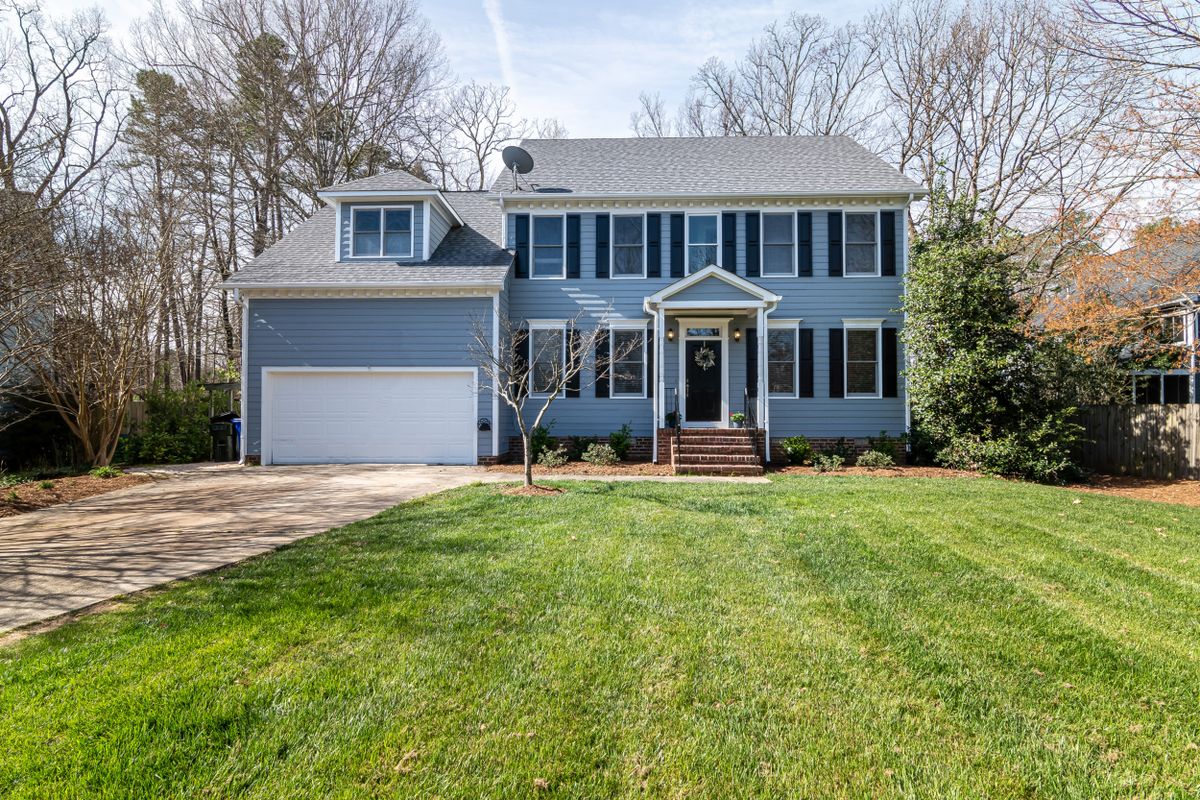
Idea 3: Evergreen Anchors and a No-Deadhead Palette
The structure planting decides the yard's tidying load for decades. Choose evergreen anchors, hollies, boxwoods, dwarf conifers, and their regional equivalents, that hold their shape with one pruning a year, sized at maturity to the space so the pruning is a trim and not an annual rescue. Then build the flower layer from plants that do not demand deadheading, fertilizing schedules, or division on a calendar: ornamental grasses cut down once in late winter, self-cleaning shrubs, daylilies, echinacea left standing for winter, and the long-blooming perennials whose care pages on this site read as a short paragraph rather than a calendar. What to avoid is equally specific: roses that need spraying, perennials that flop and demand staking, and any plant whose description includes the words vigorous spreader near the lawn panel. The maintenance debt of the right palette is a single spring weekend and a single fall walk-through; the debt of the wrong palette is the 15 to 20 minute weekly tidy that never ends, which is why plant selection, not effort, is the low-maintenance gardener's real skill.
Idea 4: Drip Irrigation on a Timer, and the Honest Totals
Hand watering and sprinkler-hauling is the third ledger line, and it converts to nearly zero with the least glamorous purchase in the garden: drip lines in the beds, on a battery timer at the tap. Beds on drip get water at the roots without wetting foliage, the timer runs at dawn whether the gardener remembers or not, and the weekly watering chore becomes a monthly glance at the timer and a seasonal check of the emitters. The lawn panel, now small, is watered by a single sprinkler position or left to the climate in regions where that is honest. Add the ledger up: mowing a smaller panel with mowing strips, 15 to 20 minutes; weeding a mulched, closed-canopy bed system, 5 minutes of pulling the occasional volunteer on the way to the door; watering, effectively zero; tidying a no-deadhead palette, 5 to 10 minutes of walking and snipping. The total lands at 25 to 40 minutes against the incumbent's promised 15 to 30, and the difference is housekeeping honesty: some weeks cost nothing, some cost the full 40, and the average across a season is the honest figure to plan a life around. The yard that results is not a lesser yard. It is the same curb appeal, held by systems instead of by weekends.
What Not to Do: The False Economies
Three popular moves promise low maintenance and deliver the opposite, and they are worth naming because each looks like an idea on this page carried out wrong. Landscape fabric under mulch is the first: it works for a season, then weeds root in the mulch above it, perennial weeds thread through it, and every future planting and division becomes a fight with a buried plastic layer, while the soil beneath it starves and compacts. Deep mulch renewed annually does the fabric's honest work without the mortgage. Rock mulch is the second: stone over fabric in a sunny front yard bakes roots, accumulates debris that cannot be cleaned out, and turns every future change into a quarrying project; rock has its places, drainage swales and desert gardens, but as a default bed cover in a temperate yard it is a debt, not a saving. The third is the vigorous groundcover planted to end weeding, the ivies, periwinkles, and running plants that do exactly what they promise and then continue into the lawn, the beds, the neighbor's yard, and the tree trunks, converting a weeding chore into a containment war. Every genuine idea in this article shares the opposite property: its maintenance debt is small, known, and shrinking over time, which is the only definition of low maintenance that survives contact with a decade.
Related guides
The closest companions to this guide:
- Low Maintenance Landscaping Ideas: The Hours Audit and the Conversion Order
- Front Yard Landscaping Ideas with Hydrangeas: Design by Mature Size
- Landscaping for Beginners
- Front Yard Landscaping Ideas With Rocks and Plants
- Front Yard Landscaping Ideas With Rocks and No Grass: A Complete No-Lawn Design
Frequently Asked Questions
What is the single biggest low-maintenance change for a front yard?
Shrinking the lawn to the area you actually use and converting the rest to mulched, densely planted beds. Lawn is the only ground cover demanding weekly cutting, so every converted square foot returns minutes permanently. Add a mowing strip at the bed edges and the string-trimmer chore disappears as well.
How deep should mulch be to suppress weeds?
Two to four inches of shredded bark or wood chips. At that depth most weed seed never germinates, and the few weeds that appear pull easily from loose mulch. Mulch needs a top-up about once a year, an hour or two annually against the 30 or more weekly minutes it returns.
Which plants are genuinely low maintenance in a front yard?
Evergreen anchors that need one pruning a year, sized to their space; ornamental grasses cut once in late winter; self-cleaning shrubs; and perennials like daylily and echinacea that need no deadheading or staking. Avoid spray-schedule roses, flopping perennials, and vigorous spreaders near the lawn. The test is the care calendar, not the plant's reputation.
How much time can a low-maintenance conversion really save?
One incumbent estimate puts the win at cutting 2 to 3 hours a week to 15 to 30 minutes. This page's ledger lands at 25 to 40 honest minutes, counting the small weekly tidy and averaging the zero weeks against the busy ones. The saving is real and permanent because it comes from systems, smaller turf, mulch, closed canopies, drip on a timer, not from lowered standards.
Do I have to remove all my grass for a low-maintenance yard?
No. This page is the middle path: keep a deliberate lawn panel where it is used and enjoyed, sized honestly, and convert the awkward, shaded, sloped, and habitual areas. Full removal is the separate no-grass approach covered elsewhere on this site, with its own costs and benefits.
Photo credits: Stephen Leonardi (Pexels); Curtis Adams (Pexels). Photos are served from this site; follow the credit to the library page for the original.