Limelight earns its popularity honestly: it is the hydrangea for gardeners who have killed the other kind. The bigleaf hydrangeas, the mopheads, bloom on old wood, lose their flower buds to a hard winter or a late pruning, and change color with soil pH, a bundle of anxieties that Limelight simply does not carry. Limelight is a panicle hydrangea, Hydrangea paniculata 'Limelight', and its rules are the panicle rules. It blooms on the new wood it grows each spring, so winter cold cannot steal the flowers and the pruners cannot either. It wants more sun than its shade tolerant cousins. Its cone shaped flower heads open lime green, hence the name, brighten to white, and age through pink to a burgundy blush in fall, on a schedule set by temperature, not by anything you add to the soil. It finishes big, 6 to 8 feet tall and wide in most gardens, hardy from zone 3 to zone 9 on most listings, though one major seller lists it 3 to 8, a small disagreement flagged here because gardeners at the warm edge deserve to know it exists. The checklist tracker on this page runs the whole year of its care; the sections below explain the items that decide success.
Home / Flowers and Houseplants
How to Care for Limelight Hydrangeas: The Panicle Rules
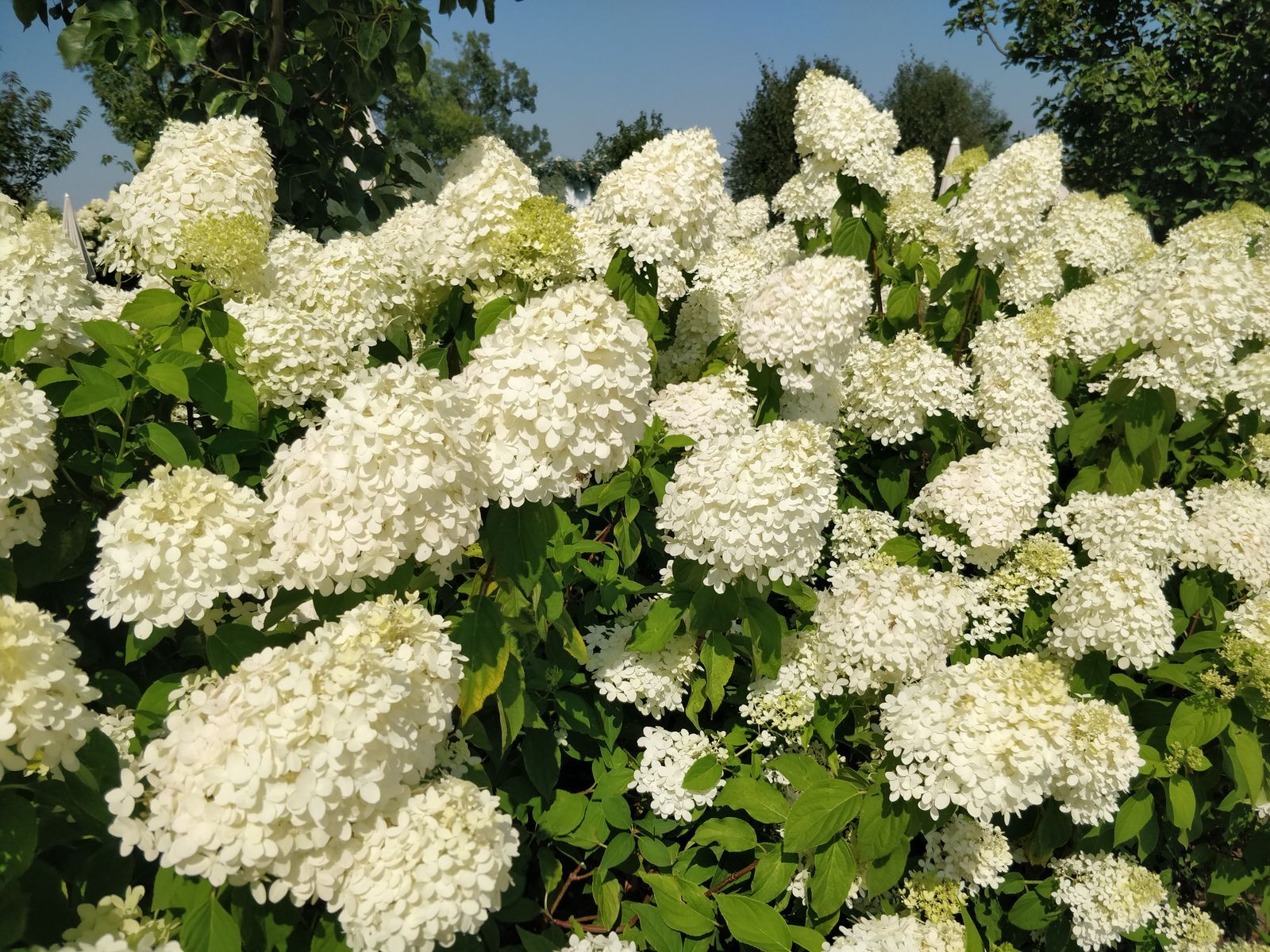
Photo: Teodor Buhl / Pexels
Limelight Hydrangea Care Checklist
Check off each step as you finish it. Your progress stays on this page.
0 of 8 complete
0% done
Pruning: Late Winter, a Third Off, No Fear
The single most liberating fact about Limelight is its pruning window: because the flowers form on new growth, you prune in late winter or early spring, before growth starts, and you cannot prune off the bloom. The standard cut removes about a third of the plant's height, cutting back to a strong pair of buds, and clears out the weak, thin, and crossing wood entirely, leaving 5 to 8 of the stoutest stems on a young plant and more on a mature one. The arithmetic of the cut sets the flower size: prune hard and the plant answers with fewer, larger panicles on strong stems; prune lightly and it carries more, smaller heads on wood that may flop under them in rain. Gardeners who want Limelight as a small tree do the same job in a different shape, selecting one trunk and removing the lower branches year by year, and the plant tolerates the training completely. What never to do is prune in fall for tidiness and then wonder at a plant that has to rebuild its frame in spring; fall pruning is not fatal to a new wood bloomer, but it removes the winter structure and invites dieback into the cuts. Compare the cousin on this site: the Endless Summer hydrangea page manages a bigleaf type whose buds must be protected, and the contrast is the whole reason Limelight exists in northern gardens.
Sun, Site, and the Size You Actually Bought
Limelight wants sun, more than any other hydrangea class: 6 hours or more in northern gardens, where it takes full sun all day and rewards it with the stiffest stems and the densest bloom. In hot southern gardens a little afternoon shade keeps the foliage happier, but a Limelight planted in the deep shade appropriate for a bigleaf will grow thin, bloom sparsely, and lean toward the light, and no feeding program corrects a light problem. The second site decision is honest sizing. The tag's 6 to 8 feet is not a suggestion the plant negotiates; a Limelight against a foundation with 3 feet of room becomes an annual argument with the pruners, and it wins. Give it a lawn specimen's space, a mixed border's back row, or a hedge row at 6 to 8 feet between centers, where a row of them makes the great white summer hedge of northern suburbs. Soil demands are modest: any reasonable garden soil that drains, amended with compost at planting, suits it, and its tolerance extends to clay that would sulk a fussier shrub. One seller's zone listing of 3 to 8 against the general 3 to 9 is worth a sentence for zone 9 gardeners: the plant may grow there but bloom and fall color are reported weaker in the warmest winters, and local nursery experience should outrank any national listing, this page's included.
Water and Food: The Establishment Years
A newly planted Limelight is a shrub building a root system to support 7 feet of growth and hundreds of flower heads, and its first two seasons set its permanent quality. Water deeply at planting and keep the root zone evenly moist through the first summer, about an inch a week in dry weather, delivered at the base; mulch 2 to 3 inches deep over the root zone, kept off the stems, to hold that moisture and cool the soil. From the third year, an established Limelight in decent soil needs water only in real drought, though a deep drink during a dry bloom season keeps the panicles sizing up instead of stalling. Feeding is a light hand: a balanced slow release fertilizer or a top dressing of compost in early spring, as growth starts, is the whole program for most soils. Overfeeding panicles pushes soft, leafy growth and delays the color change, and the gardener chasing bigger blooms with nitrogen usually gets bigger leaves instead. The flower show's timing is weather written: cool nights in late summer bring the pink blush on, and a hot fall can hold the heads white green for weeks, which is climate, not a care failure.
The Color Story: Green, White, Pink, and No pH Tricks
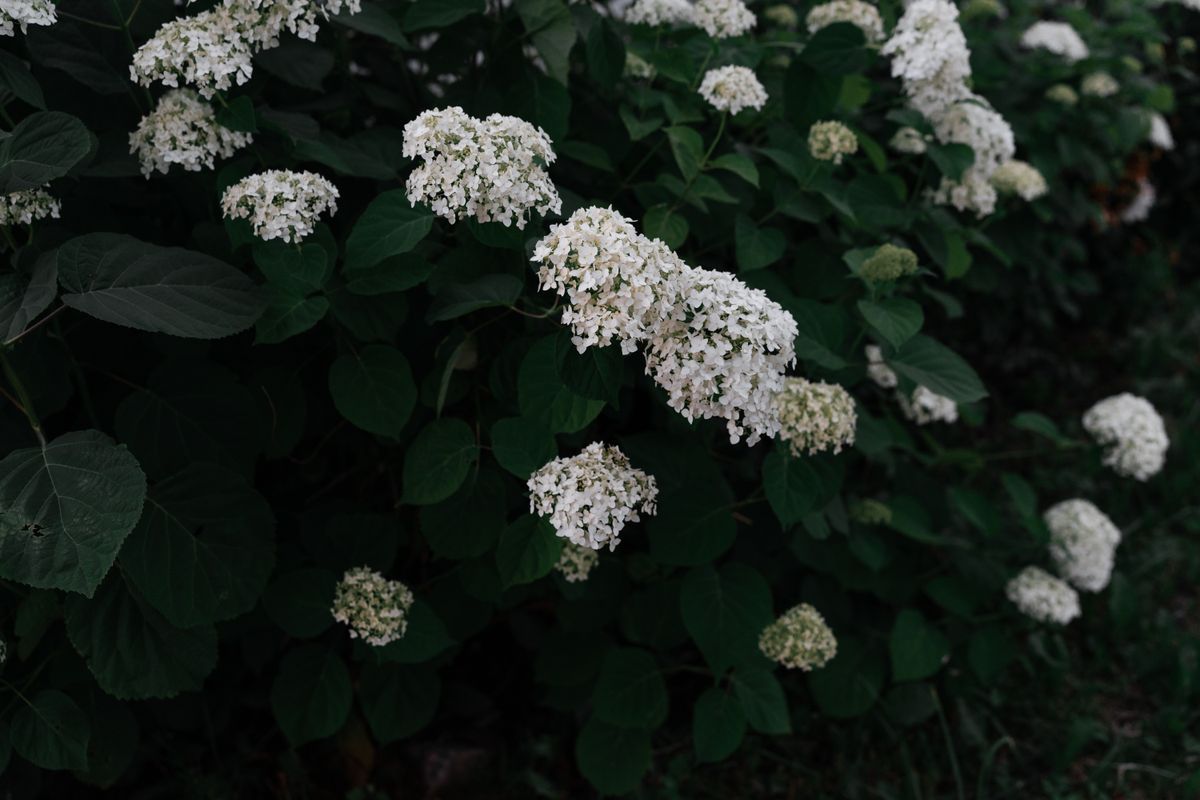
Limelight's color sequence is a calendar, not a chemistry set. The panicles emerge a vivid lime green in early summer, the trait that named the cultivar, open to a clean white at full bloom, hold white through the peak weeks, and then, as nights cool, blush pink from the base of each head upward, deepening toward rose and burgundy before the frosts bronze them for winter. Two clarifications save gardeners money and confusion. First, soil pH does not steer any of this: the blue pink switching of bigleaf hydrangeas, driven by aluminum availability in acid soil, is a bigleaf mechanism, and adding sulfur, lime, or the various color change products to a Limelight changes nothing about its flowers. Second, the dried heads are a legitimate winter feature and a spring chore in one: leave them standing for structure and for the birds that pick through them, then remove them as part of the late winter prune, cutting back to the strong buds described above. Deadheading during the season is cosmetic only; a panicle plant does not rebloom for being deadheaded the way a rose does, and the aging heads are part of the cultivar's four season design.
Problems, Pets, and Honest Limits
Limelight's problem list is short, which is its selling point, but it is not empty. Aphids colonize the soft spring growth and are handled with a hose blast and patience for the lady beetles that follow. Leaf spot fungi speckle foliage in wet summers, worst on plants in shade with still air, and are managed by the sun and spacing already prescribed rather than by sprays. Deer browse young plants in many regions and rabbits girdle stems in winter; a cage for the first two winters is cheap insurance where either is common. The pet note is firmer: the ASPCA lists hydrangeas as toxic to dogs, cats, and horses, the leaves and buds containing compounds that cause vomiting, diarrhea, and depression when eaten in quantity, so prunings and fallen leaves should not be left where a chewing puppy works, and a Limelight hedge along a horse fence deserves a second thought about placement. The honest limit is climate fit: Limelight is a cold climate triumph and a warm climate compromise, and gardeners in the hottest zones who want this flower shape should trial one plant before committing to the hedge.
Limelight as a Hedge and a Tree: Two Trainings
The same plant serves two architectures, and choosing early makes both easier. As a hedge, plant Limelight at 6 to 8 feet between centers in a staggered or straight row, prune the whole row in one late winter pass to a uniform height, and accept the trade the form imposes: a hedge is pruned for the row's shape, so individual stems are cut less selectively and the flower heads run slightly smaller than a specimen's, in exchange for a wall of bloom that screens a yard from July to October. As a small tree, select the strongest single stem on a young plant, remove competing leaders, and clear the trunk progressively, a few of the lowest branches each spring, until the canopy starts at 3 to 4 feet; the tree form shows off the panicles at eye level and underplants beautifully with shade tolerant perennials that appreciate the light, moving shade. Both trainings share the root rules already given, and both punish the same neglect: a Limelight of either form planted in a wet pocket or a shade hole declines slowly and blames the pruner. Gardeners inheriting an overgrown, unpruned plant should renovate it over two springs rather than one, taking a third of the oldest wood to the ground each year, because a panicle hydrangea cut entirely to the base in one spring answers with a thicket of soft whips that flop under their first flowers.
Related guides
More from the same bed, bench, and border:
- How to Care for Hydrangeas: Start With the Wood It Blooms On
- How to Care for Marigolds: The Deadheading Cadence and the Restraint Rules
Frequently Asked Questions
When do you prune a Limelight hydrangea?
In late winter or early spring, before growth starts. Limelight blooms on new wood, so spring pruning cannot remove the flowers. Cut the plant back by about a third to a strong pair of buds, and remove weak, thin, and crossing stems entirely. Harder pruning gives fewer, larger flower heads; lighter pruning gives more, smaller ones.
Does soil pH change Limelight hydrangea color?
No. The blue to pink switching driven by soil acidity is a bigleaf hydrangea mechanism. Limelight's color sequence, lime green to white to pink, is set by flower age and cool nights, and no soil amendment changes it. Spend the money on compost instead of color products.
How big does a Limelight hydrangea get?
Six to 8 feet tall and wide in most gardens, and it should be sited for its full size: a lawn specimen, the back of a border, or a hedge at 6 to 8 feet between centers. Most listings give hardiness zones 3 to 9; one major seller lists 3 to 8, and performance at the warm edge is weaker, which this page flags rather than hides.
Is Limelight hydrangea poisonous to dogs?
Yes, hydrangeas are on the ASPCA toxic list for dogs, cats, and horses. Eating leaves and buds can cause vomiting, diarrhea, and depression. Clear prunings and fallen leaves from areas where puppies chew, and think twice before planting along a fence line that horses can reach.
Why is my Limelight not blooming?
The usual causes are shade, drought in its establishment years, and climate. A panicle hydrangea in deep shade grows leaves, not flowers; give it 6 or more hours of sun. A young plant allowed to dry hard in its first summers stalls. Pruning is almost never the cause, since it blooms on new wood, which is the cultivar's great advantage.
Photo credits: Teodor Buhl (Pexels); Irina Iriser (Pexels). Photos are served from this site; follow the credit to the library page for the original.