Gardenia has a reputation as the fussy shrub, and the reputation rests almost entirely on one behavior: it forms fat, promising flower buds and then drops them, unopened, at the gardener's feet. The usual suspects are water in both directions, because gardenia buds abort when the roots dry out and also when they drown, which is why a calendar cannot run this plant. The bench is a moisture band: evenly moist soil, never dry at depth and never soggy, held steady through the bud and bloom season. Clemson Extension's gardenia guidance frames the outdoor case: acid soil, pH 5.0 to 6.5, kept evenly moist, with a weekly watering through summer dry spells. Indoors in a pot, the same band is kept with a dryness test, the top 1 to 2 inches dry before you water. This page runs the band in both settings, then works the bud-drop diagnosis, because on gardenia every symptom has four possible authors and water is only one of them.
Home / Gardening Basics for Beginners
How Often to Water Gardenia: The Moisture Band Behind Bud Drop
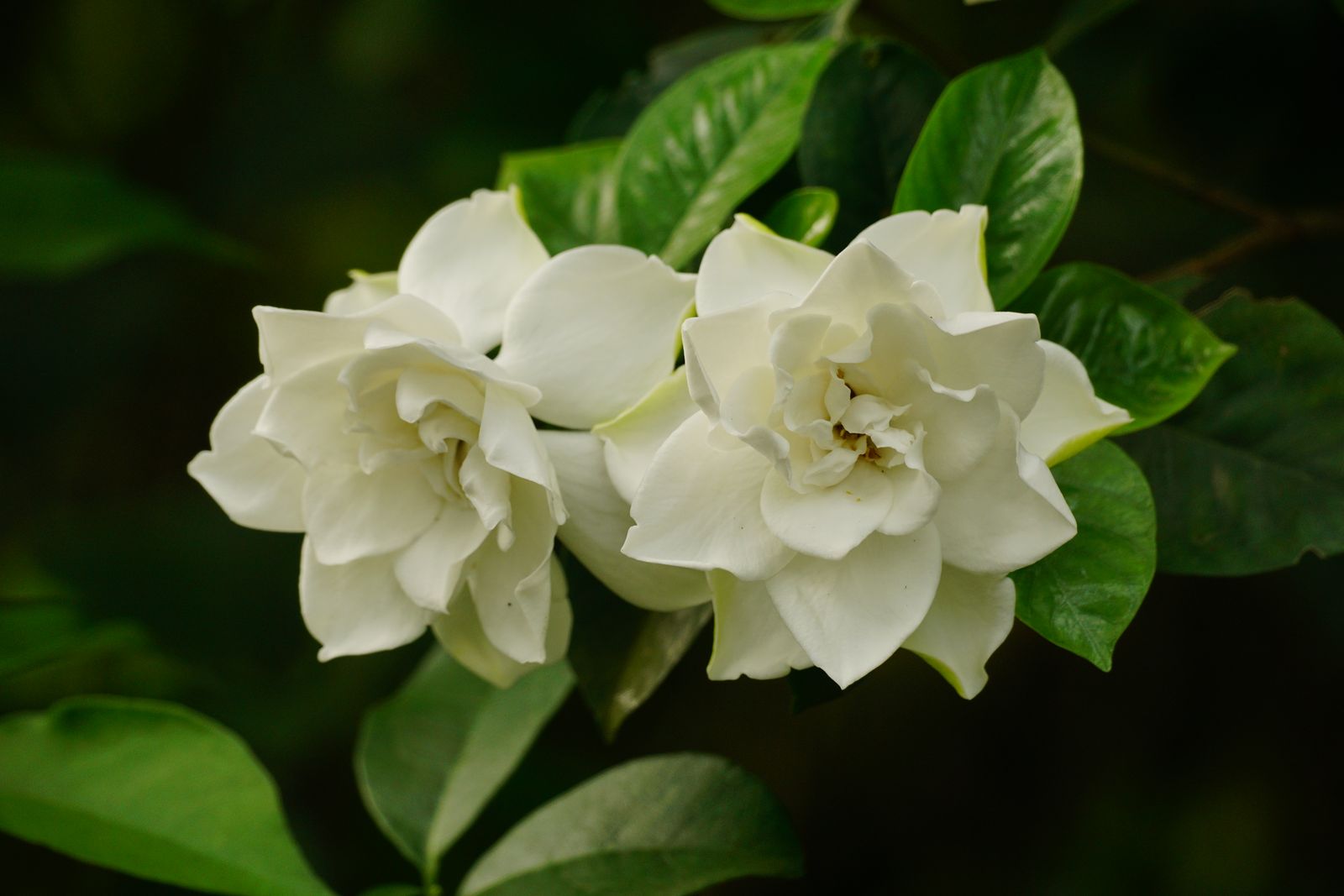
Photo: Duy Le Duc / Pexels
Watering Calculator: The Gardenia Moisture Band Audit
Gardenia holds an even moisture band, never wet and never dry: pots check at the top 1 to 2 inches, in ground plants drink weekly in summer dry spells. Enter your pot or bed size below, then read the bud drop diagnosis in this article.
19.9 gallons
For 32 square feet at 1 inch deep. That is about 76 liters, or 10 trips with a standard 2 gallon watering can.
A rain gauge or a straight sided can set in the bed tells you when a sprinkler or soaker hose has actually delivered this depth. Time alone is a guess, because hose pressure varies from house to house.
The conversion is arithmetic, not opinion: one inch over one square foot is 144 cubic inches of water, and a US gallon holds 231 cubic inches, so each square foot at one inch takes 0.62 gallons.
The Band in Pots and in the Ground
In a pot, water a gardenia when the top 1 to 2 inches of mix have dried, then water thoroughly until it drains, and empty the saucer. In a bright room in the growing season that is roughly every 4 to 7 days; in winter light it stretches toward 10 days, and the test, not the interval, is the rule. The mix matters as much as the rhythm: gardenia wants an acid, free-draining potting mix, the azalea and camellia blends are the right shelf, because a mix that holds water like a sponge makes the band's wet edge impossible to avoid. In the ground, the Clemson bench applies: mulch the shrub to hold even moisture, and water weekly during summer dry spells, deeply enough to wet the root zone rather than sprinkle the surface. A newly planted gardenia gets the establishment version, water twice a week through its first dry season, tapering to the weekly dry-spell rule once it is growing strongly. Both settings share the band's two edges. The dry edge is a wilt that appears in the afternoon and, if it repeats, buds yellowing and dropping within days. The wet edge is quieter: leaves yellowing from the bottom, buds dropping without wilting first, and soil that smells sour when you work it. Hold the middle and the plant is, honestly, not fussy at all.
| Setting | Test | In season rhythm | Winter rhythm |
|---|---|---|---|
| Pot indoors | Top 1 to 2 inches dry | Every 4 to 7 days | Every 7 to 10 days |
| Pot on patio | Top 1 inch dry | Every 3 to 5 days in heat | Every 7 to 10 days |
| In ground, established | Dry spell check at 4 inches | Weekly deep water in dry spells | Rain fed in most climates |
| In ground, first season | Keep root zone evenly moist | Twice weekly in dry weather | Weekly in dry weather |
Bud Drop: The Four-Cause Diagnosis
Bud drop is gardenia's master symptom, and treating it as a watering problem alone misdiagnoses half the cases. Work the four causes in this order. Water first, because it is the most common: feel the soil at depth, not the surface. A plant that cycled between dry and soaked during bud formation drops buds even if today's moisture is perfect, because the insult was the swing, and the fix is the band held steady, not a rescue drink. Humidity second: gardenia buds are sensitive to dry air, and indoor plants in heated or air-conditioned rooms drop buds in soil that tests perfectly moist. The fix is atmospheric, a pebble tray, grouping, or a humidifier, and it is the indoor case's most missed diagnosis. Temperature swing third: buds drop when a plant is moved between rooms, set near a vent or a frequently opened door, or brought home from a warm greenhouse into a cool house, because the buds formed under one regime and abort under another. Light fourth: a gardenia forming buds in bright light and moved to a dimmer spot sheds them; the plant rations reproduction to the energy it can see coming. The discipline this table teaches is to change one variable, the one the evidence names, and give the plant two weeks to answer, instead of watering, misting, moving, and feeding in the same afternoon and learning nothing.
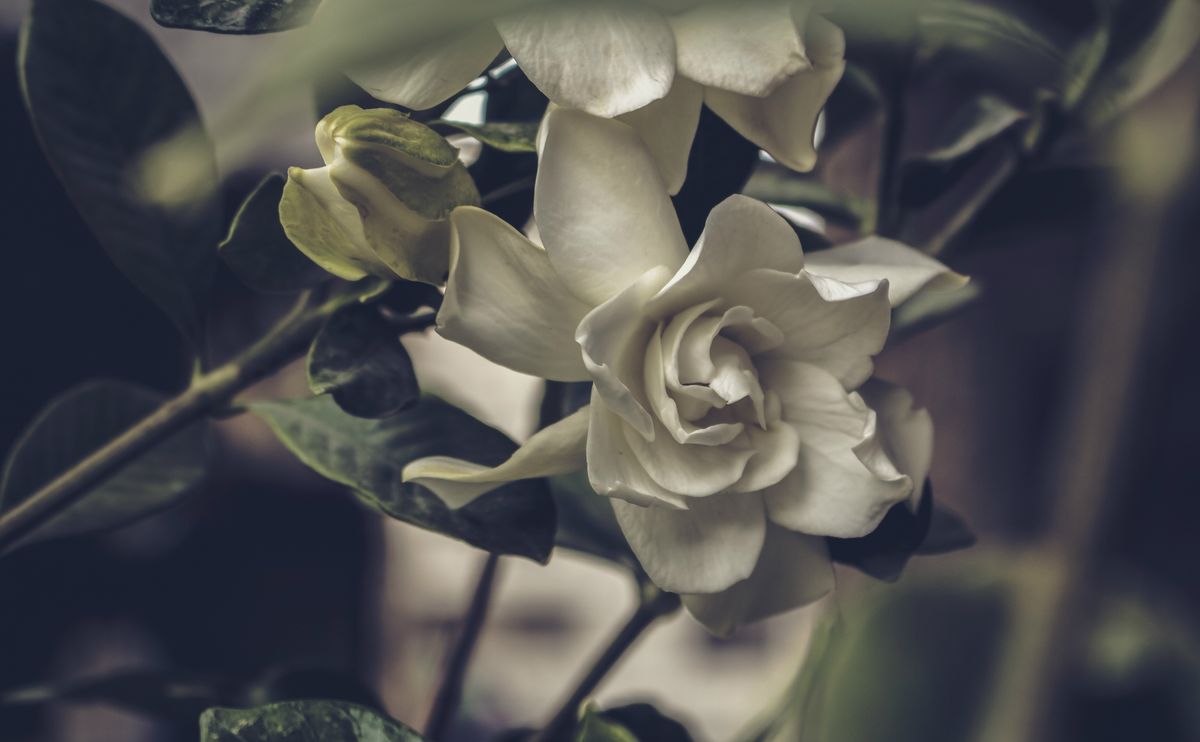
Yellow Leaves: Chlorosis and the Acid Fix
The other gardenia signature is yellowing leaves with green veins, the classic iron chlorosis pattern, and its cause is chemistry rather than thirst. Gardenia needs acid soil, pH 5.0 to 6.5 on the Clemson bench; as soil pH climbs toward neutral and above, iron locks out of reach even when iron is present, and the newest leaves yellow first. The sequence is test, then treat. Test the soil pH before adding anything, because yellow leaves also follow overwatering, and acidifying a drowning plant makes two problems. If pH is high, lower it with an acid-forming fertilizer made for azalea and gardenia, or elemental sulfur in the ground, and use chelated iron for a fast green-up while the pH correction takes hold. Water quality is the quiet half of the fix: hard, alkaline tap water pushes potting mix pH upward month after month, and rainwater or occasional acidified water, a teaspoon of vinegar per gallon is the common home measure, holds the line in pots. Gardenia growers in hard-water regions who switch their pots to rainwater often watch the chlorosis problem simply stop arriving. Note what this section is not: it is not a feeding schedule. A gardenia on the moisture band in acid soil needs modest feeding in season; a gardenia outside the band or above its pH range cannot use the food it is given, and fertilizer poured onto a chemistry problem reads as another insult.
Pets, Placement, and the Honest Difficulty Rating
Two closing terms. The ASPCA lists gardenia as toxic to dogs, cats, and horses; the compounds cause vomiting and diarrhea in animals that eat the plant, so a potted gardenia belongs out of grazing reach and fallen buds and leaves, which the plant sheds freely in a bad week, should be swept from floors animals use. Placement is the other term, and it is really the summary of the whole page: gardenia wants bright light with some direct sun, steady temperatures away from vents and doors, humid air, acid soil, and even moisture. That is a list of stabilities, and it explains the plant's reputation precisely. Gardenia is not hard to water; it is hard to keep in a house that swings. Give it the steadiest corner you own, hold the band with the dryness test, and the shrub that drops buds for other people blooms on schedule, heavily scented, for you. The site's peace lily watering page serves the other great steady-moisture houseplant, and the two share a checking round well: both want the top of the soil tested, both hate a cycle of drought and flood, and both tell you the truth about a room's air before any instrument does.
The Seasonal Shape of the Band
The moisture band stays constant all year, but the effort of holding it changes with the seasons, and knowing the shape prevents the two classic errors. Spring is the growth and bud-set season: the plant drinks steadily, the test comes up dry on the short rhythm, and the keeper's job is consistency, because buds are forming and the swings that abort them happen now. Summer outdoors is the high-demand season, heat and long days pulling water daily from patio pots, and the weekly deep watering for in-ground plants on the Clemson bench; mulch earns its keep here, flattening the cycle between drinks. Fall is the taper: growth slows, the interval stretches, and the error is keeping the summer calendar running into soil that no longer dries, which sets up the winter problem. Winter indoors is the danger season, not because the plant drinks much but because it drinks so little in low light while heated air dries the foliage, producing the paradox of a plant that is simultaneously overwatered at the root and desiccated at the leaf. The winter answers are the test at full depth before any water, humidity support for the leaves, and patience: a gardenia resting in winter is not asking to be fixed, only to be held steady until spring. Read against the calendar, the band is less a watering plan than a stability plan, which is gardenia in one sentence.
Related guides
These related guides round out the picture:
- How Often to Water Ferns in Pots: The Moisture Band for Baskets and Porch Pots
- How Often to Water English Ivy: The Half Inch Rule, the Moist Not Soggy Band, and the Spider Mite Watch
Frequently Asked Questions
How often do I water a gardenia in a pot?
When the top 1 to 2 inches of mix dry, about every 4 to 7 days in a bright room in season, stretching toward 10 days in winter light. Water thoroughly until it drains and empty the saucer. The bench is a band, evenly moist and never soggy, and the test matters more than the interval.
Why does my gardenia keep dropping its buds?
Four causes share the symptom: a moisture swing in either direction, dry indoor air, a temperature change or draft, and a move to lower light while buds were forming. Check them in that order, fix the one the evidence names, and wait two weeks. Bud drop after a move or a repot is usually the swing, not your current watering.
Why are my gardenia leaves yellow with green veins?
Iron chlorosis from soil that is not acid enough. Gardenia needs pH 5.0 to 6.5; above that, iron locks away and new leaves yellow between green veins. Test the pH first, then correct with an acid-forming fertilizer or chelated iron, and consider rainwater if your tap water is hard and alkaline.
Is gardenia toxic to pets?
Yes. The ASPCA lists gardenia as toxic to dogs, cats, and horses, causing vomiting and diarrhea when eaten. Keep potted plants out of grazing reach and sweep up fallen buds and leaves, which a stressed plant sheds freely, from floors pets use.
How much should I water a gardenia planted in the ground?
Weekly, deeply, during summer dry spells, on the Clemson bench, with mulch holding even moisture between drinks. A first-season shrub needs more: twice weekly in dry weather until it is established and growing strongly, then taper to the dry-spell rule.
Photo credits: Duy Le Duc (Pexels); Samer Daboul (Pexels). Photos are served from this site; follow the credit to the library page for the original.