English ivy in a pot fails in two opposite directions, and both are common. Kept wet, it sulks and rots at the stem. Let dry hard, it crisps at the leaf edges and becomes a spider mite farm. The plant's actual ask is a band between those failures: evenly moist mix that is never soggy and never bone dry. Clemson Extension gives that band a testable edge: water thoroughly, then let the soil dry to the touch to a depth of half an inch before watering again. Half an inch is the shallowest dry point on this site's houseplant pages, and it is the whole character of the plant. Ivy is not a dry out houseplant like a snake plant, and treating it like one is the most common way it dies indoors. This page works the band in detail: the test, the conflict with the one inch advice elsewhere, the indoor and outdoor split, and the pest that arrives when the band is missed on the dry side.
Home / Gardening Basics for Beginners
How Often to Water English Ivy: The Half Inch Rule, the Moist Not Soggy Band, and the Spider Mite Watch
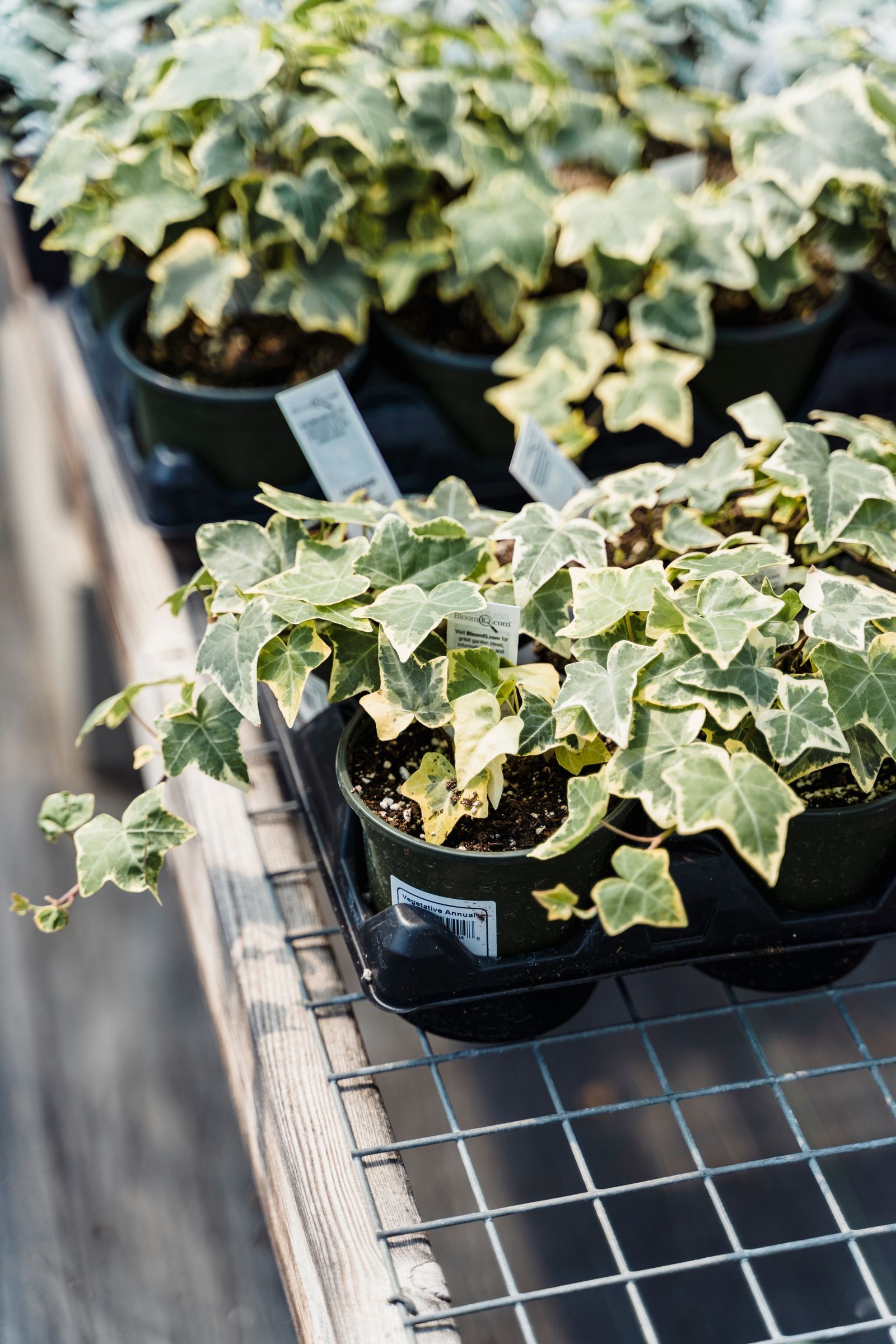
Photo: Greta Hoffman / Pexels
Watering Calculator: The English Ivy Pot Audit
Potted ivy lives in an evenly moist band: water thoroughly, then water again when the soil is dry to the touch half an inch down, the Clemson Extension bench. Enter your pot diameter as both length and width below and a depth of about 1 inch to size the soak that resets the band.
19.9 gallons
For 32 square feet at 1 inch deep. That is about 76 liters, or 10 trips with a standard 2 gallon watering can.
A rain gauge or a straight sided can set in the bed tells you when a sprinkler or soaker hose has actually delivered this depth. Time alone is a guess, because hose pressure varies from house to house.
The conversion is arithmetic, not opinion: one inch over one square foot is 144 cubic inches of water, and a US gallon holds 231 cubic inches, so each square foot at one inch takes 0.62 gallons.
The Half Inch Rule: Thorough Water, Shallow Dry Point
Run the rule exactly as written. Water the pot thoroughly, until water runs from the drainage holes, and empty the saucer; ivy sitting in runoff is ivy rotting. Then wait until the surface half inch of mix is dry to the touch before watering again. In practice, in a typical room, that test comes up dry about every 5 to 7 days in summer and every 10 to 14 days in winter, and those intervals are the outcomes other guides quote as if they were the rule itself. They are not. A hanging basket in a bright, warm room cycles faster than a pot on a cool shaded shelf, and a small pot cycles faster than a large one, because the tank is smaller. The pot audit above sizes the thorough watering for your pot; the half inch test calls the day. If you take one habit from this page, take the fingertip check every few days rather than a weekly calendar entry: ivy punishes set and forget watering in both directions.
The Conflict: Half an Inch or a Full Inch?
Most houseplant advice, and several ivy guides, use a one inch dry check, because one inch is the standard figure for the big foliage plants. Clemson's ivy guidance says half an inch, and the difference is the plant's root character: ivy roots run fine and shallow, and the top layer of mix is where much of the working root system lives, so a full inch of dry mix is a meaningfully drier plant for ivy than for a philodendron. This page teaches the Clemson figure as the bench and flags the one inch check as the dry end of acceptable, usable in one situation: a large pot in a cool room in winter, where the deeper mix stays wet long after the surface dries and a slightly deeper surface check reads the profile more honestly. The two figures are not averaged here. Pick the bench that matches your pot, and know which source it came from.
Indoor Pots and Outdoor Ivy Are Two Different Plants
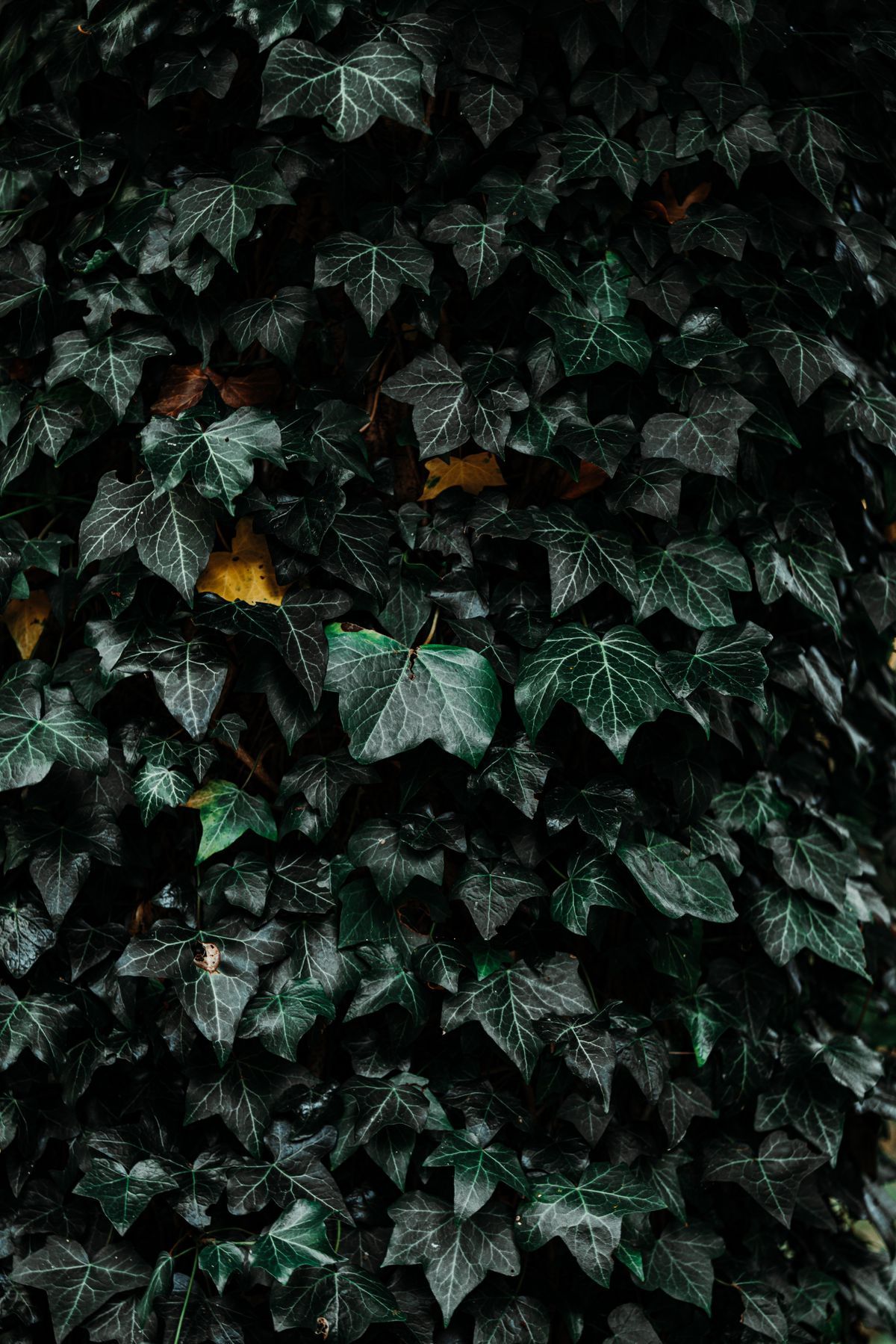
This article owns the pot. Ivy in the ground outdoors is a different watering problem, deep rooted, rain fed once established, and largely self managing outside of drought, and this site's outdoor ivy coverage treats it there. The confusion matters because advice crosses over: outdoor guidance that says ivy is drought tolerant is true of a groundcover with roots a foot down and false of a 6 inch pot on a windowsill, where the entire root system lives in a cup of mix that can go from moist to crisp in a warm week. Trailing ivy in hanging baskets is the extreme case indoors: baskets sit high in the warmest air in the room, they are usually in small pots, and their mix dries from every side. Check a basket more often than the calendar suggests, and take it down to water it properly at the sink rather than sprinkling it in place, which wets the top leaves and little else. Ivy grown up a moss pole or trellis indoors follows the same pot rule; the pole is decoration, the pot is the water supply.
The Dry Side Failure: Spider Mites in Heated Air
Miss the band on the dry side in winter and the bill arrives as spider mites. Heated indoor air is dry air, a stressed ivy in dry mix is the mites' preferred host, and the first sign is easy to miss: a fine stippling on the leaves, then webbing in the leaf joints, then bronzed and dropping leaves. The watering connection is direct. A plant kept at the moist end of its band, in a room that is not desert dry, is a far poorer mite target than a parched one. Prevention is the band itself, plus a monthly shower at the sink or in the tub that washes the leaf undersides where mites live. If mites are already established, wash the plant thoroughly, repeat weekly for three weeks to break the egg cycle, and correct the watering that invited them; a plant that is reinfested every winter is telling you its corner is too hot and dry, and moving it away from the heat vent is worth more than any spray. The wet side failure is quieter: stems that blacken at the soil line and leaves that yellow in constantly soggy mix. That plant needs the unpot and inspect routine, rotted stem cut back to firm tissue, and a fresh start in mix that drains.
Mix, Drainage, and the Pot Itself
The band is much easier to hold in the right setup, and most ivy watering trouble is setup trouble wearing a schedule costume. The mix should be a standard peat or coir based potting mix with perlite for drainage; garden soil in a pot compacts, holds water at the bottom, and starves roots of air, which produces the soggy end of the failure pair no matter how carefully you water. The pot needs drainage holes, full stop, and a cachepot without holes is a hidden saucer that fills with runoff and quietly rots the plant it displays. If you use one, lift the inner pot out to water and drain it before it goes back. Repotting follows the roots: when roots circle the bottom or push from the drainage holes, move up one pot size, about 2 inches wider, in spring. Jumping two sizes at once leaves a large volume of rootless mix that stays wet long after watering, which is the soggy band by another route. One size up keeps the mix volume matched to the root system that has to drink it, and the half inch test keeps reading honestly.
Pet Safety: Toxic Foliage, and the Berries Are Not the Main Risk
The ASPCA lists English ivy as toxic to dogs, cats, and horses. The toxins are triterpenoid saponins, including hederagenin, and the signs are gastrointestinal: vomiting, abdominal pain, hypersalivation, and diarrhea. One detail from the ASPCA listing deserves emphasis because owners get it backwards: the foliage is more toxic than the berries. The trailing leaves at pet height are the hazard, not just the fruit on an outdoor plant. A hanging basket is genuinely out of reach for a dog but not always for a cat, and pruned or fallen leaves on the floor are the realistic exposure route in most homes. Keep trimmings out of the compost caddy a dog can raid, and place pots where a curious pet cannot browse the trailers.
Related guides
The closest companions to this guide:
- How Often to Water a Spider Plant: the Storage Root Rule and the Brown Tip Verdict
- How Often to Water Ficus: The Top Half Rule for the Whole Genus
- How Often to Water Pumpkin Plants: The Inch Rule, Split by Growth Stage
- How Often to Water Gardenia: The Moisture Band Behind Bud Drop
Frequently Asked Questions
How often should I water potted English ivy?
Water thoroughly, then water again when the soil is dry to the touch half an inch down, per Clemson Extension guidance. In a typical room that is about every 5 to 7 days in summer and every 10 to 14 days in winter. The goal is an evenly moist band: never soggy, never bone dry. Small pots and hanging baskets cycle faster and need checking more often than the interval suggests.
Can I use the standard one inch dry check for ivy?
You can, but know that it is the dry end of the range, not the bench. Clemson puts ivy's dry point at half an inch, because its fine, shallow roots work the top layer of mix. A full inch of dry mix is a noticeably thirstier plant. The one inch check has one good use: a large pot in a cool winter room, where the deeper mix stays wet and a deeper surface check reads the pot more honestly.
Why is my ivy crispy at the edges but the soil feels damp?
Two usual causes. The damp may be only at depth while the surface layer where ivy's fine roots feed has been cycling too dry, which is a watering distribution problem solved by thorough soaking rather than sprinkling. Or the plant is carrying spider mites, which thrive on dry stressed ivy in heated rooms and bronze the leaves from the undersides. Check leaf undersides for stippling and fine webbing, shower the plant, and restore the half inch watering band.
Is English ivy safe around pets?
No. The ASPCA lists English ivy as toxic to dogs, cats, and horses; its triterpenoid saponins cause vomiting, abdominal pain, hypersalivation, and diarrhea. The foliage is more toxic than the berries, so trailing leaves within reach are the main risk. Hang or place pots genuinely out of browsing range, and clear fallen leaves and trimmings the same day.
Does ivy need misting?
Misting is not watering, and it does not hold the moist band this plant needs; the pot does that. A monthly shower that washes the leaf undersides is worth doing as spider mite prevention, and grouping ivy with other plants raises the local humidity a little. Beyond that, spend the effort on the fingertip check every few days. Ivy rewards attention to the mix, not to the leaves.
Photo credits: Greta Hoffman (Pexels); Eriks Abzinovs (Pexels). Photos are served from this site; follow the credit to the library page for the original.