How Often to Water Basil: Keep the Top Inch Rule for Pots and Beds
By the Windchime Walker editorial team
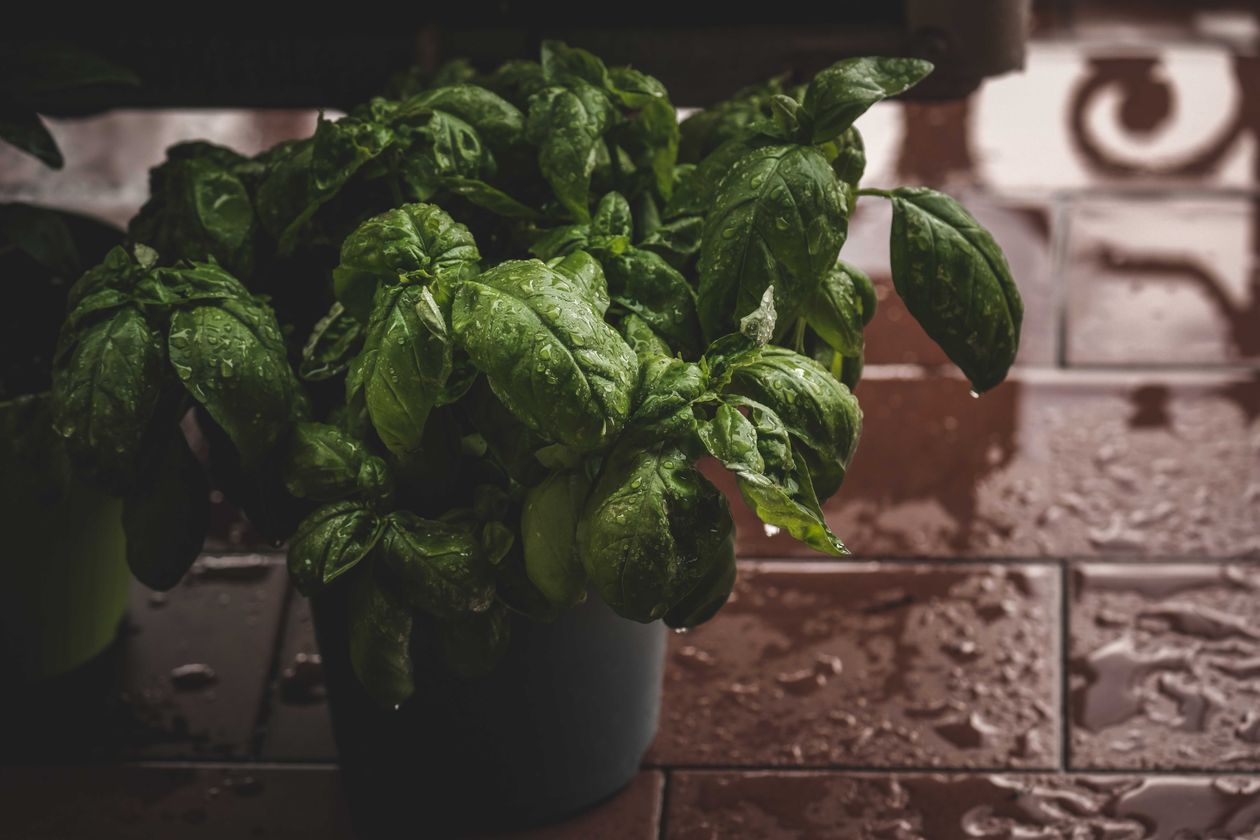
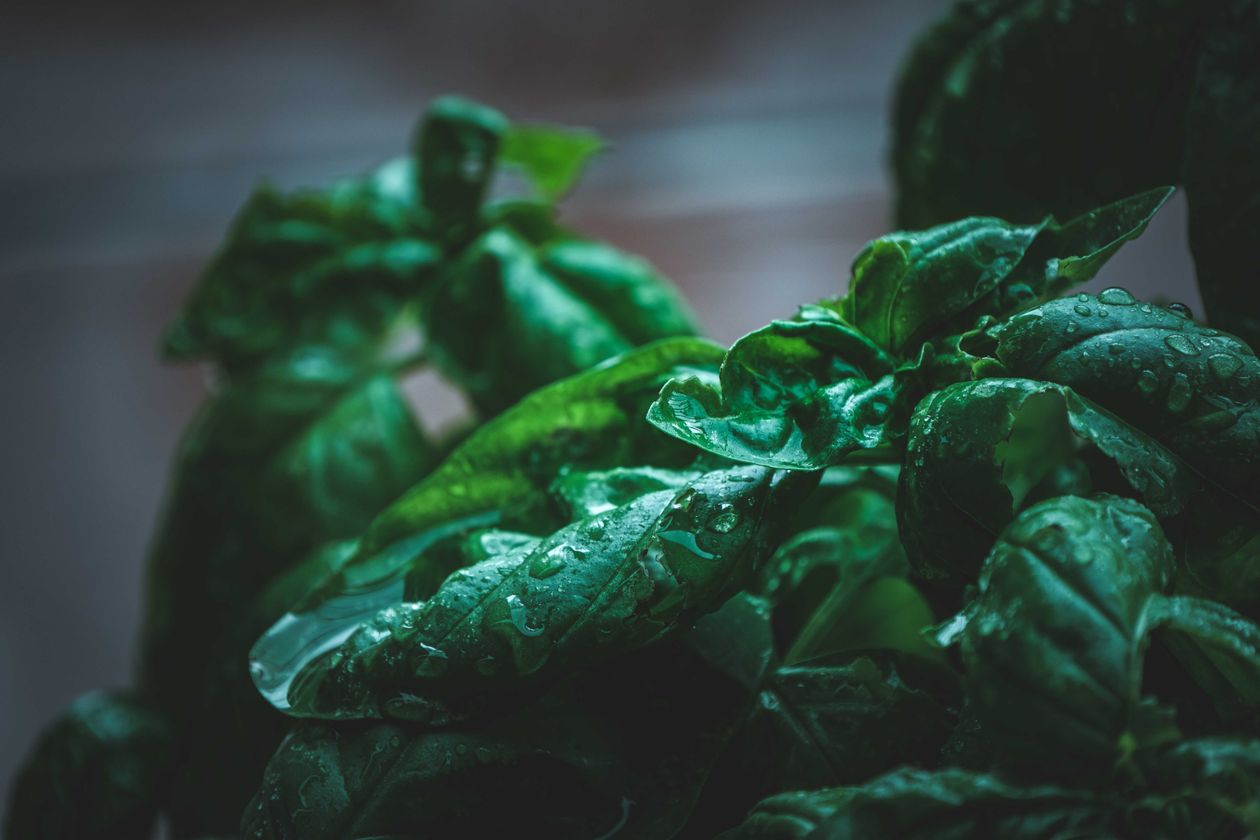
Photo: Francesco Ungaro / Pexels
Basil is a warm-season herb that wilts theatrically when it is thirsty and rots quietly when it is drowned, so the schedule matters. The working rule: in garden beds, give basil about 1 inch of water per week. In pots, water every 2 to 3 days, checking first with a finger. In both cases the trigger is the same: water when the top 1 inch of soil has dried, and stop before the soil turns soggy.
Basil grows fast, gets harvested hard, and regrows from the cut points, all of which burns water. A plant that is pinched back weekly in July heat is a plant with a serious drinking habit. This guide walks through the schedule by setup, the finger test done right, and the black-stem warning sign that separates a watering problem from a disease problem. Basil shares its Mediterranean herb bed with rosemary and thyme, but their thirst levels differ sharply, as our guide to how often to water rosemary shows.
Interactive tool
Watering Schedule Calculator: Basil
Basil drinks when the top 1 inch of soil dries: about 1 inch a week in beds, and pots every 2 to 3 days in summer. Enter your pot or bed size and climate, then confirm with the finger test before you water.
19.9 gallons
For 32 square feet at 1 inch deep. That is about 76 liters, or 10 trips with a standard 2 gallon watering can.
A rain gauge or a straight sided can set in the bed tells you when a sprinkler or soaker hose has actually delivered this depth. Time alone is a guess, because hose pressure varies from house to house.
The conversion is arithmetic, not opinion: one inch over one square foot is 144 cubic inches of water, and a US gallon holds 231 cubic inches, so each square foot at one inch takes 0.62 gallons.
The schedule by setup
Setup
How often
Trigger
Amount
Garden bed, average soil
1 to 2 times per week
Top 1 inch dry
About 1 inch total per week
Raised bed
Every 3 to 4 days
Top 1 inch dry
Deep soak to 6 inches
Pot, 2 to 5 gallons
Every 2 to 3 days
Top 1 inch of mix dry
Water until it drains from the base
Small pot under 1 gallon
Every 1 to 2 days in summer
Top half inch dry
Water until it drains
Indoor windowsill pot
Every 3 to 5 days
Top 1 inch dry
Water until it drains, empty the saucer
The pot sizes explain most basil failures. Basil in a 6 inch pot on a sunny patio in July can dry out daily, while the same plant in a 5 gallon grow bag cruises for 3 days. If your basil constantly wilts between waterings, the fix is usually a bigger pot, not more frequent drenching of a tiny one.
The finger test, done right
Push your finger into the soil up to the first knuckle, about 1 inch. If the soil at your fingertip feels dry and does not stick, water. If it feels cool and damp, wait a day and test again. This test works because basil roots concentrate in the top 6 inches, and the top inch drying is a reliable proxy for the root zone needing a refill.
Two refinements make the test trustworthy. First, test at the edge of the pot as well as the center, because potting mix pulls away from the walls as it dries and can fool a center-only check. Second, lift the pot. A freshly watered 3 gallon pot is noticeably heavier than a dry one, and within a week your hands learn the difference better than any schedule printed anywhere.
How to water basil
Water at the base, in the morning, and keep the leaves as dry as you can. Basil foliage that stays wet overnight is an open invitation to downy mildew and bacterial leaf spot, the two diseases that end more basil seasons than drought ever will. A watering can with a narrow spout, a drip line, or a soaker hose all beat overhead sprinkling.
Water slowly enough that the mix absorbs it. Bone-dry potting mix becomes hydrophobic and sheds the first watering straight down the gap between mix and pot wall. If that happens, water in two passes 15 minutes apart, or set the pot in a shallow tray of water for 20 minutes and let it drink from below.
Black stem: watering problem or disease?
A blackened stem base on basil sends gardeners to the watering can, but the cause matters. Overwatered basil in soggy soil develops a soft, dark, mushy stem at the soil line from root and crown rot, and the whole plant slumps despite wet soil. That plant rarely recovers; the fix is prevention, meaning drainage holes, a gritty mix, and letting the top inch dry between waterings.
Basil downy mildew is different: it starts as yellowing leaf patches with a fuzzy gray-purple growth underneath, often while the stem stays firm. It spreads in cool, wet weather and on wet foliage. Neither problem is fixed by watering more. Both are made worse by wet leaves, which is why the base-watering habit above is the single most valuable basil skill.
Harvest, heat, and other schedule benders
Pinching and harvesting increase water demand because the plant pushes replacement growth immediately. After a heavy harvest, check the soil the next morning rather than waiting for the usual day. Heat waves above 95 degrees can double evaporation from pots; shade cloth over patio pots during a heat spike does more for basil than an extra watering it cannot store.
Basil is also cold-sensitive in a way that changes watering in spring and fall. Below 50 degrees the plant sulks and drinks slowly, so cool spells call for longer intervals. At the first fall frost warning, the season is simply over; no watering schedule saves a blackened plant after a freeze.
If basil shares a container garden with other herbs, compare its rhythm with how often to water mint, which tolerates far wetter soil, and with the very different desert rhythm of how often to water plumeria, which must dry out completely between drinks.
Basil through the season: how the schedule shifts
Spring transplants are the most fragile basil you will ever water. A seedling set out in May has a root ball the size of a golf ball and almost no reserves, so keep its soil evenly moist for the first 2 weeks while roots colonize the bed. Water lightly every day or two rather than drowning it once; the goal is constant gentle moisture around a small root zone.
By midsummer a mature plant in the ground can be a foot and a half across with a root system to match, and it settles into the standard rhythm: deep water once or twice a week, about 1 inch total. This is also peak harvest season, and every heavy pinch restarts the growth engine. Experienced growers water the morning after a big harvest as a standing habit, because the plant is about to spend water on replacement leaves.
Late summer brings the disease squeeze. Nights cool, dew lingers, and downy mildew pressure peaks exactly when the plants are largest and most crowded. Stretch intervals slightly, water strictly in the morning, and thin neighboring growth for airflow. Basil that reaches September in the north is living on borrowed time; in frost-free zones it can perennialize, but most gardeners restart from fresh seed or cuttings each spring because old plants get woody and bitter.
Varieties differ more than you would expect
Genovese and other sweet basils are the thirst benchmarks this guide is built on. Thai basil tolerates slightly drier soil and shrugs off heat better. Greek and other small-leafed bush basils grow dense canopies that shade their own soil, stretching intervals in beds but drying pots just as fast. Holy basil (tulsi) is the most drought-tolerant of the common types once established, though seedlings still need steady moisture. African blue basil, grown as a perennial in warm zones, develops a woody frame and deep roots and can go noticeably longer between drinks than any annual sweet basil.
None of these differences change the test, only the interval it produces. The top inch of soil remains the referee for every variety: when it is dry, water, and when it is damp, wait.
Basil plant with bright green leaves growing in a garden
Signs you are getting it wrong
Wilting that recovers within an hour of watering means you caught thirst in time, but repeated daily wilting means the interval is too long or the pot too small. Yellowing lower leaves with wet soil point to overwatering. Yellowing with dry soil and stunted growth point to underwatering plus hunger, since basil is a heavy feeder in rich soil. Leaf edges that crisp while the soil is moist usually mean sun scorch on a plant whose roots cannot keep up in peak heat, which a deeper mulch layer and an afternoon shade break will fix.
Every 2 to 3 days in typical summer weather, using the top-inch test: water when the top 1 inch of mix is dry. Small pots under 1 gallon may need water every 1 to 2 days, and indoor pots usually stretch to every 3 to 5 days. Always water until it drains from the base, then empty the saucer.
Can basil be overwatered?
Yes, and it is the more common killer. Constantly wet mix rots the roots and blackens the stem base, and the plant wilts even though the soil is wet. Let the top inch dry between waterings, use a pot with drainage holes, and never leave basil standing in a full saucer.
Why does my basil wilt every afternoon?
Afternoon wilt in hot weather is usually temporary heat stress, and the plant recovers by evening. If it wilts daily and the top inch is dry each time, shorten the interval or move the plant to a larger pot. Wilt that persists into the morning means the plant is truly dry.
Should I mist basil leaves?
No. Misting wets the foliage without meaningfully watering the roots, and wet basil foliage invites downy mildew and leaf spot. Water the soil at the base in the morning instead, and improve air circulation around the plant if leaves stay damp.
How much water does basil need per week in the ground?
About 1 inch per week from rain and irrigation combined, delivered in one or two deep soakings rather than daily sprinkles. Mulch the bed with 2 inches of straw or shredded leaves to hold that moisture between waterings.
Photo credits: Francesco Ungaro (Pexels); Francesco Ungaro (Pexels). Photos are served from this site; follow the credit to the library page for the original.