There are two ways to grow a sunflower from seed, and the difference between them is visible from the street. The direct sown plant, seeded where it will grow, stands tall, thick stemmed, and finishes with a head that needs two hands. The transplanted plant, started in a small pot and moved out weeks later, often flowers at half that height on a thin stem, weeks early, as if it had decided to give up and set seed while it still could. The cause is the taproot: a sunflower germinates and immediately drives a root straight down, and a root that has hit the bottom of a pot and curled, or been torn in transplanting, never builds the anchor and the water supply the top growth was planned against. This page runs the seed method as a system: timing, depth, the varieties by purpose, the honest version of the indoor start for short season gardeners, and the bird problem at both ends of the season. The established plant's care and watering live in How to Grow Sunflowers and its watering companion; this page owns the seed.
Home / Flowers and Houseplants
How to Grow Sunflowers From Seeds: The Taproot Rule
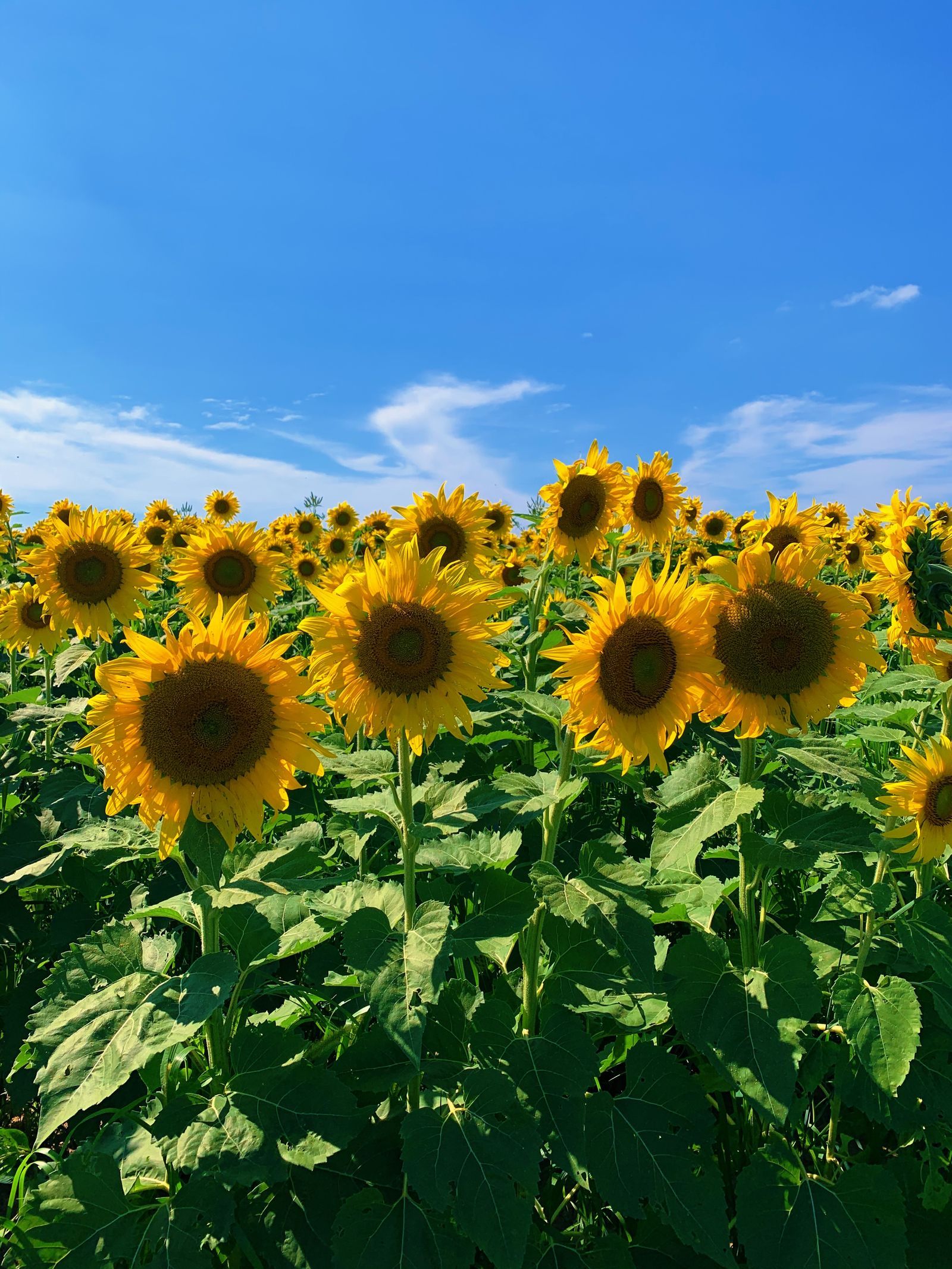
Photo: Kamber Freese / Pexels
Sunflowers from Seed Checklist
Check off each step as you finish it. Your progress stays on this page.
0 of 8 complete
0% done
The Checklist in Brief
The tracker above walks the job in order: choose the site in full sun, pick the variety by its finished height and purpose, wait for warm soil after the last frost, sow an inch deep where the plants will stand, protect the seed and seedlings from birds, thin to the final spacing without mercy, and stake the tall types before they need it. None of the steps is hard. The two that gardeners skip, thinning and early staking, are the two that decide whether the row looks like a magazine or a mishap.
Site and Soil: Sun Is the Whole Requirement
A sunflower wants the sunniest ground you own, six hours at an absolute minimum and all day if it can get it, because a plant grown in partial shade stretches, thins, and falls. It is otherwise one of the least fussy plants in the garden about soil, growing in anything drained and reasonably deep, and it actually prefers soil that is not rich: overfed sunflowers grow soft, top heavy, and lodge in the first storm. The depth of the soil matters more than its fertility, for the taproot's sake; a plant over a shallow hardpan is a plant with a short anchor, and tall types on shallow soil over a patio or a buried path will lean and eventually go over in August wind. Where the only sunny ground is poor, plant anyway. This is the flower that beautifies the rough corner, the alley strip, and the new garden's raw soil while better ground is being built.
Varieties by Purpose
| Purpose | Type | Finished height | Notes |
|---|---|---|---|
| The classic giant head | Mammoth types | 10 to 12 feet | One huge head; needs room and early staking |
| Cutting flowers | Branching pollenless types | 4 to 6 feet | Many stems per plant; no pollen shed on tables |
| Seed harvest | Large seeded confection types | 6 to 10 feet | Striped seed; net the heads against birds |
| Pots and small gardens | Dwarf types | 1 to 3 feet | The only types honestly sized for containers |
| A living wall or screen | Tall single stem types in a row | 6 to 10 feet | Sown close, thinned to a foot, flowers in a line |
Height is the first filter, because a 12 foot mammoth in a small garden is a planning error no care can fix, and the seed packet's height figure is honest for once in gardening. The second filter is branching: single stem types give one great flower and are done, branching types give weeks of smaller flowers and are the cutting garden's choice, and the two habits want different spacing, single stems at about a foot for giants and up to 2 feet for the biggest heads, branching types at 18 inches to 2 feet so the branches have somewhere to go.

Sowing: Timing, Depth, and the Warmth Rule
Sow after the last frost, into soil that has genuinely warmed, because sunflower seed in cold wet soil rots or germinates so slowly that the birds and mice finish it first. In most temperate gardens that is mid spring, and a second sowing three weeks later extends the flowering and hedges the first. Depth is about an inch, two seeds to a station, covered and firmed. Germination in warm soil takes 7 to 14 days. The seedlings come up strong and fast, and the row's first enemy arrives with them: birds pull the sprouting seedlings for the seed still attached, and slugs take them at ground level on wet nights. A length of row cover or netting over the row until the plants are 6 inches tall and have real leaves ends the bird problem entirely, and it comes off in a minute. This is also the moment the sunflower in a pot question resolves itself: dwarfs can be sown in their final large pot outdoors, which is sowing in place and perfectly legal under the taproot rule. What the rule forbids is the small pot on the windowsill and the late move.
The Indoor Start, Done Honestly
Short season gardeners, who need every week, can start sunflowers indoors if they respect the root: sow in deep pots or root trainers, one seed per cell, no more than 2 to 3 weeks before the last frost, and transplant while the plant is still small, sliding the whole root ball out without disturbing it, on a calm cloudy day, and water it in. A sunflower transplanted young and intact loses almost nothing. The disaster version is the six week old plant in a 3 inch pot, root bound and already budding, which is a plant that has been told by its roots that the world is small, and believes it for the rest of its life. If the seedlings on the windowsill have reached that state, the kindest and most productive move is to sow fresh seed in the ground beside them and compost the pots. Direct sown seed in warm soil catches up to a checked transplant with embarrassing speed.
Thinning, Staking, and the Water Year
Thin when the seedlings have two true leaves, to the final spacing, in one decisive pass, snipping the extras rather than pulling them so the keeper's young taproot is never disturbed. It feels wasteful and it is the step that makes giants. Tall types get their stake or their place against the fence at planting or soon after, while the ground is soft and the plant is short, because staking a leaning 8 foot sunflower in August, in hard ground, without snapping it, is a two person comedy that ends with a broken stem. Tie loosely, in a figure eight, and retie as it climbs. Water deeply and infrequently while the plant builds, following the stage pattern in the watering guide; a sunflower's drought tolerance is real once established, but the head size is set during the fast growth weeks, and a plant that wilts repeatedly in June flowers small in August. At the season's end, the bird problem returns in its pleasant form: if the seeds are for you, net the ripening heads or cut them and finish drying under cover; if they are for the birds, stand back and enjoy the second show the plant puts on, which many gardeners honestly prefer to the first.
Sunflowers With Children, and in the Vegetable Garden
Two plantings deserve a note because they are the ones most often attempted from seed. The children's planting succeeds by taking the plant's ease seriously: big seed a small hand can manage, sown in a sunny corner, marked with the child's name, and measured weekly against a mark on the fence. Choose a mid height type rather than the tallest mammoth for a child's first plant, because a 6 foot sunflower that flowers at face height teaches more than a 12 foot one whose flower is a rumor at the top of a stalk, and keep the watering can small enough to be carried by its owner. The vegetable garden planting is the sunflower as a working plant: a row on the garden's north edge, where its height shades nothing, serving as a windbreak, a bean and cucumber trellis for climbing varieties planted at its feet once the stems are sturdy, a pollinator beacon that draws bees into the crops that need them, and a late season bird table standing over the beds it served. Both plantings run on the same seed rules as the ornamental row, in place, an inch deep, thinned without mercy, because the taproot does not care whose project it is.
Saving Sunflower Seed
The gardener who grows an open pollinated variety owns next year's seed at no cost: let one of the best heads ripen fully on the plant, netted against the birds, cut it when the back of the head has yellowed and the seeds loosen at a rub, and dry it under cover before rubbing the seed free and storing it dry and cool. Hybrid varieties do not come true, and their saved seed gives a mixed, usually shorter and less uniform stand, which a children's patch or a bird patch may welcome and a cutting row will not. Germination of well stored home seed is high for two to three years, so one good head, which carries several hundred seeds, plants a garden for seasons. Mark the variety and the year on the envelope; sunflower seed all looks alike in February, and the difference between the mammoth and the dwarf is a summer's planning.
Related guides
These guides sit closest to this one on the garden path:
- How to Grow Sunflowers
- How Often to Water Sunflowers: The Stage by Stage Water Year
- How to Grow Zinnias From Seed: The Direct Sow Default and the Succession Ladder
- How to Grow Marigolds From Seeds: A Quarter Inch Deep
Frequently Asked Questions
When should I plant sunflower seeds?
After the last frost, into soil that has warmed, sowing directly where the plants will grow. Seed in cold wet soil rots or emerges so slowly that birds and mice take it. In most gardens that means mid spring; a second sowing about three weeks later extends the flowering season and insures the first. Germination in warm soil takes 7 to 14 days.
Can I start sunflowers indoors?
Yes, within limits that protect the taproot. Use deep pots or root trainers, one seed per cell, sow no more than 2 to 3 weeks before the last frost, and transplant small, sliding the root ball out undisturbed. A root bound, budding plant from a small pot never recovers its full height. If your indoor plants reach that state, sow fresh seed outdoors beside them; it will catch up.
How deep and how far apart do sunflower seeds go?
About an inch deep, two seeds to a station, thinned to one plant at the final spacing once two true leaves show: about a foot apart for giant single stem types, up to 2 feet for the largest heads, and 18 inches to 2 feet for branching cutting types. Thin by snipping, not pulling, so the keeper's taproot is never disturbed.
Why is my sunflower short and flowering early?
That is the signature of a checked taproot: the plant was transplanted late, root bound, or moved roughly, and it has switched to setting seed while it can. It will not recover height this season. Prevent it next year by sowing in place, or by transplanting young and intact from deep pots. Short plants still feed birds and pollinators; they are a lesson, not a total loss.
How do I keep birds off sunflower seeds and seedlings?
Net the row from sowing until the seedlings are about 6 inches tall with real leaves; birds pull sprouting seedlings for the attached seed, and the net ends it. At the other end of the season, net the ripening heads or cut and dry them under cover if the seed is for you. If the seed is for the birds, no action is required at all, and the show is excellent.
Photo credits: Kamber Freese (Pexels); Feyza Yıldırım (Pexels). Photos are served from this site; follow the credit to the library page for the original.