"Ferns like to be kept moist" is the most repeated and least useful sentence in houseplant care. It is true of a maidenhair, roughly true of a Boston fern, and actively harmful advice for a staghorn, which rots when it is treated like one. The fern family splits into moisture classes, and the class, not the family name, sets the watering rule. This page sorts the common ferns into three classes, gives each class its soil check and its working interval, and covers the two things every class shares: a partnership with humid air, and a collapse pattern that tells you which side of the line you missed on. The species singles on this site go deeper on their own plants, the Boston fern watering guide and the queen fern watering guide among them; this page is the map that tells you which rule your fern follows before you pick one up.
Home / Gardening Basics for Beginners
How Often to Water Ferns: One Rule for Three Moisture Classes
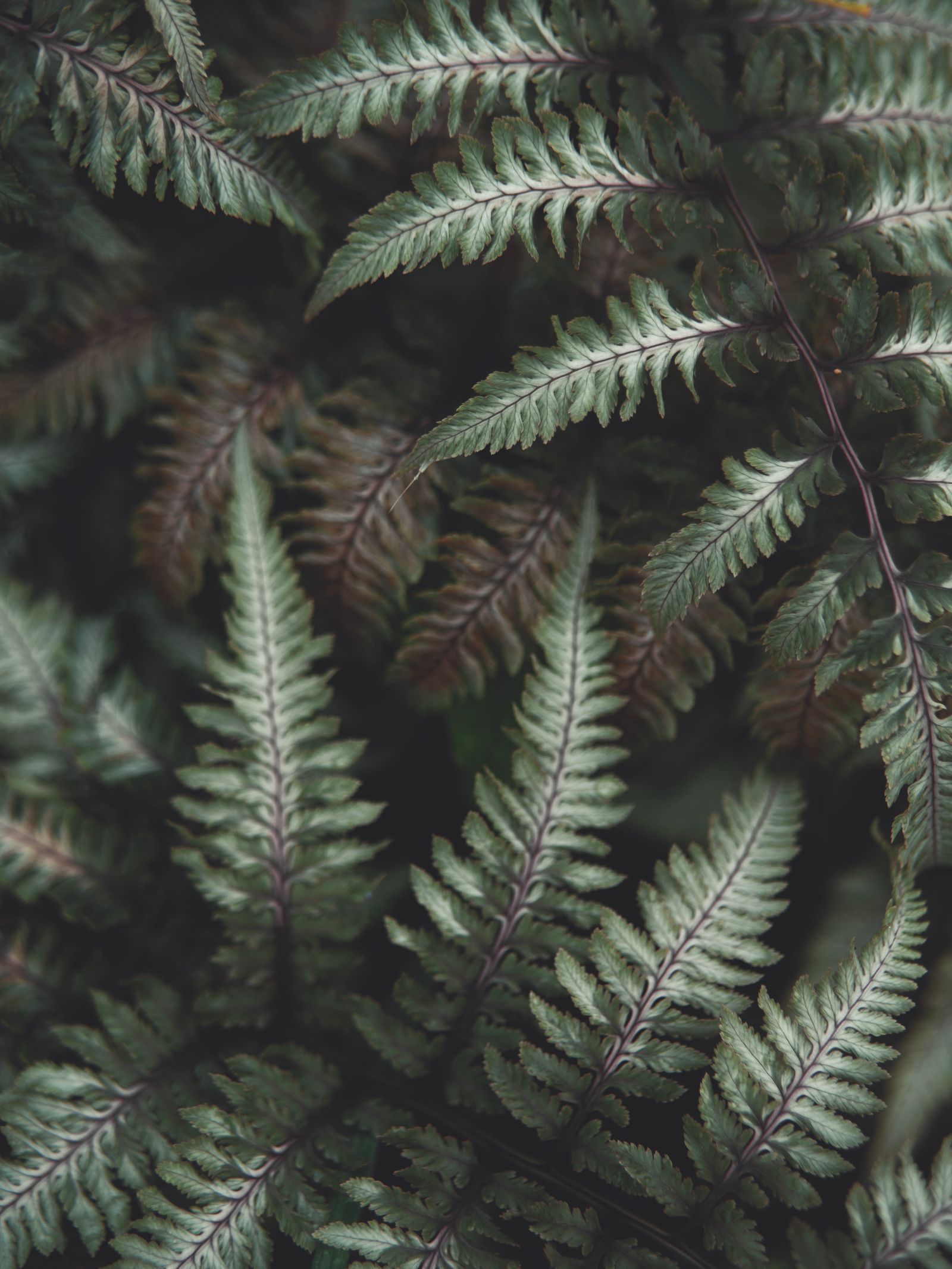
Photo: Aaron Burden / Pexels
Watering Calculator: The Fern Moisture Audit
Ferns split by genus: Boston and maidenhair ferns want constant moisture, while bird's nest and holly ferns must dry slightly between drinks. Enter your pot or bed size below to size the soak, then read the genus by genus bench in this article.
19.9 gallons
For 32 square feet at 1 inch deep. That is about 76 liters, or 10 trips with a standard 2 gallon watering can.
A rain gauge or a straight sided can set in the bed tells you when a sprinkler or soaker hose has actually delivered this depth. Time alone is a guess, because hose pressure varies from house to house.
The conversion is arithmetic, not opinion: one inch over one square foot is 144 cubic inches of water, and a US gallon holds 231 cubic inches, so each square foot at one inch takes 0.62 gallons.
The Three Moisture Classes
Class one, the never dry class, holds the ferns that evolved on permanently wet ground: maidenhair, Boston fern, and the other Nephrolepis types, plus button ferns in most homes. Their roots expect moisture at all times, and a full dry down costs fronds. Class two, the slight dry class, holds bird's nest fern, holly fern, kangaroo fern, and most Asplenium and Cyrtomium types. These want the top layer of soil to dry slightly between drinks, and they sulk in soil that stays saturated. Class three, the dry between class, holds the epiphytes and the leathery types: staghorn fern, rabbit's foot fern, and the Davallia family. In the wild they grow on bark and rock, wet by rain and dry by wind, and in a pot they want a thorough soak followed by genuine drying. The calculator above sizes the drink for your pot; the class tells you when to give it.
| Class | Common ferns | Soil check | Typical interval indoors |
|---|---|---|---|
| Never dry | Maidenhair, Boston, button | Water when the surface just loses its damp feel | Every 2 to 4 days |
| Slight dry | Bird's nest, holly, kangaroo | Water when the top half inch is dry | Every 5 to 7 days |
| Dry between | Staghorn, rabbit's foot | Water when the top 1 to 2 inches are dry, or the mount feels light | Every 7 to 10 days |
The Never Dry Class: Maidenhair and Boston
These are the ferns that built the family's thirsty reputation. The check is a fingertip on the surface: if it feels dry rather than cool and faintly damp, water that day. In a heated room in winter, that can mean watering every two days for a maidenhair in a small pot, and the plant is not being fussy; its fronds are thin, its roots are fine, and it has no water storage anywhere in its body. Water thoroughly until it drains, and empty the saucer after half an hour, because never dry does not mean standing in water: the roots want moving moisture, not a swamp, and a pot that sits in runoff rots at the crown while the surface still looks wet. Boston ferns in hanging baskets are the extreme case, drying from every side in the warmest air in the room, and the ferns in pots watering guide covers the basket and container cases in full. If a never dry fern collapses anyway, read the recovery section below before you throw it out; this class forgives more than it appears to.
The Slight Dry Class: Bird's Nest and Holly Ferns
The middle class is where most fern deaths by kindness happen, because these plants get watered on the maidenhair schedule by owners who read that ferns like moisture. A bird's nest fern kept constantly wet rots in its central crown, which is also why it should be watered around the edge of the rosette and never into the nest itself, where standing water sits against the growing point. The check for this class is the top half inch: dry to the touch at that depth means water; still cool and damp means wait. Holly fern, with its leathery fronds, sits at the drier end of the class and tolerates a missed week better than any fern on this page. These ferns also forgive ordinary room humidity better than class one, which makes them the right recommendation for a first fern in a dry apartment.
The Dry Between Class: Staghorn and Rabbit's Foot
Staghorns in the wild live on tree trunks, and a mounted staghorn is watered the way rain waters it: take the whole mount down and soak it in a sink or tub for 15 to 20 minutes, let it drain until it stops dripping, and hang it back up. The interval is set by weight as much as by touch; a dry mount is dramatically lighter than a soaked one, and lifting it tells you more than any calendar. Potted staghorns and rabbit's foot ferns follow the top 1 to 2 inch dry check. The rabbit's foot adds one warning: its furry rhizomes creep over the soil surface, and they rot if they are kept wet, so water at the edge of the pot and keep the surface drier than the root zone below it. This class is also the most drought tolerant in the family; a staghorn forgotten for two weeks usually loses frond tips, not its life, which is more than any maidenhair will promise you.
Humidity: The Partner Water Cannot Replace
Every fern on this page drinks from the air as well as the pot, and this is where fern keeping is most often misunderstood. A fern watered perfectly in a room at 25 percent winter humidity still crisps at the frond edges, because the leaves are losing water to the air faster than the roots can replace it, and no increase in soil water fixes that without rotting the roots. The working target is 50 percent humidity or better around the plant. Grouping ferns together raises the local humidity measurably, a pebble tray under the pot adds a little, and a small humidifier in the fern corner adds the most. Misting is the weakest tool on the list: it wets the fronds for minutes, does nothing for the air an hour later, and on hairy or crowded ferns it invites the fungal spotting it was meant to prevent. Spend the effort on the room, not the spray bottle.
The Brown Frond Fork: Three Causes, Three Fixes
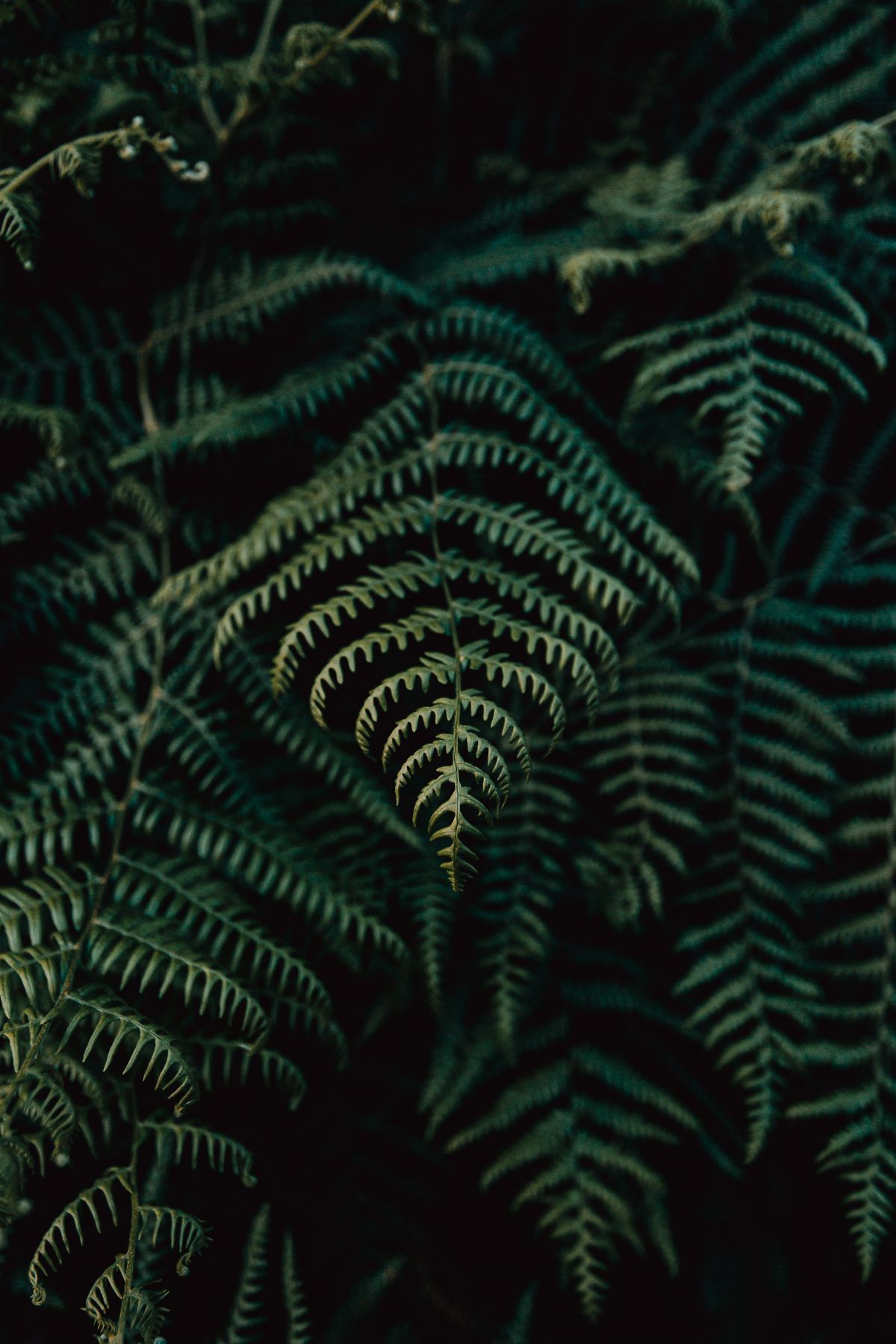
Brown, crispy fronds are the fern complaint, and they have three common causes that need opposite responses. Dry air browning starts at the tips and edges of the oldest fronds while the soil is correctly moist and new growth comes in green; the fix is humidity, not water. Dry soil browning comes with a light pot, soil pulling away from the pot edge, and wilting across the whole plant; the fix is a thorough soak, and a pot that has dried hard may need 20 minutes standing in water to rewet at all, because peat based mixes repel water once they pass a certain dryness. Soggy root browning is the deceptive one: the fronds yellow and brown from the base outward, the soil smells sour, and the plant looks thirsty while sitting in wet mix, because rotted roots cannot drink. Adding water to that plant is the worst response available. Unpot it, cut away black and mushy roots, and repot in fresh mix, then water on the class rule. The fork is decided by the soil and the pot weight, never by the fronds alone.
The Collapse and Recovery Protocol
A maidenhair or Boston fern that dries past its limit often collapses completely, every frond flat and crisp, and looks dead. Frequently it is not. These ferns regrow from the crown if the crown stayed alive, and the recovery is mechanical: cut every dead frond off at the base, soak the pot thoroughly, and put the plant in bright indirect light with the best humidity you can give it. New fiddleheads typically push within 2 to 3 weeks. The rule while you wait is restraint: keep the soil on the never dry rule, but do not fertilize and do not keep the pot soggy in an attempt to hurry it, because a crown with no fronds uses very little water and rots easily. If nothing has moved in a month, the crown itself dried out, and the plant is genuinely gone. Staghorns and rabbit's foot ferns almost never need this protocol; their class is built for the dry spell that flattens the others.
Ferns Outdoors and in the Ground
Garden ferns follow the same classes with the weather as a partner. A newly planted fern of any class wants its root zone kept moist through its first season, watered deeply once or twice a week in dry weather while it establishes. Established plantings of the hardy types, ostrich fern, lady fern, Japanese painted fern, and the holly ferns, are largely rain fed in climates with regular rainfall and need water only in genuine drought, when the class rule returns: the never dry types, ostrich fern above all, show drought first and want a deep soak when fronds flag in the evening and have not recovered by morning. Shade is the outdoor fern's humidity: the same fern that crisps indoors in dry air thrives in a damp shaded corner where the soil and air stay moist together. Ferns planted in sun need the watering of a class wetter than their own, which is a sign the planting, not the schedule, is wrong.
Related guides
These guides sit closest to this one on the garden path:
- How Often to Water a Boston Fern: the Never Dry Rule and the Frequency Sprawl, Explained
- How Often to Water Ferns in Pots: The Moisture Band for Baskets and Porch Pots
- How Often to Water a Venus Fly Trap: Pure Water and the Tray Method
- How to Care for Fern Houseplants: the Three Dials, and the Species Ladder Nobody Ranks Honestly
Frequently Asked Questions
How often should I water ferns indoors?
It depends on the class. Never dry ferns such as maidenhair and Boston want water every 2 to 4 days in most rooms, whenever the surface loses its damp feel. Bird's nest and holly ferns run every 5 to 7 days on a half inch dry check. Staghorns and rabbit's foot ferns run every 7 to 10 days and want real drying between soaks. The class check beats any calendar.
Why is my fern turning brown even though I water it?
Run the fork: check the soil and lift the pot. If the soil is moist and only the frond tips and edges crisp, the cause is dry air, and the fix is humidity around 50 percent, not more water. If the pot is light and the soil has shrunk from the edges, the plant dried out and needs a soaking. If the soil is wet, sour smelling, and the browning starts at the base, the roots have rotted from overwatering, and the plant needs unpotting and fresh mix.
Do ferns need to be misted?
No. Misting wets fronds for a few minutes and does not raise room humidity in any lasting way. Ferns need humid air, around 50 percent or better, which comes from grouping plants, a pebble tray, or a humidifier. A monthly shower that rinses dust off the fronds is worth doing; daily misting is effort spent on the wrong variable.
Can a fern come back after it dries out completely?
Often, yes, if it is a crown fern like maidenhair or Boston. Cut all the dead fronds off at the base, soak the pot, and keep it in bright indirect light with good humidity. New fiddleheads usually appear within 2 to 3 weeks if the crown survived. Keep the soil moist but not soggy while it regrows, and do not fertilize until new fronds are fully open.
Should I water ferns from the top or the bottom?
Either works for most potted ferns, with two exceptions. Bird's nest ferns should be watered around the rosette edge, never into the central nest, where standing water rots the growing point. Very dry pots of any fern rewet better from the bottom, standing in water for about 20 minutes, because dried peat based mix sheds water poured on top.
Photo credits: Aaron Burden (Pexels); Ave Calvar Martinez (Pexels). Photos are served from this site; follow the credit to the library page for the original.