How to Care for Gardenias: Acid Soil, Steady Humidity, and No Sudden Changes
By the Windchime Walker editorial team
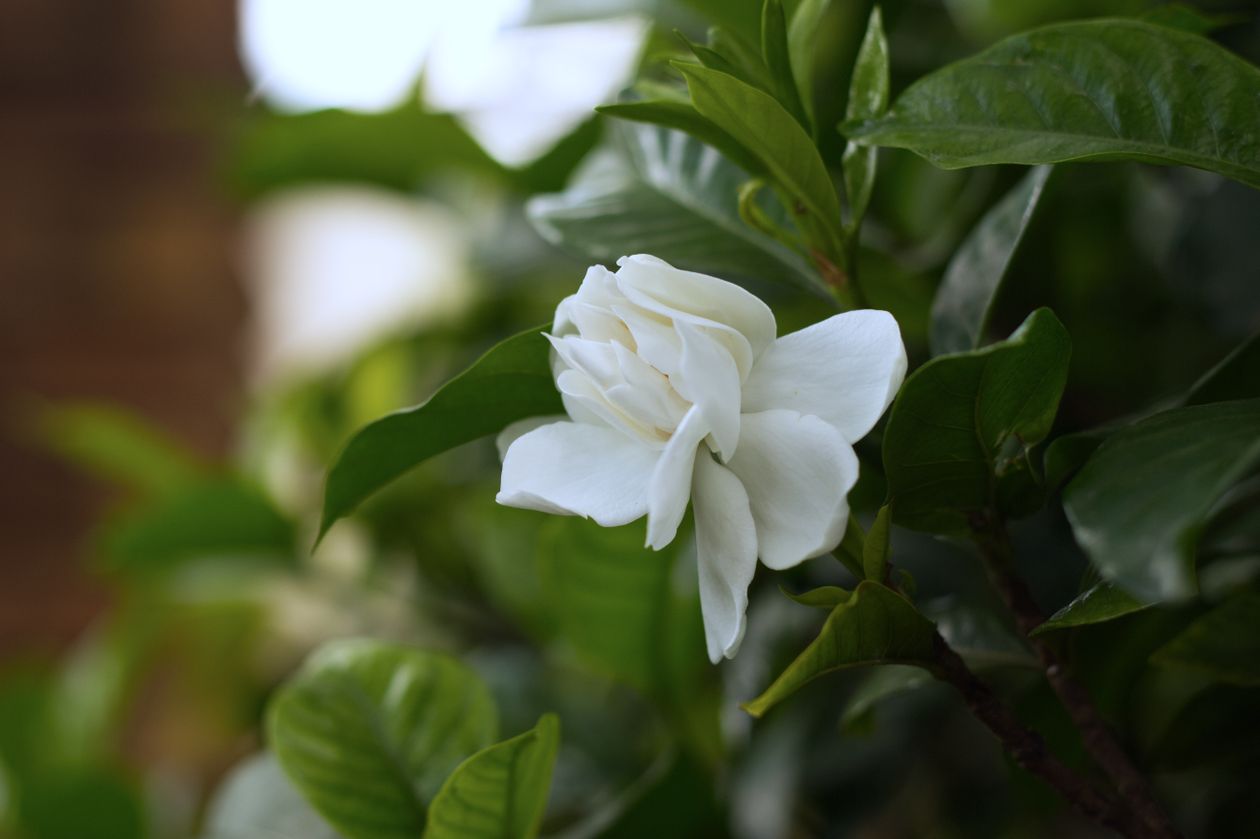
Photo: Nicole Kruger / Pexels
Gardenias have a reputation for drama, but their demands are actually specific and consistent: acid soil, steady moisture, high humidity, and no sudden changes. Get the soil pH into the 5.0 to 6.0 range, keep humidity at 50 to 60 percent or higher, water evenly, and leave the plant alone while it is in bud, and the famous fragrant white blooms follow. Nearly every gardenia failure traces back to one of those four variables drifting.
This guide works through the full care routine for gardenias planted in the ground in zones 8 to 11 and for potted gardenias anywhere, which is how most gardeners north of zone 8 grow them. The checklist below sequences the seasonal jobs. The bud drop section matters most, because dropped buds are the complaint that defines this plant, and they are almost always an environmental message rather than a disease.
Interactive tool
Gardenia Care Checklist
Check off each step as you finish it. Your progress stays on this page.
0 of 8 complete
0% done
The non-negotiables
Factor
Target
What happens outside it
Soil pH
5.0 to 6.0
Above about 6.5, iron locks out and leaves yellow between green veins (chlorosis)
Humidity
50 to 60 percent or higher
Bud drop, brown petal edges, spider mites
Light
Bright, with morning sun and afternoon shade in hot zones
Too little: no buds. Too much harsh sun: scorched leaves
Water
Evenly moist, never soggy, never bone dry
Swings in either direction drop buds
Temperature for bud set
Nights around 60 to 65 degrees F
Hot nights above 70 or cold below 55 stall or drop buds
Location stability
Do not move or rotate a plant in bud
Moving is a classic bud drop trigger
Soil and pH: the foundation
Gardenias are acid lovers in the same family of needs as azaleas and camellias. Test your soil before planting; a pH above 6.5 virtually guarantees chlorosis, the yellowing between leaf veins that owners misread as hunger. Lower pH with elemental sulfur worked into the soil months ahead, or grow in a raised bed or pot filled with an azalea-camellia mix where you control the chemistry outright.
Feed with an acid-forming fertilizer made for azaleas and gardenias, monthly from spring through early fall, at label rates. Yellowing leaves on a plant in alkaline soil will not green up from fertilizer alone, because the iron is present but locked out; correct the pH, and use a chelated iron drench for a fast cosmetic rescue while the sulfur works.
One popular piece of advice deserves a warning label: watering with vinegar solutions to acidify soil. It produces wild pH swings at the root zone, can burn roots at household strengths, and washes out within days. It is low quality advice. Sulfur, acid fertilizer, and acidic organic matter change pH slowly and hold it; vinegar just makes the plant's life erratic, and erratic is what gardenias hate most.
Watering and humidity
Keep the soil evenly moist: water deeply when the top inch dries, mulch with 2 to 3 inches of pine bark or pine straw (both mildly acidic), and never let a gardenia wilt hard or sit in a puddle. Potted plants may need water every 2 to 3 days in summer heat. The evenness matters as much as the amount; a plant that swings between drought and flood drops buds even if its weekly total is correct.
Humidity is the indoor battle. A potted gardenia in a heated winter room at 25 percent humidity will drop buds and invite spider mites no matter how well it is watered. Run a humidifier nearby, group it with other plants, or set the pot on a wide pebble tray kept filled with water. Target 50 to 60 percent. Misting is a gesture, not a solution.
Bud drop: reading the message
Buds form, swell, and fall unopened: this is the gardenia heartbreak, and it is diagnostic gold because the causes are few. Work through them in this order. Was the plant moved, rotated, or brought home recently? Change of location and light is the number one cause. Is humidity low? Check with a cheap hygrometer rather than guessing. Are nights too warm (above about 70 degrees) or too cold (below 55)? Bud set is keyed to nights of 60 to 65 degrees, and buds abort outside the comfort band. Is watering swinging between dry and soaked? Even it out. Are thrips or aphids inside the buds? Part a fallen bud and look for tiny insects.
A plant that drops buds after a move usually sets the next flush normally once it settles, provided the other variables hold. Patience is part of the prescription: gardenias respond to corrections on a delay of weeks, not days.
Pruning, pests, and winter
Prune right after the main bloom flush finishes, because buds for next year form on new growth later in the season; late pruning removes next year's flowers. Shape lightly, remove dead wood, and never shear a gardenia into a meatball if you want bloom.
Watch for whiteflies and their sooty mold on leaf undersides, scale along stems, and spider mites in dry indoor air. A strong water spray and insecticidal soap handle most outbreaks if caught early. In the ground in zones 8 to 11, gardenias are shrubs of 3 to 6 feet that need winter mulch in zone 8 and protection from hard freezes. Potted plants come indoors before nights drop below 50, into the brightest spot available, and go back out gradually in spring.
Gardenias pair in the garden with other acid lovers, and the care rhythm here resembles the steady-moisture discipline in how to care for hydrangeas, minus the pH drama. For placement, the design guidance in how to plant flowers covers the planting mechanics this guide assumes.
Choosing a variety your zone can keep
Standard gardenia varieties are reliable in zones 8 to 11 and container plants elsewhere. Breeders have pushed hardiness steadily: 'Frostproof' is the famous one, holding foliage and buds through colder winters than classic varieties and blooming on a more compact frame suited to pots. 'Kleim's Hardy' is a dwarf single-flowered form rated a half zone hardier than most, and 'Chuck Hayes' was selected specifically for zone 7 winters with double blooms in summer. If you garden in zone 7, buy one of these named hardy selections rather than a generic plant, and still mulch the root zone deeply for winter.
Size varies as much as hardiness. Full-size varieties like 'August Beauty' reach 4 to 6 feet and anchor a shrub border. Dwarfs such as 'Radicans' stay under 2 feet and work as groundcover or pot specimens. Match the mature size to the spot at planting, because a gardenia that must be pruned hard every year to fit is a gardenia that rarely blooms.
Repotting and root care for container plants
Repot every 2 years in spring, one pot size up, into fresh azalea mix. Gardenia roots are fine, dense, and sensitive to disturbance, so slide the root ball out whole, tease only the outer mat of roots, and never bare-root the plant. Water in with a thorough soak and keep the plant in bright shade for a week while it re-establishes.
Root-bound gardenias show a recognizable pattern: water runs straight through the pot, the plant wilts between waterings that used to suffice, and growth stalls despite feeding. That is a repotting cue, not a fertilizer cue. At the other extreme, a small gardenia in an oversized pot sits in wet mix its roots cannot reach, which is the standard road to root rot. Pot size, like everything else with this plant, works best in the steady middle.
White gardenia flower blooming among glossy green leaves
Why are my gardenia leaves yellow with green veins?
That pattern is iron chlorosis, and the usual cause is soil pH above about 6.5 locking iron away from the roots. Test the soil, lower pH toward 5.0 to 6.0 with sulfur or an acid fertilizer program, and use chelated iron for a quick green-up while the pH correction takes effect.
Why does my gardenia keep dropping its buds?
Bud drop is a stress signal with a short list of causes: the plant was moved or its light changed, humidity is low, nights are too warm or too cold for bud set (the comfort band is about 60 to 65 degrees F), watering swings between dry and soaked, or thrips are feeding inside the buds. Fix the variable that changed most recently.
How often should I water a gardenia?
Water deeply whenever the top inch of soil dries, keeping the root zone evenly moist without letting it stay soggy. In-ground plants in summer may need water twice a week; pots in hot weather every 2 to 3 days. Consistency matters as much as frequency, because moisture swings drop buds.
Can gardenias grow indoors?
Yes, in a pot with acid mix, the brightest light you can give (a south or east window, or a grow light), and humidity held at 50 to 60 percent with a humidifier. Indoor plants bloom best with cool nights around 60 to 65 degrees. Expect the first winter to be an adjustment; steady conditions win blooms by the second year.
When should I prune my gardenia?
Immediately after the main flowering flush ends. Gardenias set next year's buds on growth produced later in the season, so pruning in fall or winter removes the coming bloom. Keep pruning light: shape, remove dead or crossing wood, and step away from the shears.
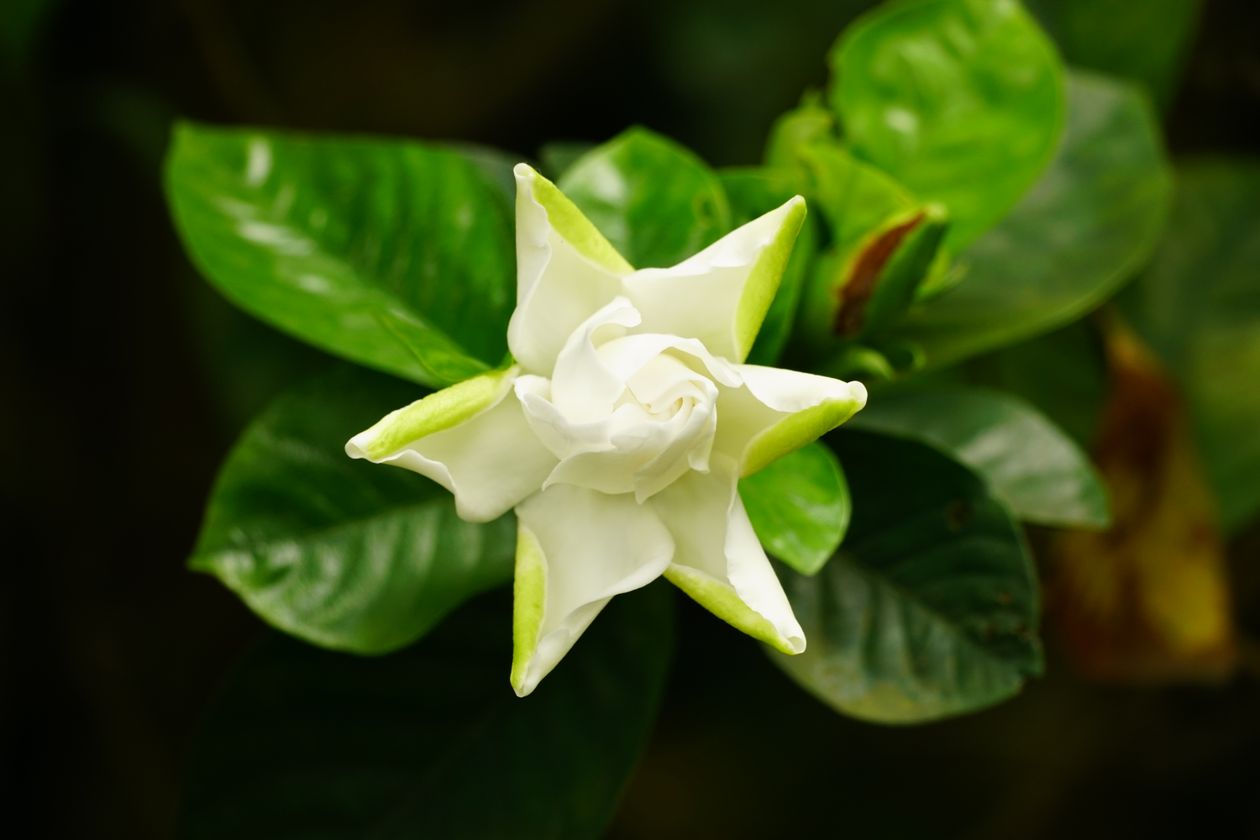
Photo credits: Nicole Kruger (Pexels); Duy Le Duc (Pexels). Photos are served from this site; follow the credit to the library page for the original.