More rosemary dies indoors every winter than dies outdoors in the cold. The plant comes in from the garden in October, green and fragrant, and by February it is a grey skeleton in a pot of wet soil, and its owner concludes rosemary cannot live in a house. It can, for years, but the indoor system inverts every instinct a houseplant owner has. Rosemary indoors wants the coldest bright room you have, the least water of any plant you own, and air that moves. Penn State and Wisconsin guidance agree on the first move: bring it in two to three weeks before the first frost, while the plant can still acclimate gradually, not in a panic the night of a freeze. Everything after that is the discipline this page lays out, including the one decision that must be made in spring, months before the plant ever comes inside.
Home / Flowers and Houseplants
How to Care for a Rosemary Plant Indoors: The Winter Overwintering System

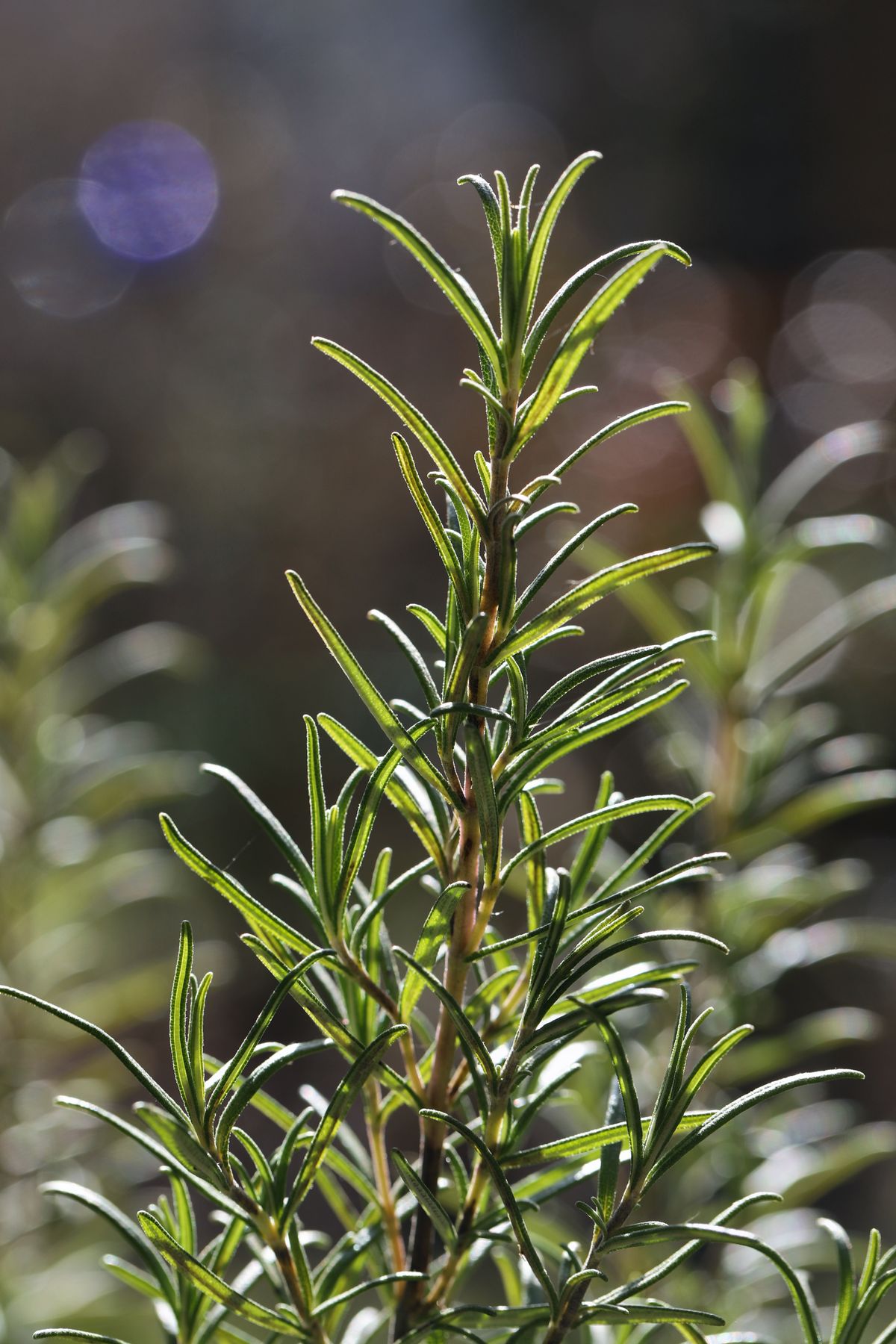
Photo: Uriel Mont / Pexels
Rosemary Indoors Overwintering Checklist
Check off each step as you finish it. Your progress stays on this page.
0 of 8 complete
0% done
Start in a Pot, Not in the Garden
The overwintering literature is blunt about the starting point: rosemary that will winter indoors should live in its pot all year. University of New Hampshire and Illinois guidance both make the point that dug up garden plants usually fail indoors, because digging severs the root system just as the plant faces the stress of low light and dry indoor air, while a pot grown plant moves inside with its roots intact and barely notices the change of address. So the system starts in spring: sink the pot in the bed if you like the look, grow it on the patio, but keep the roots in the container. Choose a pot with real drainage, terracotta ideally, since its porous walls help the mix dry, in a gritty, lean mix, and size it honestly, at least 10 to 12 inches across for a plant you expect to keep. A plant already in the ground that you hope to save can be potted up in late summer, six to eight weeks before the move, to give it some recovery time outdoors; treat its odds as poor and take cuttings as insurance.
Light: The Brightest You Have, or a Lamp
Light is the indoor system's first pillar, and the usual windowsill is not enough. Iowa State's guidance is the brightest south or west window you have, or a grow light run 12 to 16 hours a day, set a few inches above the plant. The arithmetic is unforgiving: a north or east window in a northern winter delivers a fraction of the light the plant grew in, and a rosemary in dim light stretches pale, drops its lower needles, and becomes the weak plant that mildew and aphids then finish. Rotate the pot a quarter turn weekly so the growth stays even, and keep the foliage off cold glass on freezing nights. If the plant must live under lights, a simple LED shop light or a dedicated grow bulb on a timer does the whole job; the 12 to 16 hour day also tells the plant to keep growing slowly rather than resting, which pairs with the cool room below. A plant that holds its color and makes a little compact growth by February has beaten the winter; explosive growth is neither possible nor wanted.
The Cool Room: Flagged Figures
Extension sources give the ideal indoor temperature as a band, and the bands do not quite agree, so they are presented as published rather than blended. University of New Hampshire guidance puts the cool room at 45 to 55 degrees. Illinois guidance runs warmer, 50 to 60 degrees. Kenosha County guidance allows up to about 65 degrees. What every source agrees on matters more than the spread: cooler beats warmer, a heated living room at 70 degrees plus is the hostile environment, and the plant wants the brightest cold spot in the house, an unheated sunroom, a cool bedroom window, a bright garage window that stays above freezing. Warm dry air from heating systems is the second indoor killer after overwatering, stressing the foliage while the roots sit cold and wet. If the only available room is warm, compensate with the strongest light you can give and the driest watering hand on this page, and accept some needle drop as the price.
Water: The Sparing Hand
Overwatering is the biggest cause of indoor rosemary death, in Wisconsin's assessment and in every other source's, and the winter version of the crime is watering a barely drinking plant on a summer rhythm. Indoors in cool light, the mix dries slowly; check at 2 inches deep and water only when that layer is dry, then water thoroughly, let it drain completely, and empty the saucer, because a rosemary standing in a full saucer in January is a plant being rotted on schedule. Expect the interval to stretch to two weeks or more. The foliage can be misted or the pot set on a tray of pebbles and water to lift the air's humidity around the leaves, which the plant appreciates, as long as the pot itself sits above the waterline. Brown needle tips with a dry mix mean the air is desert dry or the plant finally needs its drink; a plant wilting in a wet mix is not thirsty at all, it is drowning, and the response is drainage and time, never more water.
Powdery Mildew: The Indoor Killer
The disease that actually executes indoor rosemary is powdery mildew, per University of Connecticut guidance, and it thrives in exactly the conditions a winter windowsill provides: still air, cool nights, foliage crowded against glass. The white dusting starts on the inner leaves and spreads through a plant that cannot be moved outdoors for treatment weather. Prevention is architectural: space the plant from its neighbors, run a small fan nearby or open the room's air path so the foliage sits in moving air, water at the soil and never over the leaves, and remove any dusted growth the day you see it, since the plant's slow winter growth will not outpace an established infection. Good light is also prevention, because the mildew takes the weak plant first. A plant that comes through winter with its framework clean goes back out in spring after the frost date, hardened off over a week of lengthening outdoor hours, and the cycle that kills most indoor rosemary never gets started. The outdoor shrub's full upkeep calendar is in the rosemary plant care guide.
The Spring Exit and the Recovery
Overwintering is only half the system; the plant has to come back out alive too, and the exit has its own casualties. A rosemary that has spent five months in dim, dry indoor air cannot be carried straight into full May sun: its foliage, grown soft indoors, scorches in a day. Harden it off like a seedling, an hour of morning sun the first day, lengthening over a week to ten days, in a sheltered spot, before it takes its summer place. Spring is also repotting season for a plant that has filled its pot: move it up one size, into fresh gritty mix, teasing the roots lightly, and prune out whatever winter killed, cutting dead tips back to green wood now that you can see where the living growth breaks. A plant that limped through winter, thin, mildewed, half defoliated, gets a genuine decision rather than a default rescue: if the framework is alive and the roots are sound, a hard spring of good light, fresh mix, and the strict watering hand will rebuild it by midsummer, since rosemary regrows vigorously in real sun. If the base is soft and the roots black, the plant is done, and the cuttings you took in fall, which the careful overwinterer always takes, are its continuation. That insurance habit, a few cuttings rooted every September before the move in, is the difference between a bad winter costing a season and costing the plant, and it takes fifteen minutes. The growers who keep the same rosemary for a decade are not luckier than everyone else; they run the whole system, pot grown start, early move in, cool bright room, dry hand, spring exit, and the insurance cuttings underneath it all.
Related guides
Keep reading with these guides from the same corner of the garden:
- How to Grow Rosemary: Cuttings, Drainage, and the Winter Decision
- Best Indoor Plants for Beginners With Cats: The ASPCA Checked Shortlist
- Best Indoor Plants for Beginners With Dogs: Safe at Floor Level, Where Dogs Actually Live
- Best Plants for Beginners Indoor: A Room by Room Guide
Frequently Asked Questions
When should I bring rosemary indoors for winter?
Two to three weeks before your first expected frost, per Penn State and Wisconsin guidance, so the plant acclimates while conditions change gradually. A plant rushed in on a freeze night, or left out through early frosts and then rescued, starts the winter already stressed.
Can I dig up my garden rosemary and pot it for winter?
You can try, and the extension consensus, New Hampshire and Illinois included, is that dug plants usually fail: digging severs roots just before the hardest season of the plant's year. Pot it up six to eight weeks early if you must, take cuttings as insurance, and next year grow the plant in its pot from spring onward.
How much light does indoor rosemary need?
The brightest south or west window in the house, or a grow light 12 to 16 hours a day, per Iowa State guidance. Ordinary room light and north windows are not enough; a dim plant stretches, drops needles, and becomes the weak target mildew and aphids finish off.
How often should I water rosemary indoors?
Sparingly: only when the mix is dry 2 inches down, then thoroughly, with complete drainage and an emptied saucer. In a cool bright room that is often every two weeks or longer. Overwatering is the leading cause of indoor rosemary death, ahead of cold, darkness, and everything else.
What temperature should indoor rosemary be kept at?
Cool. Sources band it differently, 45 to 55 degrees from New Hampshire guidance, 50 to 60 from Illinois, up to about 65 from Kenosha County, and this page flags the spread rather than averaging it. All agree a hot living room is the problem: give the plant the brightest cold spot you have.
Photo credits: Uriel Mont (Pexels); Christina & Peter (Pexels). Photos are served from this site; follow the credit to the library page for the original.