Plant Spacing for Lemon Balm: 18 Inches for a Mint Relative That Spreads
By the Windchime Walker editorial team
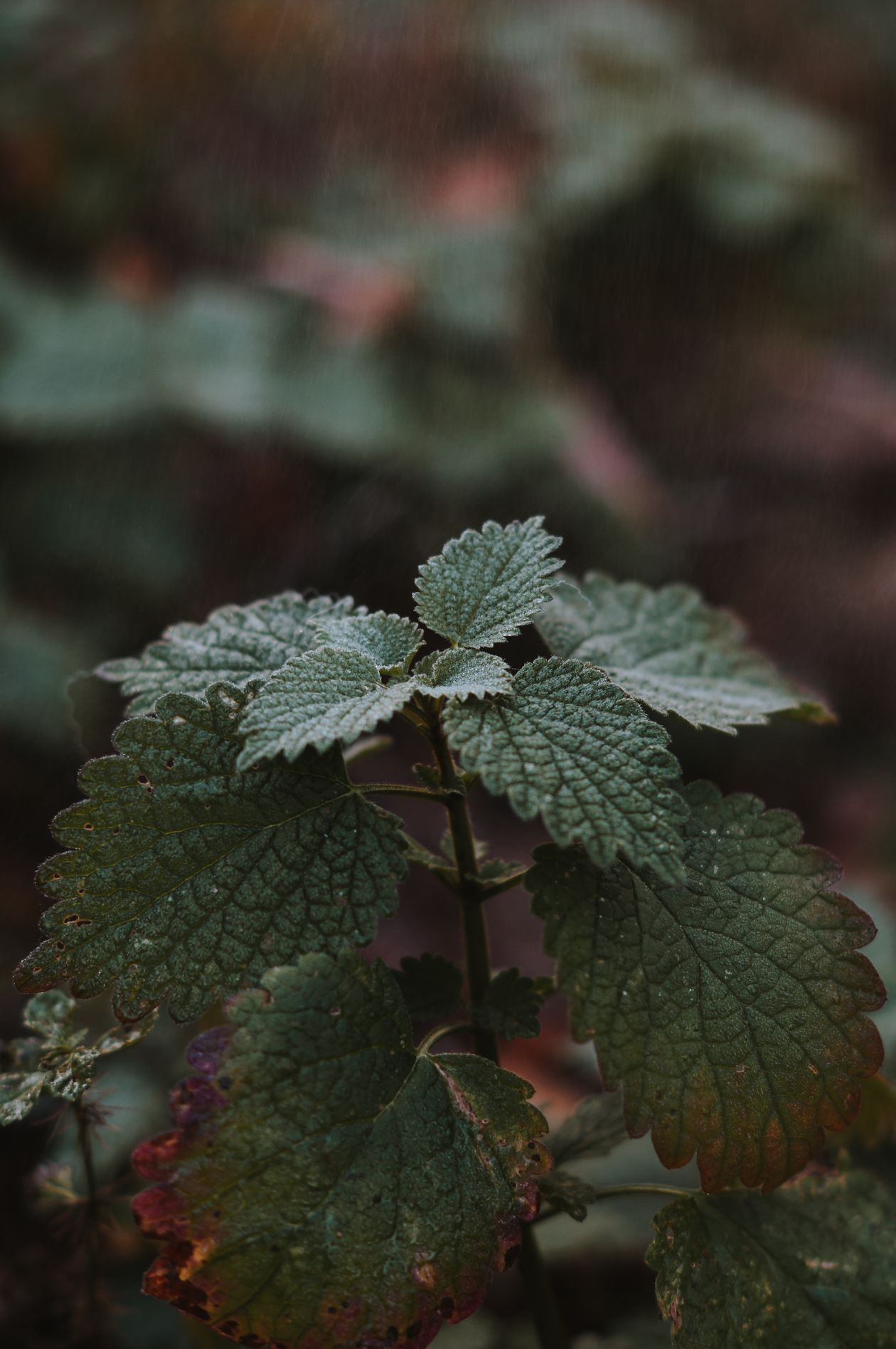
Photo: Oksana Abramova / Pexels
Lemon balm (Melissa officinalis) is a hardy perennial herb in the mint family, and its spacing follows the family habit: generous room for a plant that intends to spread. Utah State University Extension recommends planting lemon balm 18 inches apart, with established plantings spaced 18 to 24 inches apart. Use 18 inches within the row and about 24 inches between rows in a garden bed, and give a single plant in a container a pot at least 12 inches wide all to itself.
The honest framing for lemon balm is different from most spacing questions. This plant will not suffer from being given too much room; it will occupy whatever you give it and then test the borders. Spacing lemon balm is really about containment: choosing a spot where a vigorous, self-sowing, lemon-scented perennial can spread without swallowing its neighbors. Use the planner to map plant counts for your bed, then read the containment section before you commit it to the ground.
Interactive tool
Plant Spacing Planner: The Lemon Balm Patch
Lemon balm is in the crop list below at 18 inches in the row and 24 inch rows, the Utah State Extension bench for a plant that grows 2 to 3 feet tall and spreads. Enter your bed size to count plants, then plan the containment this guide insists on.
8 tomato plants fit this bed
4 plants per row across 2 rows, on a 24 inch grid. Extension spacing for this crop: 24 in between plants, 48 in between rows.
The grid uses the in-row spacing in both directions, the standard square foot layout for raised beds. In open ground, keep the wider row spacing in the note above so you can walk and weed between rows.
Spacing figures: University of Georgia Cooperative Extension, Circular 963, Vegetable Planting Chart, source.
Spacing at a glance
Situation
In-row spacing
Row spacing
Notes
Garden bed, harvested regularly
18 inches
24 inches
USU Extension bench
Herb spiral or mixed bed
18 to 24 inches
n/a
Give it the edge or a corner it can own
Container
1 plant per pot
n/a
Pot at least 12 inches wide
Groundcover patch
18 inches
18 to 24 inches
Fills in within one season
Seed-grown patch
Sow thick, thin to 18 inches
24 inches
Thin ruthlessly; seedlings are plentiful
A mature lemon balm plant stands 2 to 3 feet tall and spreads about as wide, which is why the 18 inch spacing looks generous in April and exactly right by July. Two plants 18 inches apart merge into one continuous mound by midsummer, which is fine for a harvested herb patch and a problem only if a delicate neighbor shares the space.
Why this herb needs the room
Lemon balm grows in two directions at once: the clump expands outward at the crown, and the plant self-sows with mint-family enthusiasm. A single unharvested plant can seed dozens of volunteers the following spring. Spacing at 18 inches with a clean mulch layer between plants makes those volunteers easy to spot and pull, and keeps air moving through foliage that mildews when it sits wet and crowded.
Crowded lemon balm is not a disaster the way crowded tomatoes are, because the plant is tough, but crowding does cut leaf quality. Harvested leaves are the product, and plants with airflow produce cleaner, larger leaves with fewer mildew spots. If you grow lemon balm for tea, that quality difference is the whole crop.
Containment: the real lemon balm skill
Three strategies work. First, containers: a big pot on a patio gives you all the leaves and none of the spread, and lemon balm is perfectly happy potted. Second, deadheading: cutting the plant back before it sets seed, which most growers do anyway because the best leaf harvest comes from pre-flower growth, and a hard cutback in midsummer produces a fresh flush. Third, location: plant it where spread is a feature, along a fence, in a corner by the compost, or in a dedicated perennial herb bed with other vigorous growers like oregano that can hold their own.
What does not work is planting lemon balm politely in the middle of a mixed perennial border and hoping. Within three years it will be the border. Its cousin mint is worse, and the same logic drives the spacing in our guide to how often to water mint for container growing.
Growing notes that interact with spacing
Lemon balm prefers full sun to part shade and average, well-drained soil. In hot climates a little afternoon shade keeps leaves tender. It is hardy in zones 3 to 7 as a reliable perennial and often persists warmer with self-sowing. Space plants after the last spring frost, or start seed indoors 6 to 8 weeks early; seed needs light to germinate, so sow it on the surface.
Harvest changes the plant's footprint. A plant cut back to 4 inches three times a season stays a tidy 18 inch citizen. The same plant left alone becomes a flowering, seeding, 3 foot mound. Your spacing can assume the harvested version only if you actually harvest. Divide mature clumps every 3 to 4 years in spring to keep them vigorous, and use the divisions to fill the 18 inch grid somewhere else.
Companions and conflicts
Good neighbors for lemon balm are plants that match its vigor or benefit from its pollinator pull: it flowers generously if allowed, and bees love it. Tomatoes and other fruiting vegetables are traditional companions in the herb garden layout sense, but keep the 18 inches of clearance so the balm never shades young transplants. Keep it away from small, slow herbs like thyme seedlings until they are established; the spacing for thyme in plant spacing for thyme assumes no aggressive neighbor leaning over it.
Planting lemon balm, step by step
Start seeds indoors 6 to 8 weeks before your last frost, sowing on the surface of the mix because the seed needs light to germinate. Keep the surface moist and expect sprouts in 10 to 14 days. Transplant seedlings outdoors after all frost danger passes, hardening them off for a week first. Set each plant at the same depth it grew in its pot, 18 inches from its neighbors, and water the planting hole well.
Direct sowing works too, and many growers prefer it because lemon balm transplants its enthusiasm to self-sowing anyway. Sow shallowly in a prepared patch after the last frost, keep the bed moist until germination, and thin the inevitable crowd to the strongest seedlings at 18 inch spacing. Do not skip the thinning: a mat of 200 seedlings produces spindly, mildew-prone plants, while thinned plants become the lush mounds you actually want.
Water new transplants twice a week for the first month if rain is scarce. Once the roots establish, lemon balm is respectably drought tolerant for an herb, though leaf production for harvest stays best with a weekly deep drink in dry spells. A 2 inch mulch layer around (not over) the crowns keeps soil moisture even and makes self-sown volunteers easy to see and pull.
Lemon balm through the year
Spring growth is the prime harvest: leaves are most aromatic before flowering, and cutting whole stems back by half in late spring forces the bushy regrowth that keeps the plant at its tidy 18 inch footprint. In summer, decide whether you are growing leaves or flowers. For leaves, keep cutting and never let it bloom. For pollinators, let one plant flower while you harvest the others hard; bees will work the blossoms for weeks.
In fall, cut the whole patch back to a few inches after the first hard frost blackens the tops. In cold zones the crowns overwinter fine under mulch; top growth dies back completely, which makes fall the perfect time to dig and divide crowded clumps or pull the patch back to its assigned territory. In mild zones the plant may hold some green leaves all winter, and a light tidy-up replaces the full cutback.
Year two is when lemon balm announces its true size. The clump that looked modest at planting will test every inch of its 18 inch allotment and send scouts beyond it. This is normal, manageable with the cutback and deadheading habits above, and the reason this guide treats spacing and containment as the same subject.
A quick plant count for a tea garden
If you drink lemon balm tea, the arithmetic is friendly. One mature plant at its 18 inch spacing, cut back three times a season, yields roughly enough dried leaf for a cup a day through winter for one person. A 4 foot row at 18 inch spacing holds 3 plants with room to work, and that row, plus the volunteers you will inevitably pot up and give away, covers a household. Plant 2 to start if you are cautious; the self-sown reinforcements arrive on their own schedule regardless of your caution.
Lemon balm leaves with morning dew in an herb garden
Plant lemon balm 18 inches apart, with rows 18 to 24 inches apart, following Utah State University Extension guidance. A mature plant grows 2 to 3 feet tall and about as wide, so 18 inches gives clumps room to merge into a full patch without crowding out airflow.
Does lemon balm spread like mint?
Yes. Lemon balm is a mint relative that expands at the crown and self-sows freely. It is slightly less aggressive than true mint's running roots, but an unmanaged plant will colonize a bed within a few seasons. Grow it in containers, deadhead before seed set, or give it a corner where spreading is welcome.
Can I grow lemon balm in a pot?
Absolutely, and pots are the best containment strategy. Use a pot at least 12 inches wide with drainage, one plant per pot, and standard potting mix. Potted lemon balm needs regular watering in summer and a cutback whenever it gets leggy; it will reward you with clean leaves and zero escapees.
How big does lemon balm get?
Expect 2 to 3 feet tall and 18 to 24 inches wide per plant in a season, larger in rich soil and mild climates. Regular harvesting keeps it at the compact end. Left uncut, it flowers, sets seed, and the patch expands well beyond the original plant's footprint.
When should I divide lemon balm?
Divide in early spring every 3 to 4 years, or whenever the center of the clump dies out and growth moves to the edges. Dig the clump, split it into sections with roots and shoots, and replant at 18 inch spacing. Divisions establish quickly in moist spring soil.
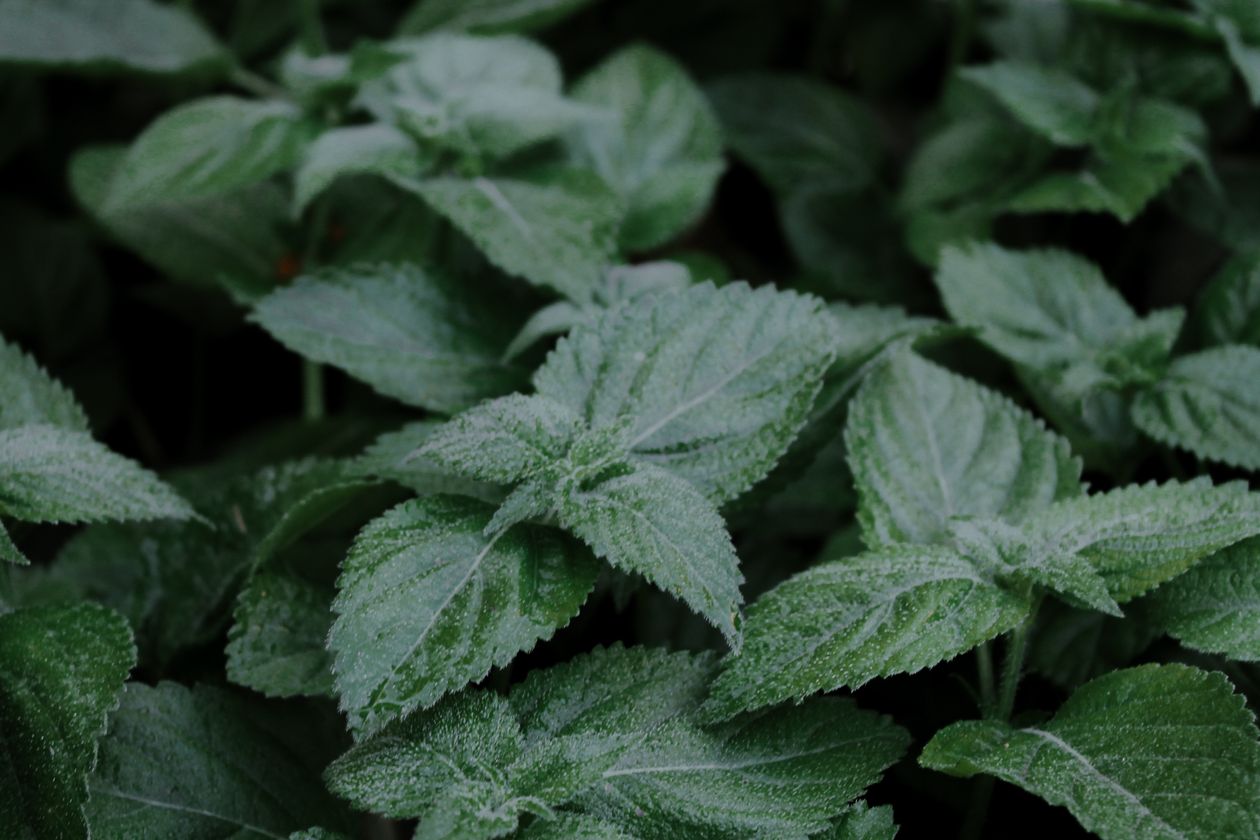
Photo credits: Oksana Abramova (Pexels); Youssef Samuil (Pexels). Photos are served from this site; follow the credit to the library page for the original.