Ask a snapdragon grower about spacing and you get two answers that sound like an argument: the bedding grower plants dwarfs a hand's width apart for a solid carpet, and the cut flower grower sets tall varieties in dense production rows and picks daily. Both are right, because snapdragon spacing is set by height class first and purpose second. The University of California's guidance gives the clean bench: 6 to 8 inches for dwarf types, 12 inches for tall ones. Underneath the bench sits the reason this page exists: the snapdragon's defining disease is rust, a fungus that pustules the undersides of leaves and defoliates a crowded planting from the bottom up, and rust is a spacing disease before it is a spray problem. Every recommendation below is the height bench read through the airflow rule. The planner carries snapdragons at 9 inches, the working middle for the mid height types most gardens actually grow.
Snapdragon Plant Spacing: Airflow Is Rust Control
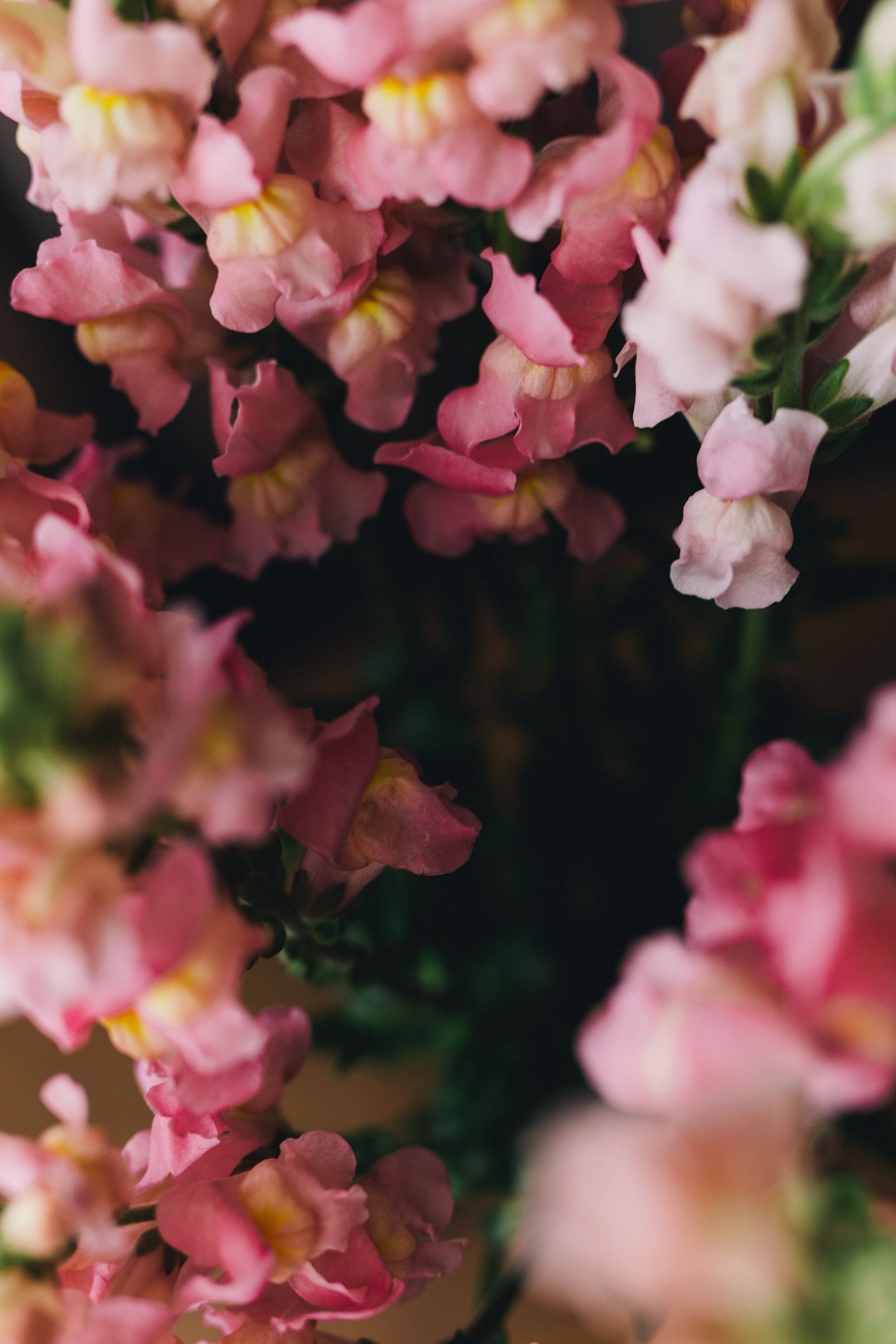
Photo: Alena Yanovich / Pexels
Plant Spacing Planner: The Snapdragon Bed
Snapdragons are in the crop list below at 9 inches, between the dwarf and tall benches. Enter your bed size to count plants, then read the height class split in this article before you buy trays.
8 tomato plants fit this bed
4 plants per row across 2 rows, on a 24 inch grid. Extension spacing for this crop: 24 in between plants, 48 in between rows.
The grid uses the in-row spacing in both directions, the standard square foot layout for raised beds. In open ground, keep the wider row spacing in the note above so you can walk and weed between rows.
Spacing figures: University of Georgia Cooperative Extension, Circular 963, Vegetable Planting Chart, source.
The Benches by Height Class
| Class | Height | Space at | Typical use |
|---|---|---|---|
| Dwarf | 6 to 12 inches | 6 to 8 inches | Bedding, edging, containers |
| Medium | 12 to 24 inches | 9 to 10 inches | Mixed borders, general garden color |
| Tall | 24 to 48 inches | 12 inches | Cutting gardens, back of border |
| Tall, production rows | 24 to 48 inches | 4 to 6 inches in the row, supported | Commercial and serious cutting beds |
The production row is the apparent exception and proves the rule: cut flower growers plant tall snapdragons at 4 to 6 inches, far tighter than the garden bench, because the crop is grown as a single stem, netted for support, in the open air of a field or an unheated tunnel with constant air movement, and harvested before disease pressure builds. The home gardener who copies the 4 inch figure into a sheltered border, without the netting, the airflow, or the harvest discipline, gets the rust the production system is engineered to outrun. Copy systems whole or not at all; the garden benches in the table are the system designed for a plant that stays in place all season.
Rust: The Disease That Sets the Spacing
Snapdragon rust announces itself as reddish brown pustules on the undersides of the lower leaves, with yellow spotting above, and it spreads upward and outward through a planting in wet weather, defoliating as it goes. The fungus needs leaf wetness to infect, which is why every cultural control is a drying control: space for air, water at the base and never overhead, water in the morning so what splashes dries by noon, and site the planting where air moves rather than in the still corner between fences. A planting at the correct bench in moving air can carry a little rust on its lowest leaves all season and flower through it. The same variety at half spacing in a sheltered bed can be stripped to bare stems by midsummer. When rust does establish, the response is sanitation as much as chemistry: remove the worst infected leaves and any fallen debris, never compost them, improve the air by thinning a plant or two if the stand allows it, and accept that a badly rusted dwarf bedding plant is cheaper to replace than to cure, while a tall cutting variety justifies a fungicide program. Next season's spacing is the real fix, and it is free.
Cool Season Timing and What It Does to the Stand
Snapdragons are a cool season flower, planted out in early spring or in fall in mild climates, flowering hardest in the cool shoulders of the year and sulking or resting in summer heat. The timing interacts with spacing in one practical way: a spring planting grows fast into its spacing and closes the canopy while the weather is still wet, which is exactly the rust window, so spring plantings should go at the wide end of their bench. A fall planting in a warm winter climate grows slowly through the cool months, stays open, and can sit at the tighter end. Pinching decides the plant's shape inside its spacing: pinch the tip of a young plant and it branches into a bush that fills its full allotted width; leave it unpinched and it runs a single tall spike that uses half the ground and all of the height. For bedding dwarfs, pinched and bushy is the point. For cutting talls, the single stem is the product, and the pinch is skipped on purpose.
Containers, Edging, and the Mixed Border
In containers, dwarfs space at the same 6 to 8 inches across the pot's surface, three to five plants in a 12 inch pot, and the container rules of air apply double, because a pot pushed against a wall loses its airflow on one side. As edging, dwarfs at 6 inches give the continuous ribbon the job wants, at the price of the tightest canopy in the garden; edge plantings earn their keep in open, breezy fronts of borders and fail in enclosed courtyards, and the gardener with a still, walled garden should edge with something that does not rust. In the mixed border, mediums at 9 to 10 inches thread between perennials and are cut back after the first flush for a second in fall; their spacing should be measured against the neighbors' summer size, not their spring size, because the border in July is a different and larger place than the border in April, and the snapdragon that was correctly spaced against dormant neighbors drowns in their foliage by midsummer, in the damp shade where rust does its best work.
Succession and the Second Flush
A snapdragon planting is not a one act flower. Cut the main spike when the lower third of its florets are open, and the plant branches and returns with side spikes; deadhead faithfully and a spring planting flowers into early summer, rests in the heat, and in cool climates returns for a fall flush from the same roots. Spacing serves this long game: plants given their full bench survive the summer rest with their crowns intact and air around them, while crowded plants spend the summer as a rust reservoir and enter fall already stripped. Where summers are too hot for the plant to persist at all, snapdragons are simply replanted for fall, and the spacing benches apply to the new stand unchanged. Either way, the gardener's calendar and the tape measure are working on the same problem, keeping foliage dry and air moving around a flower that would rather be in a cool breeze than anywhere else on earth.
Growing From Seed, and What It Changes
Snapdragons are most often bought as transplants, but they grow readily from seed sown indoors 8 to 10 weeks before the last frost, and the seed route changes the spacing conversation in one respect: it produces far more plants than the bed needs, which is an asset disguised as surplus. Seedlings are potted on and grown sturdy in cool bright conditions, snapdragons want to grow cool and sulk in a hot room, and at planting out the grower selects the strongest plants for the bench spacing and holds the spares in their pots for a fortnight, because a bed planted at full spacing with a reserve bench behind it can replace a failed or rust struck plant in its first month without a gap in the stand. Seed also opens the tall cutting varieties and the open pollinated types that bedding packs rarely offer, and a packet costing less than one six pack raises a whole border. The home saved seed of the open pollinated types comes back close to type; the hybrids, as with the marigolds elsewhere in this batch, revert toward simpler forms, which the cottage gardener may count as a feature.
Troubleshooting the Stand
A short diagnostic table for the planting that is not performing, because most snapdragon failures trace to the spacing and air themes of this page. Plants tall, thin, and flopping: too little light or spacing so tight the plants raced each other upward; support with netting this year, widen next year. Lower leaves yellowing with brown pustules beneath: rust, addressed in its own section above, and a spacing verdict. Plants stunted and sulking in midsummer heat: not a spacing failure at all, but the species resting in weather it dislikes; water, wait, and expect the fall return. Seedlings damping off in the tray: sow thinner, ventilate, and water from below, the same airflow sermon preached at a smaller scale. Flower spikes short on an otherwise healthy plant: usually a variety read wrongly, a dwarf planted where a tall was imagined, which is a label problem that the height class table exists to prevent. The pattern across the table is the page's thesis in miniature: with snapdragons, most roads lead back to air, light, and room.
A Note on Winter and the Perennial Question
In mild climates, roughly zone 8 and warmer with protection, snapdragons can overwinter and flower again, and the spacing set for the first season should anticipate the second year plant, which is wider and woodier at the base than the spring transplant was. Gardeners in cold climates treat the plant as an annual and owe the spacing no such foresight. Either way, a stand that enters winter crowded and rust marked carries its disease into the spring on the old foliage, and the fall cleanup, cutting back, clearing debris, and opening the stand, is the perennial grower's version of the same airflow discipline the spacing began.
Related guides
Guides in the same spacing family:
- Plant Spacing for Alyssum: How Far Apart to Plant Sweet Alyssum
- Plant Spacing for Zinnias: Air Is the Fungicide
- Plant Spacing for Gomphrena: Two Benches, Landscape and Cutting
- Lisianthus Plant Spacing: The Cut Flower Grid
- Nigella Plant Spacing: Sow It Where It Stands
Frequently Asked Questions
How far apart should snapdragons be planted?
By height class, per the University of California bench: dwarf types at 6 to 8 inches, mediums at 9 to 10 inches, and tall types at 12 inches. The planner's 9 inches is the medium bench. In wet spring weather or a sheltered site, plant at the wide end of your class; the spacing is your first rust control, because the disease moves through still, wet foliage.
Why are my snapdragons getting rust?
Rust is a leaf wetness disease: it infects foliage that stays wet, starting on the lower leaf undersides, and it spreads fastest in crowded plantings in still air. The cultural fixes are spacing for airflow, watering at the base in the morning, removing infected leaves and debris, and never composting them. A badly rusted bedding plant is usually cheaper to replace than to cure, and next season's wider spacing is the permanent fix.
Can I plant snapdragons 4 inches apart like the flower farms do?
Only if you copy the whole production system: single stem plants, support netting, open field airflow, and harvest before disease builds. The 4 to 6 inch production row works because of those conditions, not in spite of the crowding. In a home border without them, 4 inch spacing is a rust nursery. Use the garden benches: 12 inches for tall types in a border.
Should I pinch snapdragons?
Pinch bedding and border plants once when they are young: the tip comes out, the plant branches, and it fills its allotted width with multiple spikes. Skip the pinch on cutting varieties grown for a single tall stem, where the unbranched spike is the product. Either way, decide before planting, because pinching changes the width the plant will occupy inside the spacing you gave it.
Do snapdragons come back for a second flowering?
Yes, in cool and moderate climates. Cut spikes when the lower third of the florets are open, deadhead steadily, and the plant branches and reflowers; after a summer rest in the heat, a healthy stand often gives a fall flush. Plants at full spacing survive the summer with crowns and foliage intact to power that return. Where summers are extreme, replant fresh for fall instead.
Photo credits: Alena Yanovich (Pexels); Jeffry Surianto (Pexels). Photos are served from this site; follow the credit to the library page for the original.