The geranium that this question is about is Pelargonium, the bedding plant in the terracotta pot, the window box, and the summer border, not the hardy cranesbill Geranium that overwinters in the ground. The two share a name and almost nothing else, and their watering differs, so this page is about Pelargonium throughout. Its rhythm is soak and dry: let the top inch of mix dry, then water deeply enough that water runs from the drainage holes, then let it dry again. Geraniums come from South African conditions of bright sun and sharp drainage, and they punish the two things pot culture does most: little and often sipping, which keeps the surface wet and the roots shallow, and standing in a saucer of runoff, which rots the stem base. Get the soak and dry rhythm right and the plant is famously forgiving; get it wrong in the wet direction and it collapses faster than almost any other bedding plant.
Home / Gardening Basics for Beginners
How Often to Water Geraniums: The Soak and Dry Rhythm for Pots, Beds, and Winter Dormancy
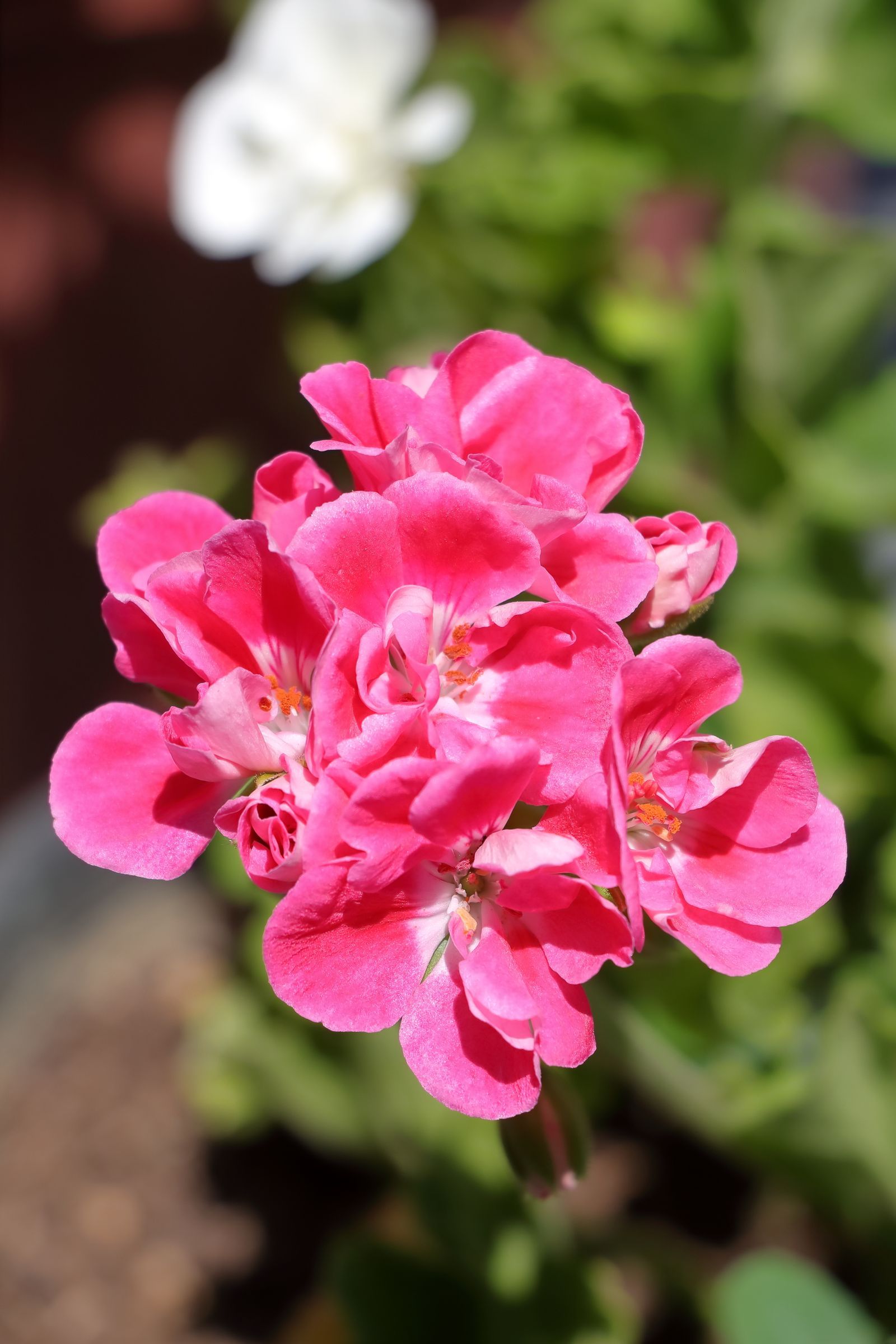
Photo: Mustafa Akın / Pexels
Watering Calculator: The Geranium Soak Audit
A geranium is a soak and dry plant: when the top inch is dry, soak until water runs from the drainage hole, then empty the saucer. Enter your pot diameter as both length and width below and a depth of about 1 inch to size that soak, or your bed size for the weekly inch in the ground.
19.9 gallons
For 32 square feet at 1 inch deep. That is about 76 liters, or 10 trips with a standard 2 gallon watering can.
A rain gauge or a straight sided can set in the bed tells you when a sprinkler or soaker hose has actually delivered this depth. Time alone is a guess, because hose pressure varies from house to house.
The conversion is arithmetic, not opinion: one inch over one square foot is 144 cubic inches of water, and a US gallon holds 231 cubic inches, so each square foot at one inch takes 0.62 gallons.
The Soak and Dry Rhythm, Step by Step
The check is the top inch: push a finger into the mix, and when that top inch is dry, it is time. The watering itself is a soak, not a splash. Water slowly and evenly over the whole surface until water runs freely from the drainage holes, pause, and water once more, because a dry peat based mix can channel the first pass straight down the sides. Then empty the saucer after a few minutes. That last step is not tidiness; a geranium left standing in water is being watered continuously from below, and its stem base and lower roots sit in exactly the saturated zone where rot starts. Water at the base of the plant rather than over the foliage where you can; wet leaves and spent flower heads packed together are where grey mould sets up in still, humid weather. Morning watering is the better habit in summer, since the plant starts the hot part of the day with a full tank and the foliage dries fast.
Pots in Heat: The Every Day or Two Check
Container geraniums live closer to the edge than bedded ones, because the tank is small and the sun is on the pot as well as the plant. In a summer heat spell, a geranium in a modest pot can pass the top inch test every day, and the correct response is to check every 1 to 2 days and water when the test says so, not to apologize for watering daily when the weather demands it. Pot material moves the number: terracotta breathes and dries the mix fastest, plastic holds moisture longest, and a dark pot in full sun heats the root zone and speeds everything up. Size moves it more: a plant moved up into a bigger pot with fresh mix gains days between waterings, which is one reason the mid season repot is a watering decision as much as a growth one. The audit above sizes one full soak for your pot, so the drink is complete rather than a token splash that wets the top and leaves the root ball dry.
Beds and Borders: The Weekly Inch
In the ground, the rhythm stretches. A bedded geranium with its roots in real soil runs on about an inch of water a week in summer, delivered in one or two deep waterings rather than daily sprinkles, and less once the plants are established and the weather cools. The top inch test still works as a check, but soil at depth is what the plant actually drinks, so in beds the better check is a trowel depth: dig down 3 or 4 inches beside the plant, and water when that layer is dry. Newly planted bedding is the exception for its first couple of weeks, when the root ball is still the size of the pot it came in and dries at pot speed; water new plants like pots until their roots have run out into the bed. Mulch helps the bed hold its weekly inch, but keep it pulled back from the stems, since mulch packed against a geranium stem in wet weather is a rot invitation of the same kind as the full saucer.
Winter Dormancy: Minimal Water Is a Technique, Not Neglect
Overwintered geraniums are where most owners either drown the plant or lose it to kindness in a cold frame or cool room. A dormant or semi dormant plant in low light is barely drinking, and the rule inverts: water minimally, just enough and just often enough that the roots do not desiccate completely, which in a cool room can mean a light watering every few weeks rather than anything resembling the summer rhythm. The mix should stay on the dry side of barely moist. Too much water in cold, dark conditions is the classic overwintering kill, because the plant cannot use it and the fungi can. When light and warmth return in spring, step the watering back up with the growth, repot or refresh the mix, and resume the top inch test as the new leaves expand. A plant that comes through winter slightly thirsty recovers in a fortnight; a plant that comes through rotted does not recover at all.
Reading the Plant: Wilt, Yellow Leaves, and Bud Drop
Geraniums report watering errors quickly, and the reports separate cleanly once you know the code. A plant that wilts in the heat of the day and recovers by evening, in mix that passes the top inch test as dry, is simply thirsty on a hot day; water it, and consider whether the pot has become too small for the plant it now carries. A plant that wilts in wet mix is in the opposite trouble, roots failing in saturated conditions, and the fix is the unpot and inspect routine, not another drink. Yellow lower leaves in a plant on a correct soak and dry rhythm are usually age or hunger rather than water: geraniums shed their oldest leaves naturally, and a hard working bedding plant in a small pot runs out of feed by mid season, which a balanced fertilizer at label strength answers. Bud drop and flower heads that brown before opening point at the foliage watering habit, water sitting in the flower cluster in still air, or at a plant that swung hard from dry to soaked during bud formation; even out the rhythm and water at the base. Leggy, stretched growth with long gaps between leaves is a light report, not a water report, and no watering change fixes it; move the plant to full sun and pinch the growing tips to force branching. The pattern to hold onto is that water problems announce themselves at the roots and the stem base first, while light and feed problems announce themselves in the growth shape. Read the right report and the fix is usually one change, not a regime overhaul.
Pet Safety and Placement
The ASPCA lists geranium, meaning Pelargonium, as toxic to dogs and cats. The active compounds are geraniol and linalool, the same fragrance chemistry that makes the leaves smell the way they do, and the signs are vomiting, anorexia, depression, and dermatitis. This is a lower drama listing than the dieffenbachia warning elsewhere on this site, but it is a real one: a dog that grazes a window box or a cat that chews leaves and then grooms can dose itself. Keep pots out of grazing reach for animals that chew plants, and be aware that the scented leaf types carry the same chemistry in stronger concentration. Skin contact can also irritate sensitive people when handling prunings for a long session, so gloves for a big deadheading job are a reasonable habit.
Related guides
Keep reading with these guides from the same corner of the garden:
- How Often to Water a Cactus: The Soak and Dry Cycle, the Forest Exception, and the Winter Rest
- How Often to Water Lantana: The Establishment Ladder, the Bed Budget, and the Pot Rhythm
- How Often to Water Echeveria: Soak, Dry Completely, Repeat
- How Often to Water Mint: The Pot Size Ladder, the Morning Drink, and the Harvest Rhythm
- How Often to Water Kokedama: The Soak, the Weight Test, and No Pot at All
- How Often to Water Juniper Bonsai: Shallow Pot Physics and the Never Bone Dry Line
Frequently Asked Questions
How often should I water geraniums in pots?
When the top inch of mix is dry, soak the pot until water runs from the drainage holes, then empty the saucer. In mild weather that may be every 3 or 4 days; in a summer heat spell a modest pot can need it every day or two, and the finger test, not the calendar, decides. Terracotta dries fastest, plastic slowest, and bigger pots stretch every interval.
How much water do geraniums in beds need?
About an inch of water a week in summer, given in one or two deep waterings. Check with a trowel 3 or 4 inches down beside the plant rather than at the surface, since bedded roots drink at depth. New plants are the exception for their first couple of weeks: water them at pot frequency until their roots have grown out into the bed soil.
Why are my geranium stems going soft and black at the base?
That is rot from the wet end of the rhythm: mix kept constantly moist, water standing in the saucer, or foliage and mulch packed wet against the stem. Cut back to firm, healthy tissue, repot into fresh free draining mix if the plant is in a container, and restart on the soak and dry rule, top inch dry, soak, saucer emptied. A stem that is soft all the way through has no healthy tissue to save.
How do I water geraniums I am overwintering indoors?
Minimally. A dormant plant in a cool, dim room is barely drinking, so water lightly every few weeks, only enough to keep the roots from desiccating completely, and keep the mix on the dry side of barely moist. Overwatering in cold dark conditions is the standard overwintering kill. Step watering back up in spring as light, warmth, and new growth return.
Is geranium toxic to pets?
Yes, on the ASPCA listing for Pelargonium. Geraniol and linalool in the leaves can cause vomiting, anorexia, depression, and dermatitis in dogs and cats. Keep pots out of reach of animals that chew plants, and note that scented leaf geraniums carry the same compounds in stronger concentration.
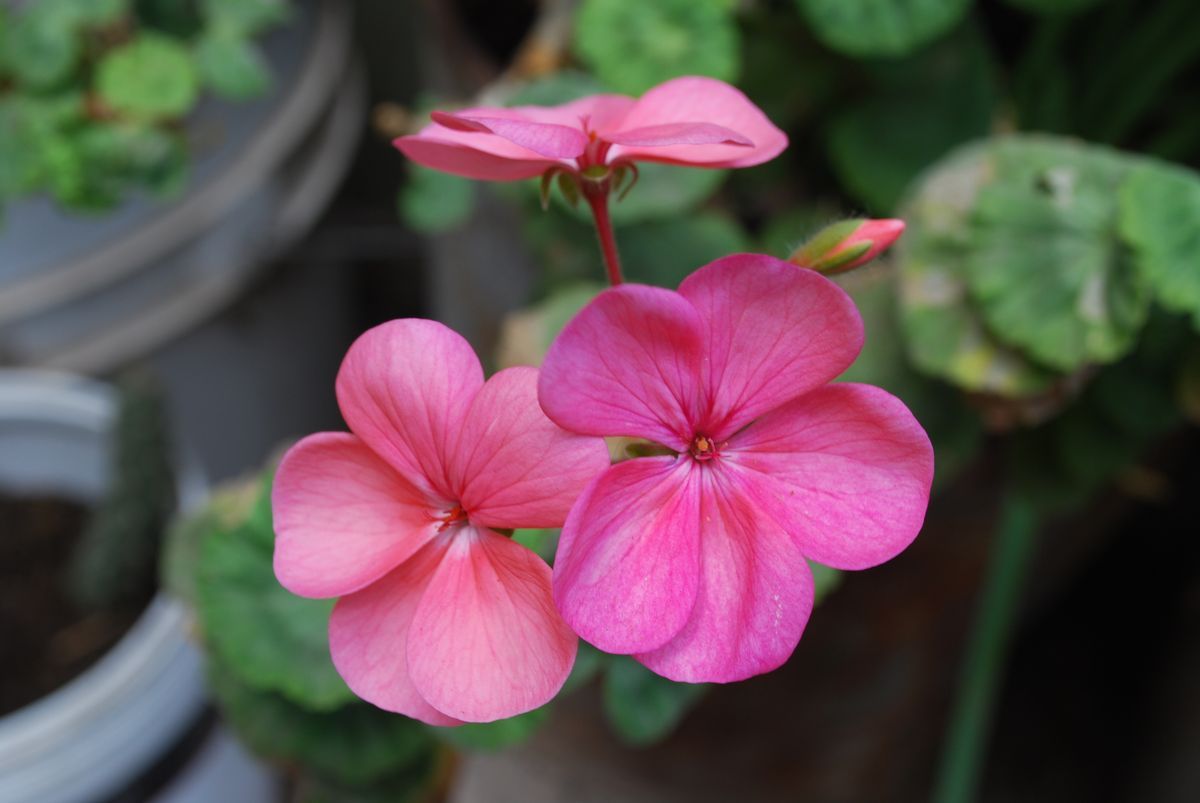
Photo credits: Mustafa Akın (Pexels); ISAIAS CASTILLO G (Pexels). Photos are served from this site; follow the credit to the library page for the original.