Most raised bed instructions are written for vegetables and then decorated with flowers, and the result overbuilds the box and underthinks the planting. A flower bed has its own specification. Its roots run shallower than a tomato's, so 8 to 12 inches of soil does the whole job and the lumber and soil budgets shrink accordingly. Its width still obeys the reach rule, 4 feet maximum, because a flower bed is weeded, deadheaded, and divided by hand all season. And its real content is not the box at all but a planting design in three height tiers with bloom timed in succession, which no vegetable plan needs and every good flower bed has. The site's general raised bed build covers the shared carpentry; this page is the flower-specific version, filed where the map files it, among the flowers, because the decisions that make it succeed are flower decisions. Build the box in an afternoon; design the tiers before you buy a single plant.
Home / Flowers and Houseplants
How to Build a Raised Flower Bed: Depth, Soil, and the Three-Tier Planting Plan
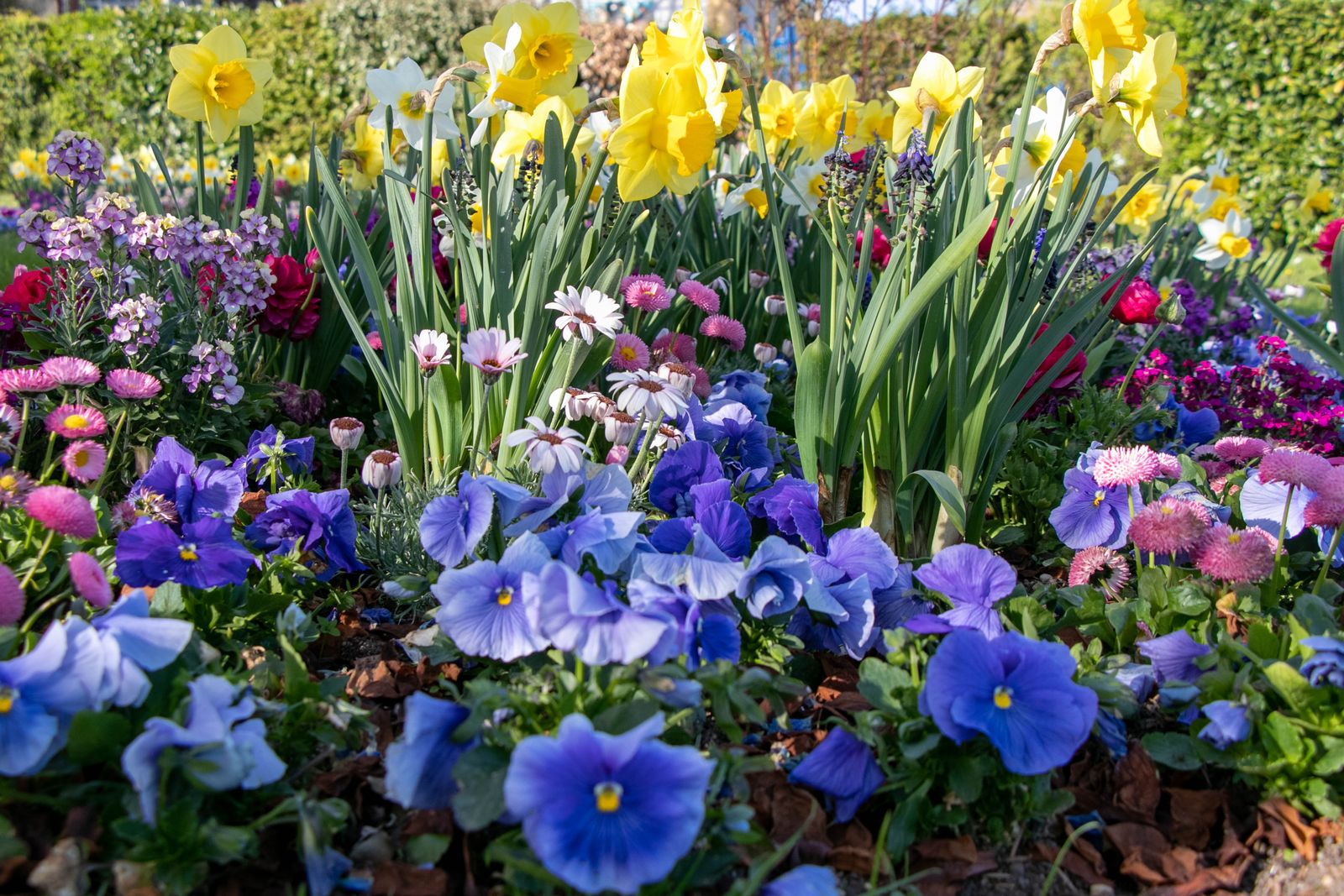
Photo: Tatiana Tolkunova-Balugdzic / Pexels
Raised Flower Bed Build Checklist
Check off each step as you finish it. Your progress stays on this page.
0 of 8 complete
0% done
Dimensions and the Soil Bill
The standard flower bed is 4 feet wide, as long as the site allows in 4 or 8 foot modules, and one board deep or two, depending on the planting. Depth is chosen by the roster, not by habit: 8 inches of soil grows the full annual roster and most shallow-rooted perennials; 12 inches is the perennial bench, giving bulbs, daylilies, echinacea, and their kin the root run and the winter insulation they want; deeper than 12 inches buys flowers nothing and costs soil by the cubic foot. The soil bill follows the depth, and it is the budget line that surprises builders, so measure it before the lumber is cut.
| Bed size | Soil at 8 inches deep | Soil at 12 inches deep | Bags (2 cu ft) at 12 inches |
|---|---|---|---|
| 4 by 4 feet | About 10.5 cu ft | 16 cu ft | 8 bags |
| 4 by 8 feet | About 21 cu ft | 32 cu ft | 16 bags |
| 4 by 12 feet | About 32 cu ft | 48 cu ft | 24 bags |
Fill with a raised bed mix or a blend of roughly 60 percent topsoil, 30 percent compost, and 10 percent aeration material such as coarse perlite or pine bark fines. Flower beds want the drainage end of the mix spectrum, because the ornamental roster, lavender, salvias, echinacea, and most of the Mediterranean herbs-as-flowers, rots in the rich wet mix that vegetables enjoy; err on the gritty side and feed within the season rather than building a compost sponge. Set the frame level, because an unlevel flower bed shows its slope in every tier line, on ground cleared of perennial weeds, with landscape fabric only where tree roots invade from below, and never as a weed barrier under the soil, where it defeats the drainage the mix was blended for.
The Three-Tier Plan
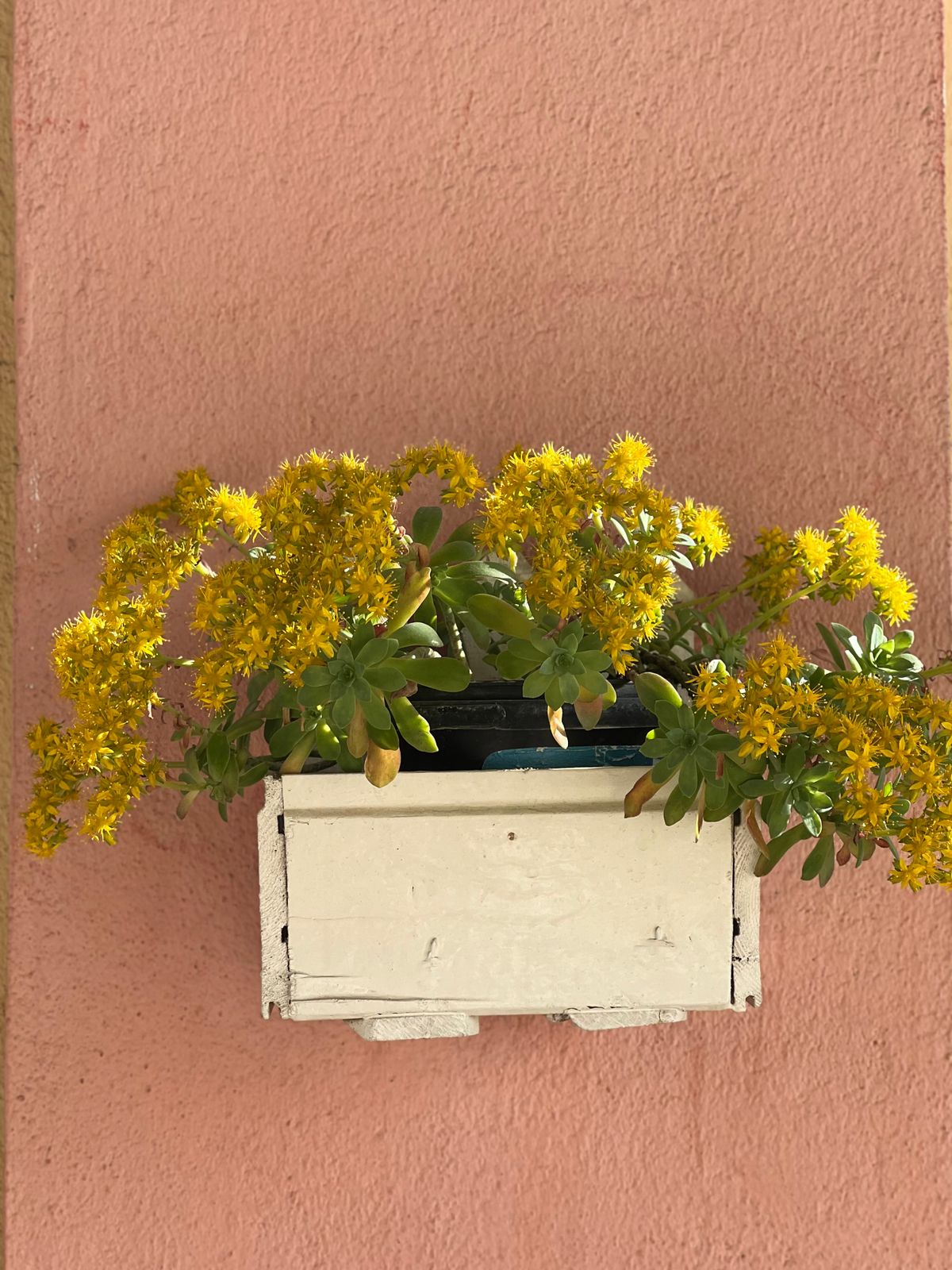
A flower bed reads as a designed object when its plants are arranged by mature height in three tiers, and the rule survives every style from cottage to modern. The back tier, against a fence or wall or in the bed's center if it is an island, holds the tall plants, 3 feet and up: delphiniums and hollyhocks for early summer, tall echinacea and Joe Pye for late, with the spacing from their own benches, because a tier is not an excuse to crowd. The middle tier, 18 inches to 3 feet, is the bed's body and its longest bloom: salvias, echinacea standards, dahlias in their classes, and daylilies, planted in odd-numbered groups of 3 or 5 rather than rows, so the bed reads as drifts instead of a parade. The front tier, under 18 inches, is the edge that finishes the bed: alyssum at its 9-inch bench, dwarf coneflowers, geraniums, and creeping plants that spill over the frame and hide the lumber line. Two disciplines make the tiers work. Plant by mature size, not by the size in the pot, because a back-tier plant in the front row is a two-year mistake. And repeat each plant in at least two places in the bed, because repetition is what separates a design from a collection of single specimens, the one-of-each trap that catches every new gardener at the nursery sale table.
Bloom Succession: The Fourth Dimension
A bed that peaks in June and quits is a design failure the tiers alone cannot fix, so the roster is chosen against a succession table, something flowering in every tier in every season. Spring belongs to bulbs planted the previous fall, tulips and daffodils in the middle and back tiers where their dying foliage will be hidden by rising perennials, plus the early perennials, creeping phlox at the edge and bleeding heart at the back. Early summer is the perennial peak: delphinium, salvia, and the first echinacea, with annuals filling any gap. High summer runs on the heat roster, zinnias, dahlias, and gomphrena from the cutting pages, which flower harder as it gets hotter. Fall closes with asters and mums at the middle tier and the echinacea left standing for its seed heads. The planning habit that makes succession real is to shop with the table, not the bench display: nurseries sell what is flowering now, which loads every bed with June and starves August. Buy the fall plants in spring when they are green and unglamorous, and the bed thanks you in October. Gardeners who keep a one-page roster of their bed, tier by season, divide and replace from it for years without the bed ever drifting into a single-season show.
Maintenance Shape of a Flower Bed
A raised flower bed's upkeep differs from a vegetable bed's in rhythm rather than weight. Deadheading is the weekly task through summer for the rebloomers, salvia and echinacea and their kin, each cut buying the next flush. Division is the annual task, in spring or fall, because perennial tiers widen exactly like the spacing pages warn, and a flower bed left undivided for four years is a crowding problem with blossoms on it. Feeding is light and early: a spring application of a balanced fertilizer or a compost top-dressing, with the heavy feeders, dahlias and roses if they are included, fed individually in season. Watering follows the planting, deep and infrequent once established, with first-year perennials kept on the establishment bench. The frame itself asks for an annual look at corners and soil level, since flower bed soil settles an inch or two a year as its organic matter consumes itself, and a spring top-up of mix keeps the tiers at their designed heights relative to the frame. None of this is heavy work; the flower bed's bargain is an afternoon of building and a design on paper, repaid with the easiest serious flower growing in the garden.
Edging, Paths, and the Working Details
The details around the tiers decide whether the bed is a pleasure to run. Give the bed a finished top edge, a flat cap board wider than the frame wall, because the flower gardener kneels on the bed's edge, sits on it to deadhead, and sets pots and tools on it daily, and a cap turns the frame into furniture. Keep a working path on every side the tiers require access from; a flower bed against a wall is worked from the front only, which is why its width drops to 3 feet where an island bed takes 4. Plan the water before the plants: a soaker hose snaked through the middle tier at planting time, or a drip line with emitters at each perennial station, disappears under mulch and ends the overhead watering that spots foliage and flattens tall back-tier plants. Add a simple plant support habit from the first season, grow-through rings over the floppy middle-tier perennials in spring, hidden by June, rather than string-and-stake rescues in July. And label the roster as you plant it, a row of small markers at the back edge or a photographed plan in the garden notebook, because by the second spring nobody remembers which salvia was which, and the succession table this page insists on is only maintainable against a roster that exists somewhere outside the gardener's memory.
Related guides
These guides sit closest to this one on the garden path:
- How to Build a Raised Flower Bed with Pavers: Dry Stacked, Sized to the Stone
- How to Plant Flower Seeds: Three Sowing Routes and the Depth Rule That Runs Them All
- Best Perennials for Beginners: A Border Plan, Not a Shopping List
- How to Plant Roses: Planting Day, Done in Order
- How to Plant Tulips: Planting Day, Done in the Right Order
Frequently Asked Questions
How deep should a raised flower bed be?
Eight inches of soil grows the full annual roster; 12 inches is the perennial bench, for bulbs, daylilies, echinacea, and deeper-rooted plants. Flowers need less depth than vegetables, so the standard deep vegetable build overspends on soil for a flower bed. Deeper than 12 inches buys flowers nothing.
How much soil does a 4 by 8 flower bed need?
About 21 cubic feet at 8 inches deep and 32 cubic feet at 12 inches, which is 16 bags of 2-cubic-foot mix at the perennial depth. Soil is the budget line that surprises builders, so run the numbers from the table in this page before cutting lumber, and order bulk mix for beds of 4 by 12 and larger.
What soil mix do flowers want in a raised bed?
A raised bed mix or a blend near 60 percent topsoil, 30 percent compost, 10 percent aeration material, erring toward drainage. Much of the ornamental roster rots in the rich, wet mix vegetables enjoy. Feed within the season rather than building fertility into a sponge.
How do I arrange plants in a raised flower bed?
In three tiers by mature height: tall plants, 3 feet and up, at the back or center; the mid tier, 18 inches to 3 feet, as the body in groups of 3 or 5; and edging plants under 18 inches at the front to spill over the frame. Plant by mature size, repeat each plant at least twice, and choose the roster against a bloom succession table so something flowers in every season.
Is a raised flower bed better than planting in the ground?
Where soil is poor, drainage is bad, or the gardener's back is a consideration, yes: the bed imports good, drained soil at a workable height and defines the design in a frame. In good soil with a young gardener, an in-ground border does the same work for less money. The bed's honest advantages are soil control, drainage, and the tidy tier structure the frame enforces.
Photo credits: Tatiana Tolkunova-Balugdzic (Pexels); Faile Memmedova (Pexels). Photos are served from this site; follow the credit to the library page for the original.